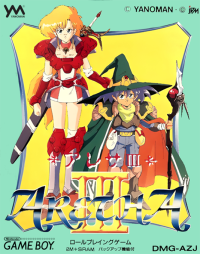
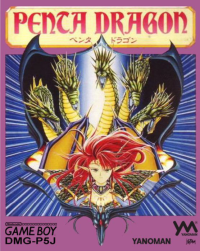
Japan Art Media (JAM) developed several notable role-playing and action games during the 1990s, including the Aretha series, Penta Dragon, Song Master, and Trinea. They also worked on licensed titles such as Hao Taikei Ryu Knight and entries in the SD Gundam franchise.
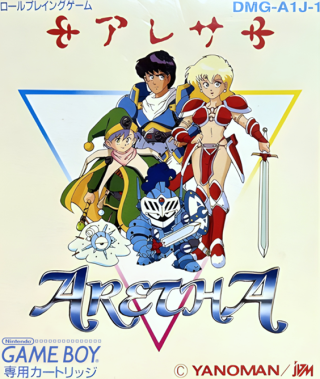
Established as a key contributor to early handheld and 16-bit console RPGs, the developer established its signature style on the Game Boy with the release of
Aretha (1990). This debut initiated a fantasy trilogy on the platform, followed quickly by
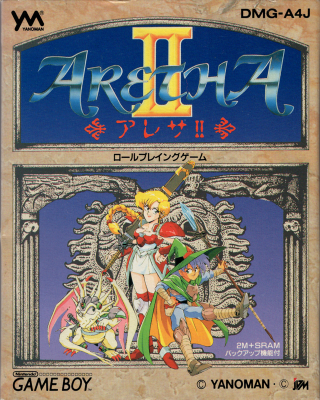
Aretha II (1991) and
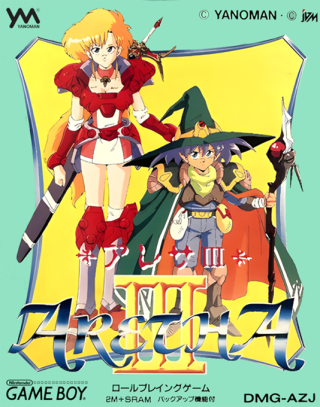
Aretha III (1992). These titles, alongside the action-oriented
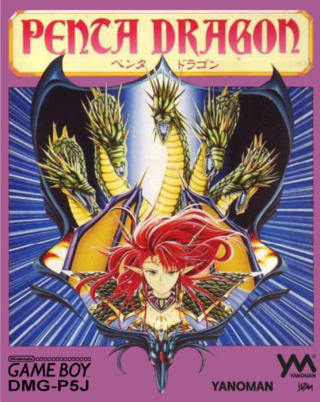
Penta Dragon (1992), showcased the studio's ability to maximize the hardware limitations of Nintendo's portable system.
Transitioning to home consoles, the developer expanded its tactical and role-playing design philosophies. On the Super Famicom,
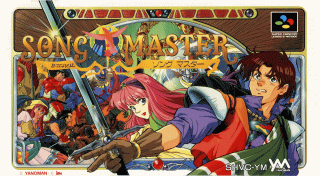
Song Master (1992) and
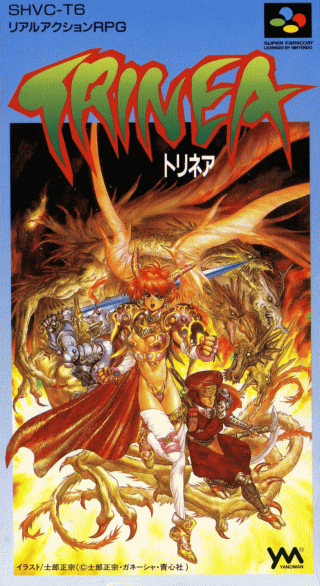
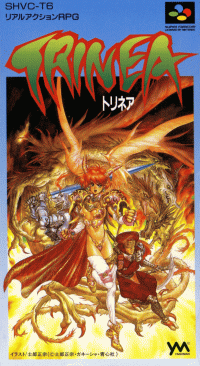
Trinea (1993) refined their approach to active combat and menu-driven storytelling, culminating in the visually upgraded
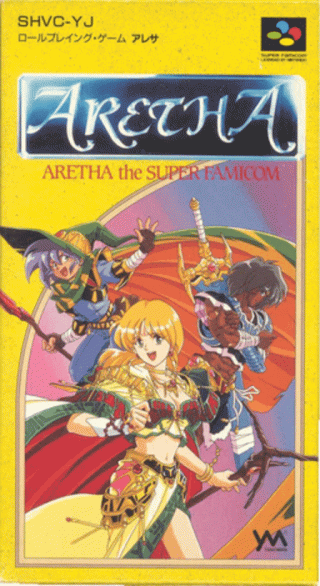
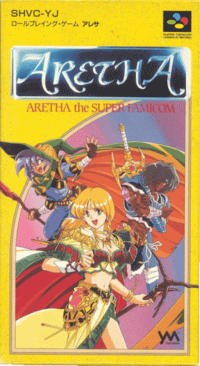
Aretha the Super Famicom (1993). The studio's expertise in adapting complex mechanical systems also translated to licensed anime properties, notably with the release of
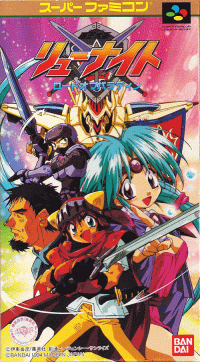
Hao Taikei Ryu Knight (1994). Throughout this era, these projects remained deeply intertwined with the broader
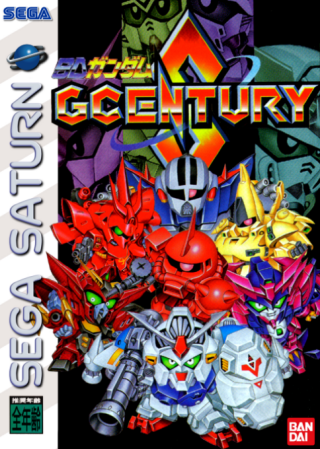
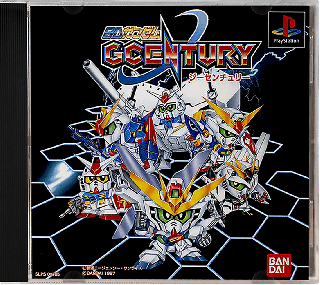
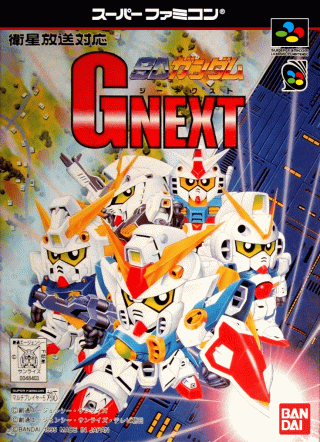
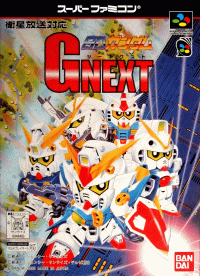
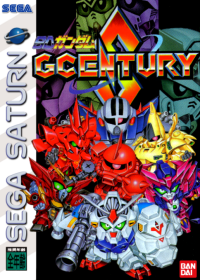
SD Gundam franchise ecosystem, sharing design staff, tactical layouts, and publishing partnerships that defined the developer's output during the 16-bit golden age.