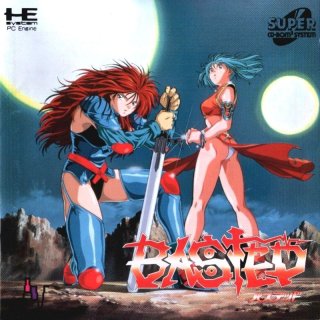
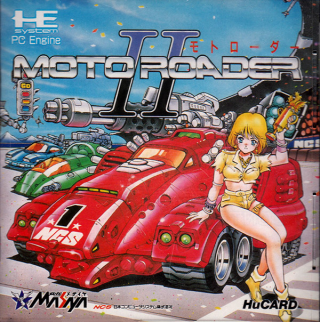
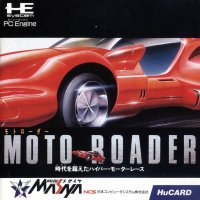
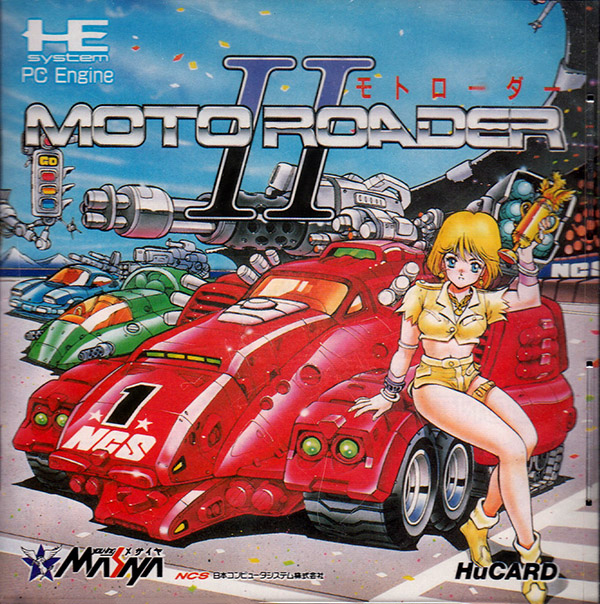
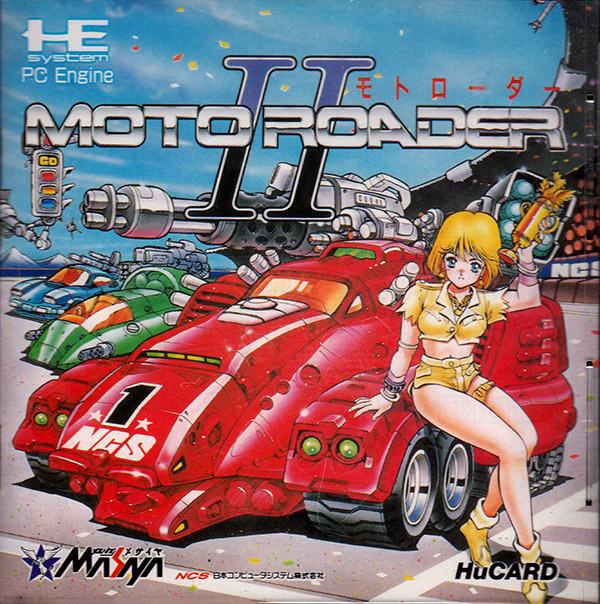
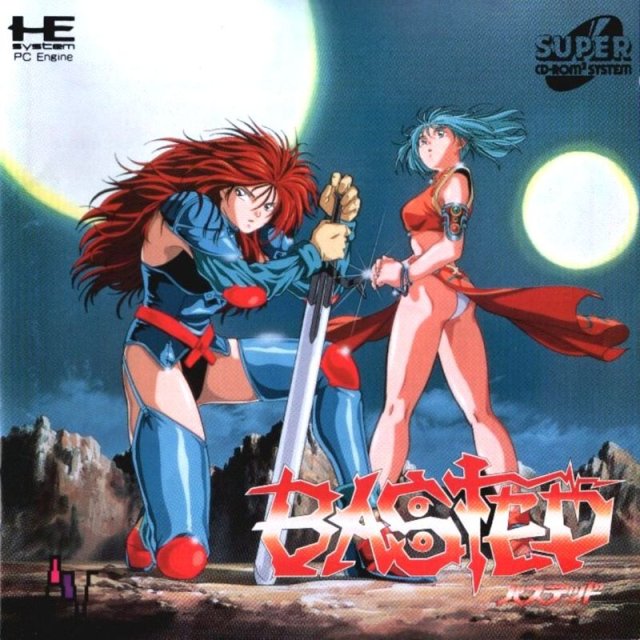
Japan Technicals Section, commonly known as JTS, was a Japanese game developer active during the PC Engine era. The studio is recognized for developing the 1994 action RPG Basted and contributing to the development of the futuristic racing games Moto Roader (1989) and Moto Roader II (1991).
Operating closely with publisher NCS and its gaming brand Masaya, the studio specialized in maximizing the hardware capabilities of Hudson Soft and NEC's collaborative console. For the debut of
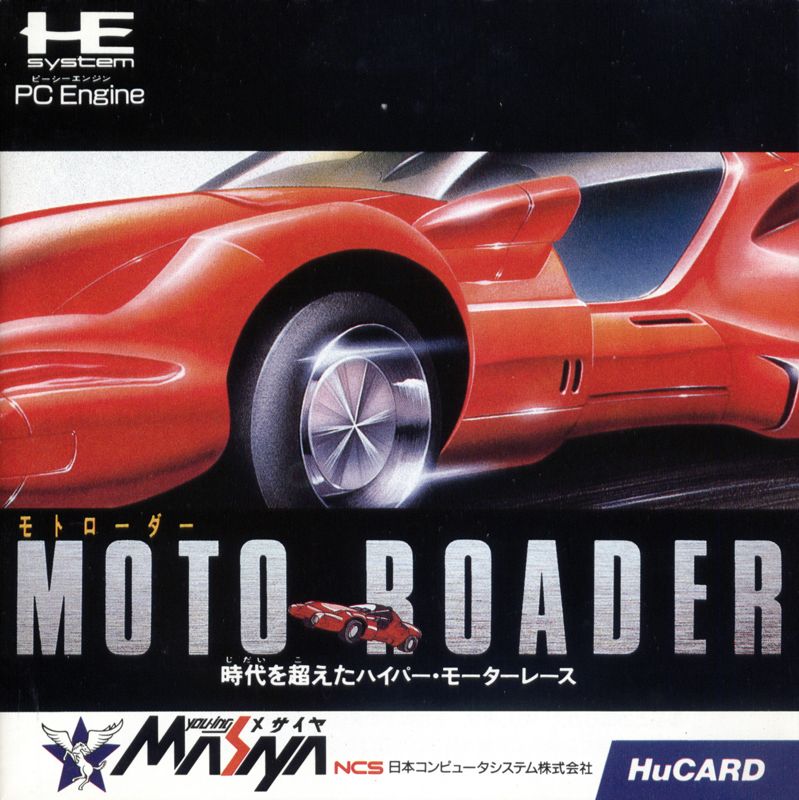
Moto Roader, the team engineered a top-down racing system that accommodated up to five simultaneous players using the MultiTap accessory. This multiplayer focus became a defining characteristic of the franchise, requiring precise screen-scrolling mechanics to keep all racers on a single screen, alongside a robust economy system for vehicle upgrades between heats.
With
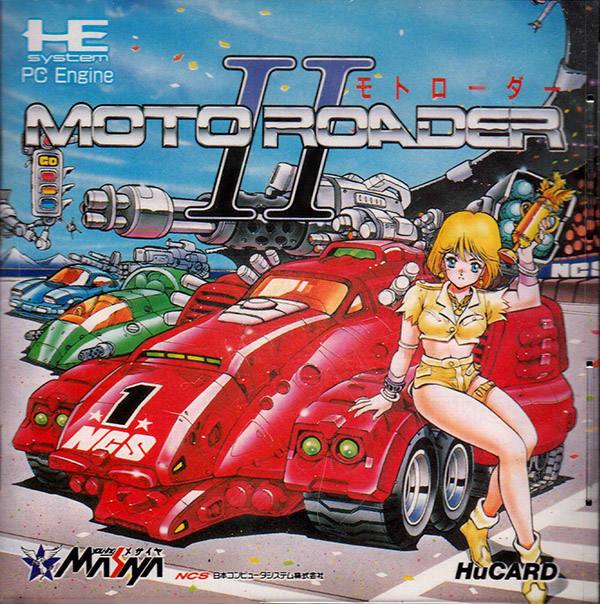
Moto Roader II, the design expanded to include diverse terrain types, specialized tire grip physics, and deployable weaponry, cementing the series as a multiplayer staple for the platform. Transitioning to the Super CD-ROM² format, the developer leveraged the expanded storage capacity to produce
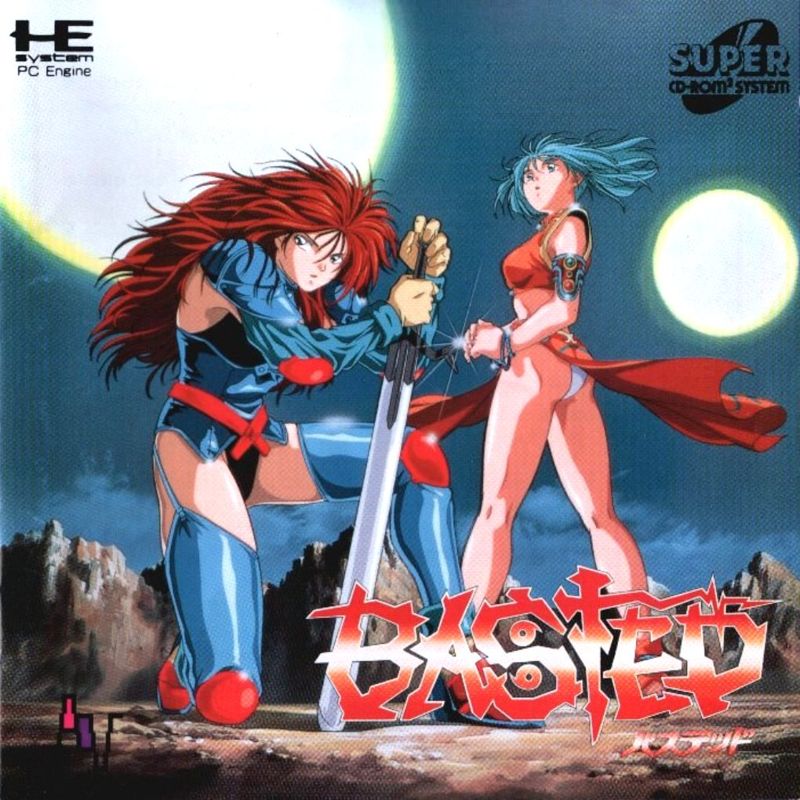
Basted. This project shifted focus toward narrative-driven action role-playing, incorporating a fully voiced script, animated cinematic sequences, and a redbook audio soundtrack. Through these releases, the developer established a reputation for pushing the cooperative and multimedia boundaries of 16-bit console gaming before the market transitioned to 3D hardware.