Established as the software publishing arm of the Palace Group, the studio leveraged its parent company's cinematic background to inject strong visual design and atmospheric audio into its catalog.
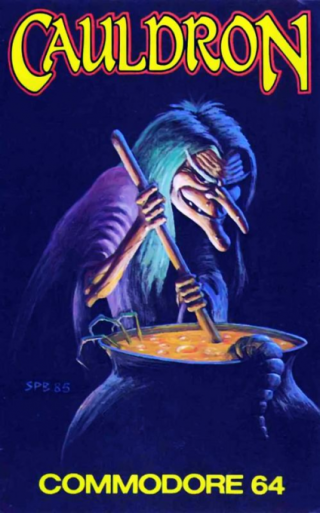
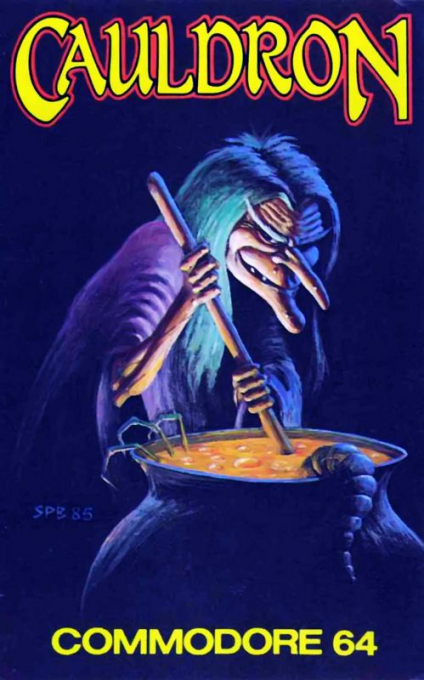
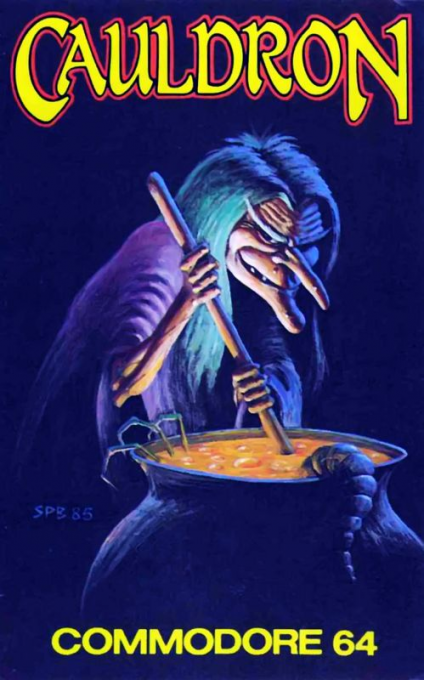
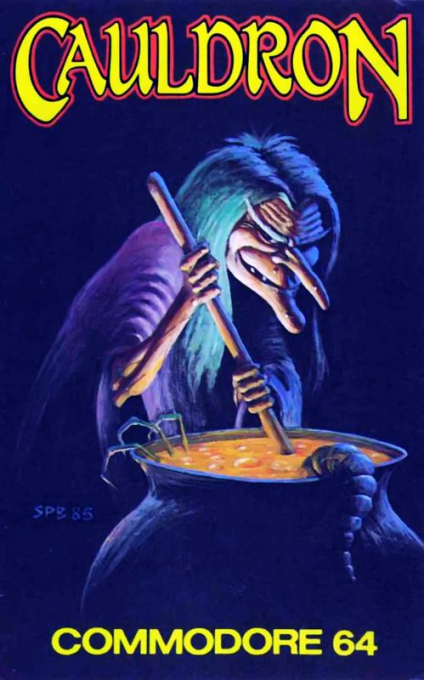
Cauldron capitalized on Halloween themes, challenging players with intricate spell-ingredient collection and demanding physics-based navigation. Its success established a distinct dark-fantasy aesthetic that the developer refined in subsequent projects.
With
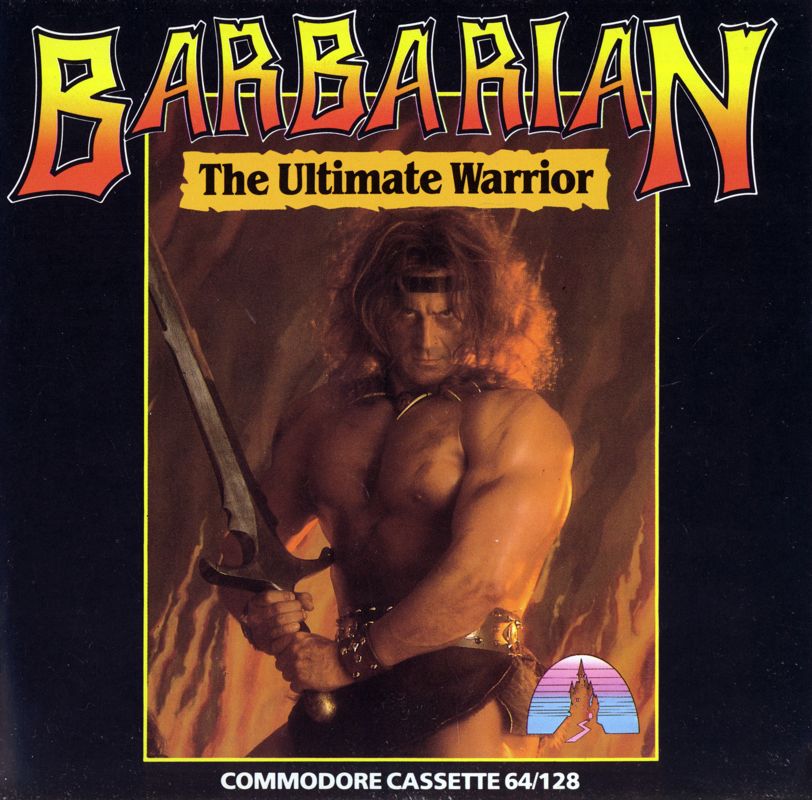
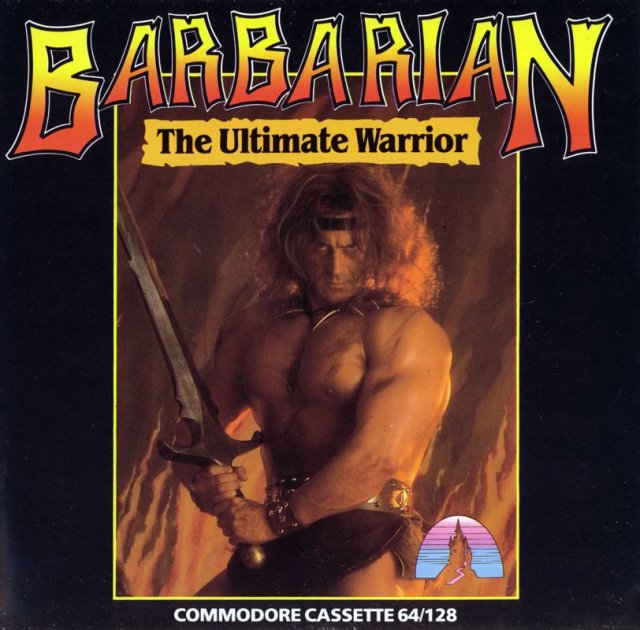
Death Sword, the studio achieved significant commercial success and notoriety. The game introduced highly fluid, rotoscoped-style sword combat and a controversial, high-profile marketing campaign. Its head-chopping mechanic and competitive two-player mode set a precedent for the fighting game genre on 8-bit home computers like the Commodore 64 and ZX Spectrum.
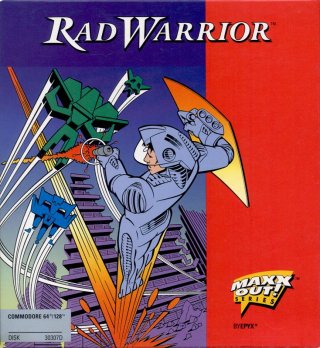
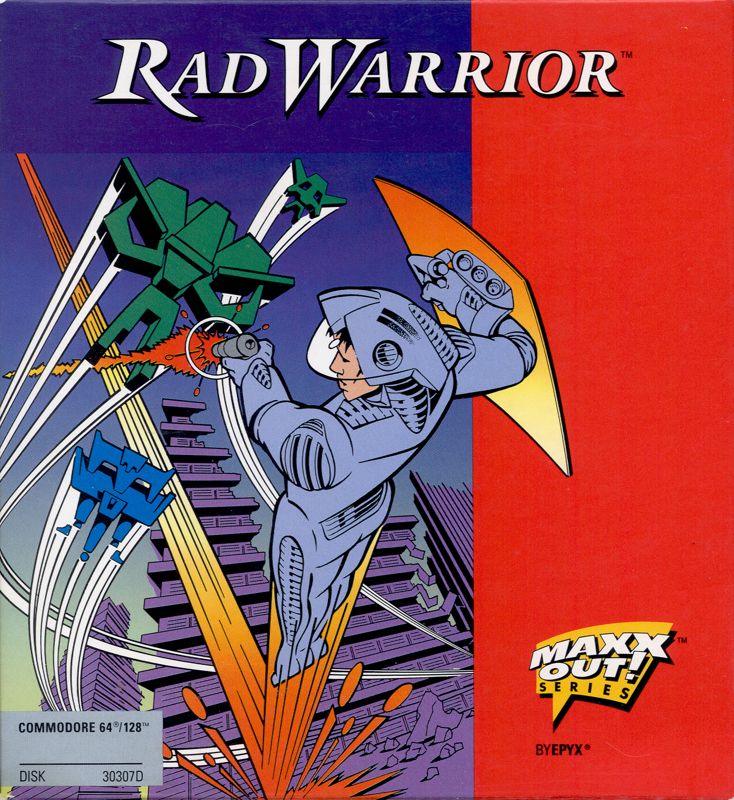
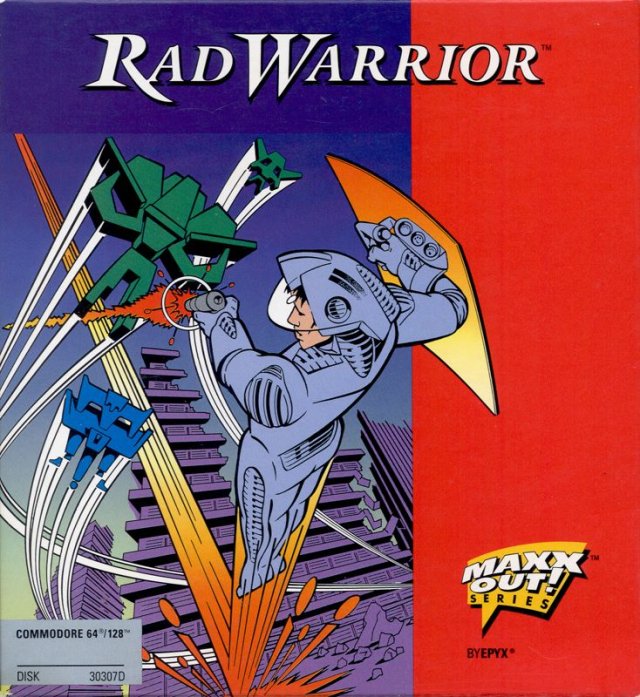
The company expanded into science fiction with
Rad Warrior, which tasked players with exploring a post-apocalyptic wasteland to locate and power up a legendary mechanized suit. This title emphasized non-linear exploration and backtracking, prefiguring elements of the Metroidvania subgenre. Alongside the challenging shoot-'em-up mechanics of
IO, these releases demonstrated the studio's versatility in game design before its eventual acquisition by Titus Software in 1991.