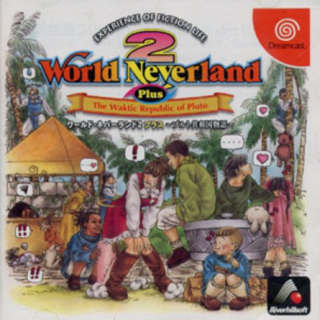
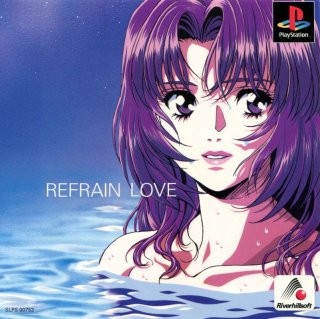
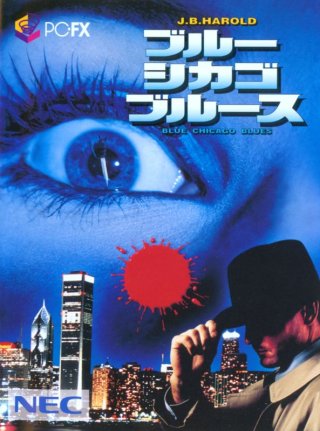
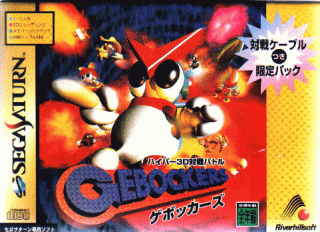
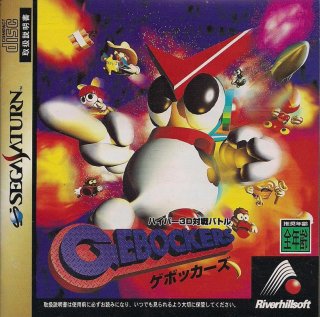
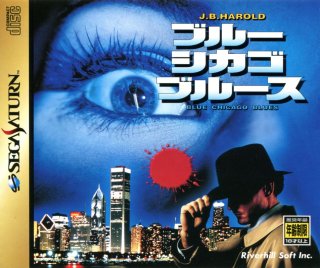
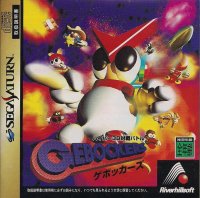
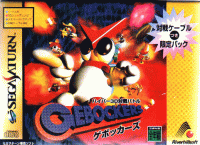
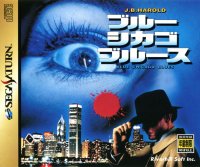
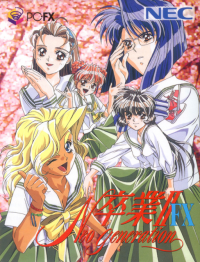
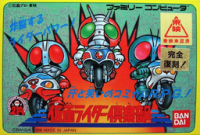
Riverhillsoft was a Japanese developer that created a wide range of titles, including the action-puzzle game Kamen Rider Club (1988) and the Game Gear sports title Buster Ball (1992). They experimented with early 3D and interactive media, developing the Virtual Boy shooter Hyper 3D Taisen Battle: Gebockers (1996) and the interactive movie Blue Chicago Blues (1995). The company also developed simulation and adventure games, such as Refrain Love: Anata Ni Aitai (1997) and World Neverland Plus (1999).
Founded in Fukuoka, the studio built its reputation by adapting popular intellectual properties and pioneering niche genres. Their early console work included the Famicom release
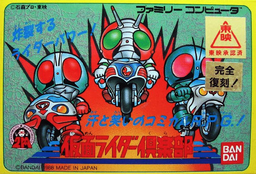
Kamen Rider Club (1988), which translated the famous tokusatsu franchise into a unique chibi-style action-RPG. They followed this with the mystery adventure
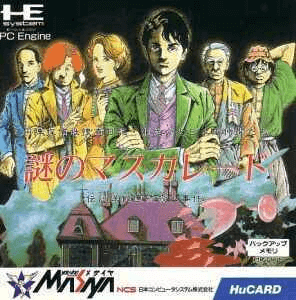
Nazo no Masquerade (1990) for Japanese home computers, establishing a narrative-heavy design philosophy.
As hardware evolved, the developer transitioned to handheld and CD-ROM platforms. They delivered the futuristic sports title
Buster Ball (1992) for the Game Gear, followed by the ambitious multi-disc interactive mystery
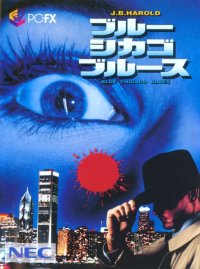
Blue Chicago Blues (1995). The studio embraced emerging 3D tech with the Virtual Boy shooter
Hyper 3D Taisen Battle (1996) and its counterpart
Hyper 3D Taisen Battle: Gebockers (1996), utilizing the console's stereoscopic depth. By the late 1990s, the company shifted toward life and relationship simulation, finding success with the romantic adventure
Refrain Love: Anata Ni Aitai (1997) and the open-ended fantasy society simulator
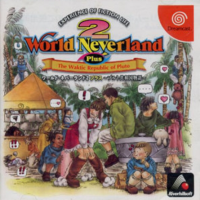
World Neverland Plus (1999). These diverse releases defined the studio's legacy of genre experimentation before its eventual closure.
Riverhill Soft Inc.