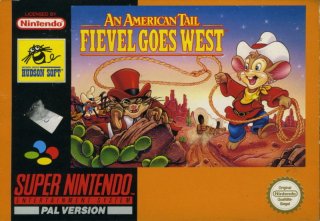
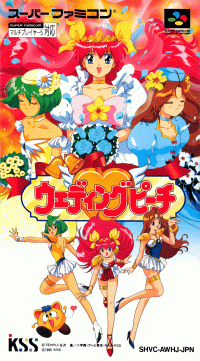
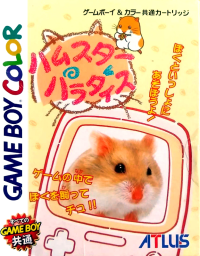
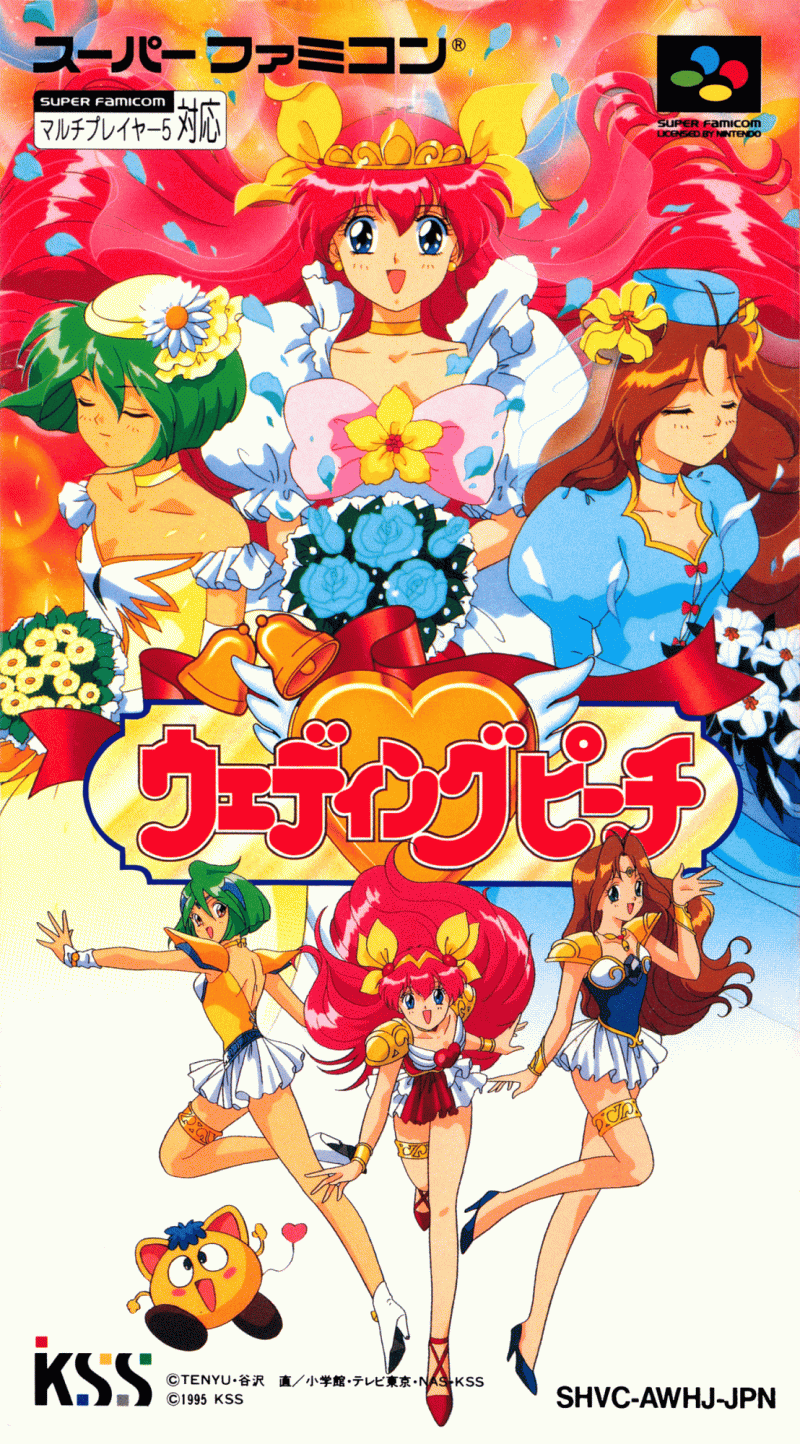
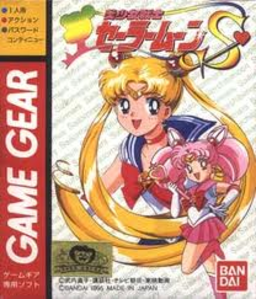
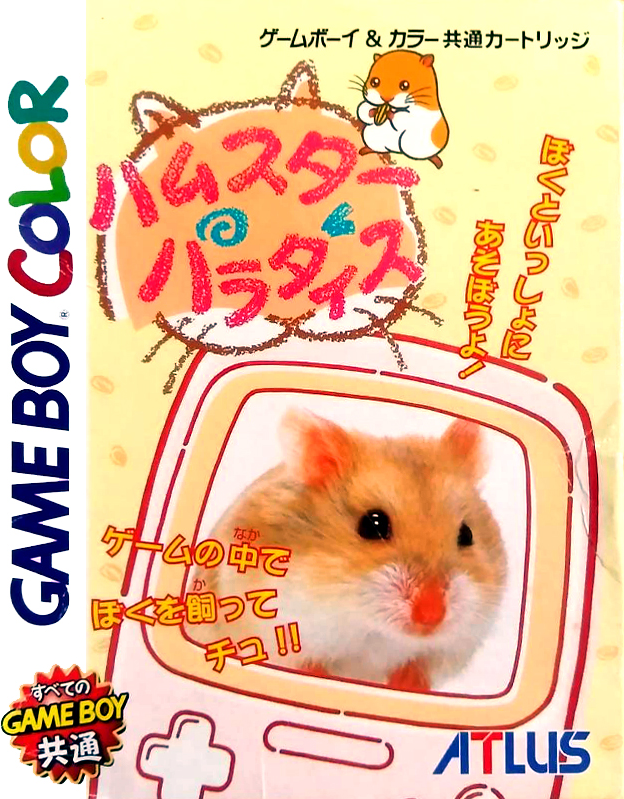
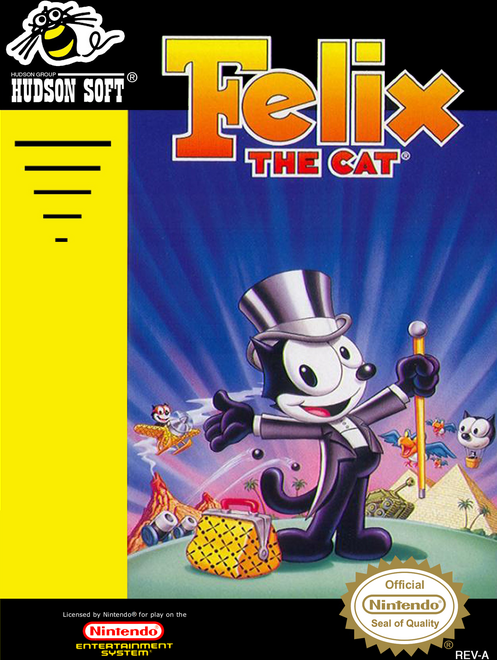
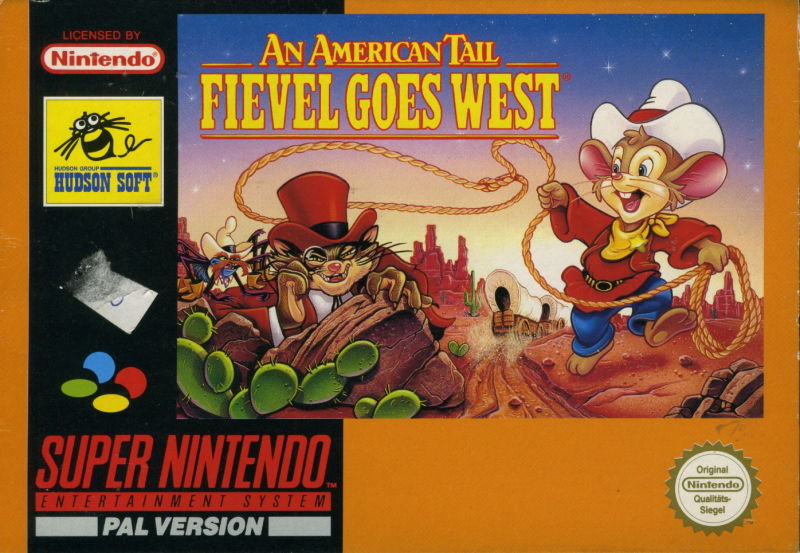
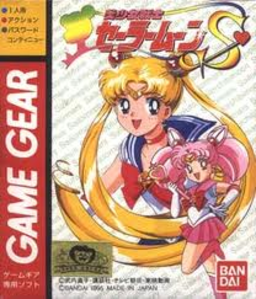
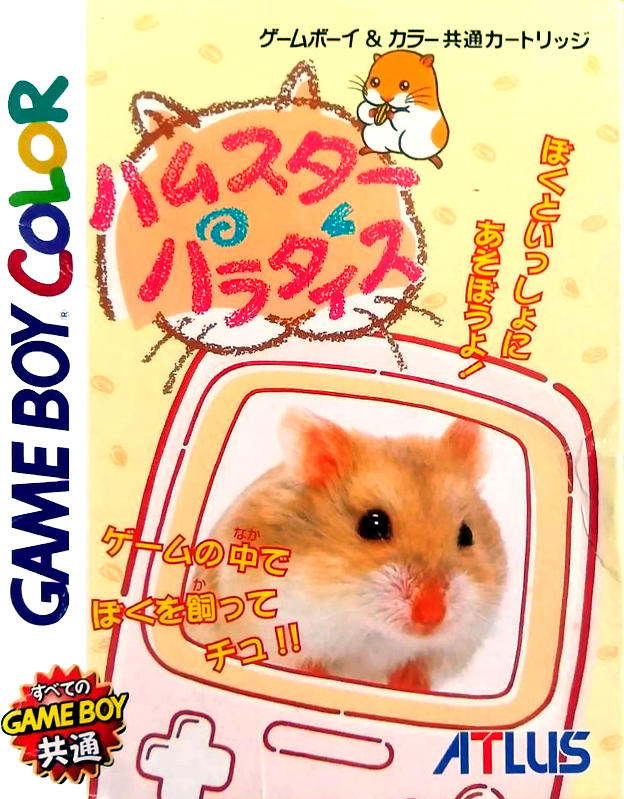
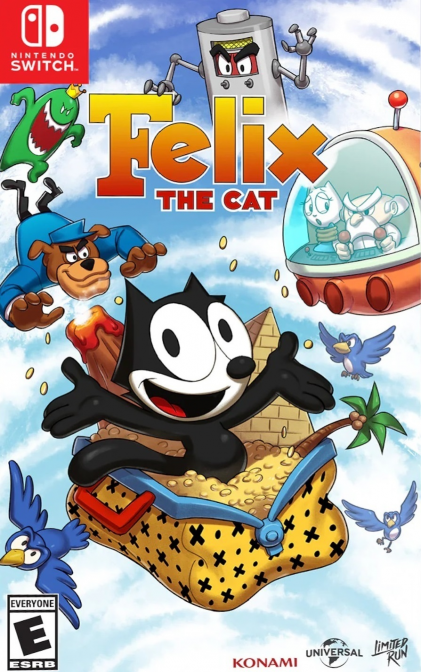
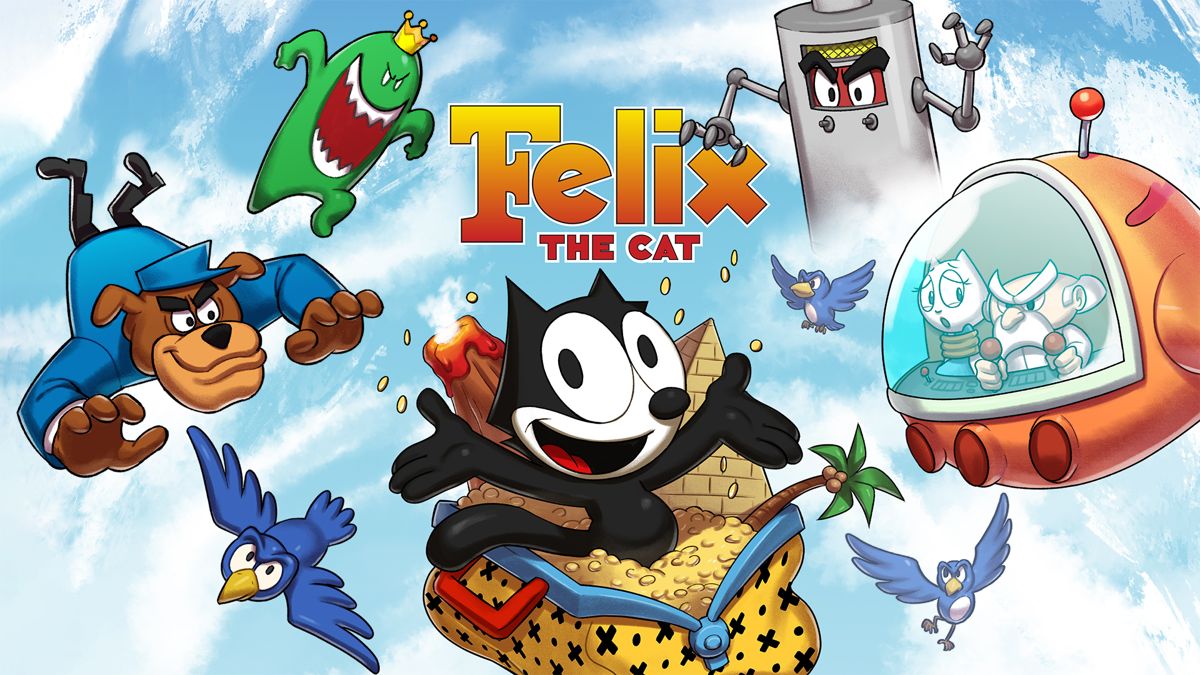
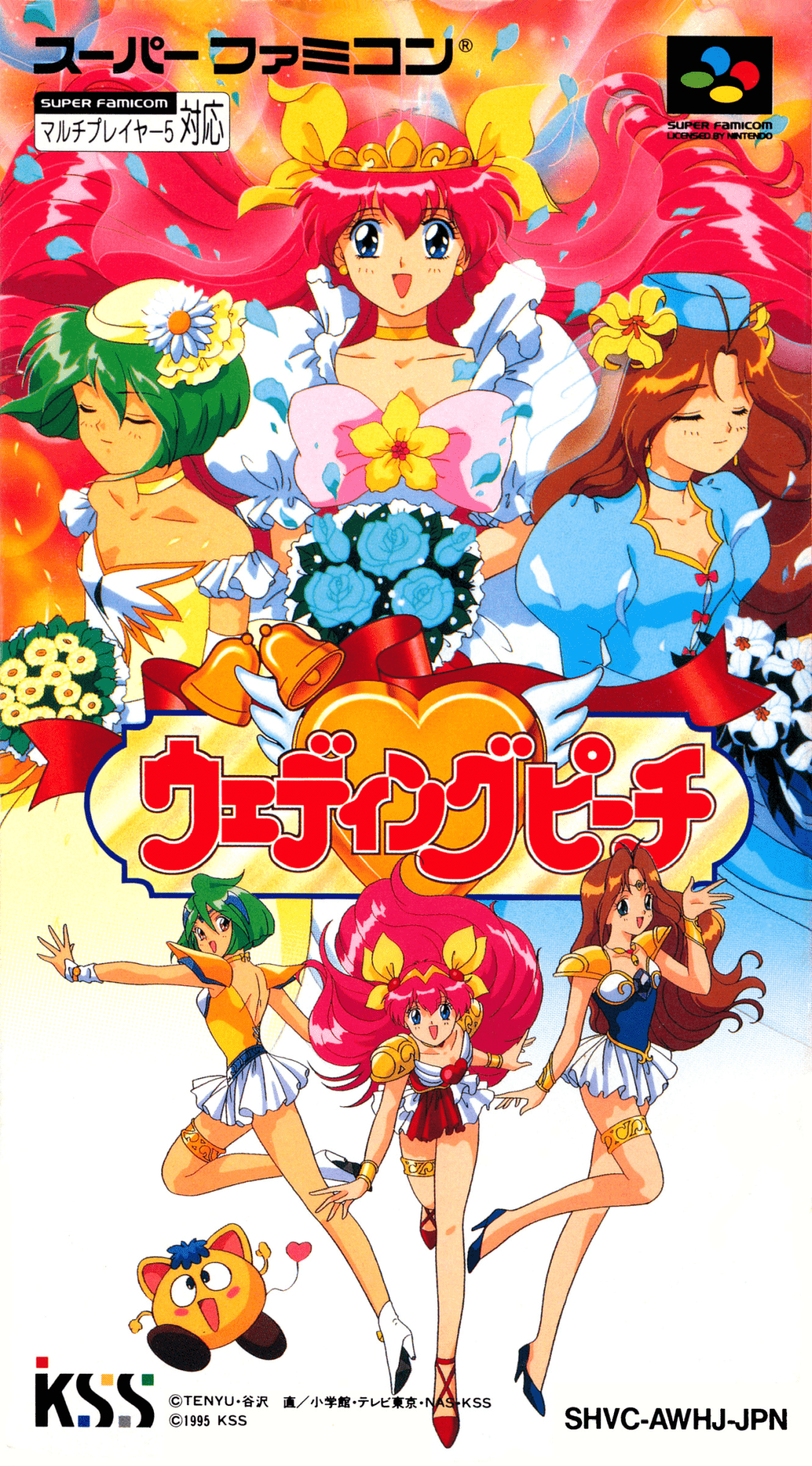
Shimada Kikaku developed several licensed titles for handheld and home consoles, including Felix the Cat (1992) and Hello Kitty no Hanabatake (1992). They worked on notable franchise adaptations such as Bishoujo Senshi Sailor Moon S (1995) and Wedding Peach (1995) for the Sega Game Gear. The studio also developed An American Tail: Fievel Goes West (1994) and the Game Boy title Hamster Paradise (1999).
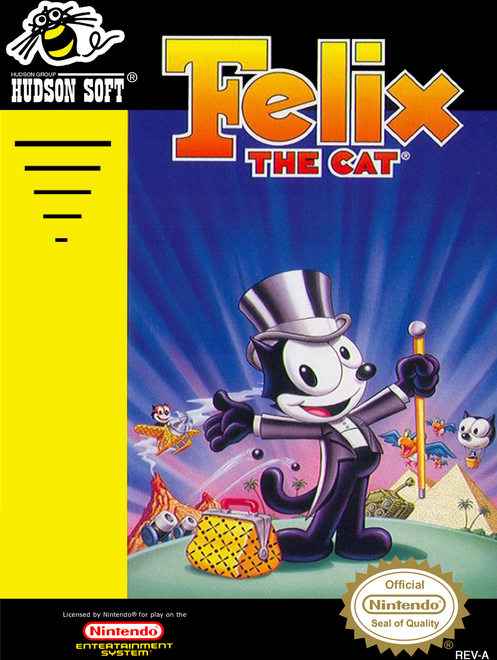
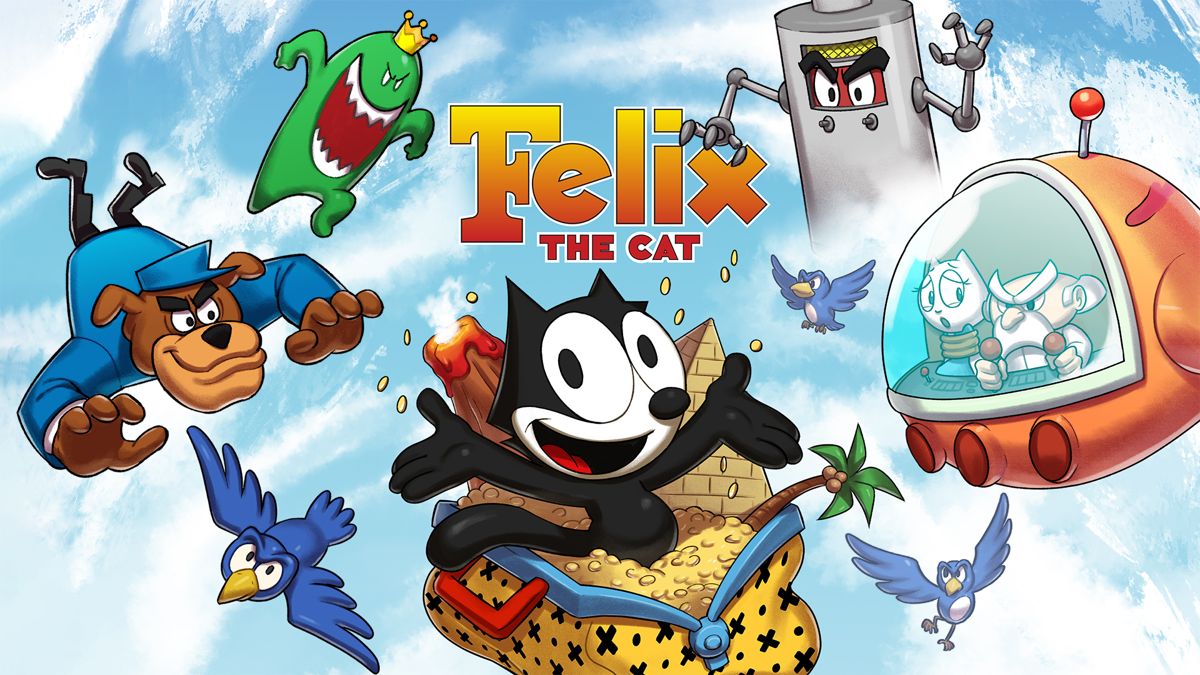
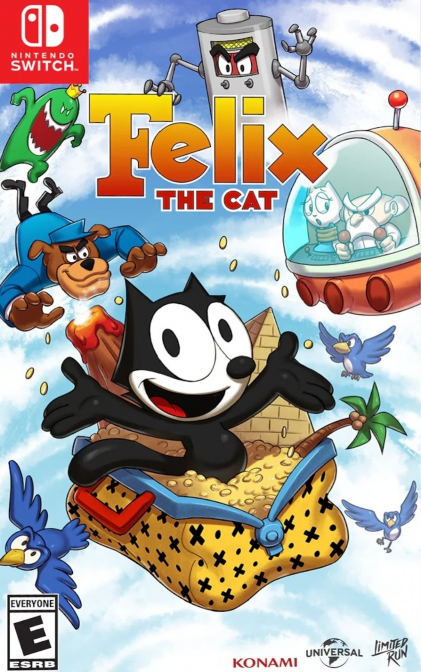
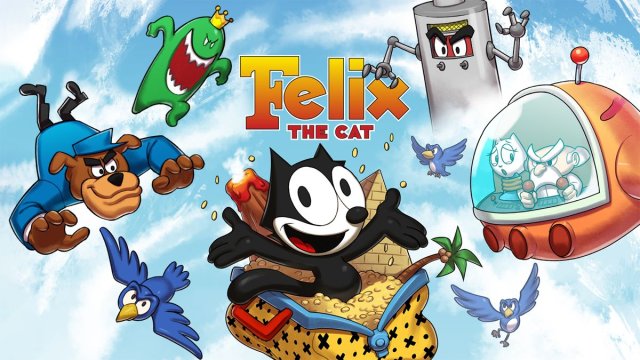
Operating primarily as a contract developer during the 1990s, the studio specialized in translating popular Japanese anime and Western animation properties into interactive media. For publisher Hudson Soft, the developer crafted the platforming mechanics of the
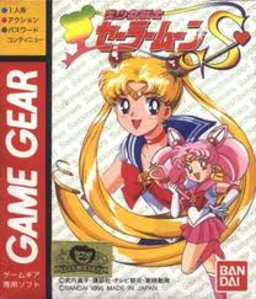
Felix the Cat titles, establishing a reputation for translating cartoon aesthetics into side-scrolling gameplay. This expertise in licensed properties led to collaborations with major publishers to bring prominent shojo media franchises to Sega's handheld hardware. In
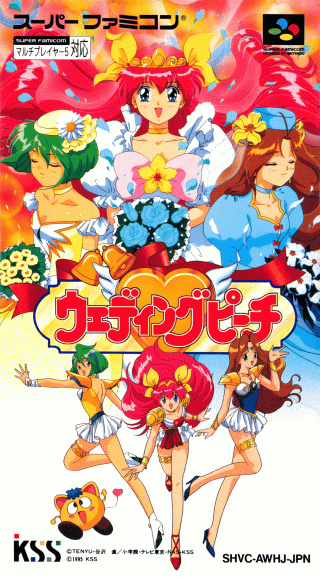
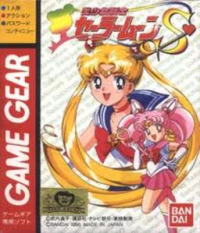
Bishoujo Senshi Sailor Moon S, the studio adapted the magical girl franchise into a competitive puzzle game, a design philosophy they revisited with the matchmaking gameplay of
Wedding Peach.
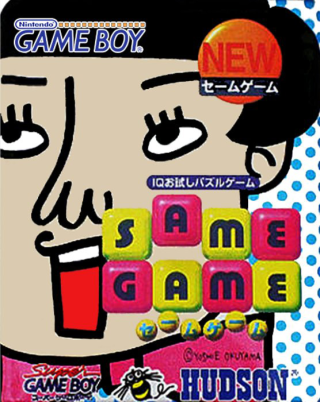
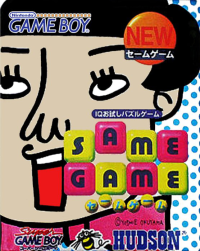
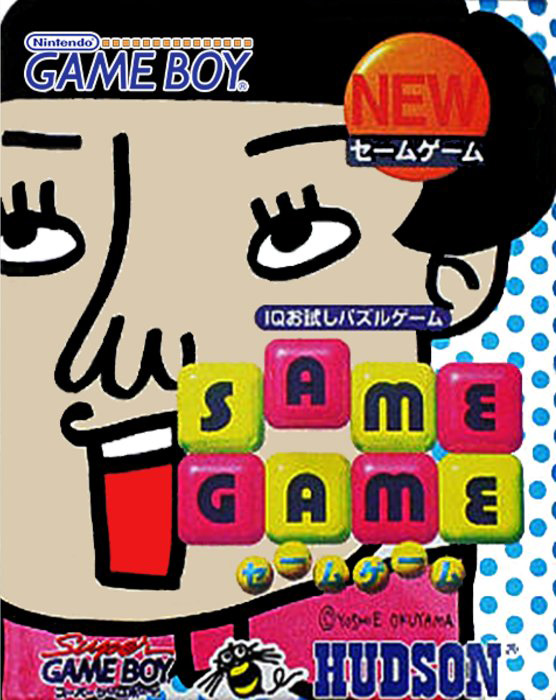
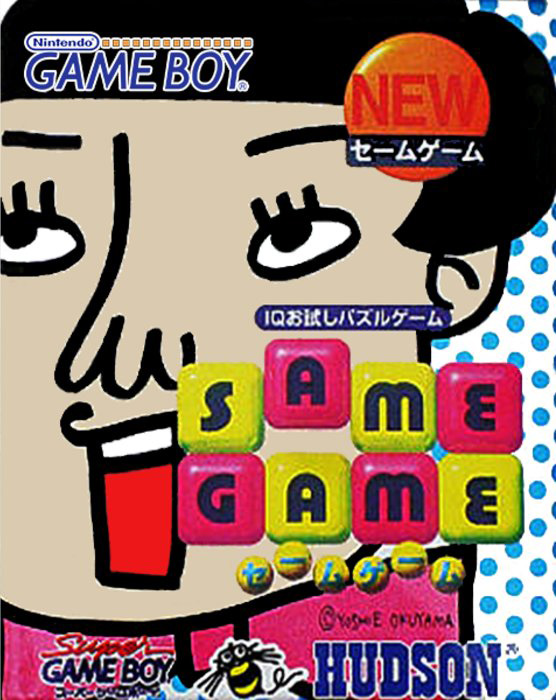
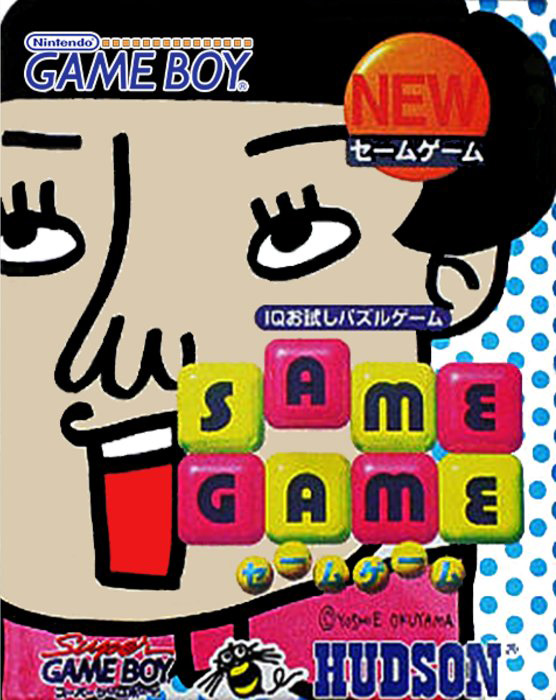
Beyond action-platformers and anime tie-ins, the company demonstrated versatility in the puzzle genre. They developed the Game Boy version of
Same Game in 1997, focusing on tile-matching mechanics that maximized the handheld's limited screen resolution. Throughout its active years, the developer remained a crucial behind-the-scenes partner, ensuring that high-profile intellectual properties transitioned smoothly to portable and home consoles through accessible, genre-focused game design.