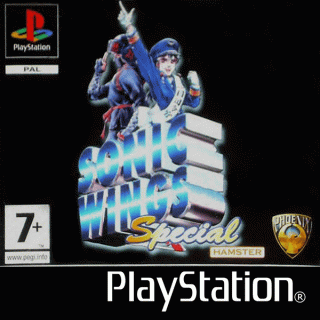
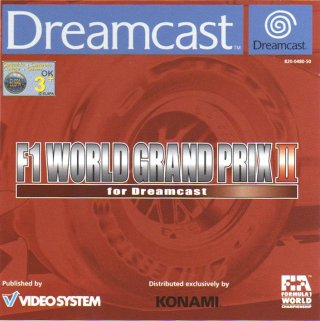
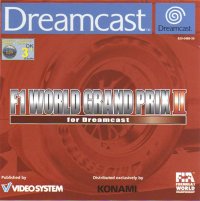
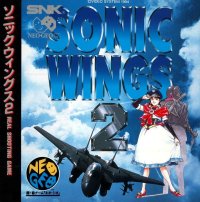
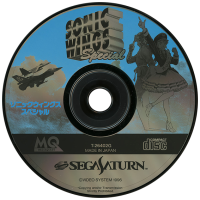
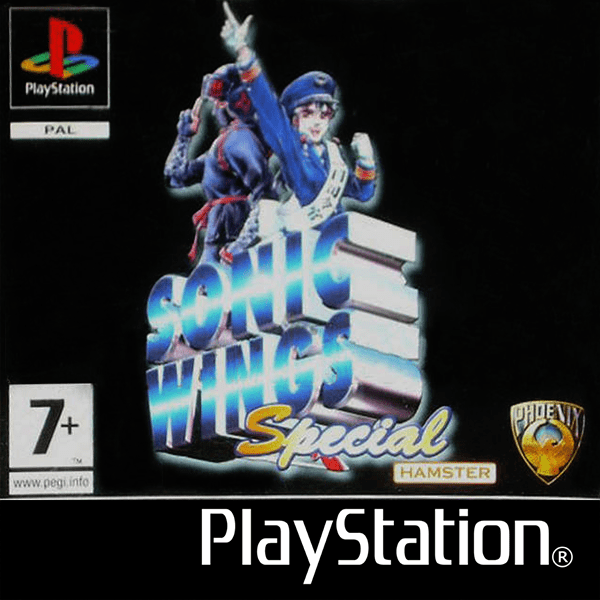
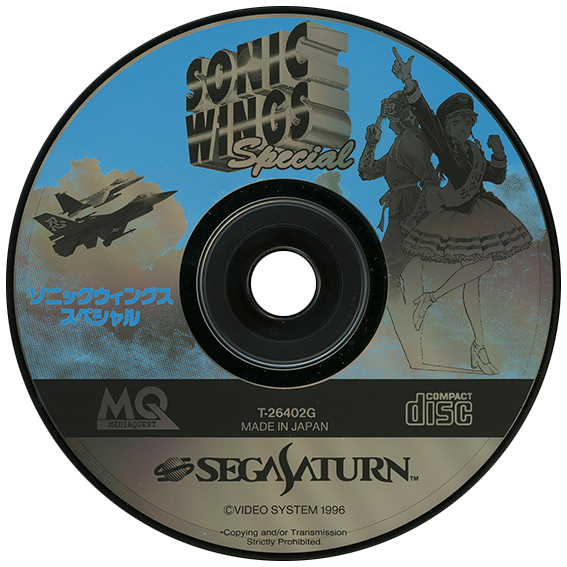
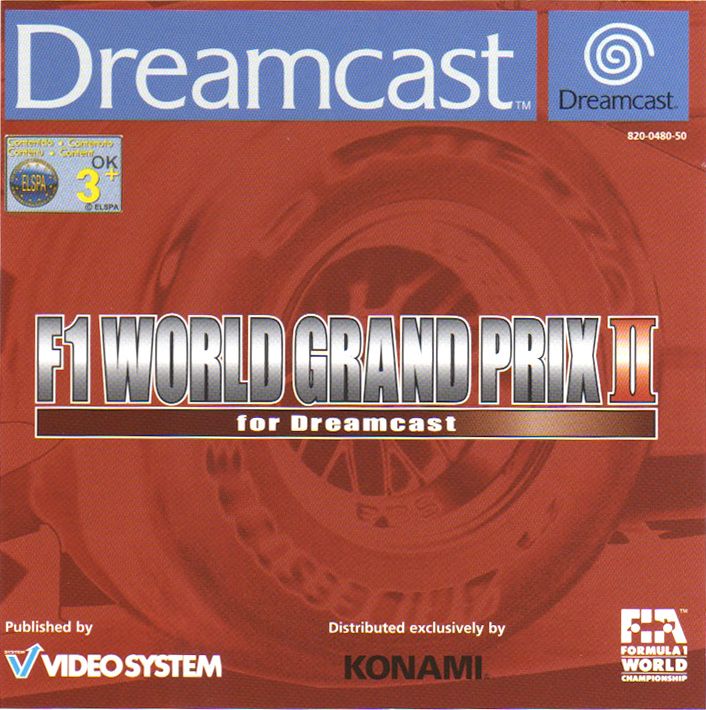
Video System Co. Ltd. was a Japanese game developer active from the 1980s to the early 2000s. The company is best known for developing the Aero Fighters (Sonic Wings) series of arcade shoot 'em ups, as well as sports games like Super Volley Ball and Hyper V-Ball. They also developed the F1 World Grand Prix racing series before the company's closure.
The company established its early arcade presence with titles like
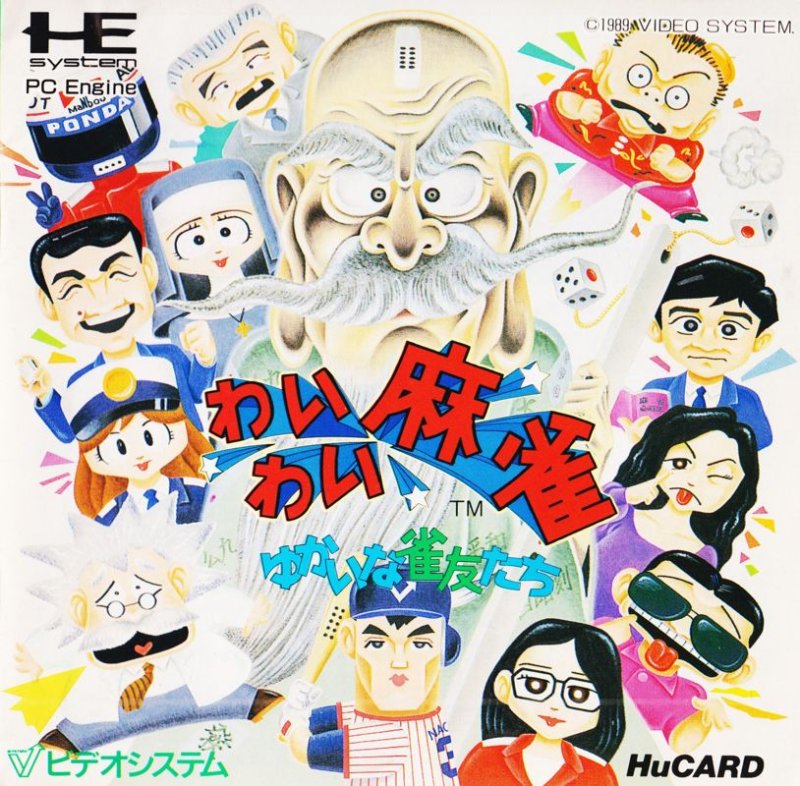
Wai Wai Mahjong (1989), a Japanese mahjong release that demonstrated their early focus on competitive cabinet-based gaming. This foundation paved the way for successful sports simulations, notably
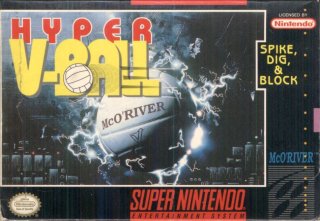
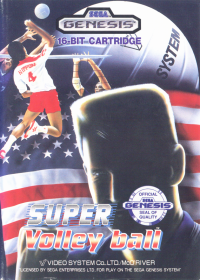
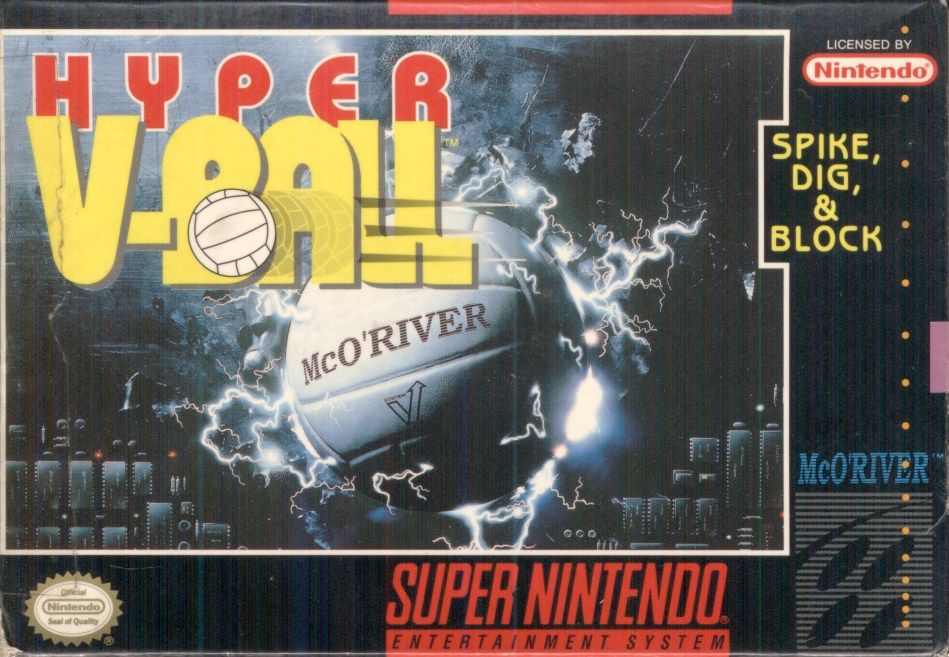
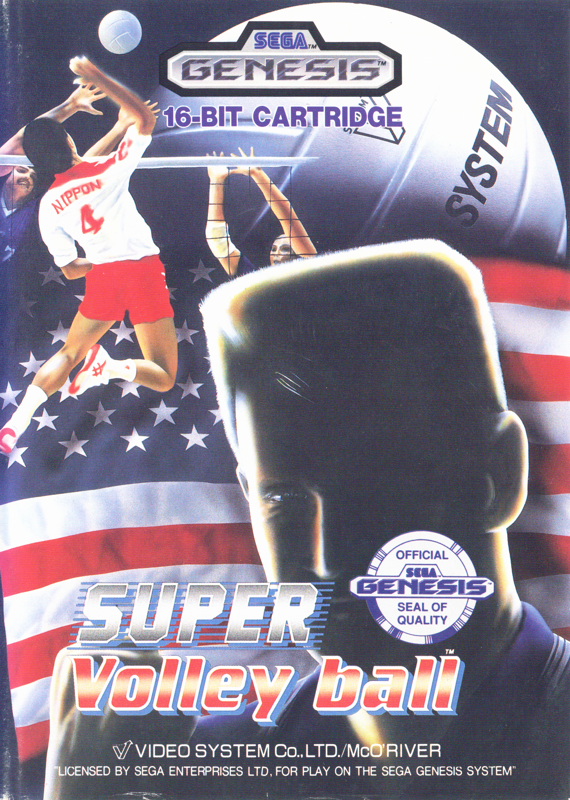
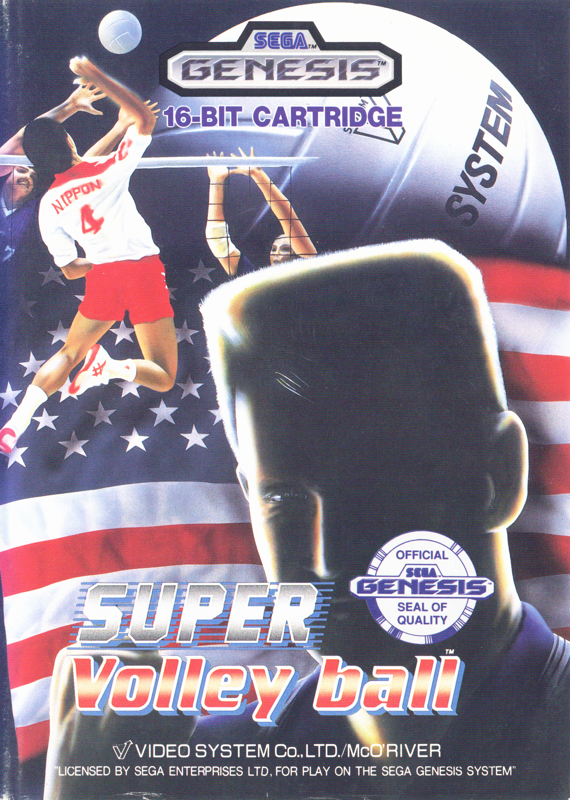
Super Volley Ball (1991), which gained international traction in arcades, and its futuristic Super Nintendo Entertainment System successor,
Hyper V-Ball (1994), which introduced robotic leagues and enhanced physics to the volleyball subgenre.
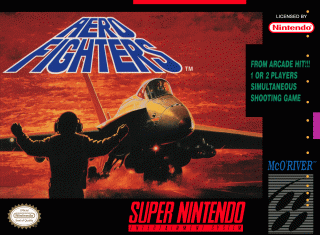
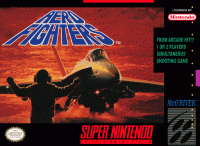
The developer's defining contribution to the shoot 'em up genre crystallized with the console localization of
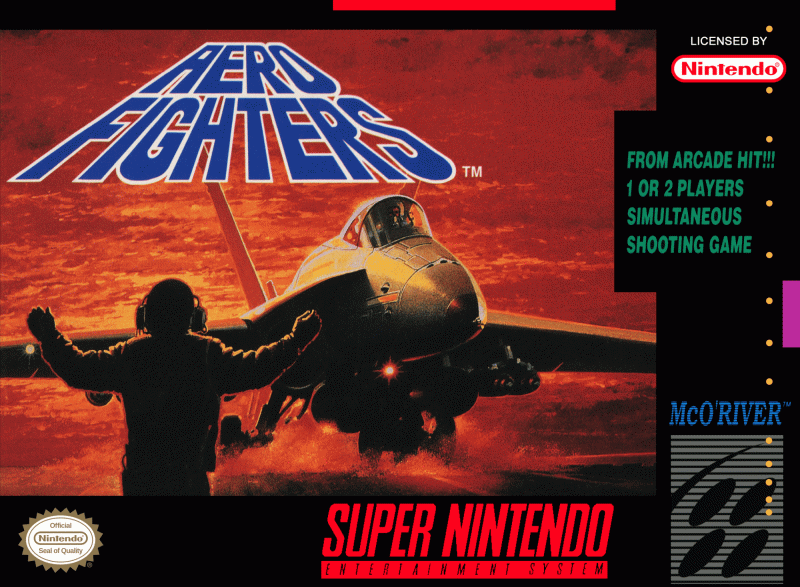
Aero Fighters (1994). This success spawned highly regarded sequels, including
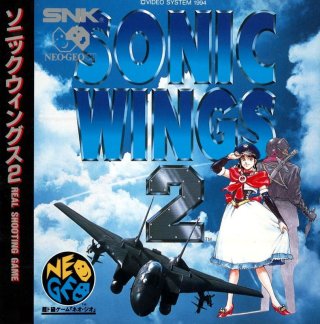
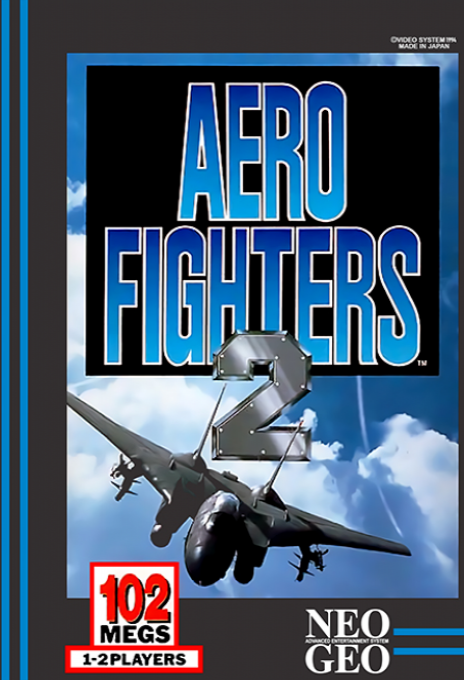
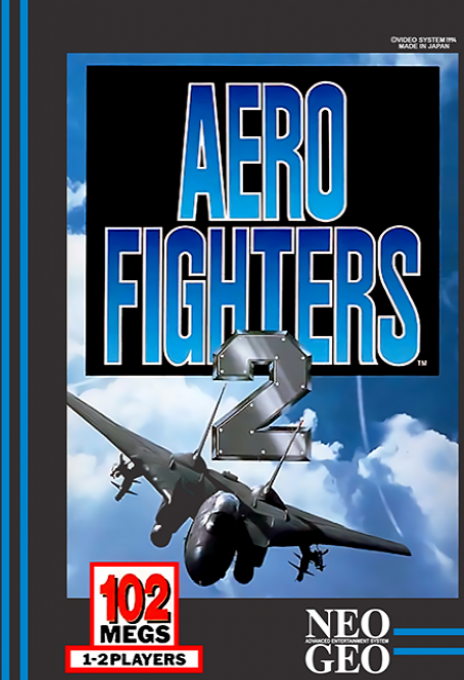
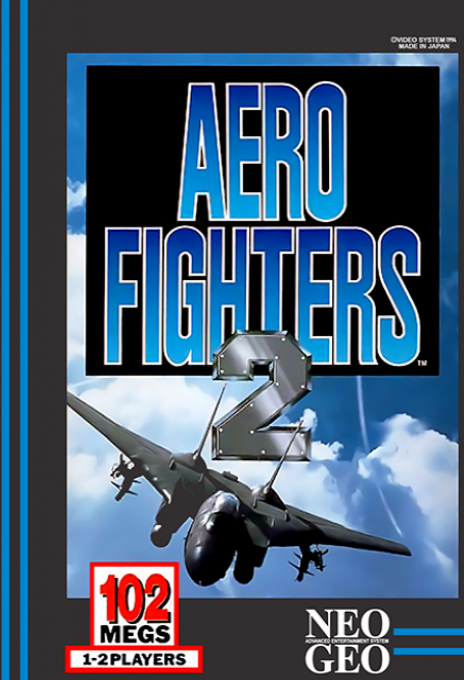
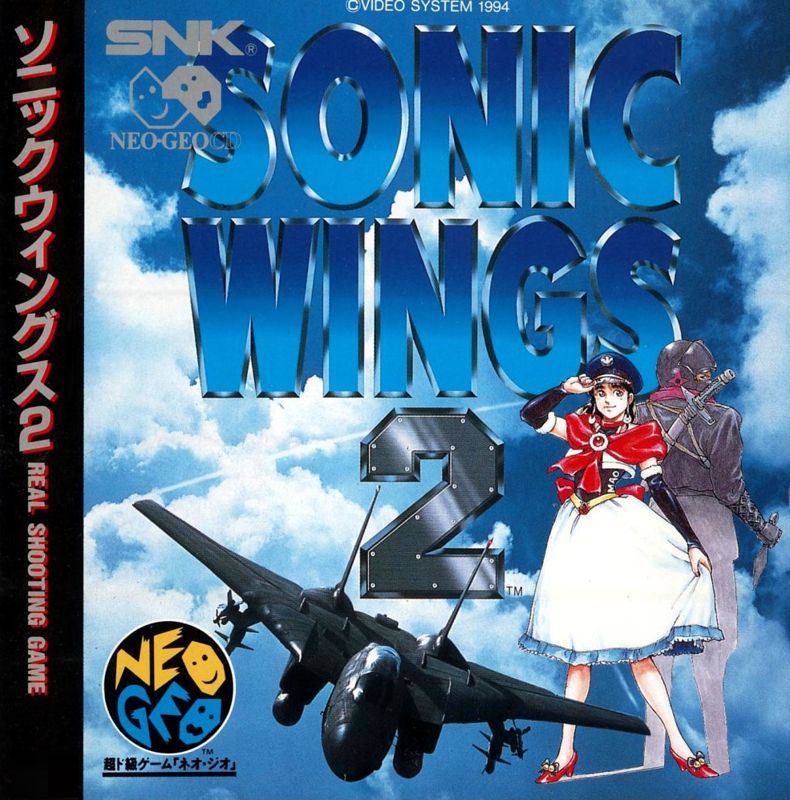
Aero Fighters 2 (1993/1994) and
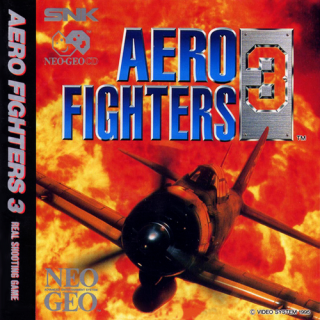
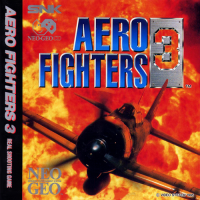
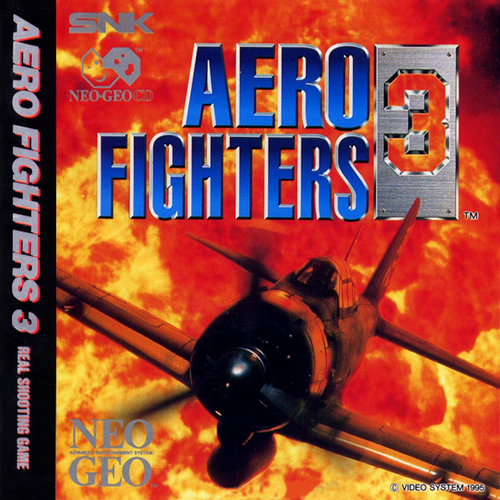
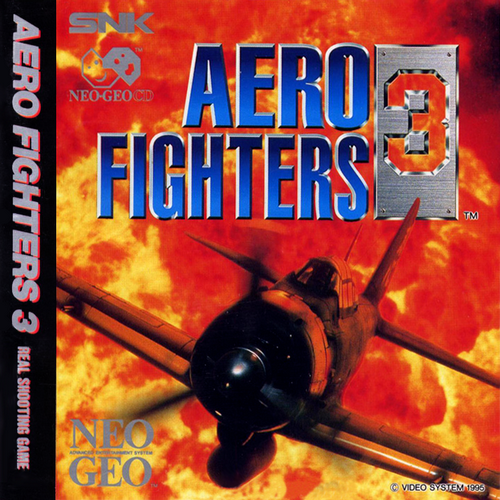
Aero Fighters 3 (1993), which utilized SNK's Neo Geo hardware to deliver fast-paced, vertically scrolling cooperative gameplay featuring quirky characters and real-world military aircraft. Following the release of these titles, several key designers departed the studio to found Psikyo, a prominent developer that carried forward the design philosophy established in the
Aero Fighters franchise, while the remaining team transitioned toward 3D racing simulations.