In beat 'em ups like Final Fight (1991) and Final Fight Guy (1994), the Banana is a food item found in breakable containers that restores player health. It also serves as a collectible or recovery item in various other titles, including Rocky Rodent (1993), Sparkster (1994), Pocket Fighter (1998), Tweety's High-Flying Adventure (2000), Tarzan: Freeride (2000), and Mr. Moskeeto (2000).
In Capcom's
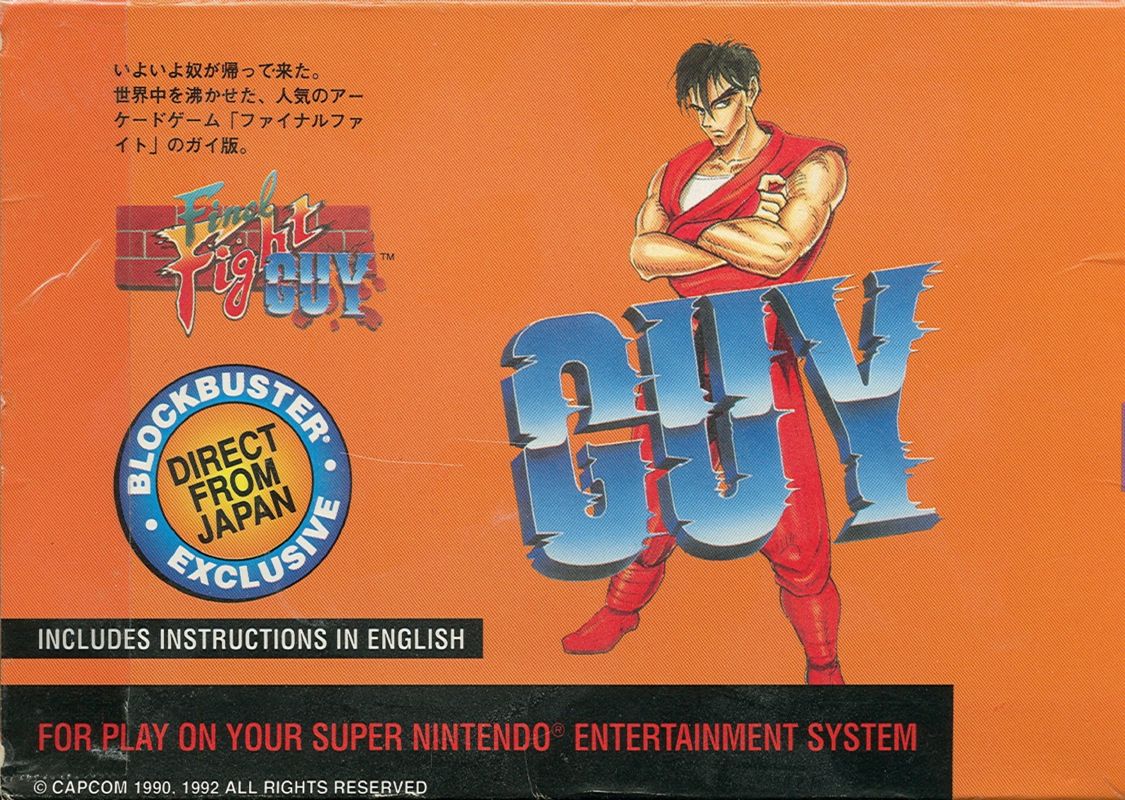
Final Fight (1991), food items like the banana are hidden inside destructible objects such as trash cans, barrels, and crates scattered across Metro City. Consuming the item provides a minor health boost of 16 points, offering a quick recovery option during intense street brawls. This healing mechanic carried over directly to the Super Nintendo Entertainment System update
Final Fight Guy [Blockbuster Exclusive] (1994), where players controlling Guy or Mike Haggar rely on these drops to survive difficult boss encounters.
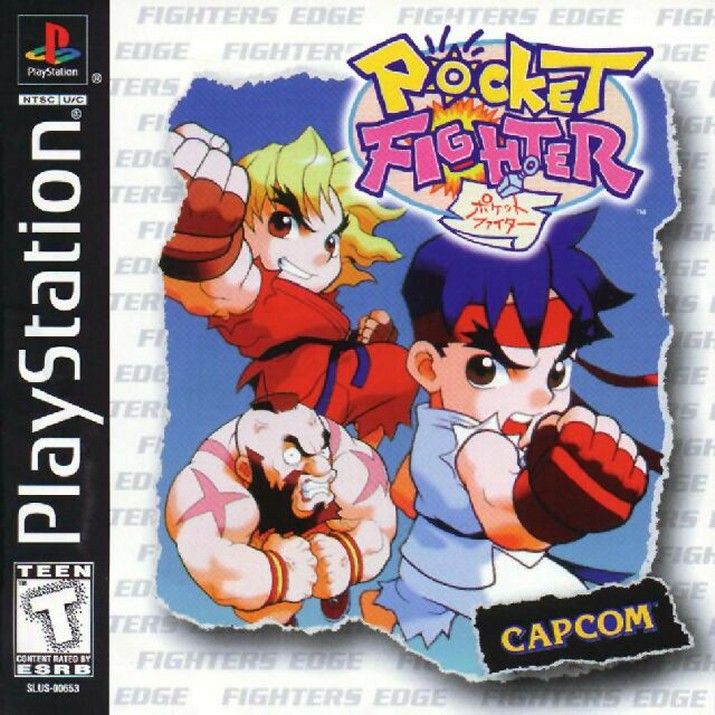
The item's utility evolved across different genres and platforms. In the fighting game
Pocket Fighter (1998), it appears as a temporary food drop during chaotic battles, reflecting Capcom's self-referential design. Meanwhile, in the platformer
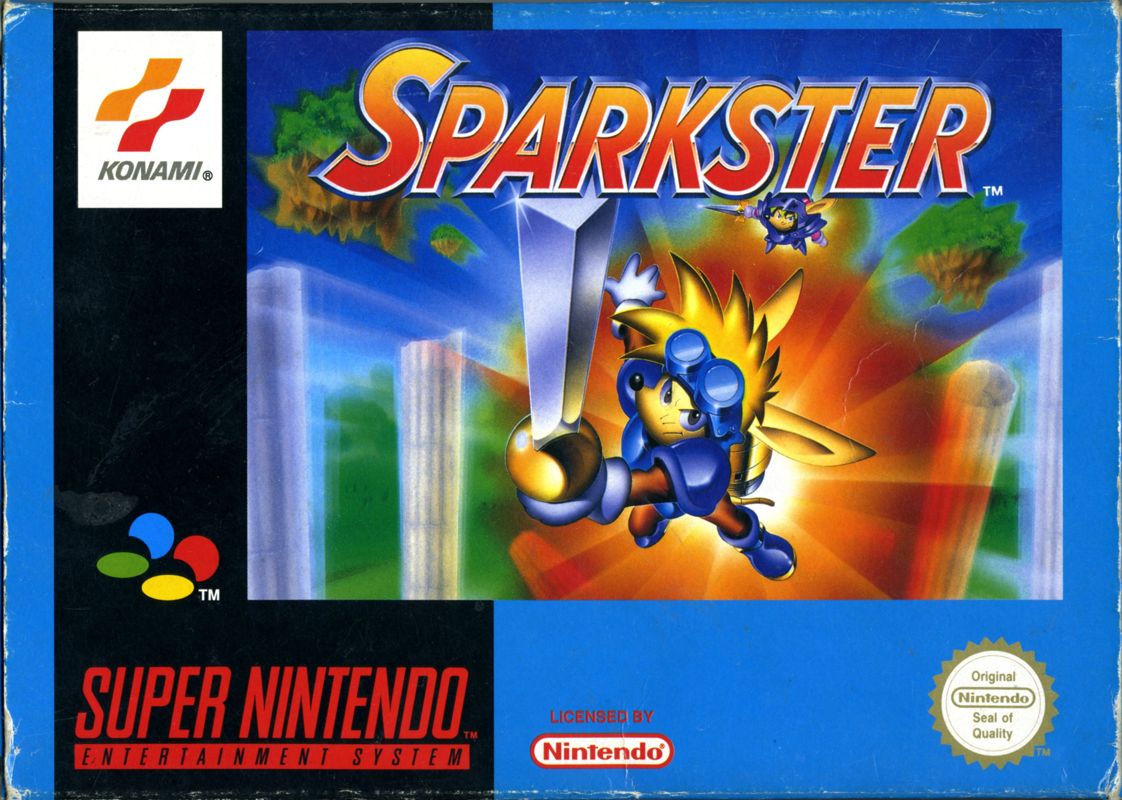
Rocky Rodent (1993), it serves as a point-scoring collectible, and in Konami's
Sparkster (1994), it restores the protagonist's life bar. For 3D titles like
Tarzan: Freeride (2000) and
Tweety's High-Flying Adventure (2000), bananas function as navigational guides and level objectives. In the quirky simulation
Mr. Moskeeto (2000), the item represents a hidden environmental detail within the Yamada household that players can interact with while avoiding detection.
 (En,Fr,De,Es,It).png)
_1.jpg)
_1.png)

 (Proto).png)







 (Proto).png)
_1.png)

_1.jpg)
 (En,Fr,De,Es,It).png)


