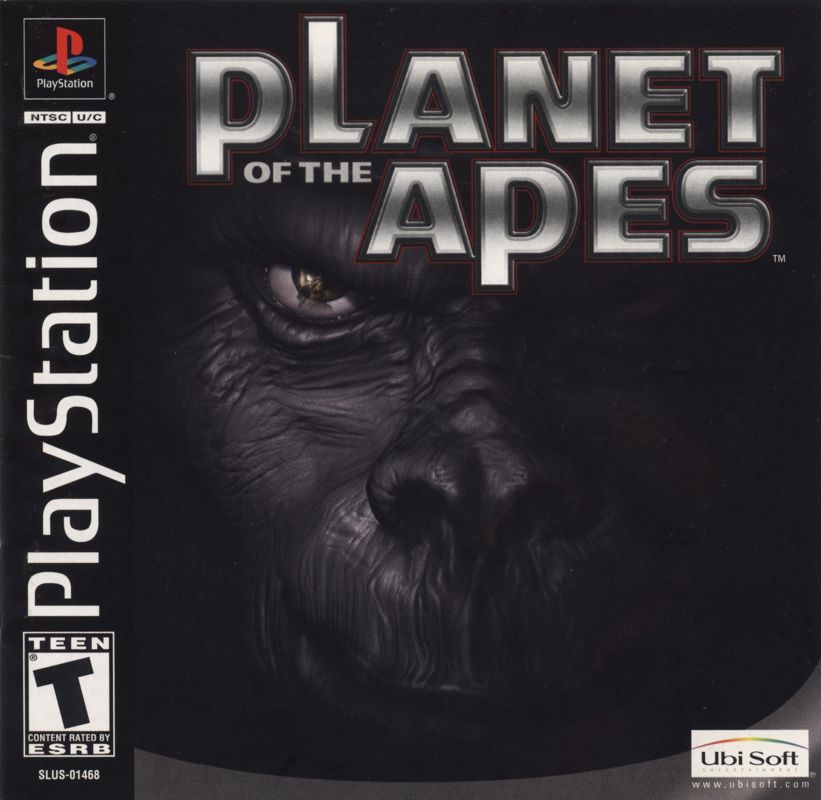
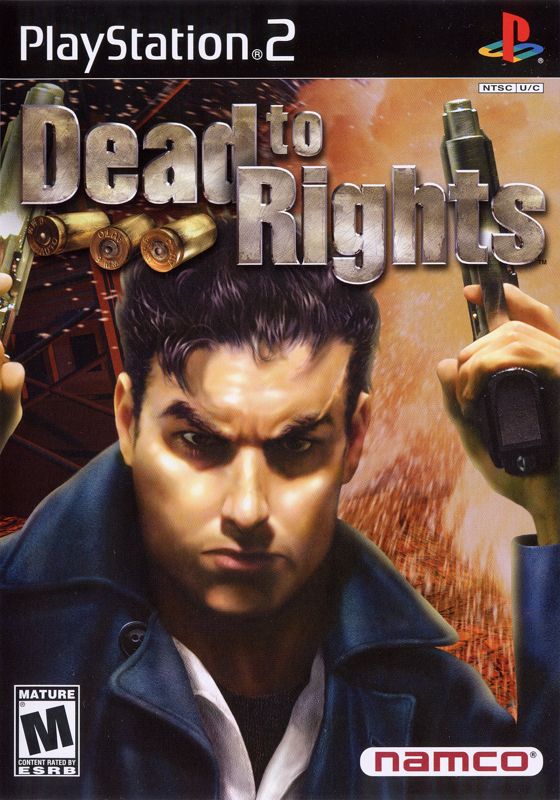
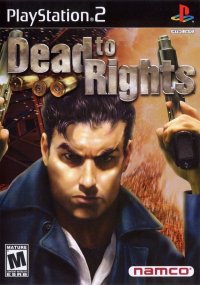
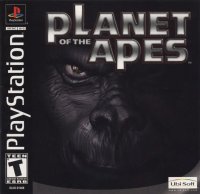
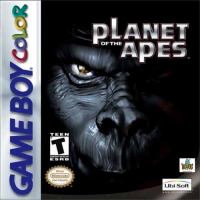
In Star Wars: Episode I – The Phantom Menace, Health Packs are vital for keeping Obi-Wan, Qui-Gon, and other playable characters alive. They serve a similar survival function in action-heavy titles like Dead to Rights, Evil Dead: A Fistful of Boomstick, and the Planet of the Apes games. In Unreal Tournament, these items are scattered across arenas to provide instant health recovery during fast-paced multiplayer matches.
During the late 1990s and early 2000s, the health pack served as a foundational mechanic for balancing difficulty in action-adventure and shooter titles. In
Star Wars: Episode I – The Phantom Menace (1999), these items are frequently concealed within breakable containers or tucked into secret alcoves, rewarding thorough environmental exploration. Similarly, the high-intensity combat of
Dead to Rights (2000) and
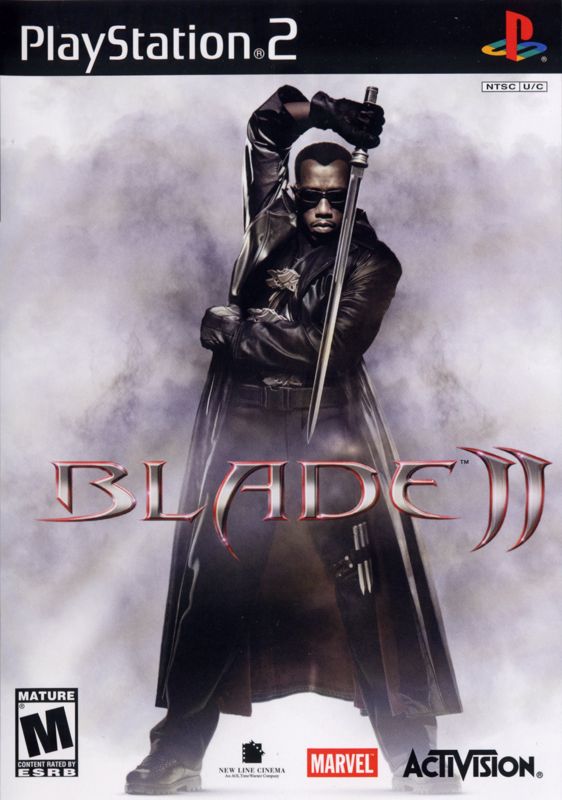
Blade II (2000) utilizes health packs to offset aggressive enemy AI, often placing them near major boss arenas or dropping them directly from defeated foes to sustain momentum.
For licensed adaptations like
Evil Dead: A Fistful Of Boomstick [Special Movie Edition] (2000),
Planet of the Apes (2001), and
Planet of the Apes (2002), health packs act as crucial checkpoints during linear level progression, mitigating the threat of permanent failure. In
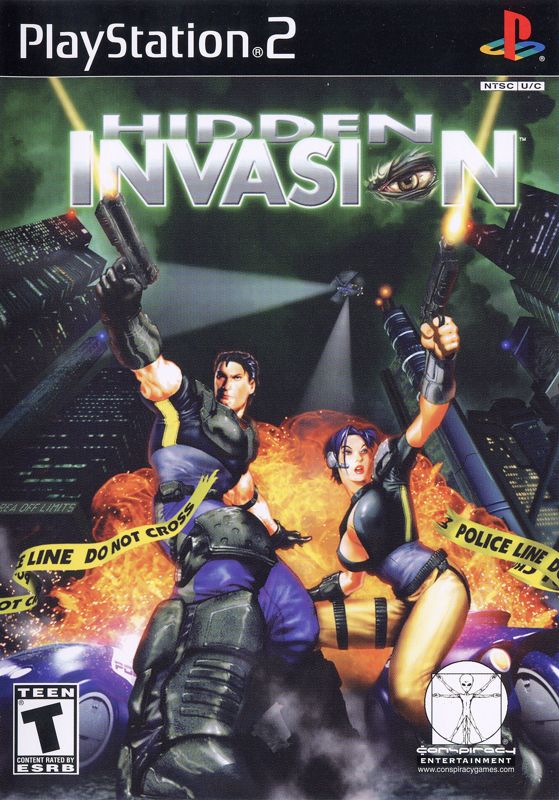
Hidden Invasion (2000) and the promotional
Unreal Tournament [Not For Resale] (2000) release, the strategic placement of these pickups dictates player movement patterns, forcing players to balance offensive pushes with defensive retreats to secure healing. This era of game design relied heavily on these static, collectible resources before the industry largely transitioned toward regenerating health systems.
 (En,Fr,Es).png)
 (En,Fr,De,Es,It).png)
.png)

 (En,Fr,De,Es,It).png)


 (En,Fr,Es).png)

 (En,Fr,De,Es,It,Nl).png)



.png)

 (En,Fr,De,Es,It,Nl).png)