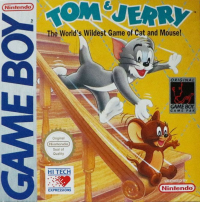
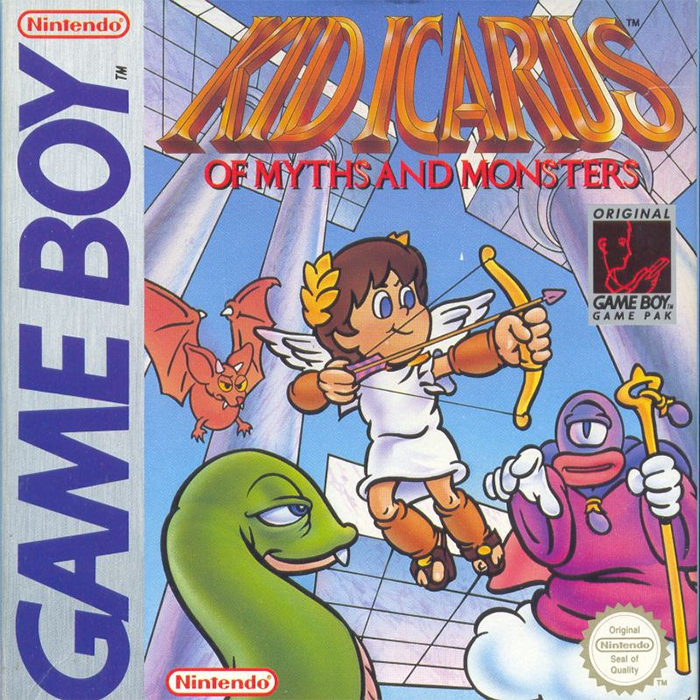
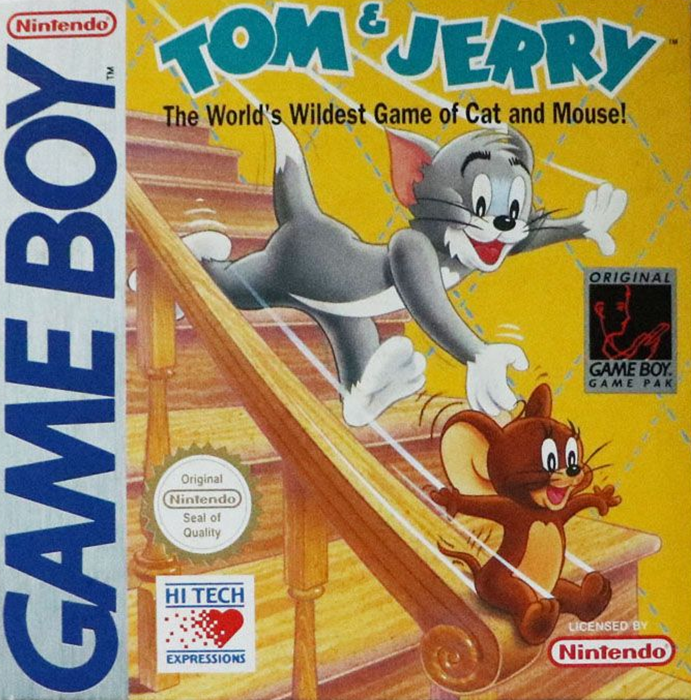
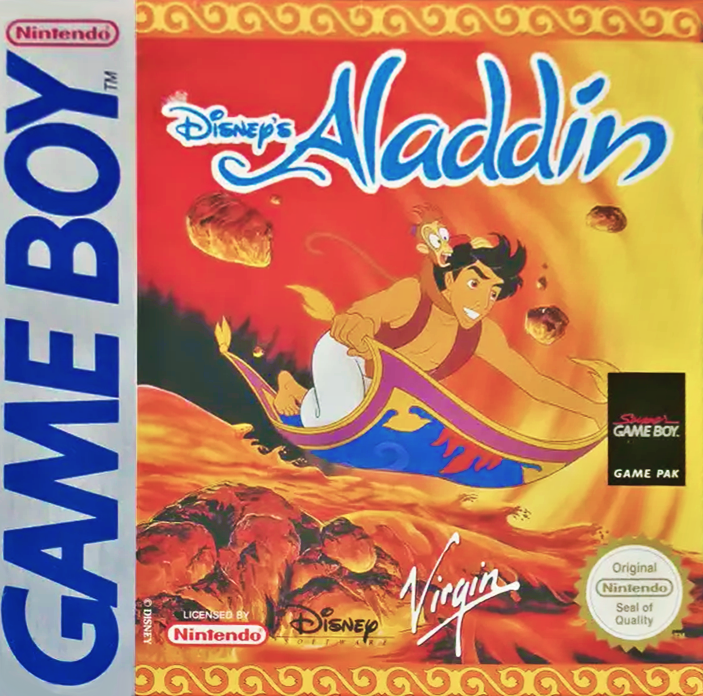
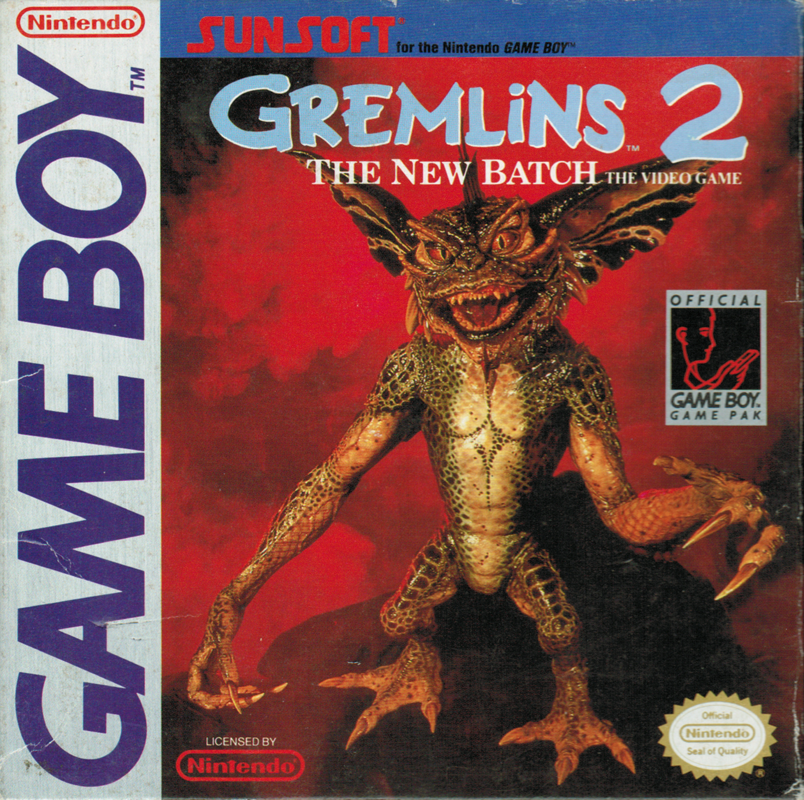
In retro titles like Kid Icarus: Of Myths and Monsters, Hearts serve as a vital in-game currency collected from defeated enemies to purchase upgrades. In other platformers of the era, such as Tom & Jerry (1992), Gremlins 2 (1992), and Aladdin (1994), Hearts typically function as collectible items that restore the player character's health or life bar.
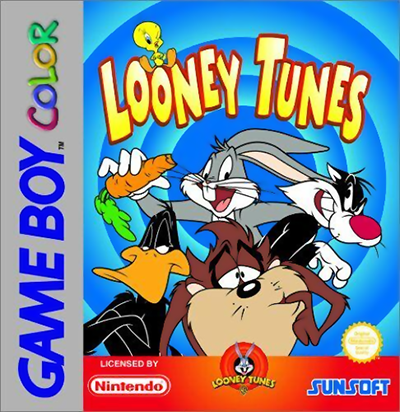
Within the Kid Icarus, Lego Star Wars, and Looney Tunes franchises, the implementation of these items evolved across various 8-bit and 16-bit platforms. In
Addams Family Pugsley's Scavenger Hunt (1993) and
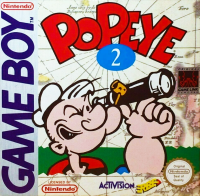
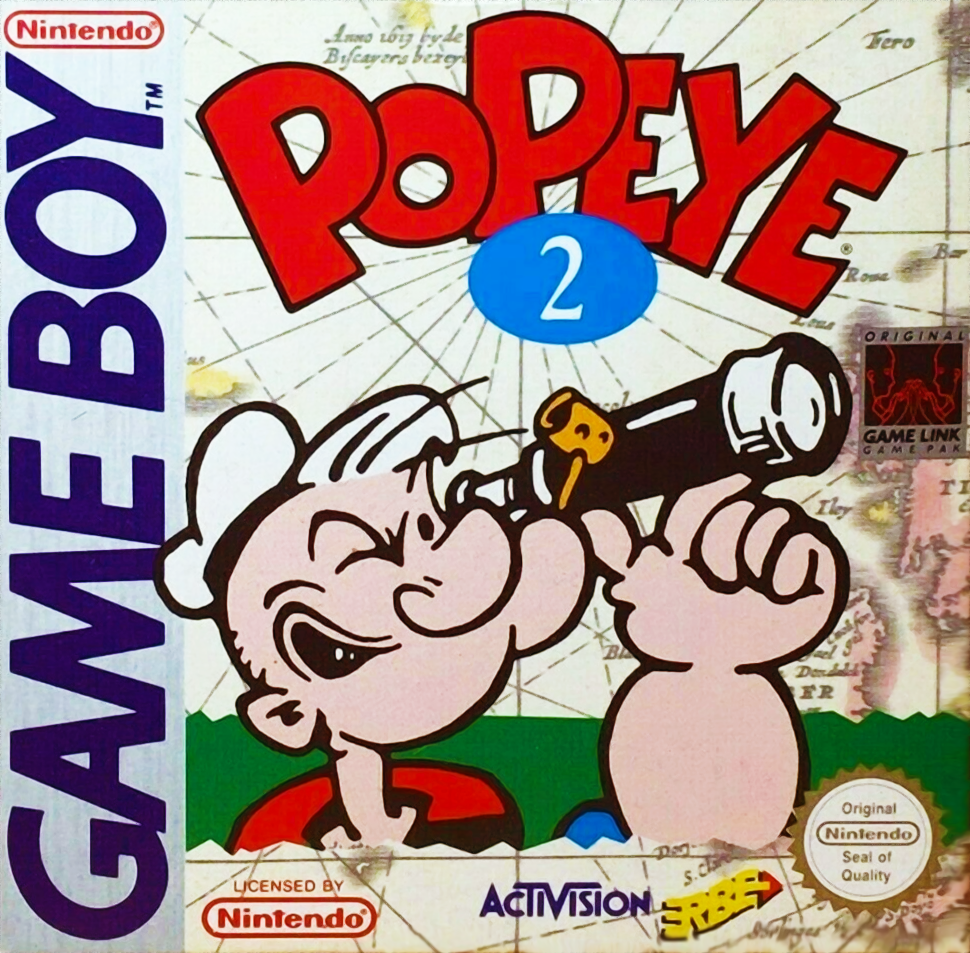
Popeye 2 (1994), players navigate hazardous environments where securing these items is essential for enduring enemy encounters. Similarly,
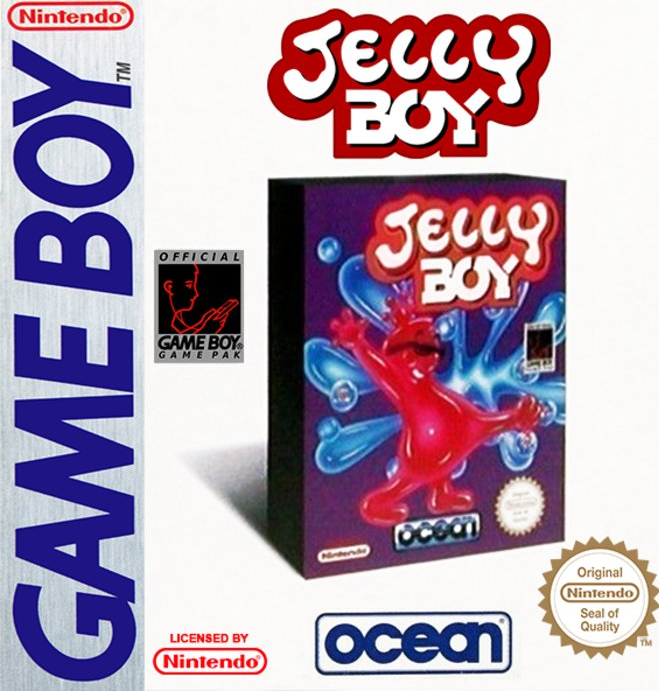
Jelly Boy (1994) and
Snow White in Happily Ever After (1994) utilize them to sustain the player through complex level designs.
The legacy of these items extends into cooperative and action-adventure gameplay within these broader intellectual properties. While early handheld and console titles established the basic mechanics of collection, later entries under the Lego Star Wars and Looney Tunes banners adapted the concept to fit multiplayer dynamics, often using them to gauge player performance or facilitate immediate respawns. This transition from simple survival mechanics to a broader gameplay metric reflects the shifting design philosophies of 1990s platformers and their modern franchise successors.
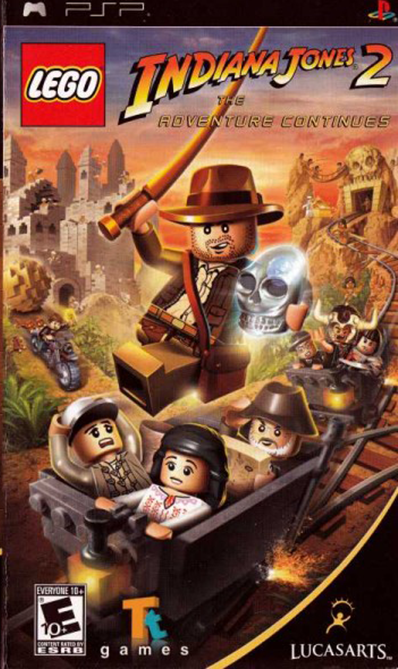
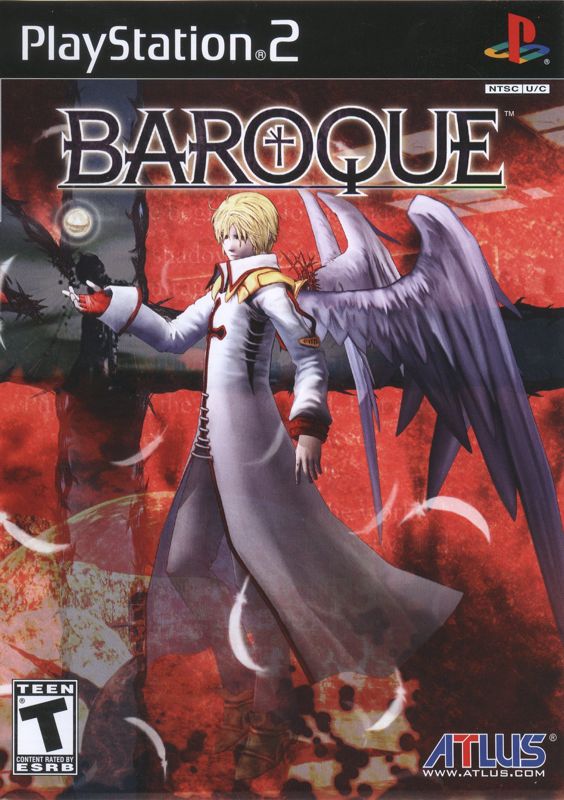
.png)
.png)
.png)
 (En,Fr,De).png)
.png)
.png)
_1.jpg)
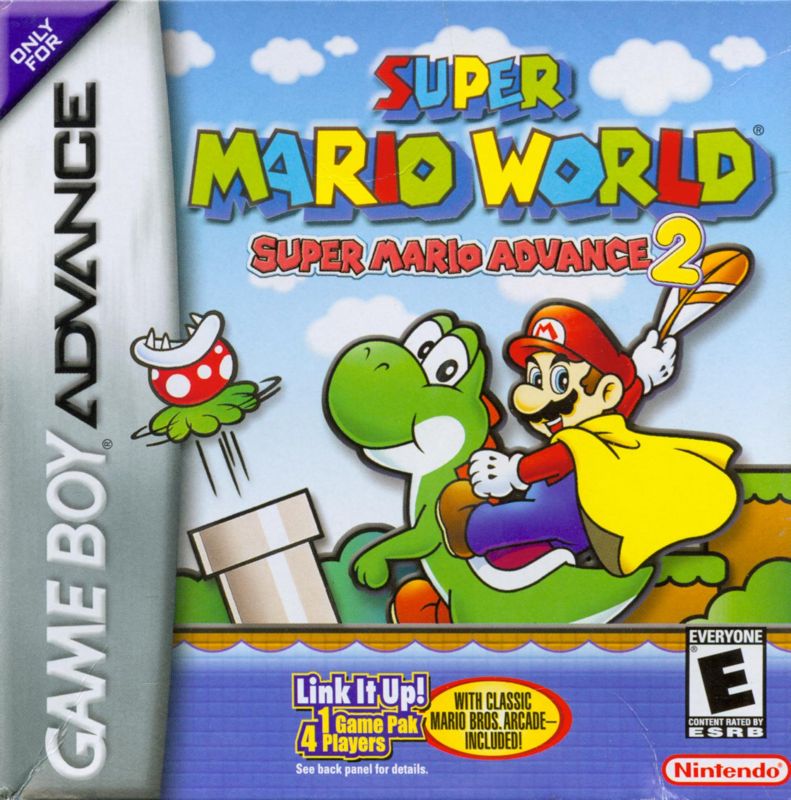
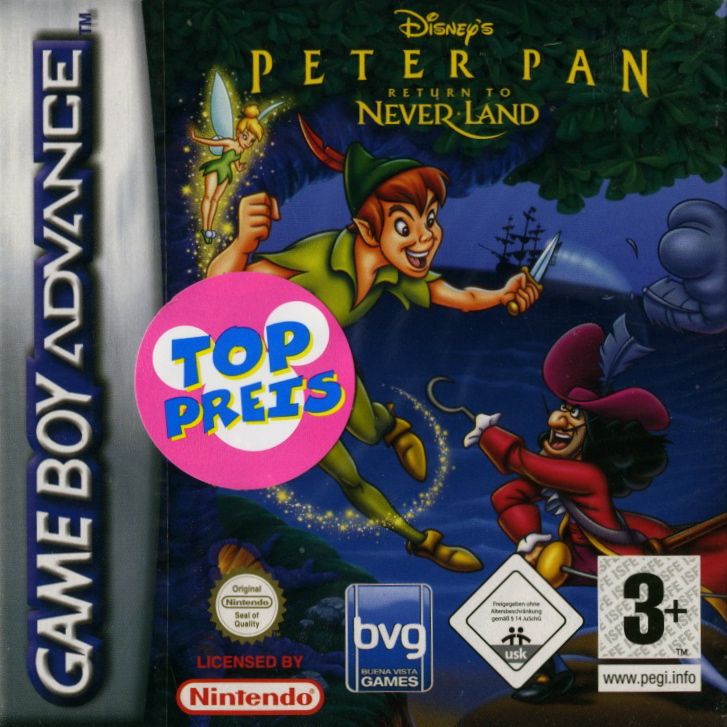
 (En,Fr,De,Es,It,Nl).png)
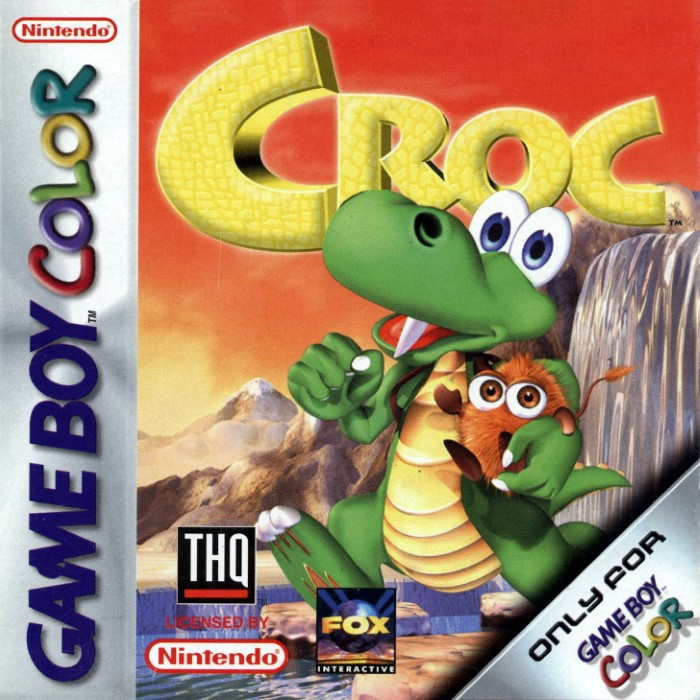


.png)


.png)
.png)

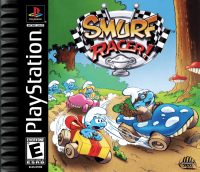

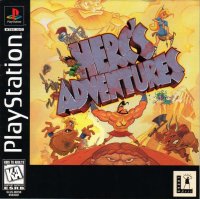


.png)
.png)
.png)

 (En,Fr,De,Es).png)
.png)
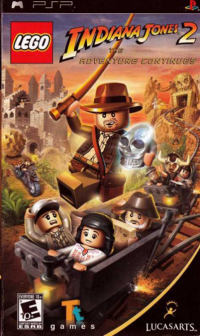

.png)
 (En,Fr,De).png)
_1.jpg)


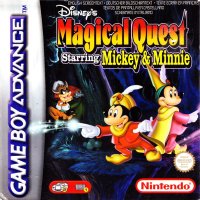
 (En,Fr,De,Es,It,Nl).png)


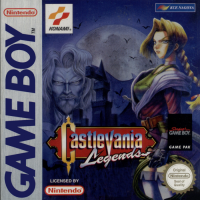

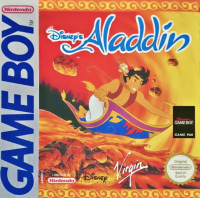
.png)
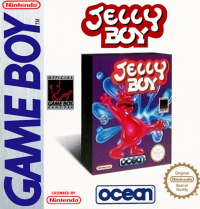


.png)
.png)
.png)
 (En,Fr,De,Es).png)
.png)