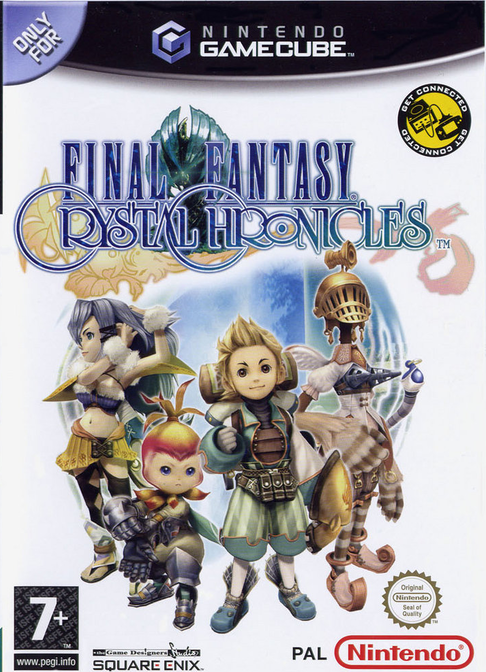
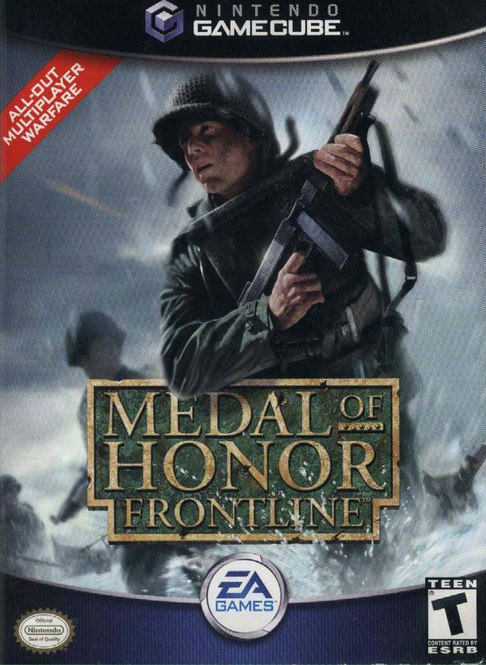
In Final Fantasy Crystal Chronicles, items include essential artifacts, materials, and consumables used to survive the miasma. In Bomberman Quest, items consist of various bomb types and gear that grant Bomberman new abilities to explore the land. Other titles like Akuji the Heartless, Orphen: Scion of Sorcery, and Medal of Honor: Frontline feature items as crucial health restoratives, weapons, and quest-related objects.
During the late 1990s and early 2000s, the evolution of inventory systems across these diverse releases shaped how players interacted with virtual environments. In
Monsterseed, items function primarily as hatchable monster eggs and tactical battle cards, dictating the player's summoning capabilities.
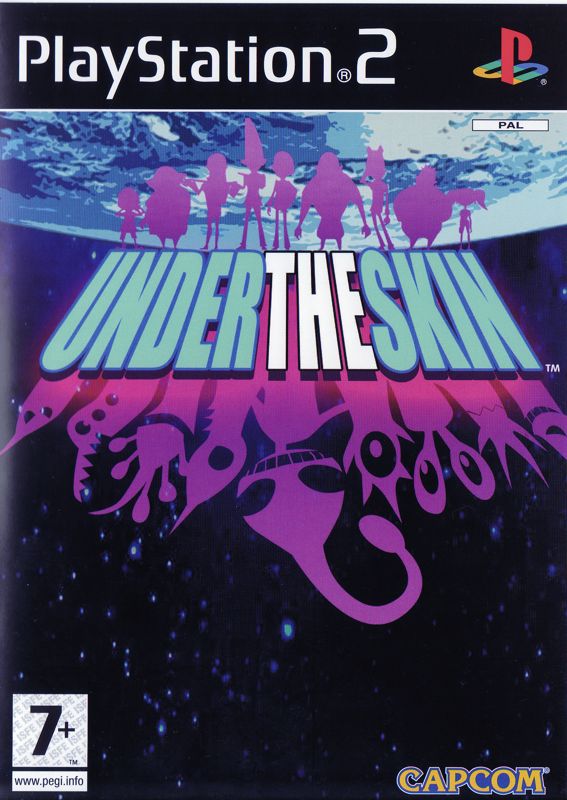
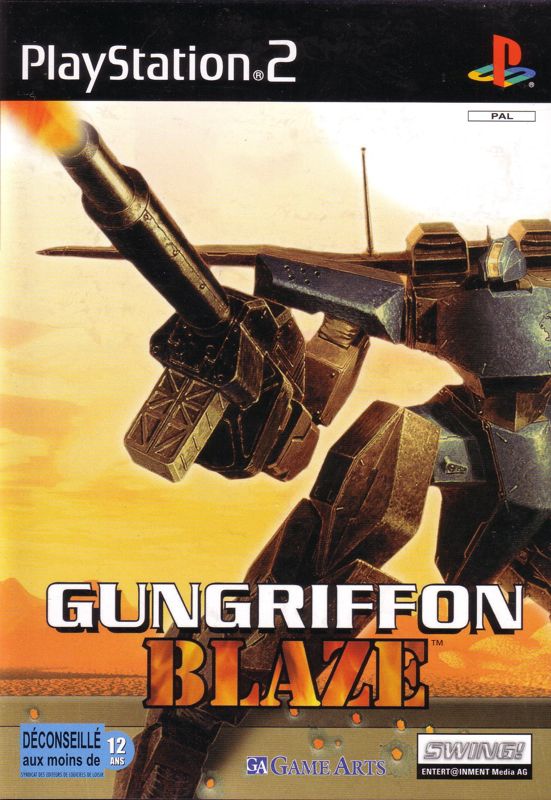
Gungriffon Blaze utilizes tactical battlefield pickups, such as ammunition refills and armor repairs, which are vital for maintaining mech combat efficiency under strict time limits. Capcom's sci-fi comedy title
Under the Skin introduces a unique item mechanic where the alien protagonist uses panic-inducing prank items, such as banana peels and bowling balls, to disrupt human NPCs and gather coins.
The legacy of these item systems culminated in the cooperative multiplayer design of
Final Fantasy Crystal Chronicles, where item management requires real-time coordination, as players must physically carry the chalice while managing inventory slots for pocket items and magic magicite. This era demonstrated a transition from simple menu-based item usage to physics-based, environmental, and highly strategic inventory interactions that defined the sixth generation of console gaming.
_1.png)
_1.png)
.png)
.png)
.png)
_1.jpg)
.png)


.png)



.png)





_1.png)
.png)
.png)

.png)

_1.png)

.png)
_1.jpg)


.png)
.png)