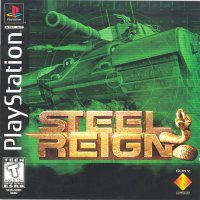
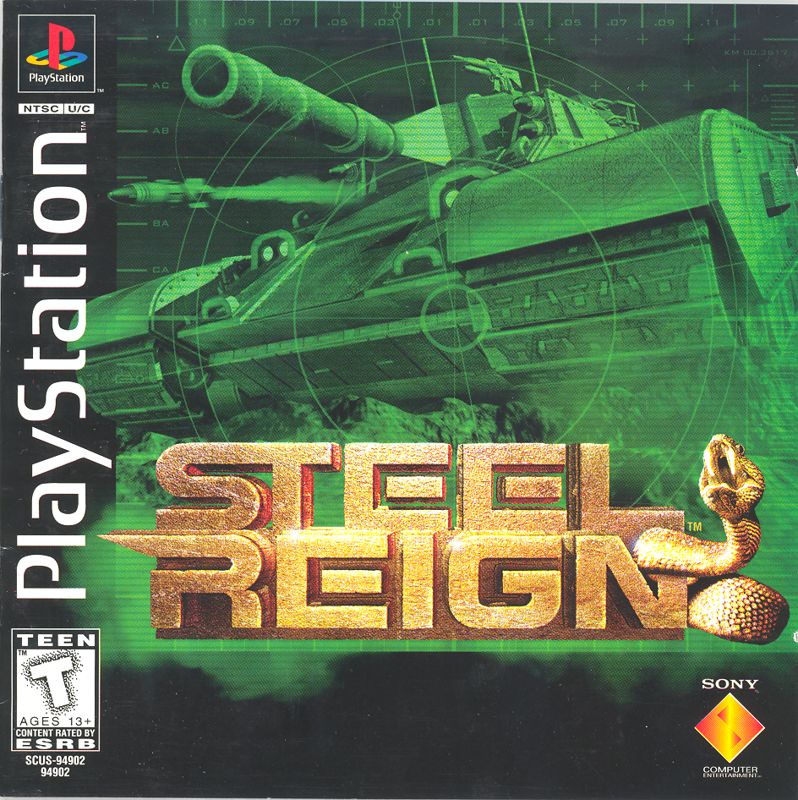
In these retro titles, the Mine serves as a tactical explosive hazard or weapon. It acts as a deployable court hazard in Bill Laimbeer's Combat Basketball, an underwater explosive obstacle in SeaQuest DSV, and a defensive explosive weapon in futuristic combat games like Steel Reign and Robotron X.
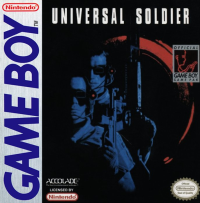
During the transition from 16-bit to 32-bit hardware, the implementation of this item evolved from flat 2D sprites into fully realized 3D polygonal hazards. In the action-platformer
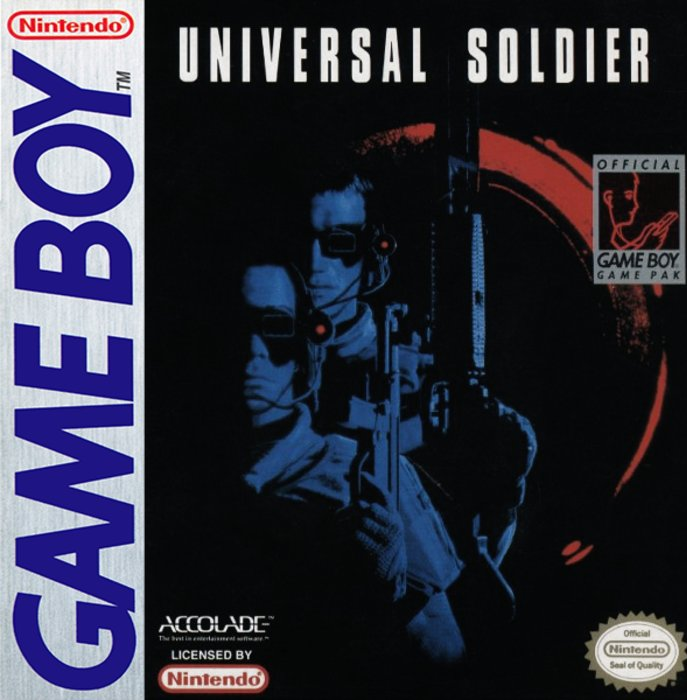
Universal Soldier, players navigate levels where these explosive devices are placed as static ground obstacles requiring precise jumping or destruction. The 1994 demo CD for the action-adventure
O.D.T. introduced players to early three-dimensional iterations of these traps, which became central to the game's atmospheric tension.
Tactical deployment became more sophisticated in
Space Hulk Vengeance of the Blood Angels, where players utilize them to seal off narrow corridors and manage enemy movement within the
Warhammer 40,000 universe. Similarly, the side-scrolling platformer
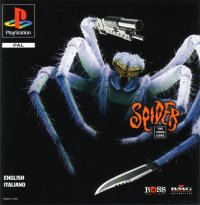
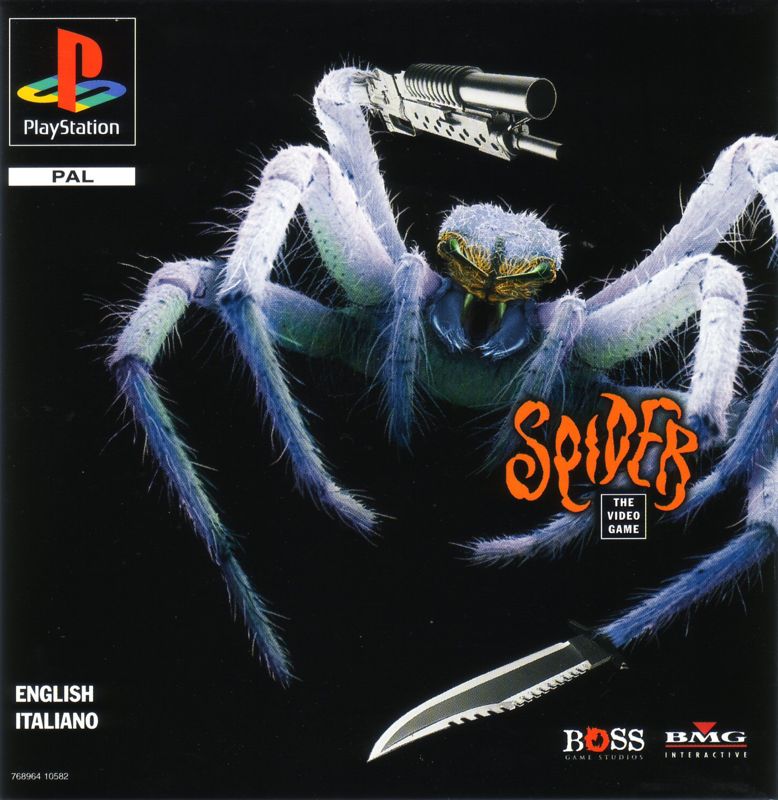
Spider: The Video Game equips its cybernetic arachnid protagonist with micro-mines, allowing players to drop explosive payloads to neutralize pursuing robotic enemies. Across these diverse genres, the item served as a crucial design tool for developers to control player pacing, enforce spatial awareness, and expand tactical combat options beyond direct projectile weapons.
 (En,Fr,De,Es,It,Nl).png)
.png)
.png)
.png)
 (En,Fr,De,Es,It).png)
.png)
.png)
.png)
.png)
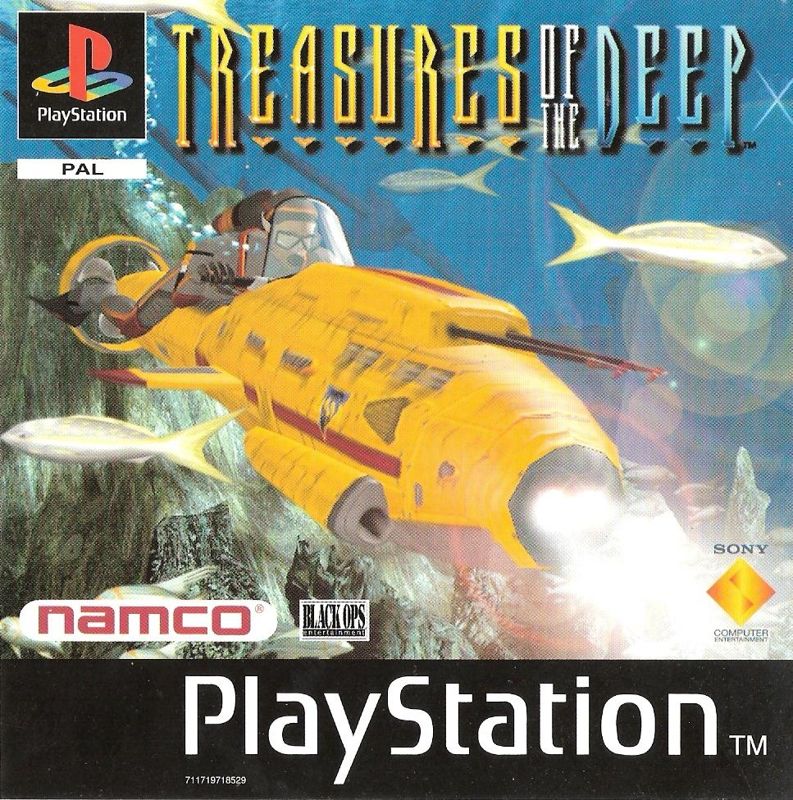


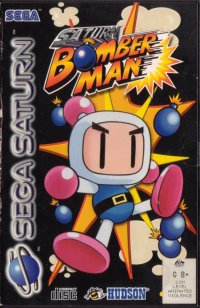




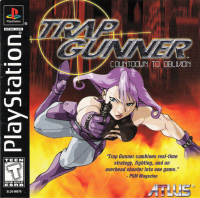
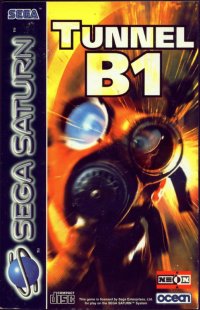
.png)
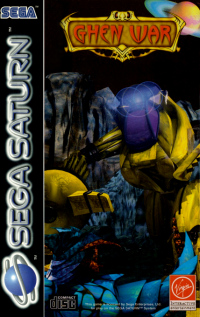


.png)

.png)

.png)
.png)
.png)
.png)
.png)
 (En,Fr,De,Es,It,Nl).png)
.png)
.png)
.png)

 (En,Fr,De,Es,It).png)

.png)
.png)
.png)
.png)