Control Video Corporation (CVC) was an early online game pioneer that operated the GameLine service, allowing Atari 2600 users to download games over telephone lines. The company's infrastructure and technology eventually evolved into Quantum Computer Services, which was later rebranded as America Online (AOL). Its association with titles like Save The Whales, Snowball, The Worm In Paradise, and Scapeghost stems from digital distribution, archival releases, or prototype availability linked to its historical services.
The operational model of the company directly influenced the lifecycle of
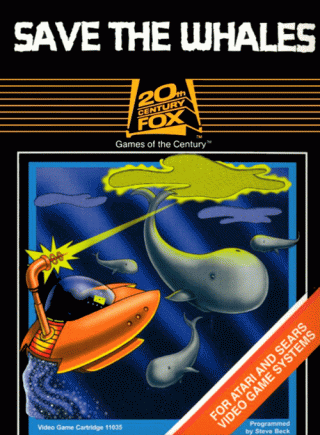
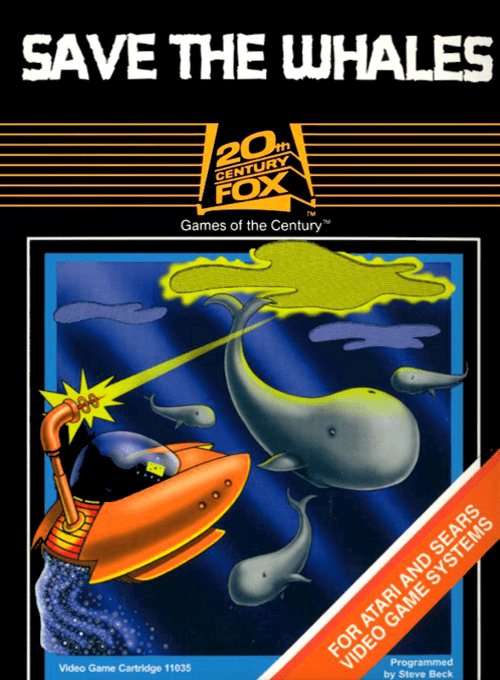
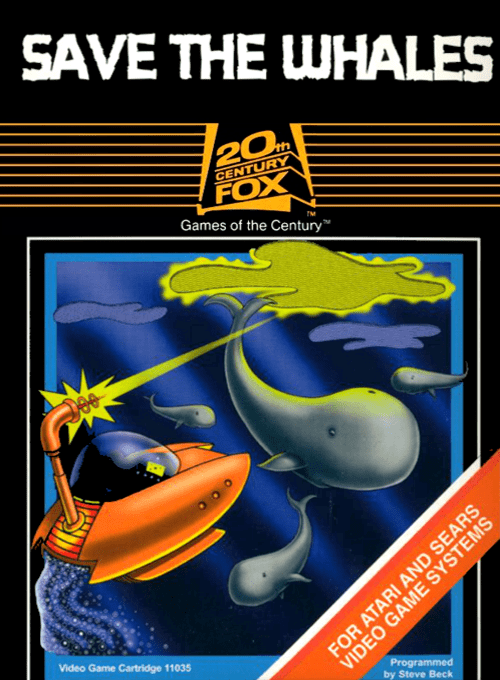
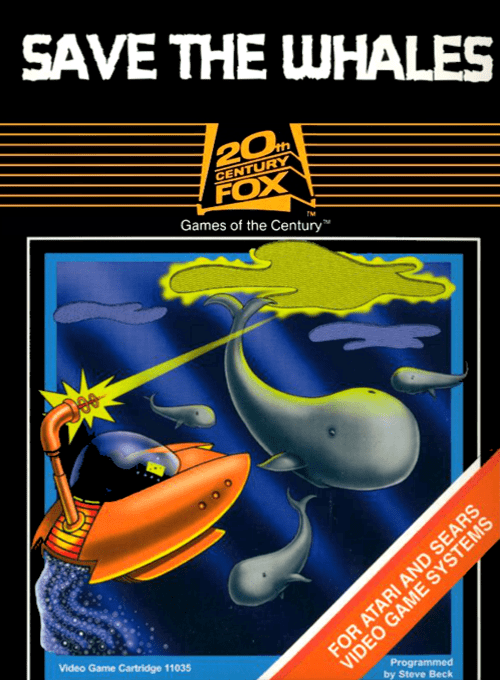
Save The Whales, a prototype developed in 1984 but officially released in 2002. Originally designed to leverage the company's telephone-based delivery system, this title remained unreleased for decades after the initial hardware platform faded, serving as a key historical artifact of early downloadable console software.
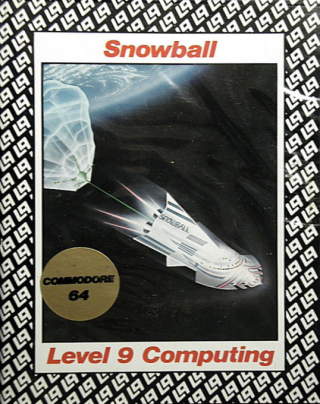
In the realm of interactive fiction, the infrastructure paved the way for the digital availability of complex text adventures. Titles such as
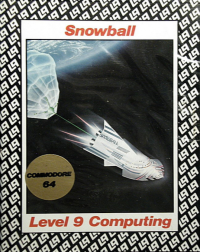
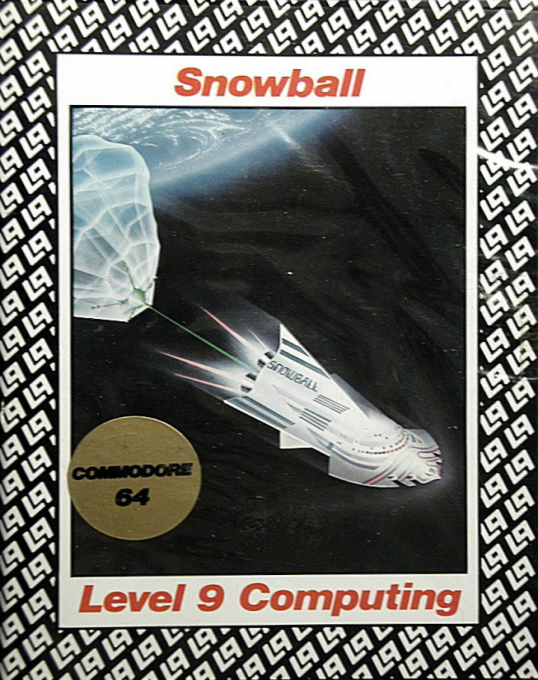
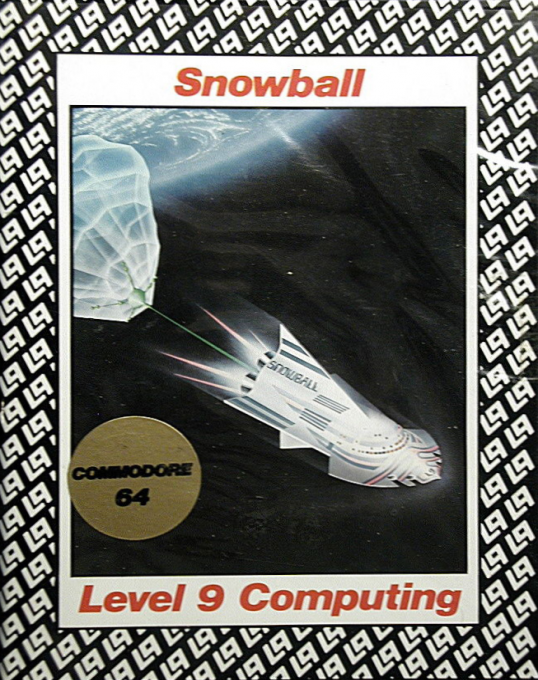
Snowball (1983) and its sequel
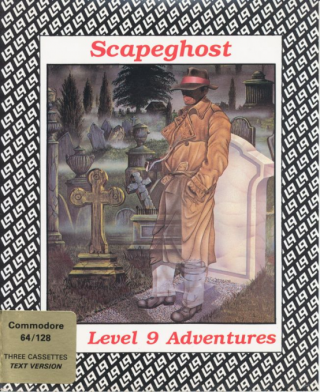
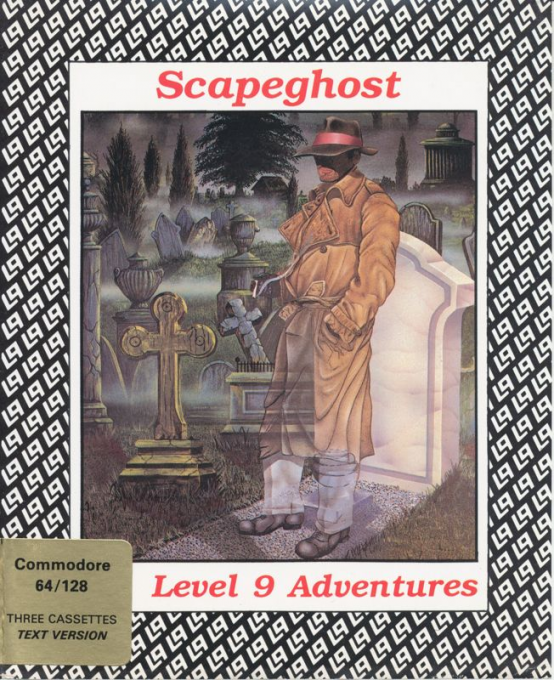
The Worm In Paradise (1985) utilized these early networking capabilities to reach players without the need for physical floppy disks or cassette tapes. This distribution method also extended to later narrative works like
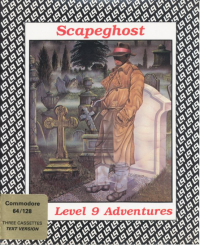
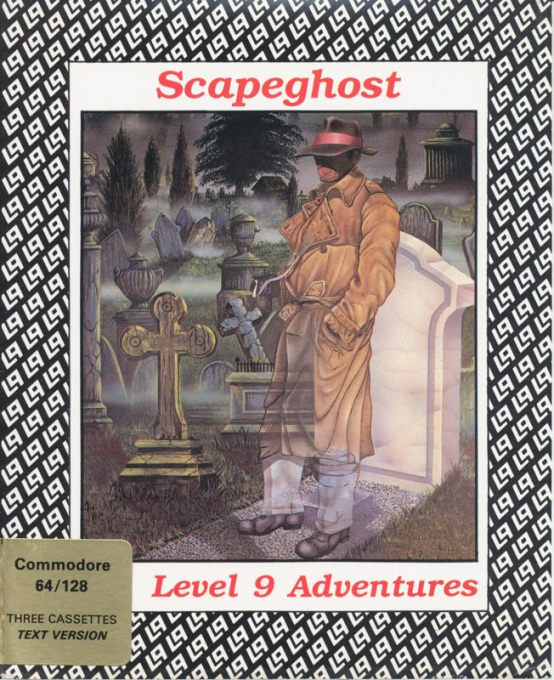
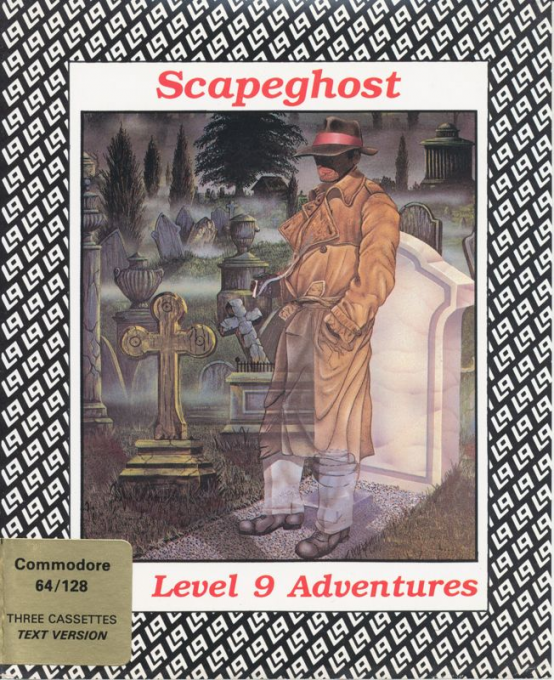
Scapeghost (1989). By hosting these bandwidth-efficient text games, the corporation demonstrated how dial-up networks could sustain niche genres. Today, these four games stand as landmark examples of how early telecommunications altered game preservation, transitioning from lost prototypes to digitally archived classics.