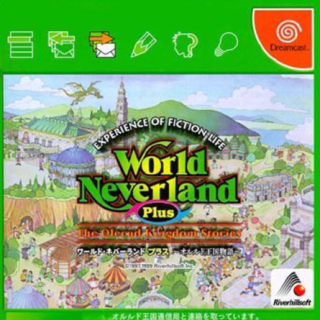
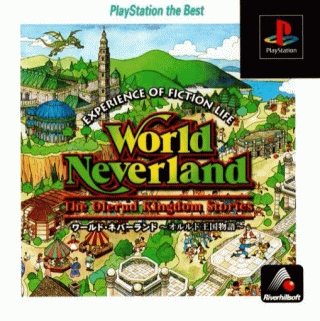
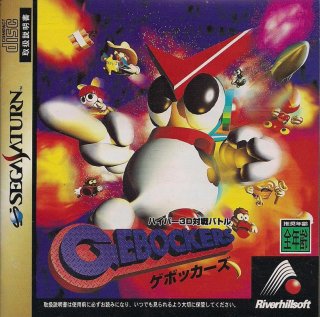
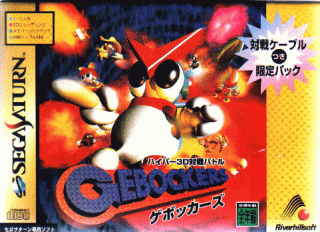
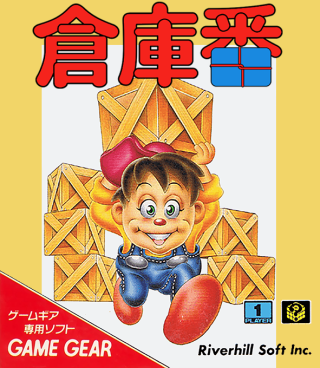
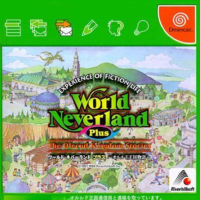
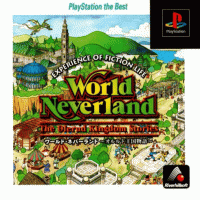
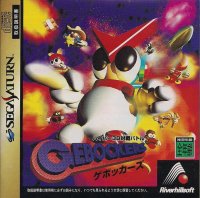
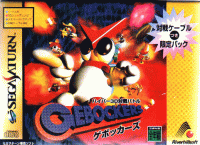
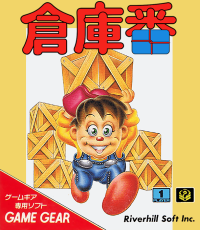
Riverhillsoft was a Japanese video game company known for publishing and developing a diverse range of titles. Their portfolio includes the puzzle game Soukoban, the Game Gear sports title Buster Ball, the Virtual Boy release Hyper 3D Taisen Battle: Gebockers, and the localized SNES release of Faceball 2000. They also published the simulation game Sotsugyou II Neo Generation, the interactive movie Blue Chicago Blues, and the life simulation World Neverland.
Established in Fukuoka during the early 1980s microcomputer boom, the developer transitioned from personal computer software to the console market by adapting and creating unique genre pieces. The company demonstrated its versatility by porting the classic warehouse puzzle game
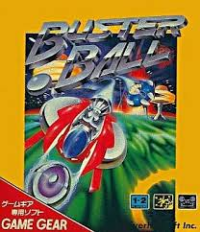
Soukoban to the Game Boy in 1990, followed by the futuristic sports title
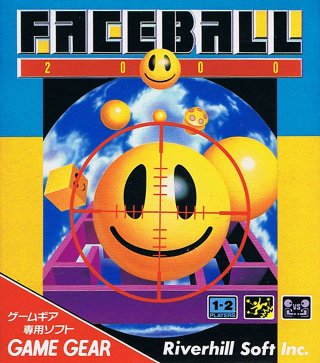
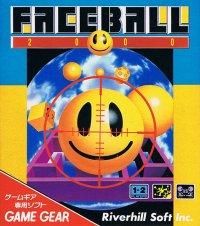
Buster Ball for the Game Gear in 1992. They also embraced early 3D technology, handling the Super Nintendo Entertainment System localization of the multiplayer shooter
Faceball 2000 in 1993, and later developing the Virtual Boy arena shooter
Hyper 3D Taisen Battle: Gebockers (also known as
Hyper 3D Taisen Battle) in 1996.
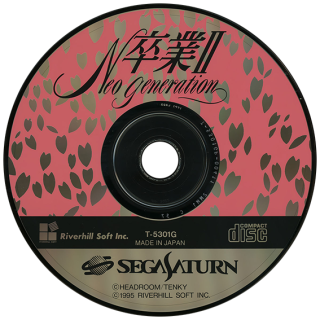
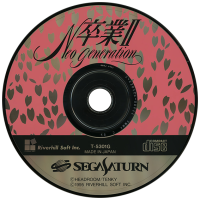
During the mid-1990s CD-ROM transition, the studio focused on narrative and simulation experiences. They published the console versions of the breeding simulation
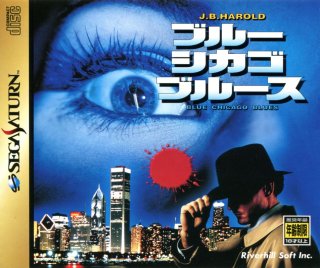
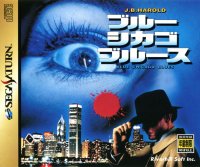
Sotsugyou II Neo Generation in 1995 and pushed interactive cinema boundaries with the multi-platform adventure
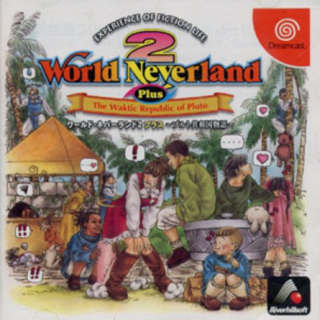
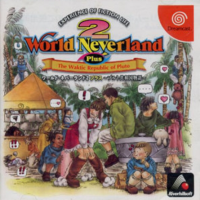
Blue Chicago Blues that same year. Their legacy of open-ended simulation culminated in the 1997 PlayStation release of
World Neverland, which established a long-running franchise centered on virtual community life. The company eventually ceased operations in the early 2000s.
Riverhill Soft Inc.