This video game series adapts the original story arcs of the manga, focusing on Goku's childhood and his battles against the Red Ribbon Army and King Piccolo. Early Famicom releases like Dragon Ball: Shen Long no Nazo (1986), Dai Maou Fukkatsu (1988), and Gokuu Den (1989) established the franchise in gaming through action and card-based RPG formats. The narrative was later revisited in action-oriented titles such as Dragon Ball: Advanced Adventure (2004) and Dragon Ball: Revenge of King Piccolo (2009).
Bandai spearheaded these early adaptations, outsourcing development to studios like TOSE to establish the franchise on home consoles. The international release of
Dragon Ball: Shen Long no Nazo (1986) required extensive graphical alterations, appearing in North America as
Dragon Power with the anime elements removed. Subsequent Famicom entries, including
Dragon Ball: Dai Maou Fukkatsu (1988) and
Dragon Ball 3: Gokuu Den (1989), refined the card-selection movement and combat systems that defined early Japanese anime games. The self-titled
Dragon Ball (1990) further consolidated these mechanics for portable and home markets.
Decades later, developers shifted toward direct genre emulation. Dimps developed
Dragon Ball: Advanced Adventure (2004) for the Game Boy Advance, integrating a one-on-one fighting mode alongside its side-scrolling campaign. Media.Vision later developed
Dragon Ball: Revenge of King Piccolo (2009) for the Wii, utilizing 2.5D graphics, lock-on targeting, and theatrical cutscenes. These releases allowed players to experience the whimsical, martial-arts-focused origins of the property, distinct from the high-power energy battles of later series adaptations.

_1.png)
_1.png)



.png)









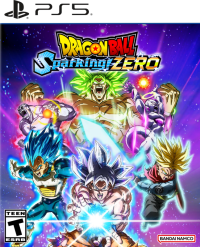

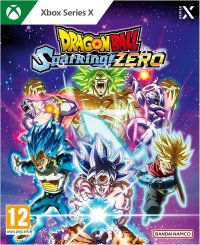

_1.png)


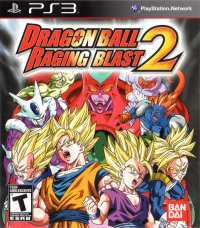





.png)
.png)
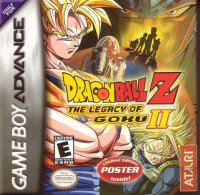
_1.png)
_1.png)


.png)

.png)










 (En,Fr,De,Es,It).png)