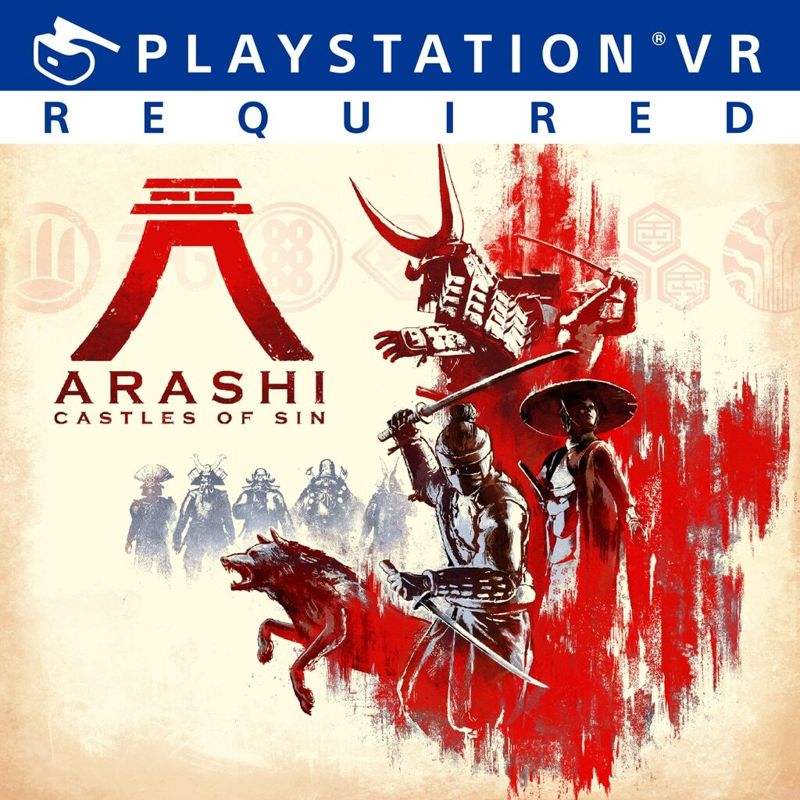
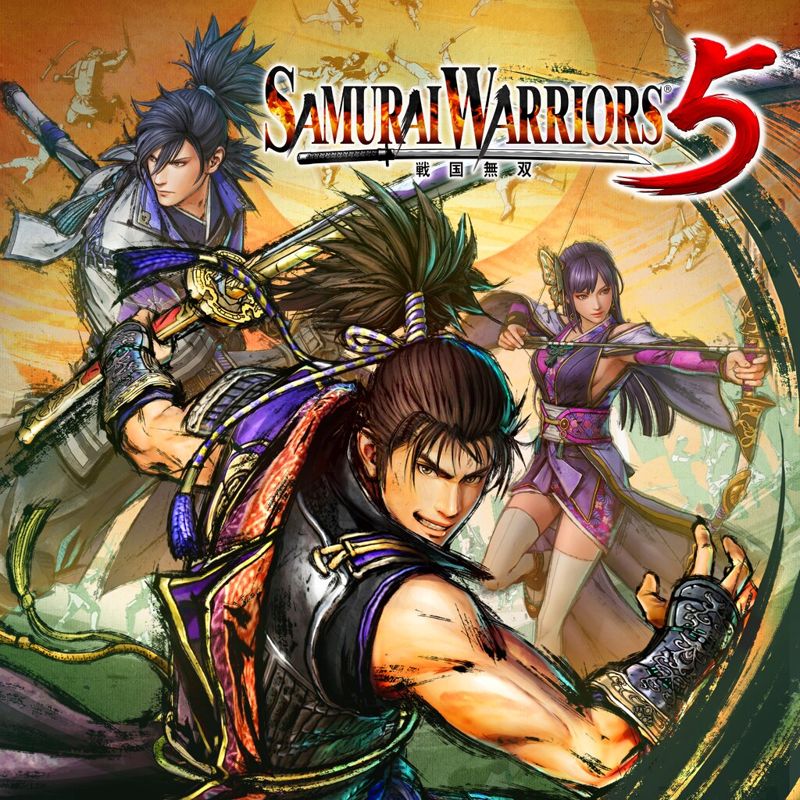
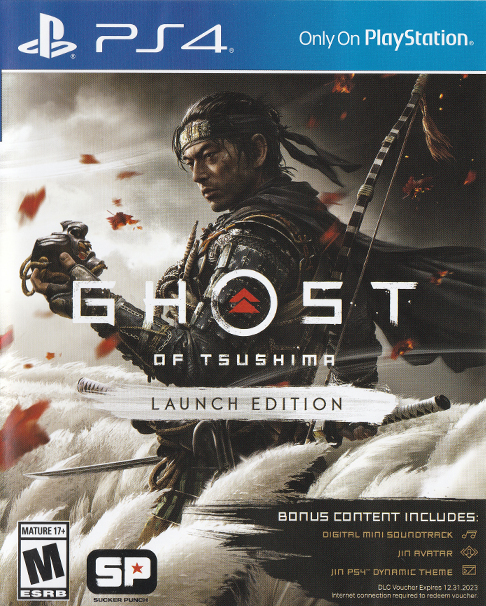
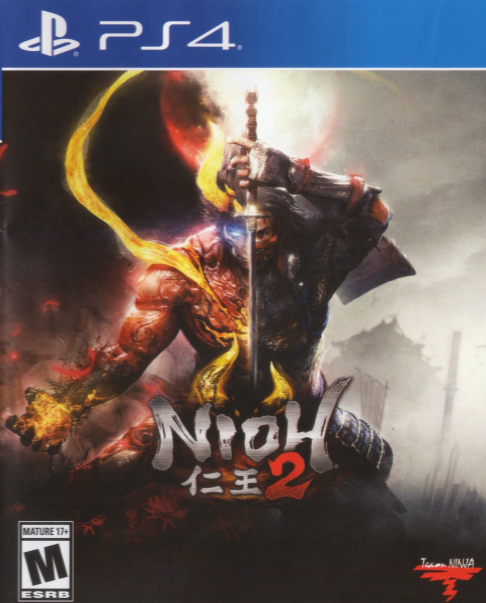
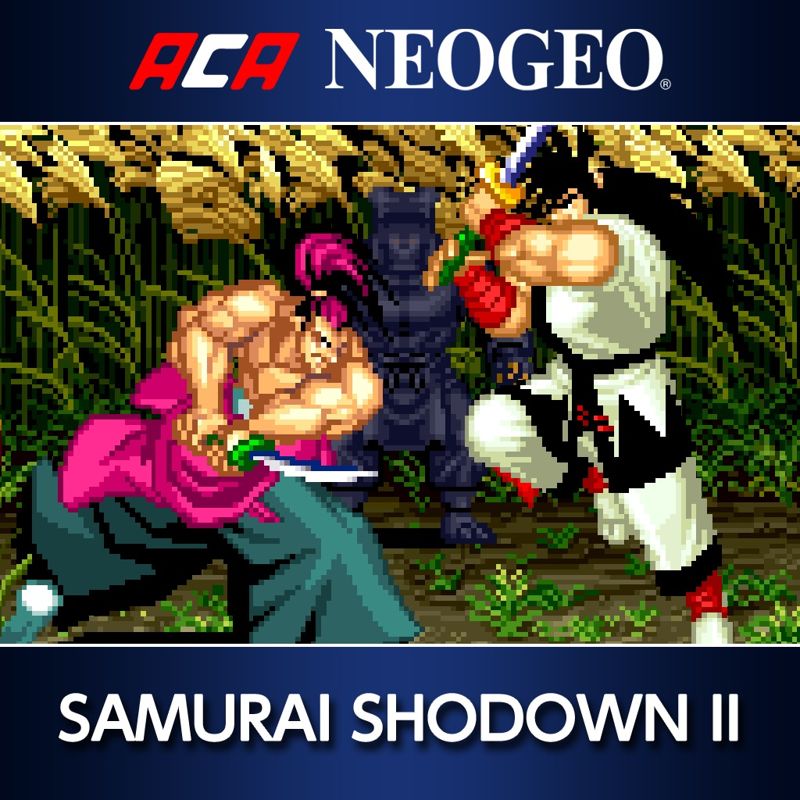
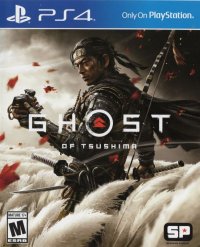
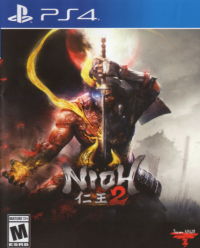
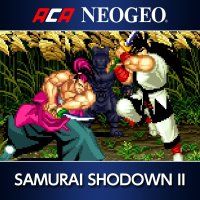
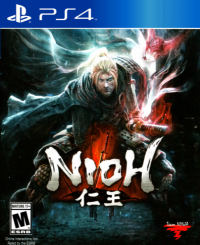
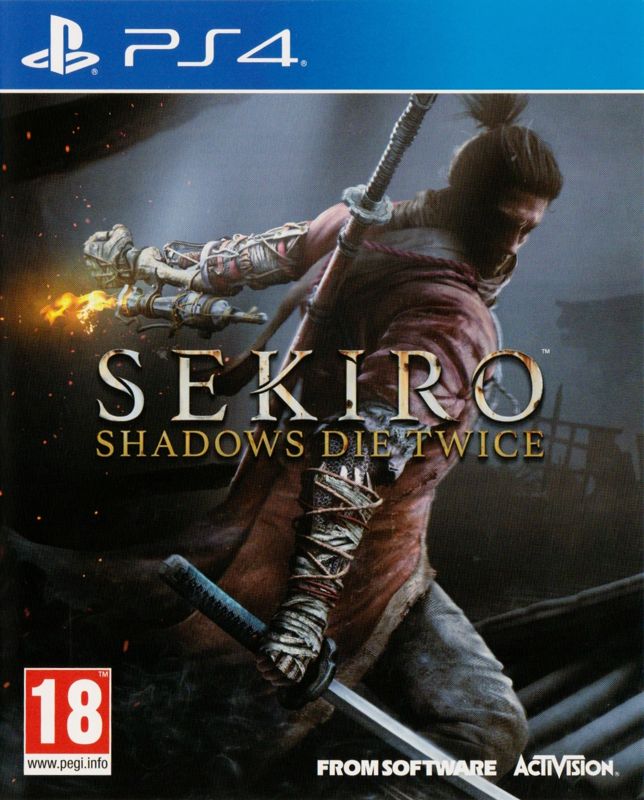
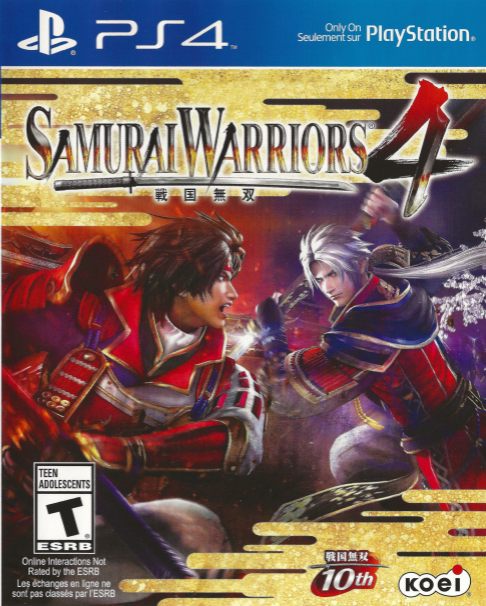
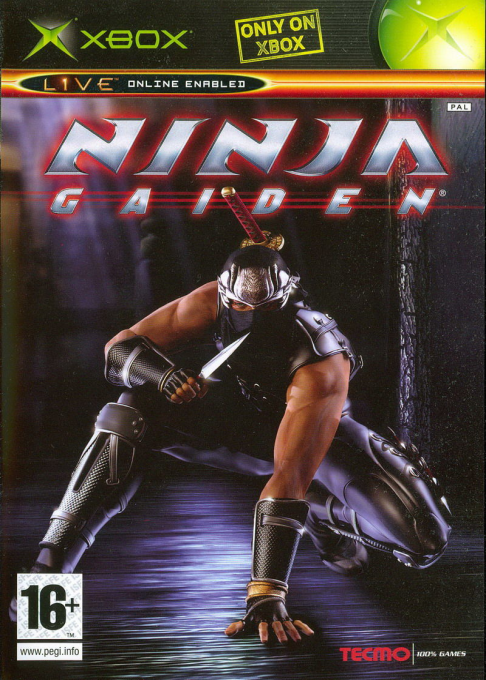
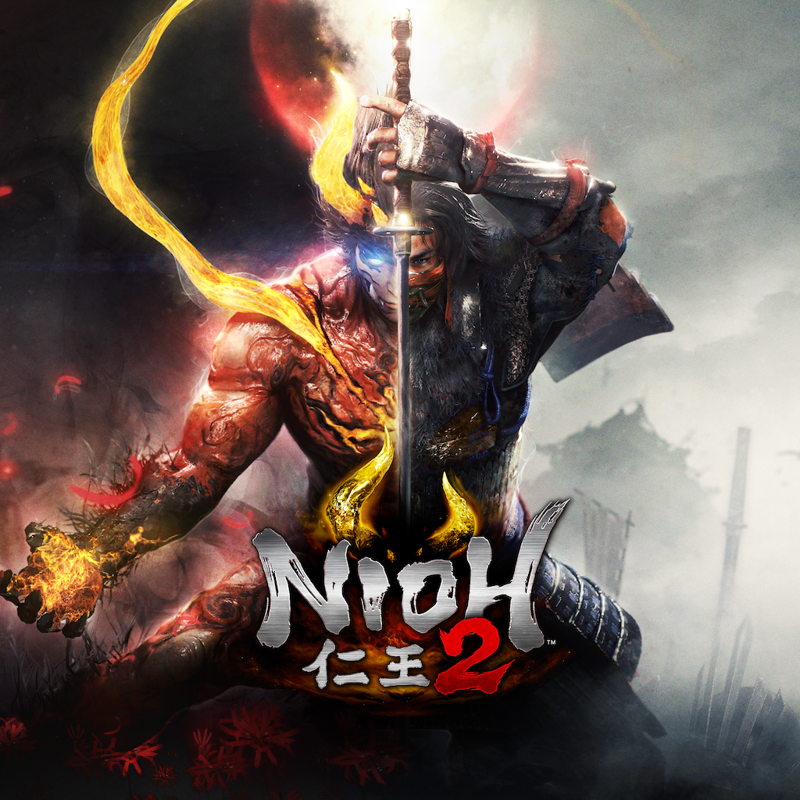
This setting frequently appears in retro action, strategy, and role-playing games, often depicting the Sengoku or Edo periods. Games utilizing this setting typically feature historical figures, mythical creatures from Japanese folklore, and traditional warriors. It serves as the backdrop for tactical simulations as well as side-scrolling beat 'em ups and action-adventures.
During the late 1980s and early 1990s, developers leveraged this setting to explore distinct gameplay designs across various hardware platforms. Sega's
The Ninja (1987) on the Master System popularized top-down, multi-directional scrolling through rural landscapes and fortress walls. In contrast, Koei's
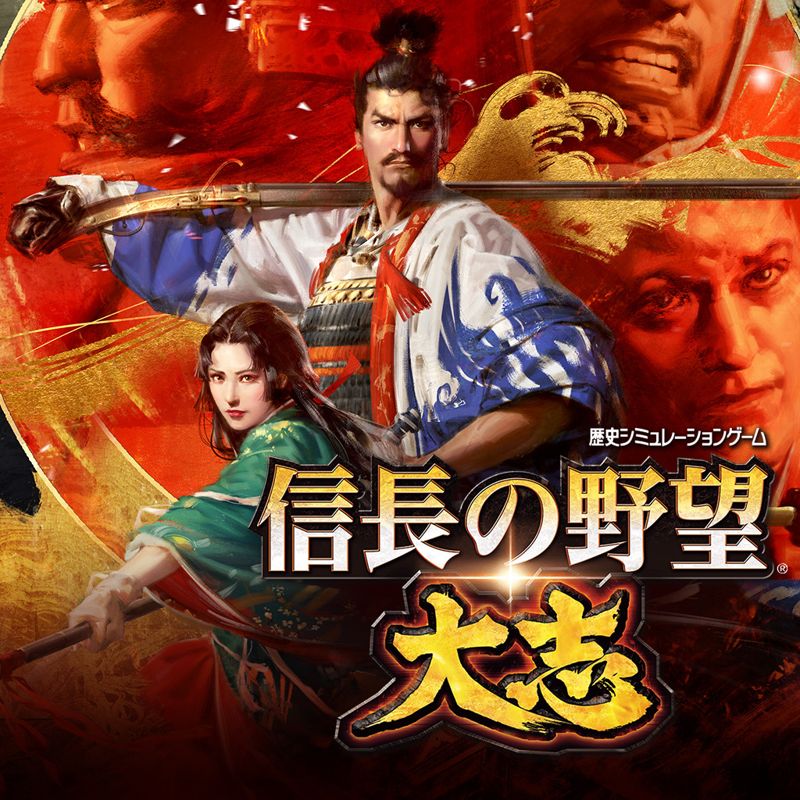
Nobunaga's Ambition (1991) offered complex systems for provincial diplomacy, resource management, and military conquest.
Cinemaware's
Lords of the Rising Sun (1992) merged cinematic storytelling with conquest elements, focusing on the historical Genpei War. On portable hardware,
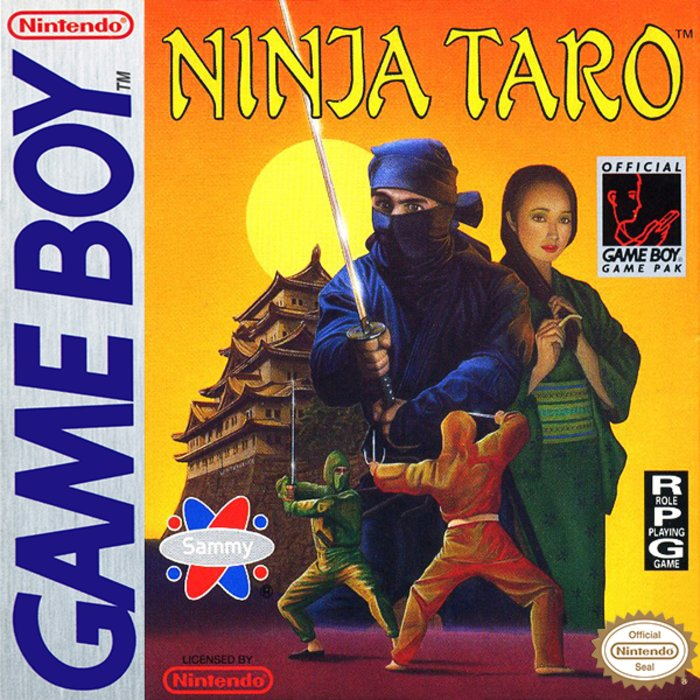
Ninja Taro (1992) adapted the aesthetic into an overhead adventure format for the Game Boy. Meanwhile,
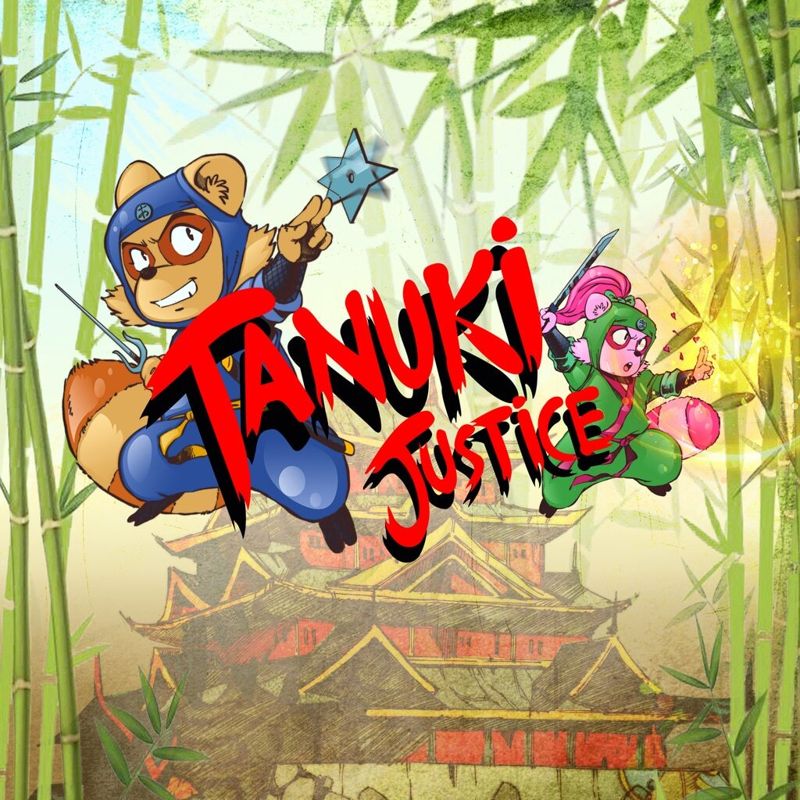
Mystical Fighter (1991) brought Kabuki theater aesthetics and mythological backdrops to home consoles. Together, these releases established enduring visual motifs—such as Shinto shrines, bamboo groves, and multi-tiered pagodas—that defined the representation of historical Japan in early interactive entertainment.