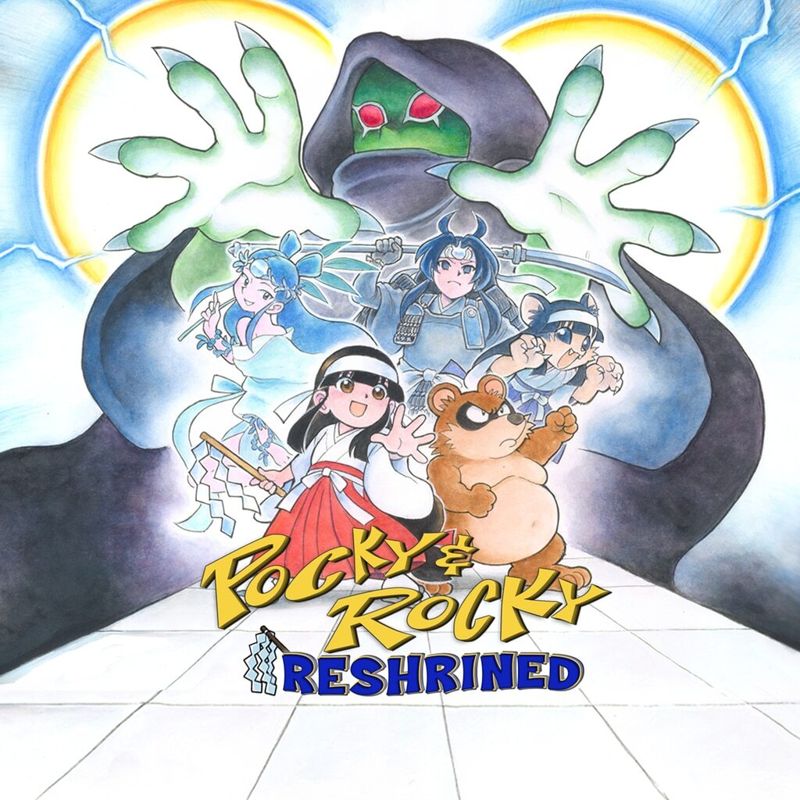
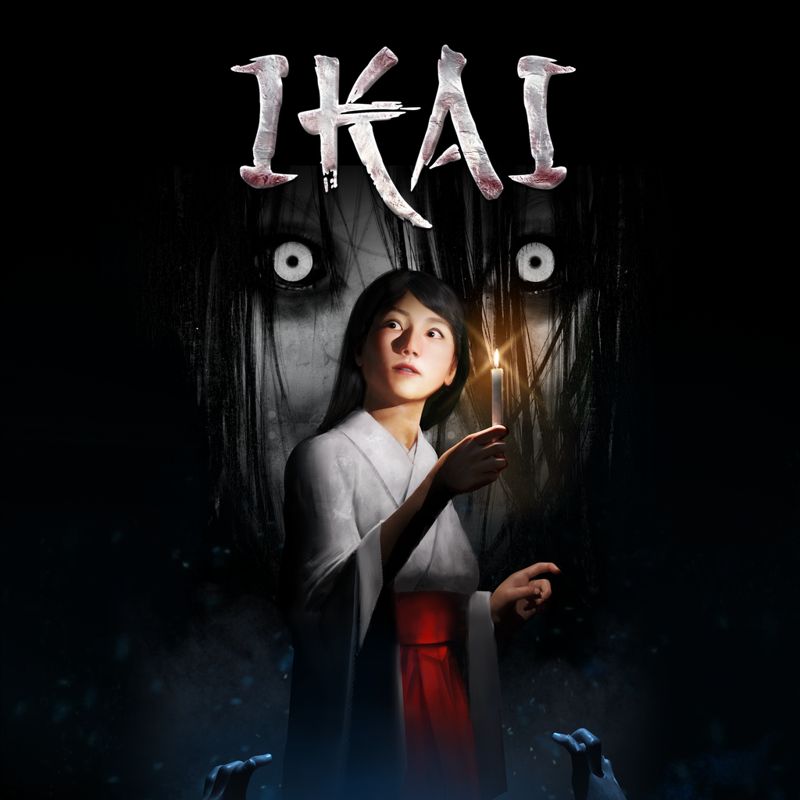
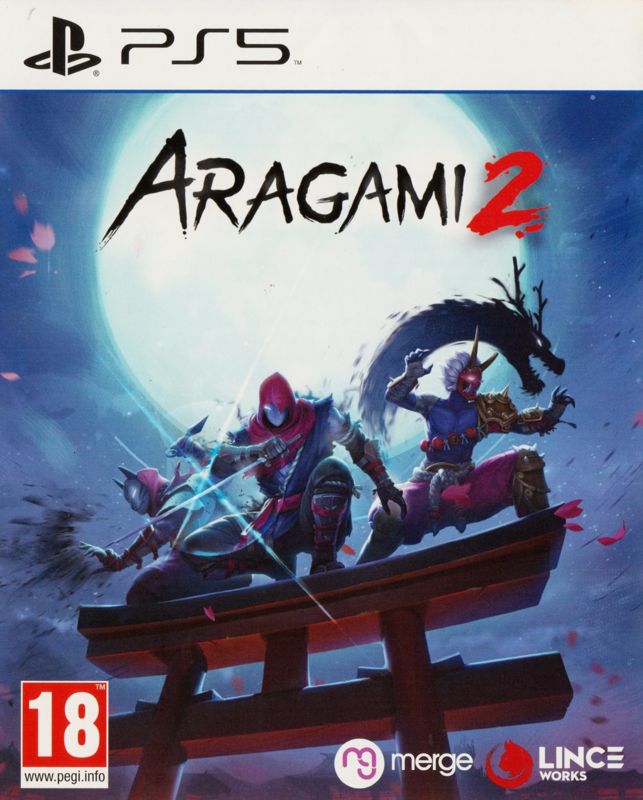
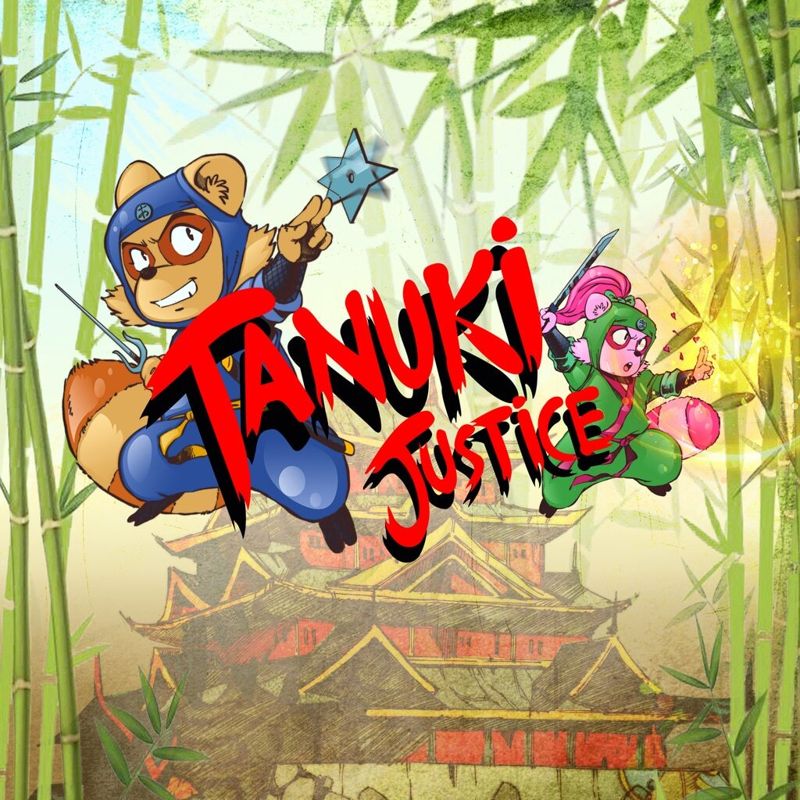
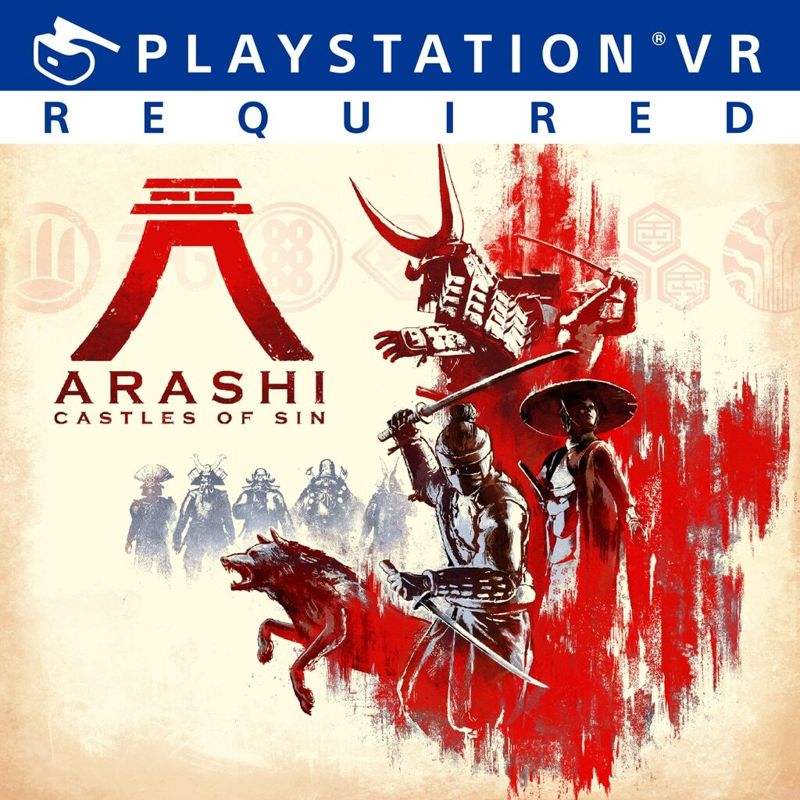
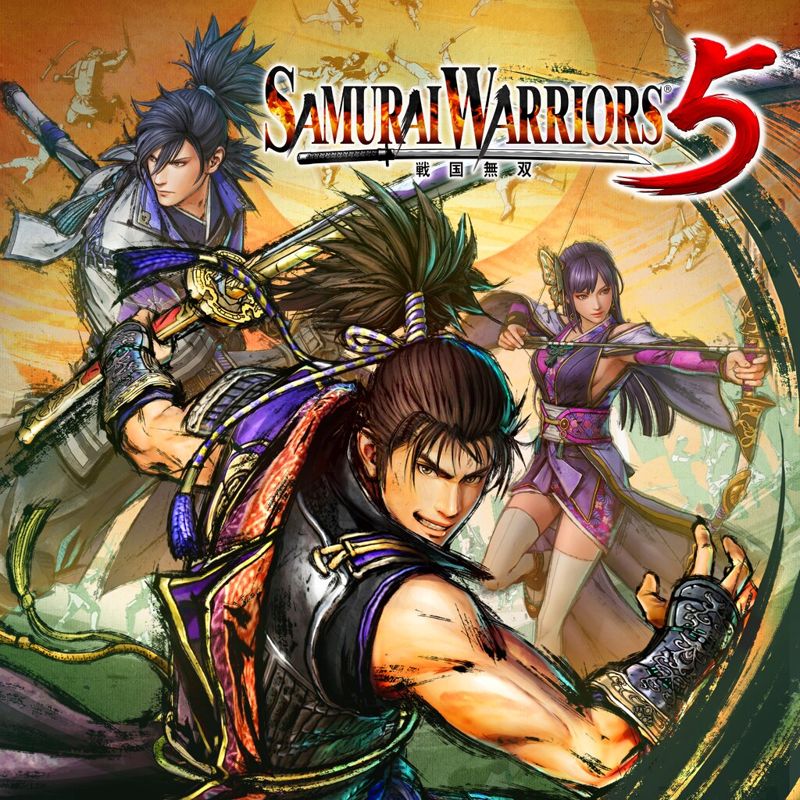
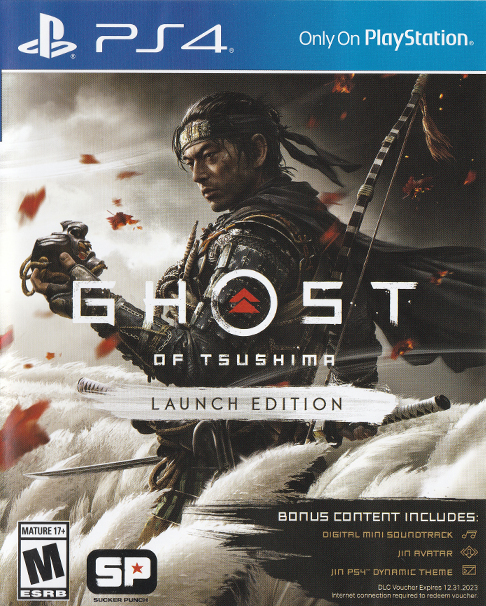
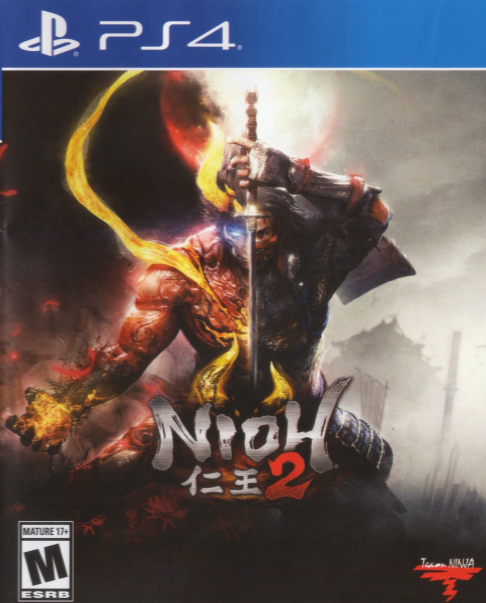
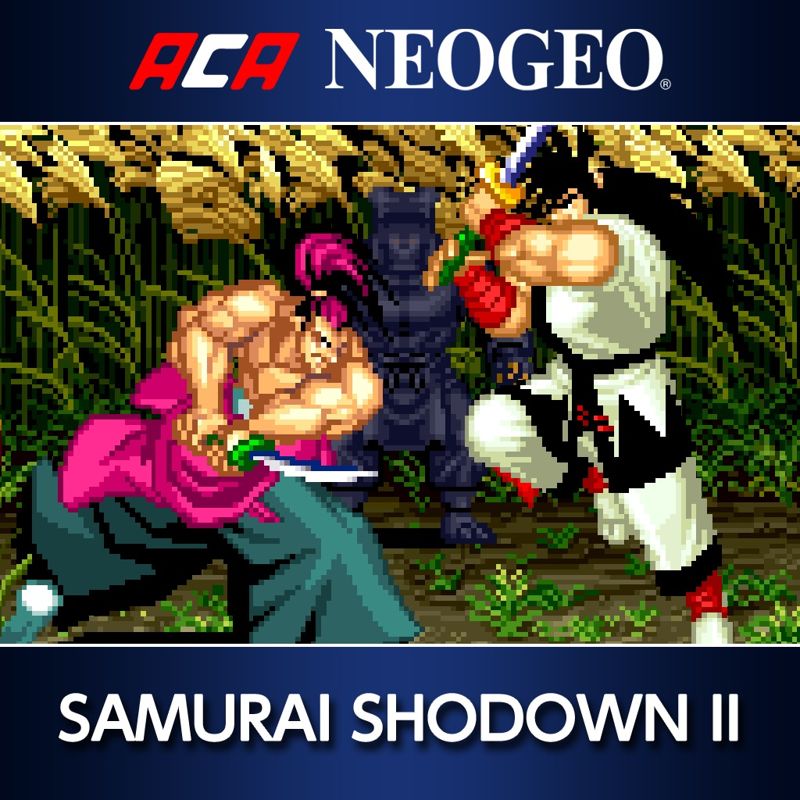
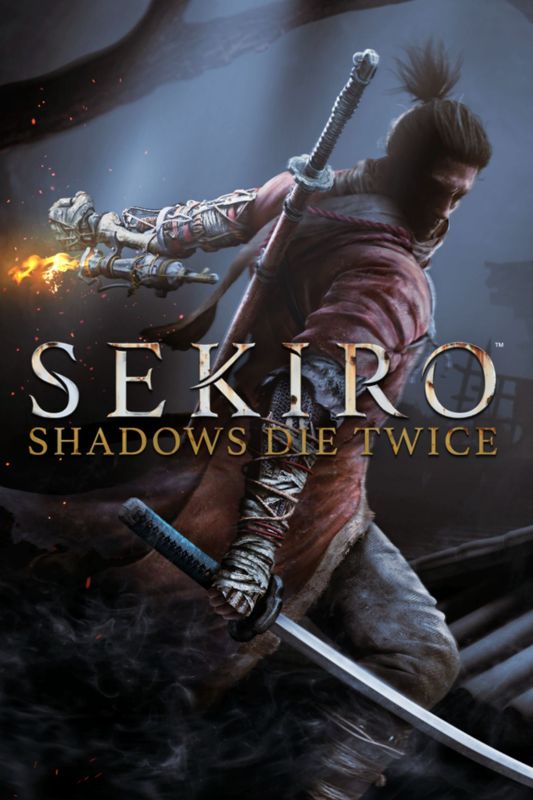
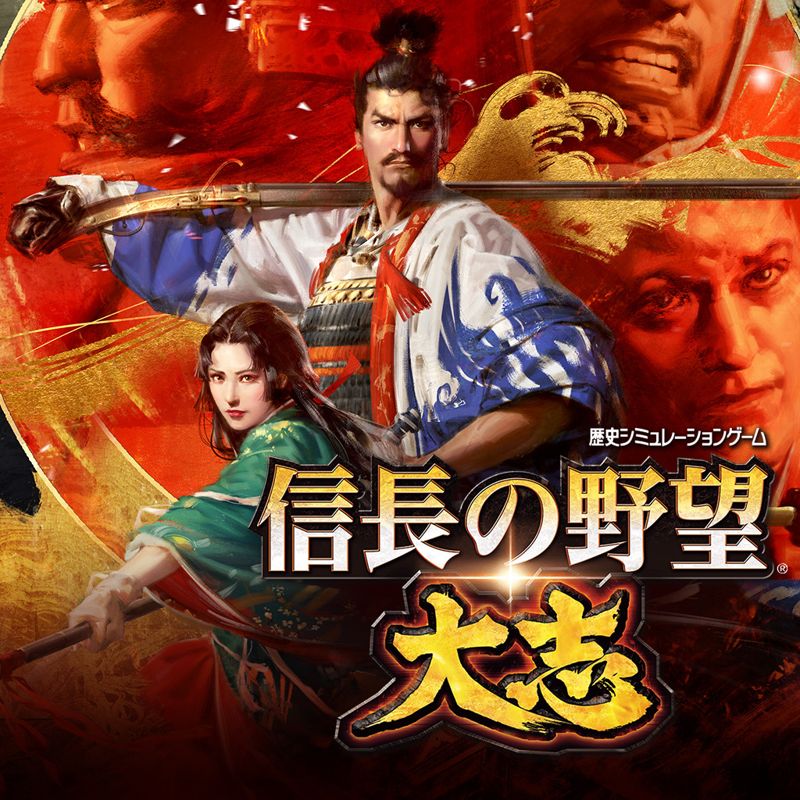
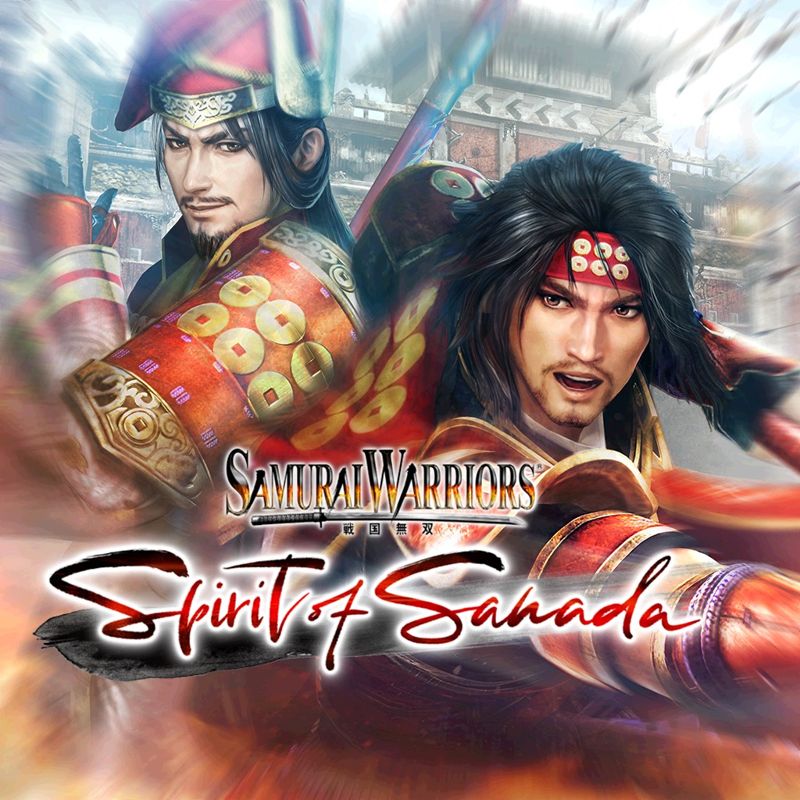
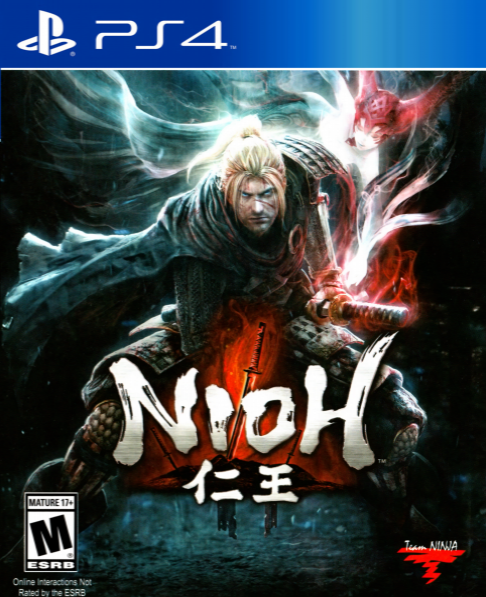
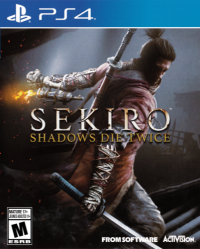
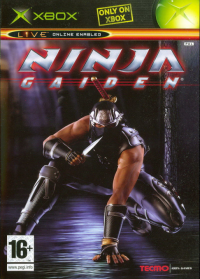
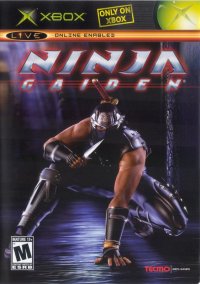
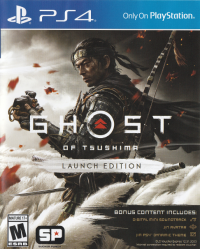
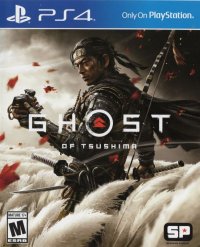
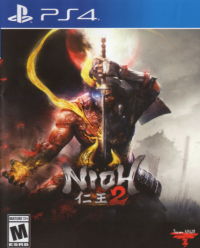
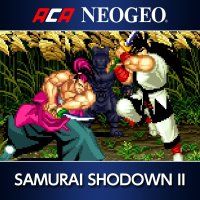
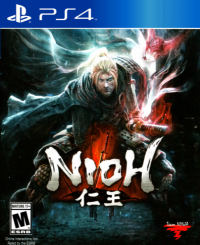
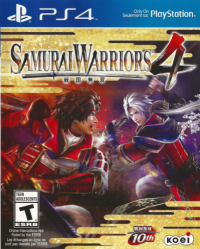
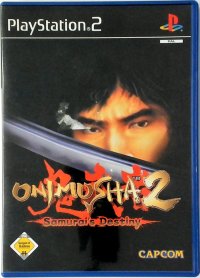
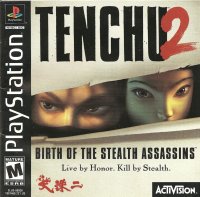
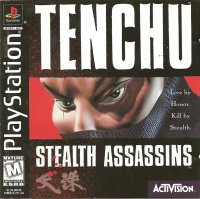
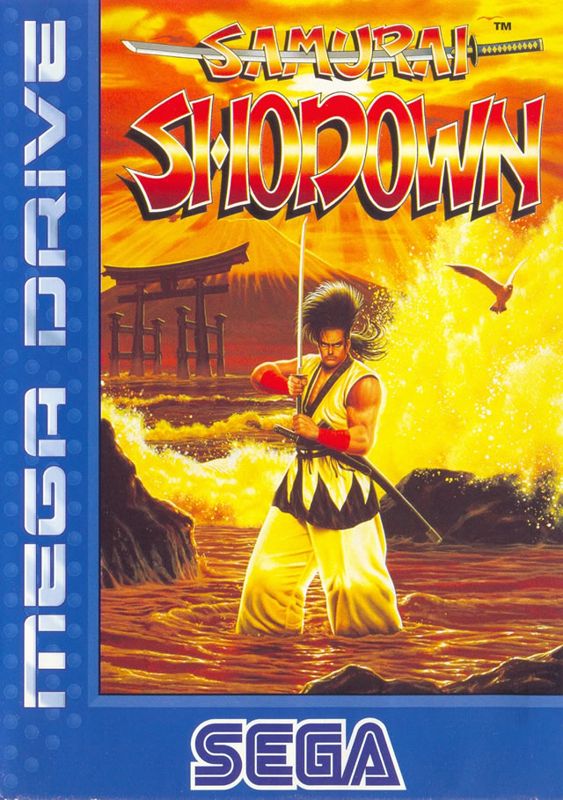
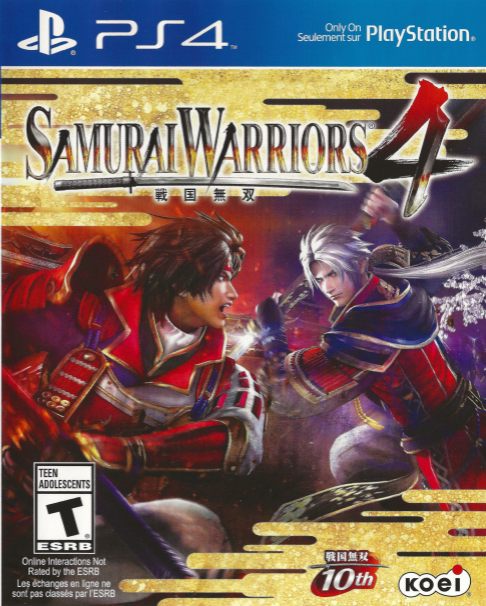
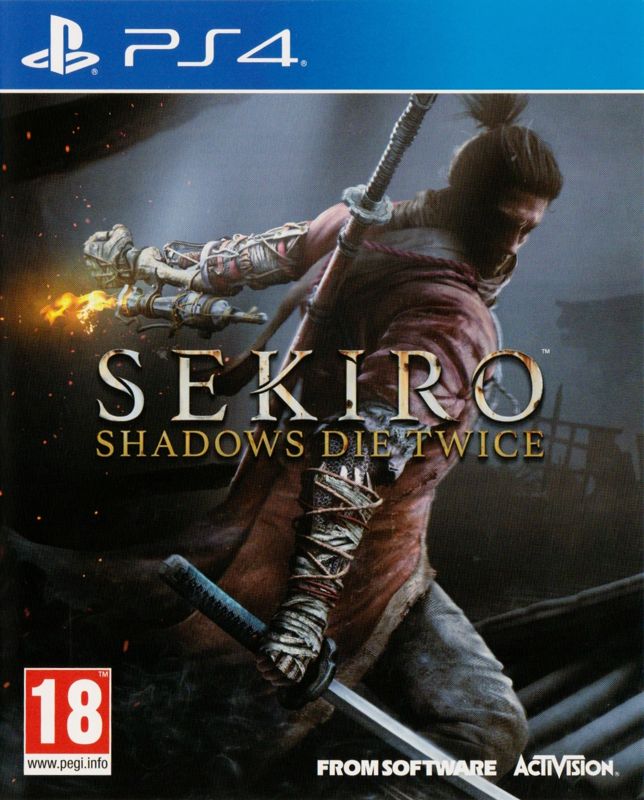
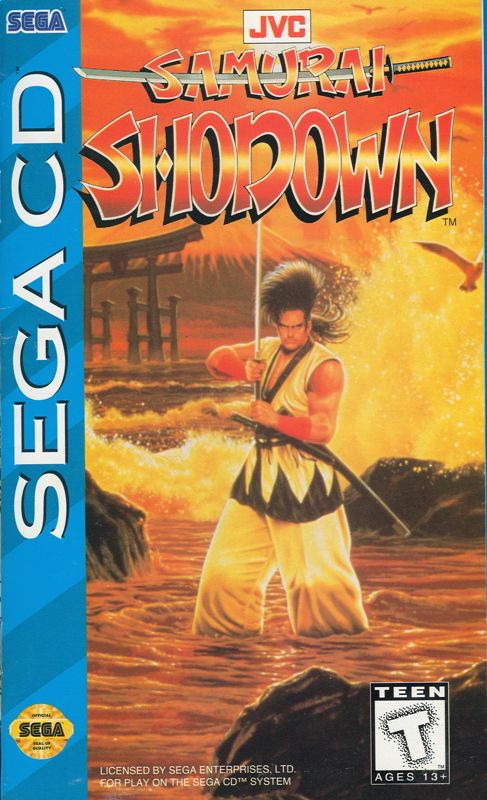
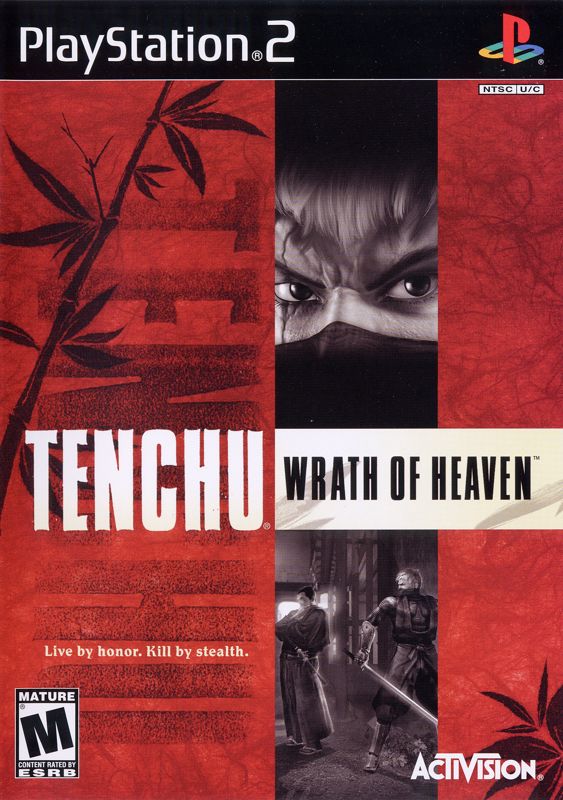
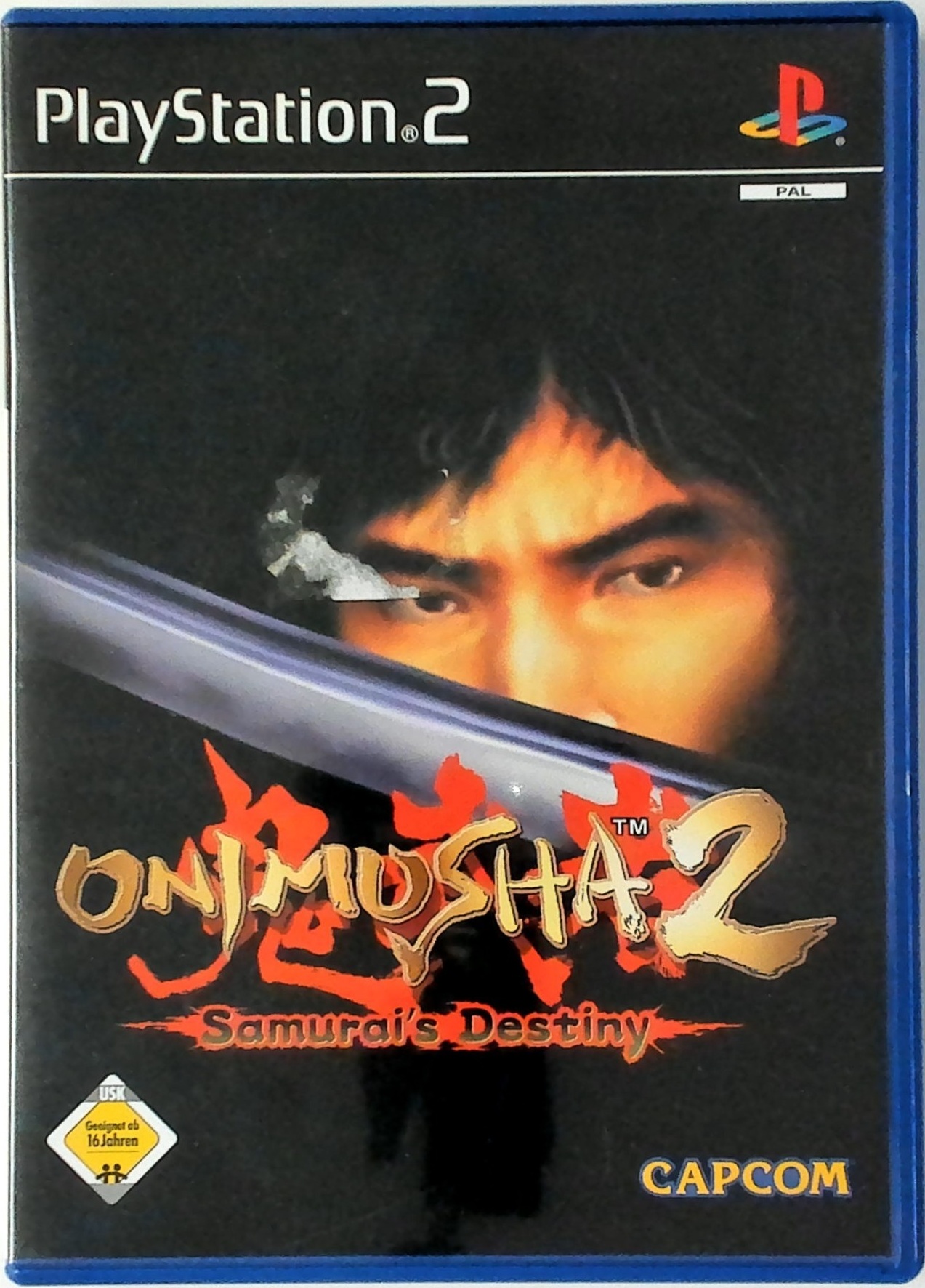
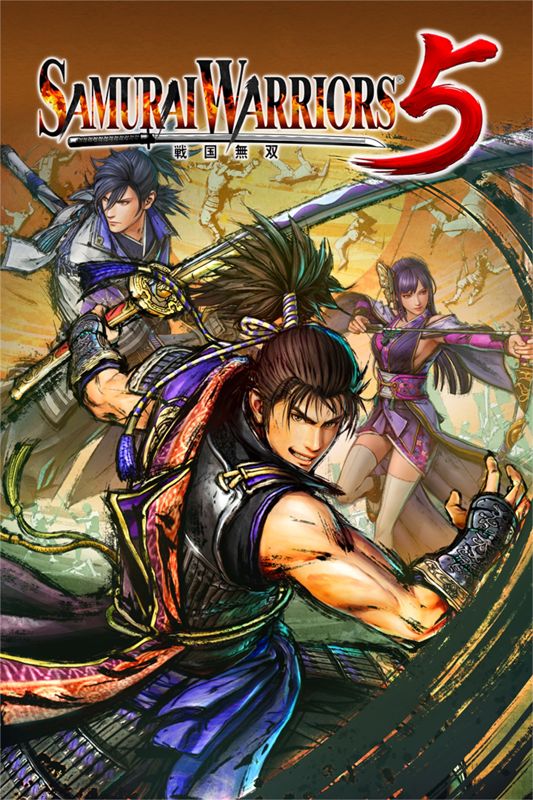
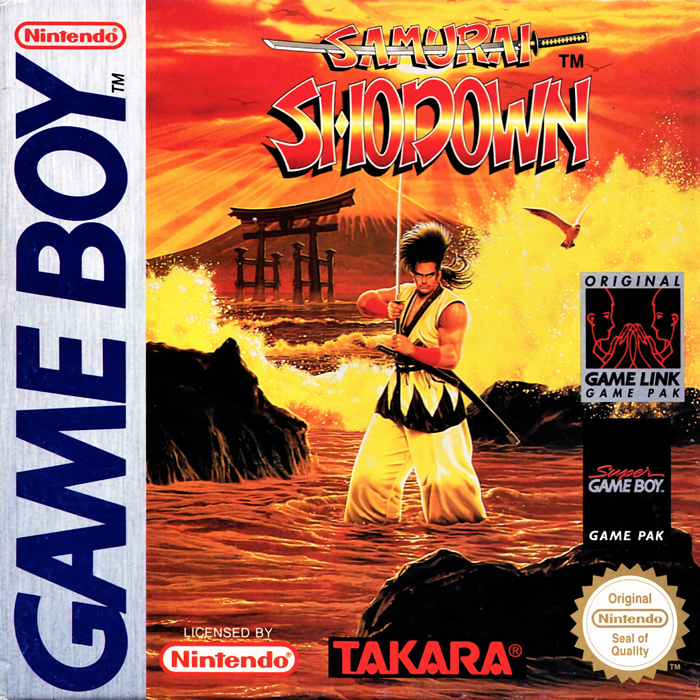
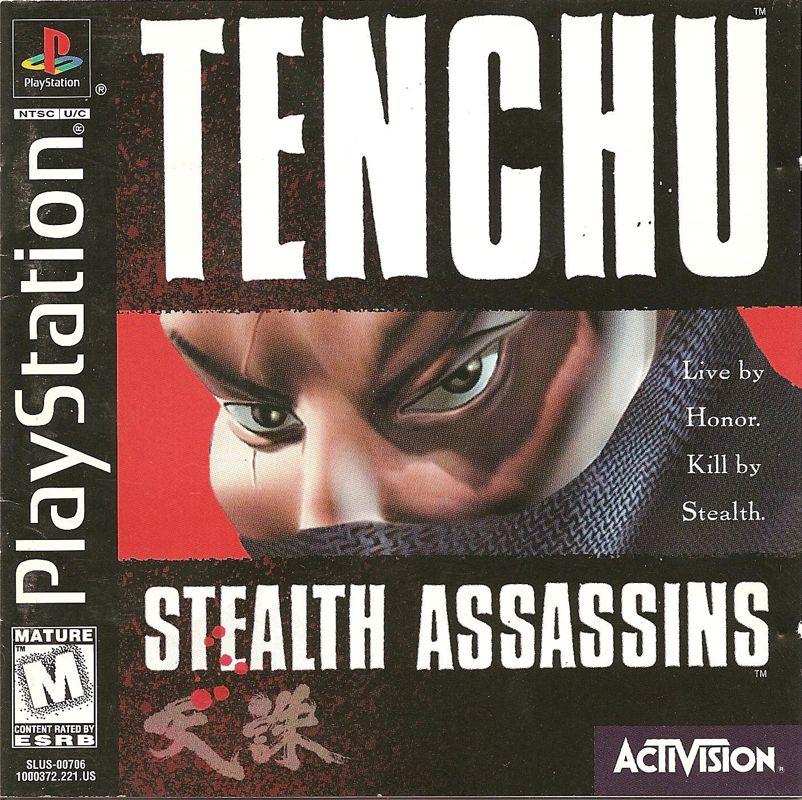
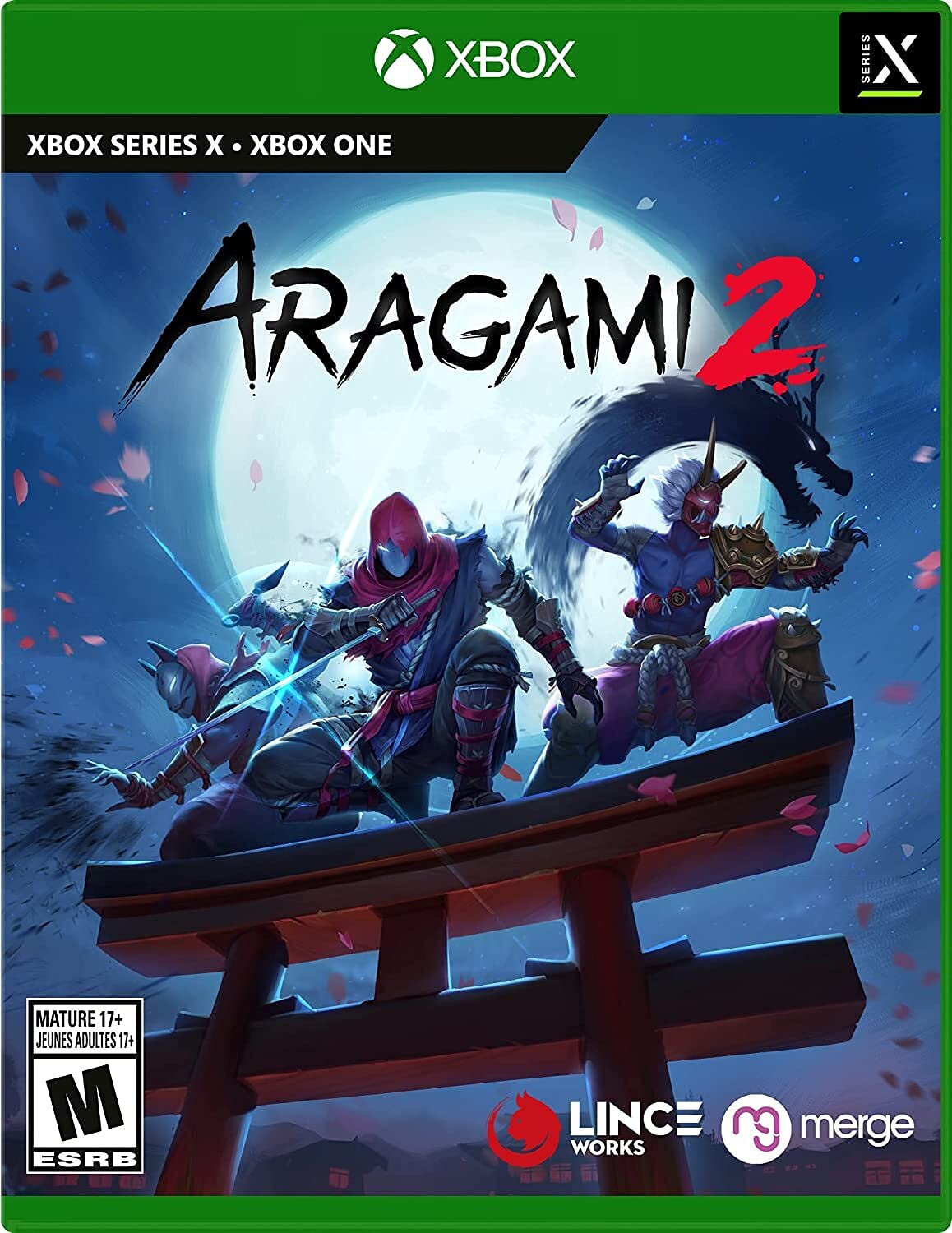
This setting typically encompasses the Kamakura, Muromachi, and Sengoku periods of Japanese history. In video games, it often blends historical warfare and political intrigue with supernatural elements from Japanese mythology, such as yokai and magic. Games set here frequently feature prominent historical figures like Oda Nobunaga or fictionalized ninja and samurai protagonists.
During the late 1980s and early 1990s, developers utilized this setting to pioneer diverse gameplay genres. Sega's action game
The Ninja (1987) popularized fast-paced shuriken combat on early home consoles. In contrast, Koei's
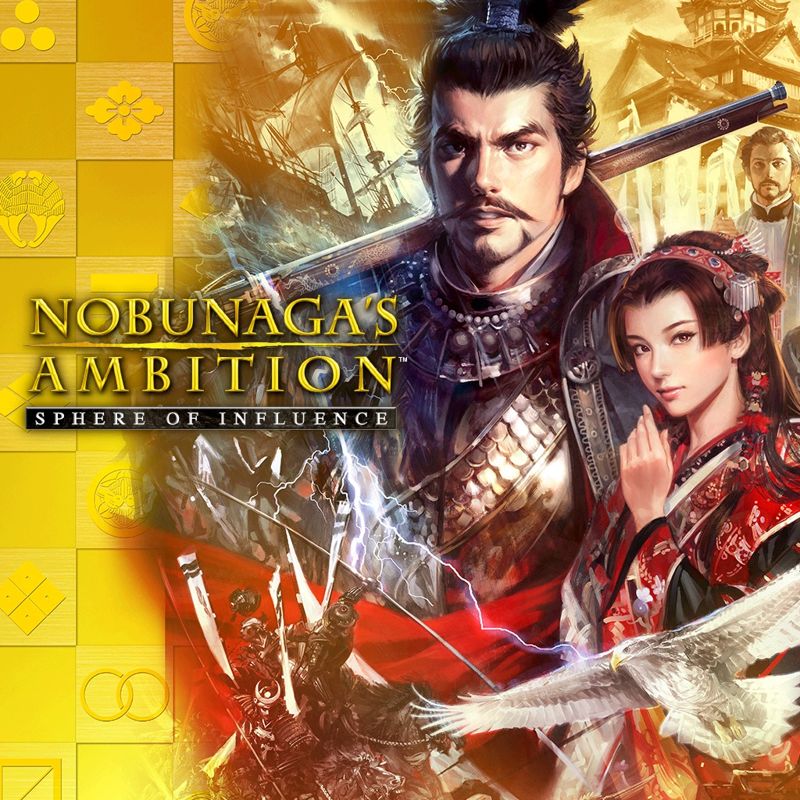
Nobunaga's Ambition (1991) established a complex template for grand strategy and tactical simulation, focusing on resource management and diplomacy.
Cinemaware's
Lords of the Rising Sun (1992) combined cinematic storytelling with action-strategy elements, depicting the historical Genpei War. Side-scrolling beat 'em ups like
Mystical Fighter (1991) integrated traditional Kabuki aesthetics and folklore into arcade-style brawling, while action role-playing games like
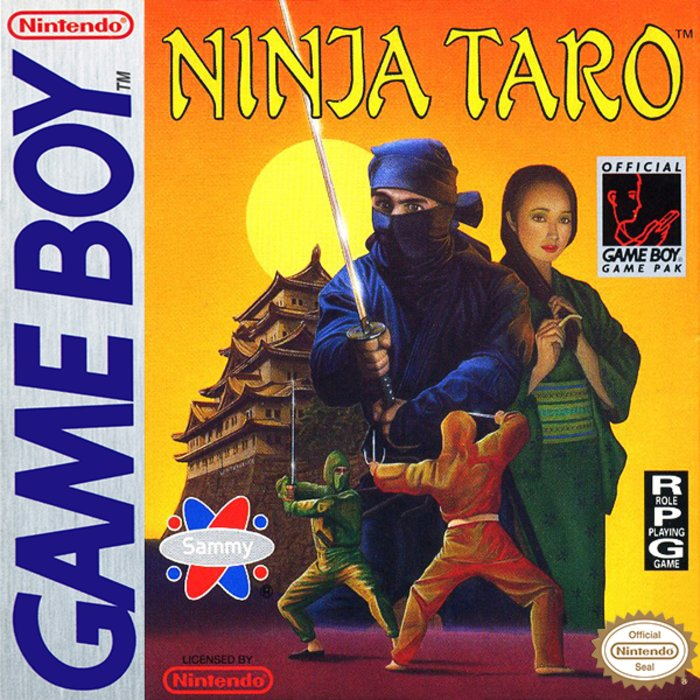
Ninja Taro (1992) offered top-down exploration and quest-driven progression.
These early releases demonstrated the versatility of the setting, proving it could support both high-speed action and methodical simulation. The aesthetic conventions established during this era—such as tiled castle rooftops, bamboo forests, and scroll-based power-ups—became foundational tropes that influenced subsequent generations of historical and fantasy action games.