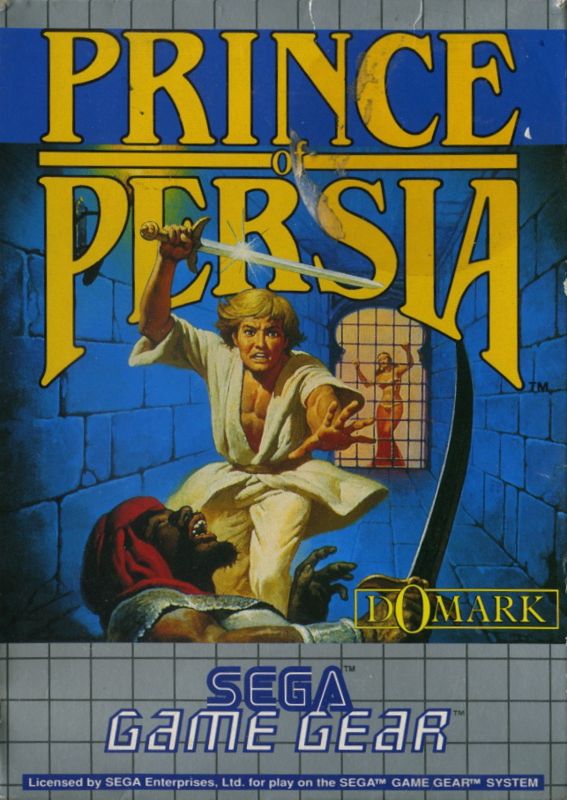
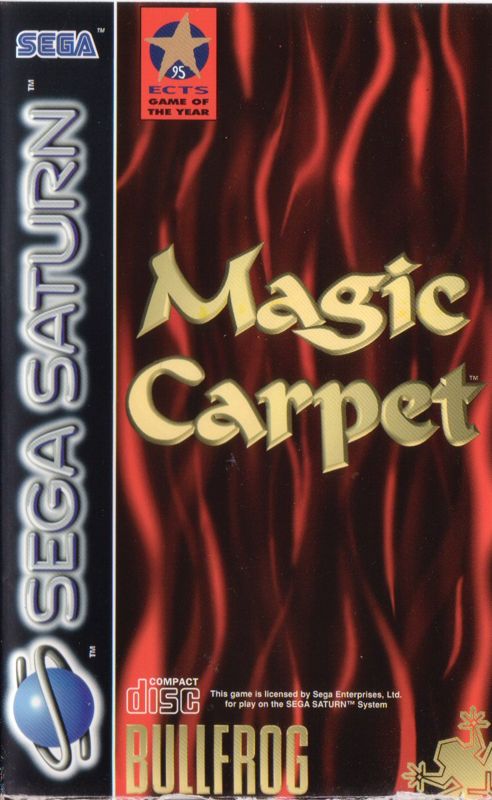
In retro video games, the Middle East is frequently represented through the lens of Arabian Nights folklore, ancient historical empires, or contemporary military conflicts. Titles like Prince of Persia and Aladdin draw heavily on fantasy and mythology, while tactical games like Desert Strike simulate modern geopolitical warfare in desert environments.
Early digital representations of the region emerged in the 8-bit era with
Alibaba And 40 Thieves (1984), which utilized maze-like screens to depict classic folklore. As hardware capabilities expanded, developers experimented with unique perspective and movement mechanics.
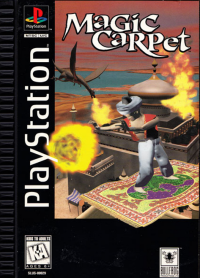
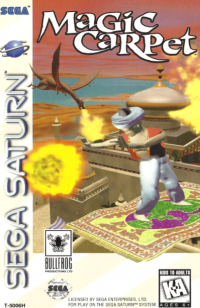
Magic Carpet (1984) introduced first-person aerial navigation over stylized dunes, while the action-adventure
Exile (1991) employed a side-scrolling, gravity-based physics engine set within subterranean caverns.
In the realm of strategy and simulation,
Centurion: Defender of Rome (1991) allowed players to conquer and govern regional provinces, integrating trade and military campaigns into a broader Mediterranean empire simulation. The early 1990s marked a surge in high-profile releases utilizing this setting across major console platforms. This period saw the release of
Aladdin (1991) and the highly influential cinematic platformer
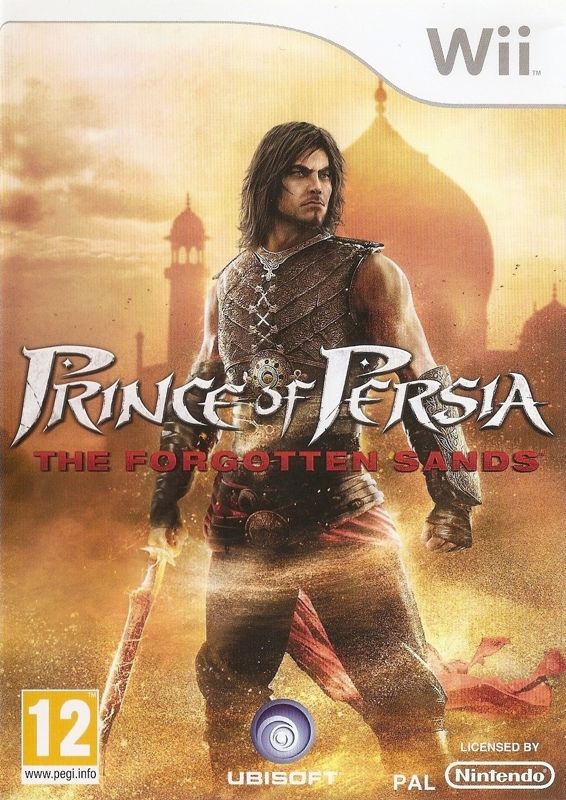
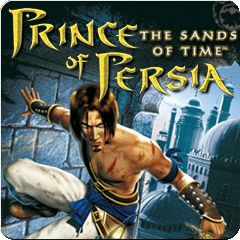
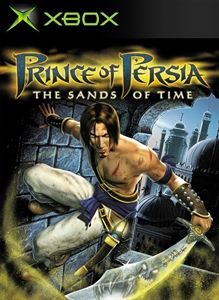
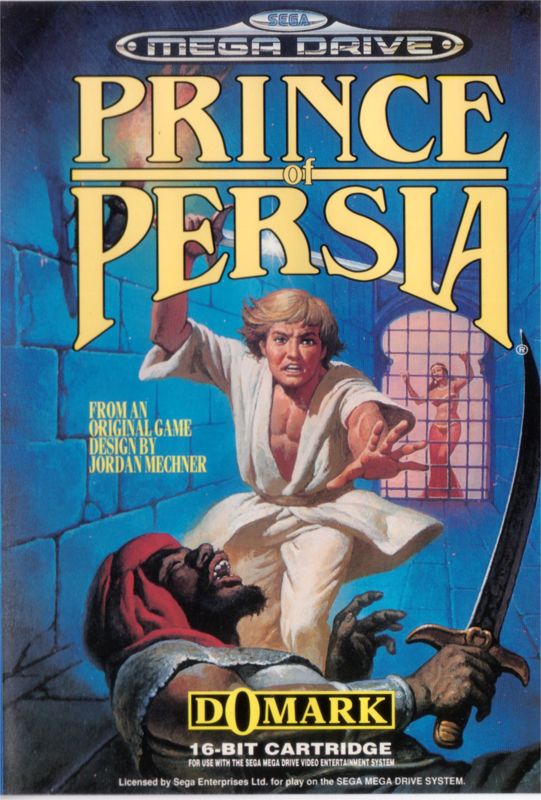
Prince of Persia (1991), both of which popularized fluid character animations and intricate level designs. Concurrently, the multi-directional shooter
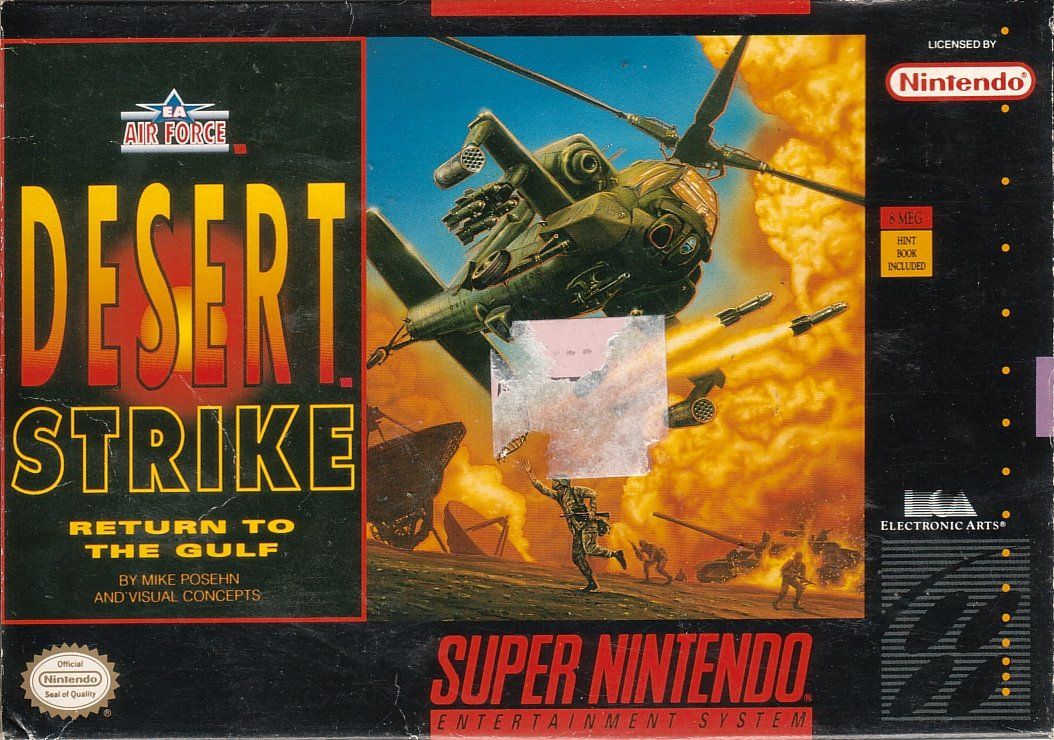
Desert Strike (1991) and its subsequent 1992 ports shifted the focus toward helicopter-based tactical missions, establishing a template for vehicle-based action games of the era.



_1.png)








_1.png)







_1.png)
_1.jpg)
_1.png)







_1.jpg)



_1.jpg)




.png)







.png)

_1.jpg)










.png)
_1.png)


_1.jpg)