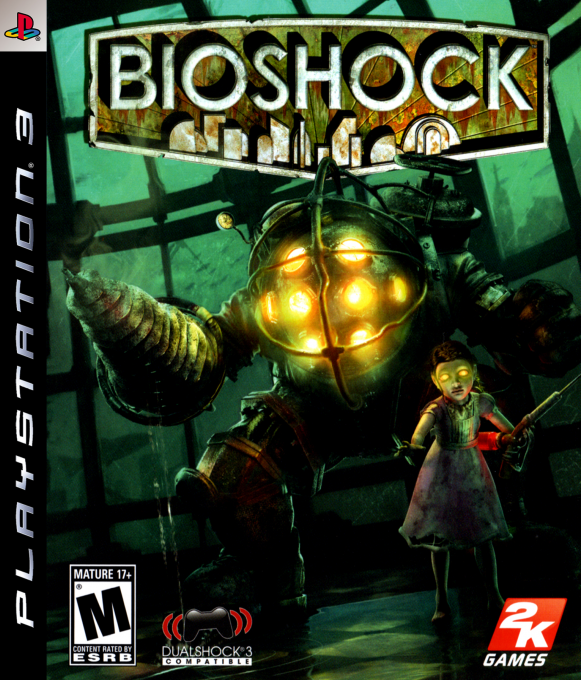
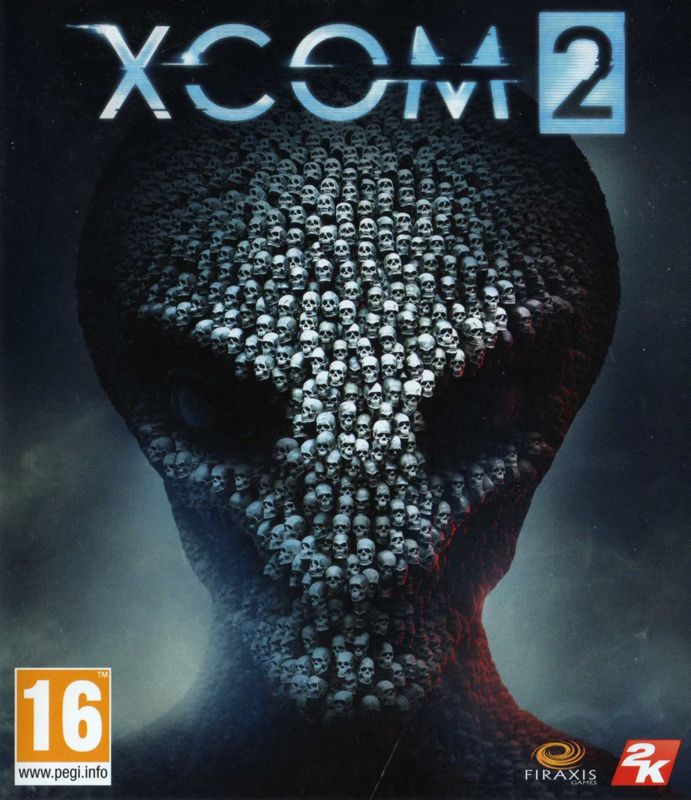
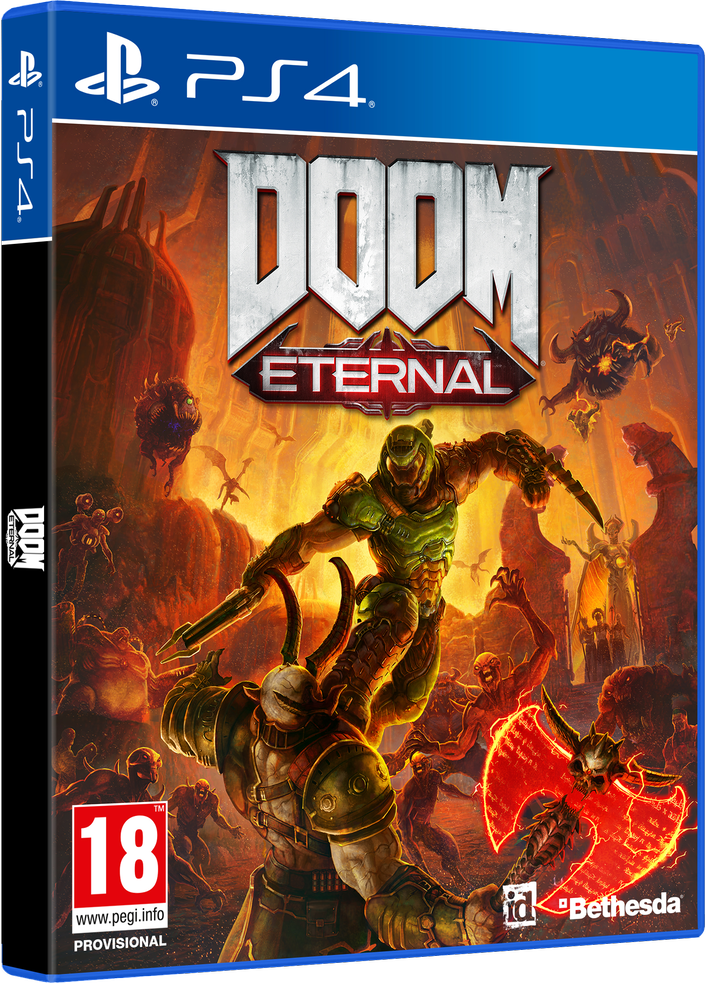
In early video games, the science fiction setting was highly popular due to the technical simplicity of rendering stars, spaceships, and alien sprites against a black background. Titles like Space Invaders, Star Raiders, and Defender defined the late 1970s arcade and home console era by placing players in futuristic battles. This setting allowed developers to explore themes of space exploration, alien invasions, and robotic conflict.
The emergence of this thematic backdrop coincided with the rapid commercialization of early arcade and home console hardware. Atari's
Star Ship (1977), also released as
Star Ship Text Label] (1977), pioneered first-person space combat by simulating flight through a field of celestial obstacles and enemy craft. By 1978, the genre expanded rapidly across platforms. [Space War (1978) adapted early vector graphics concepts for home systems, focusing on physics-based gravitational mechanics and tactical maneuvering.
As hardware capabilities progressed, developers introduced diverse gameplay styles within futuristic environments.
Berzerk Tele Games] (1978) shifted the focus from outer space to planetary surfaces, introducing maze-based survival against hostile artificial intelligence. Meanwhile, localized editions like [Space Invaders Tele Games] (1978), [Space Invaders (1978),
Star Raiders Tele Games] (1978), and [Defender [Tele Games] (1978) established standardized control schemes and progression loops that influenced subsequent generations of shoot 'em ups and flight simulators. These early iterations laid the groundwork for complex narrative worldbuilding, transitioning the genre from abstract high-score chases into rich, lore-driven interactive universes.








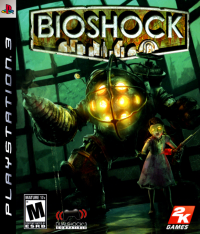
_1.png)


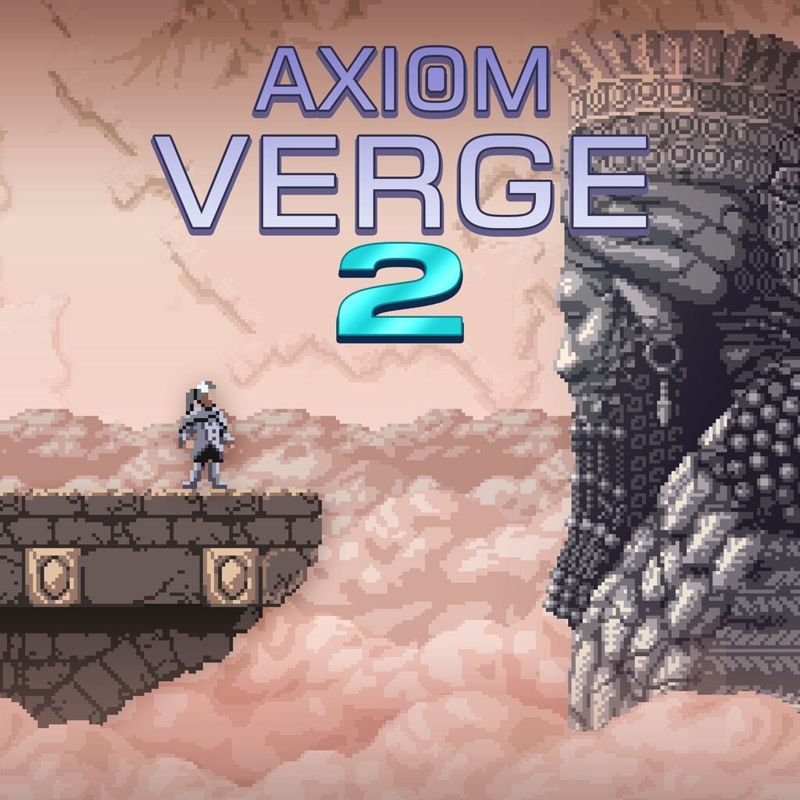



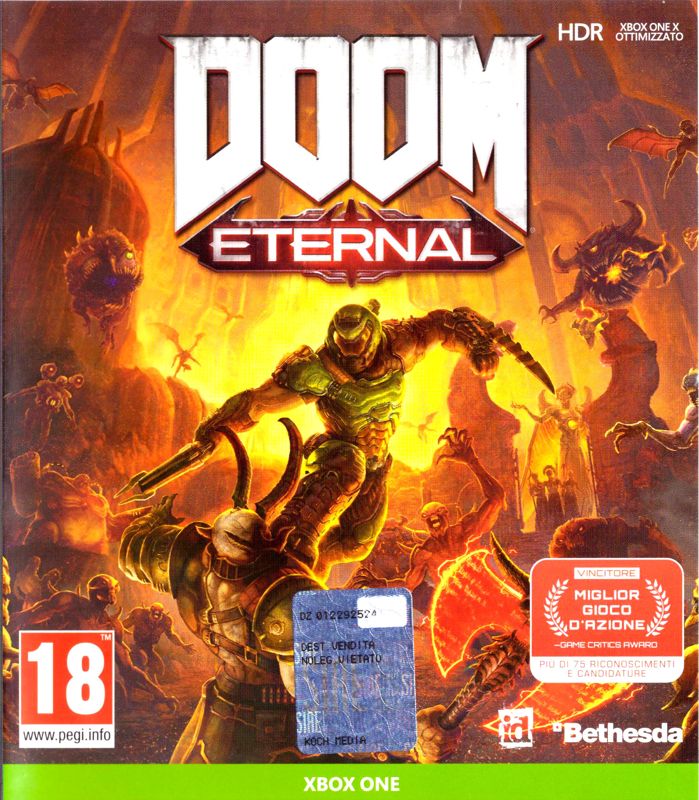
.png)



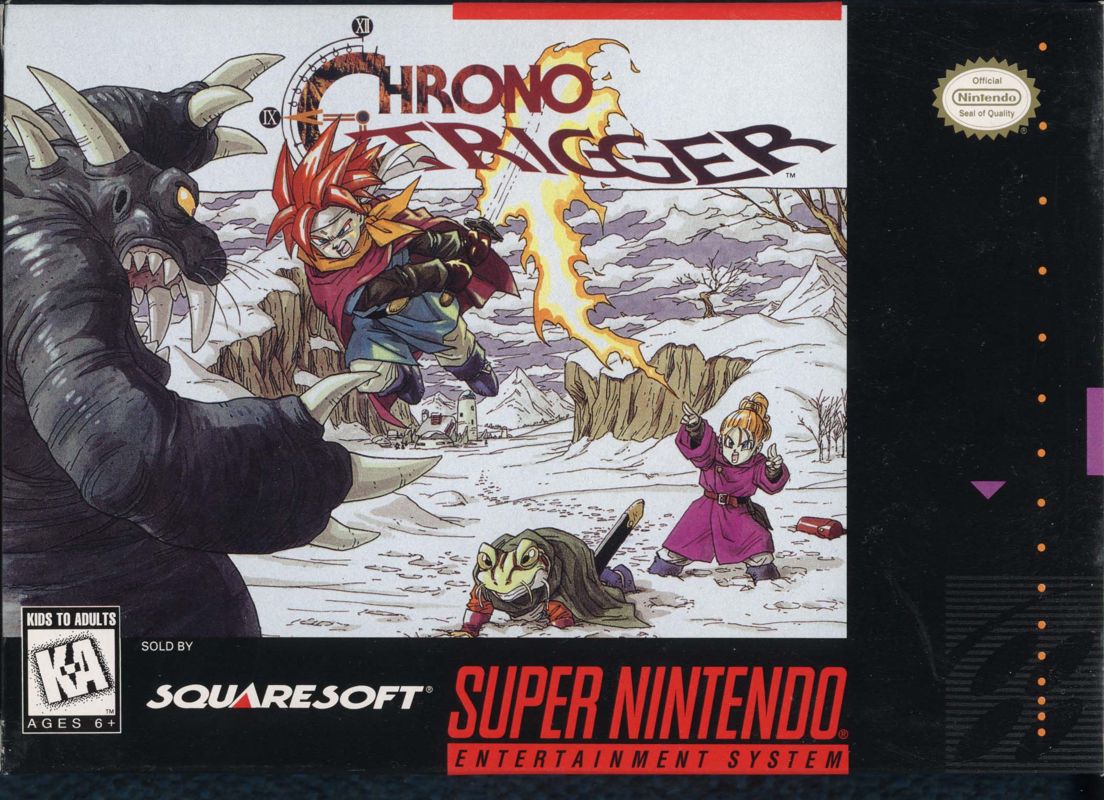
 (Budget - The Hit Squad).png)




























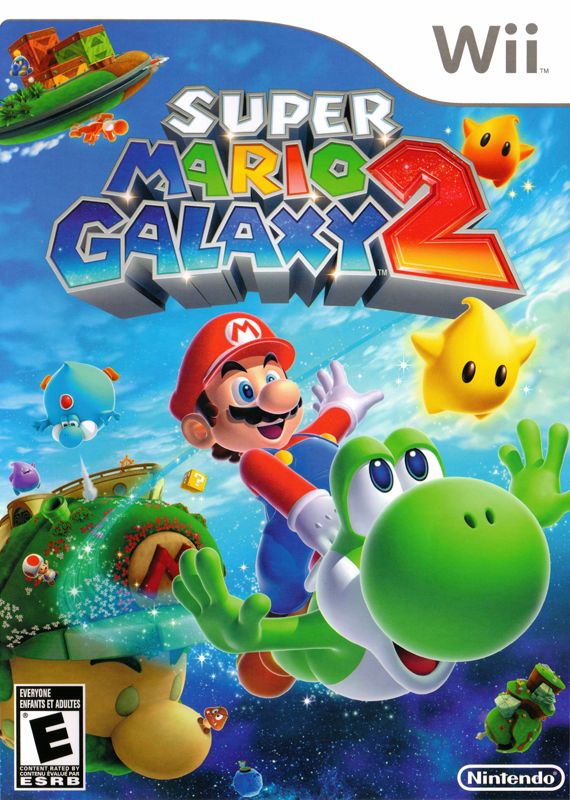


.png)