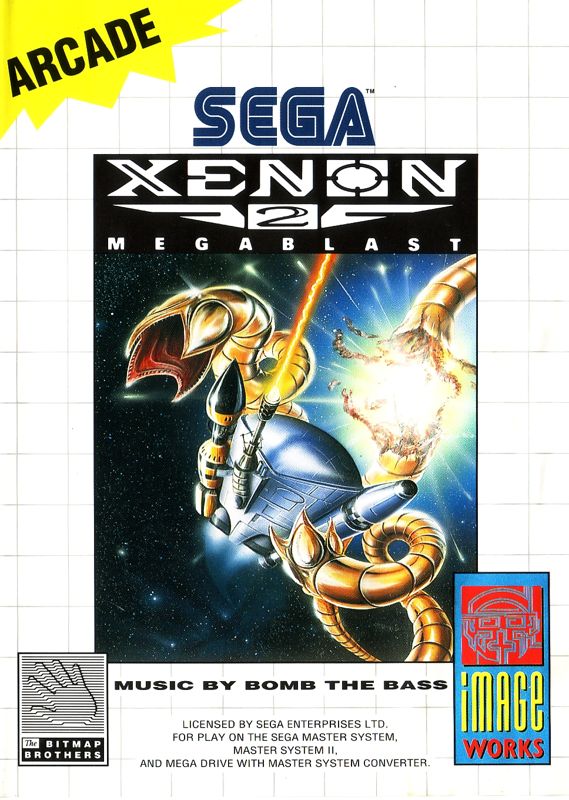
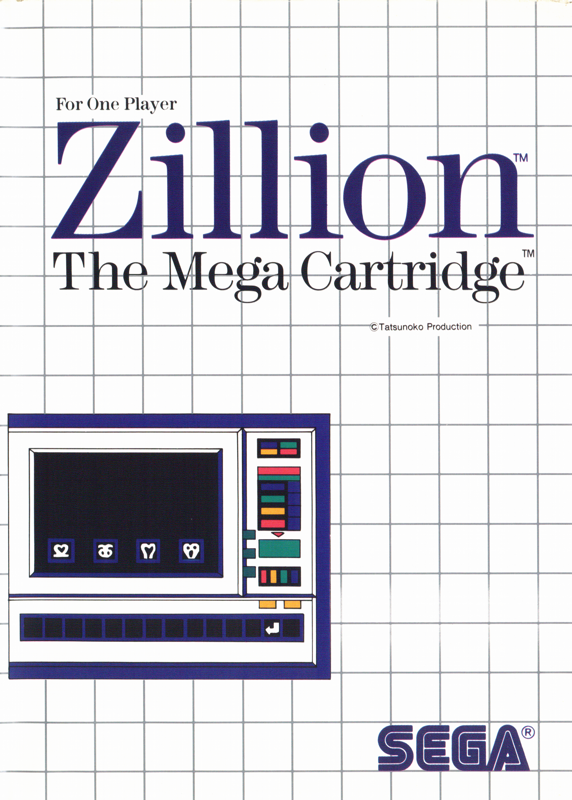
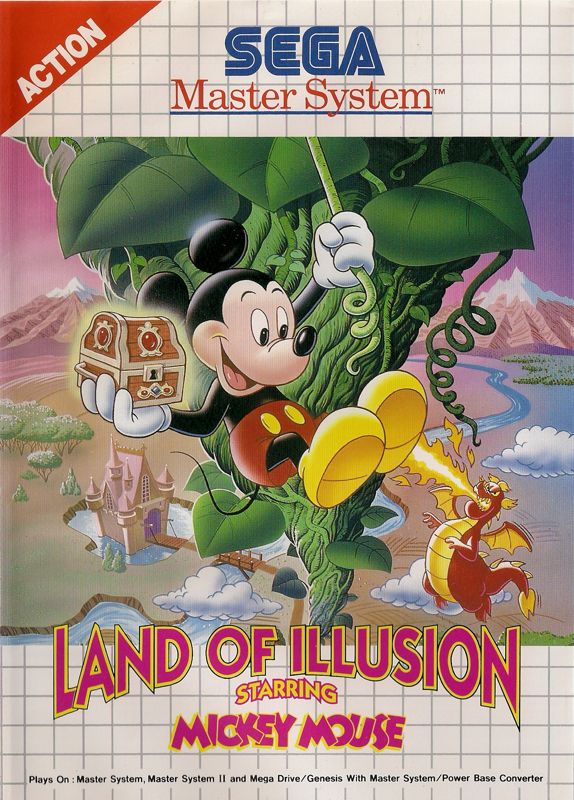
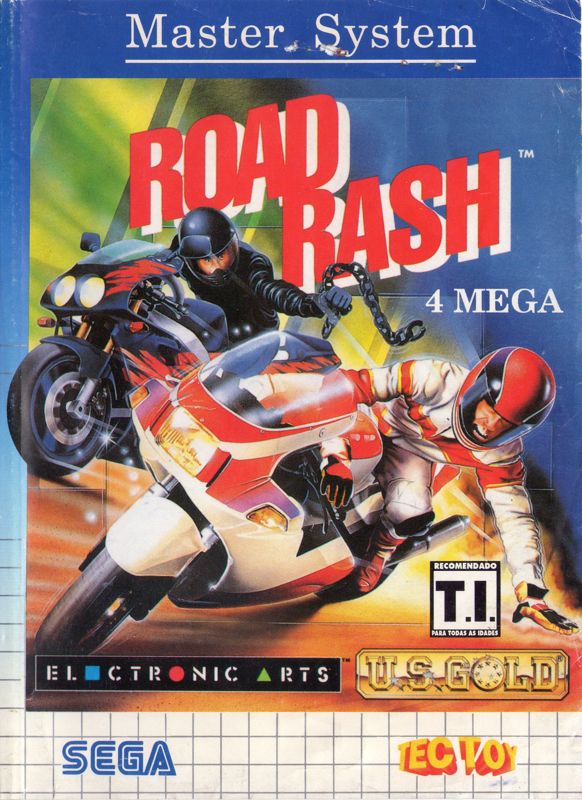
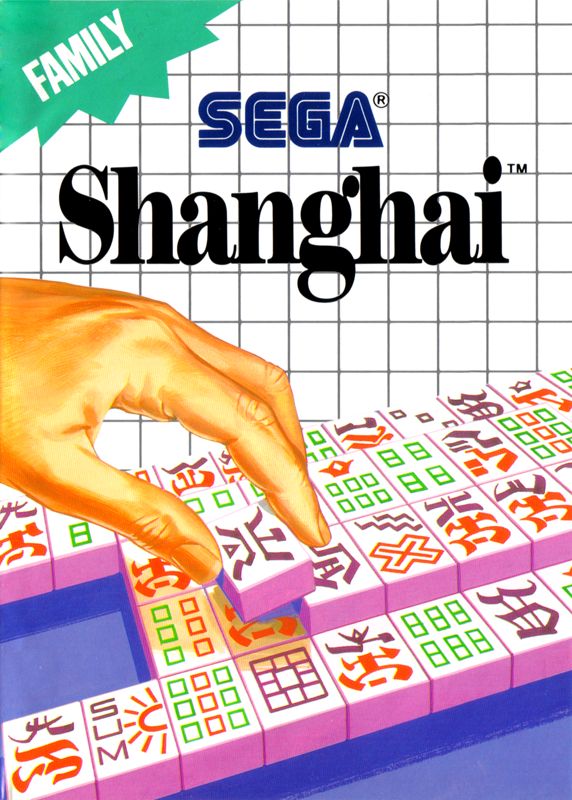
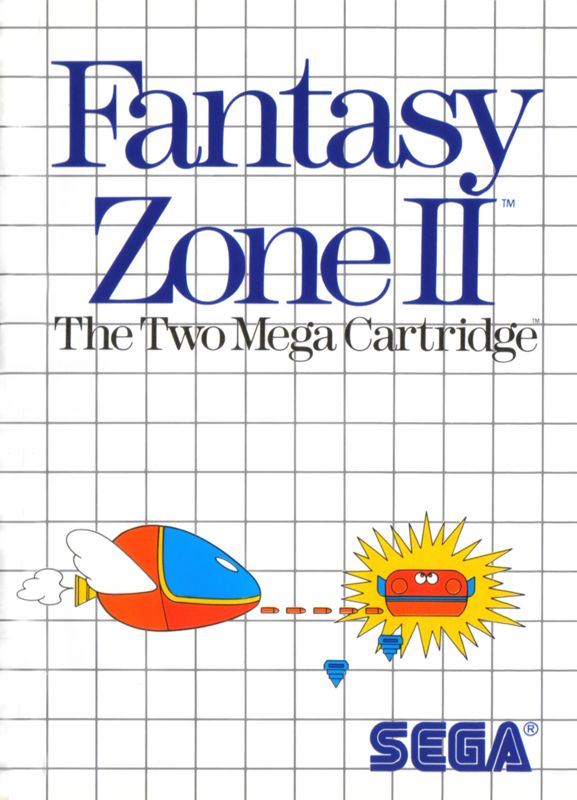
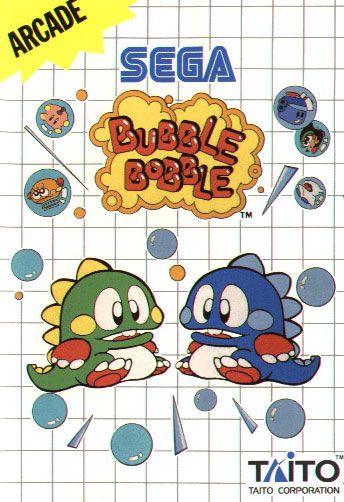
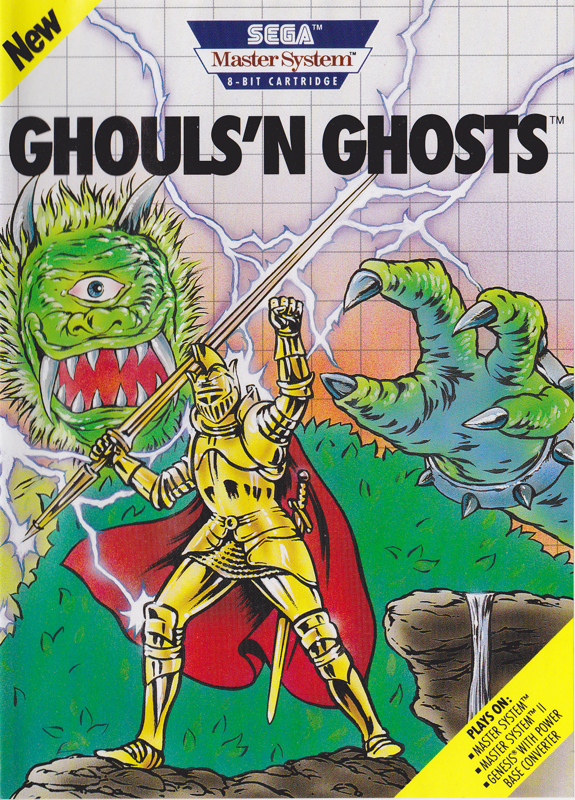
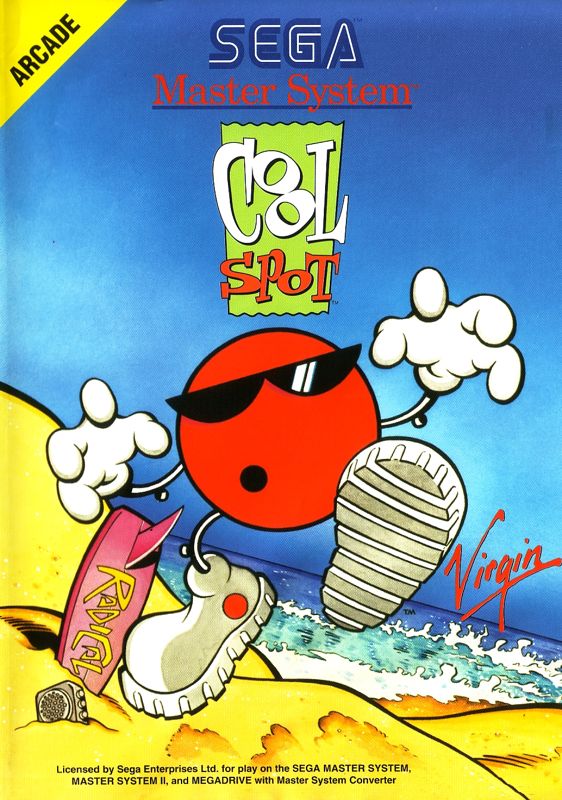
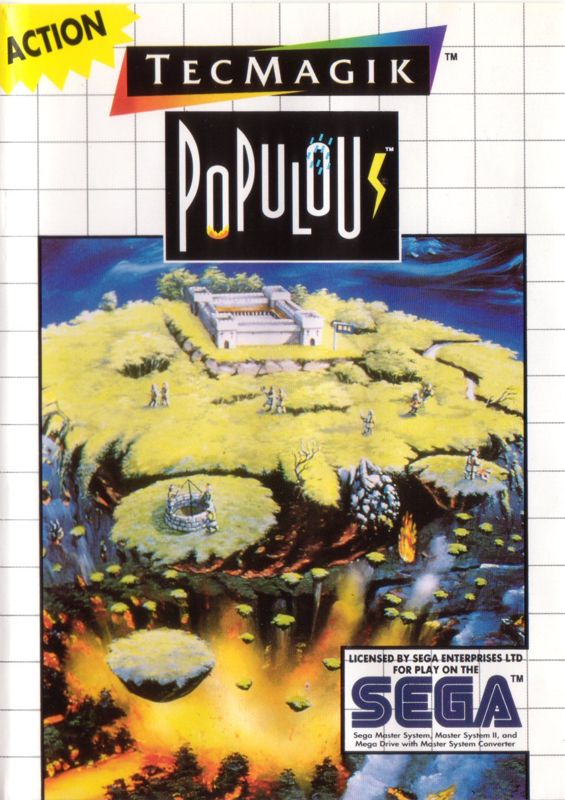
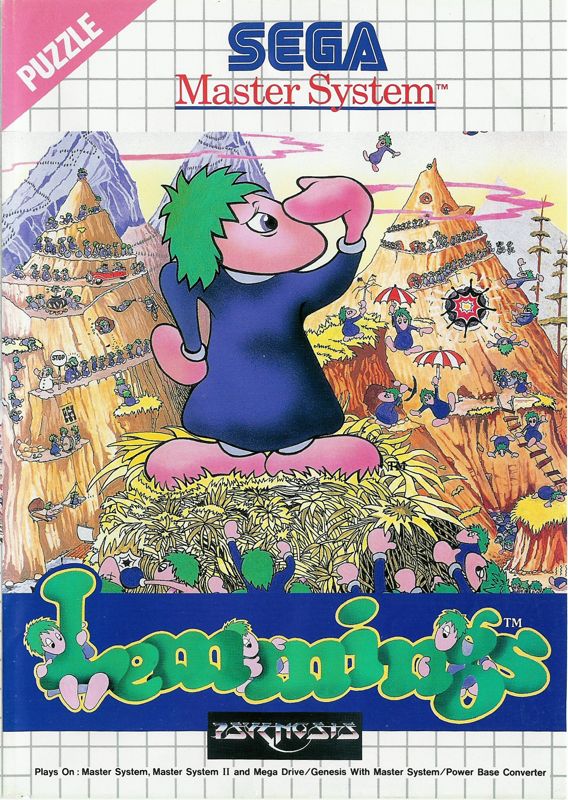
Originally launched in Japan as the Sega Mark III, the Master System competed in the 8-bit era with superior hardware color palettes and robust graphical capabilities. While it faced stiff competition in North America and Japan, it achieved immense, long-lasting popularity in Europe and Brazil, where it maintained an active commercial lifespan for decades. Today, the platform's legacy is sustained by a dedicated global retro-computing community that continues to develop and publish homebrew titles.
Sega designed the system's architecture around the Zilog Z80 processor, enabling impressive arcade-quality ports during its initial mid-1980s run. Early software showcases included
Hang-On and the landmark platformer
Alex Kidd in Miracle World. As the platform matured into the 1990s, developers pushed the 8-bit hardware to accommodate sophisticated conversions of 16-bit hits, yielding acclaimed versions of
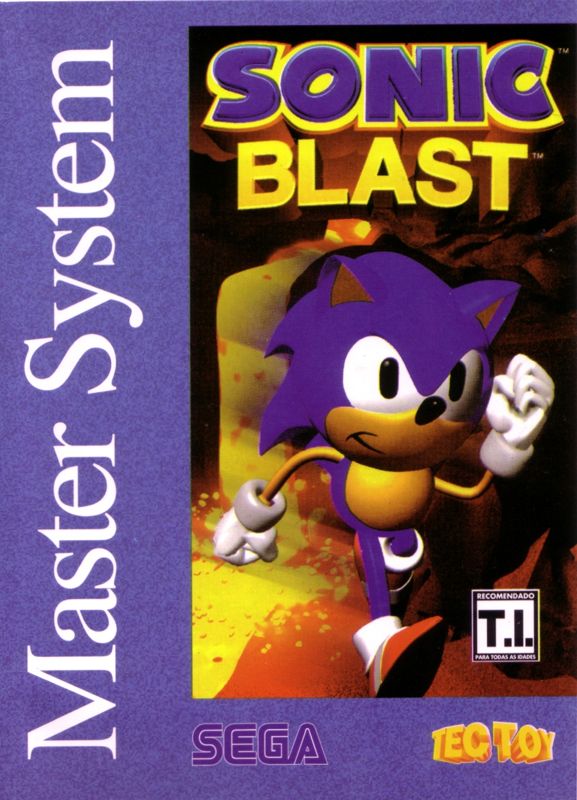
Sonic the Hedgehog,
Golden Axe,
Double Dragon,
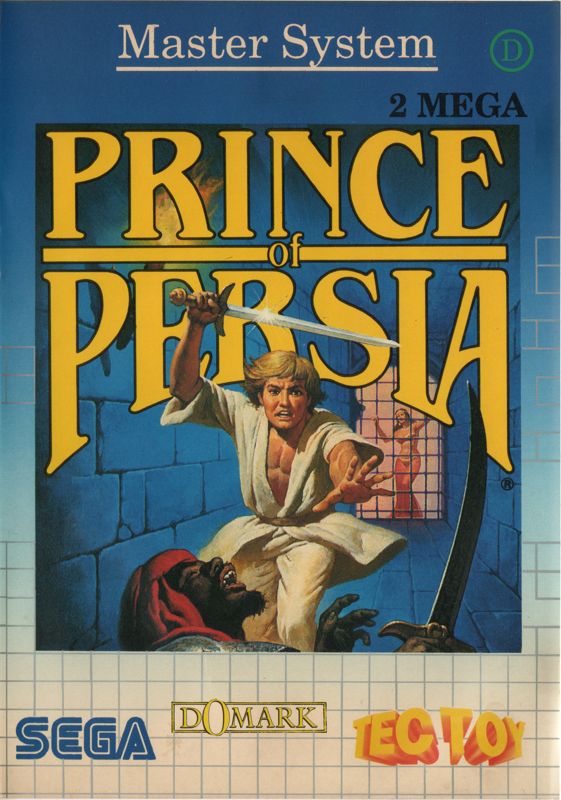
Prince of Persia, and
Lemmings.
In the decades following its commercial sunset, the platform transitioned into a thriving hobbyist ecosystem. Programmers leveraged modern development tools to bypass historical hardware limitations, creating technically ambitious homebrew titles. This movement produced diverse modern releases, including the expansive platformer
Silver Valley, the fast-paced shoot-'em-up
Flight of Pigarus, and contemporary titles like
Heroes Against Demons and
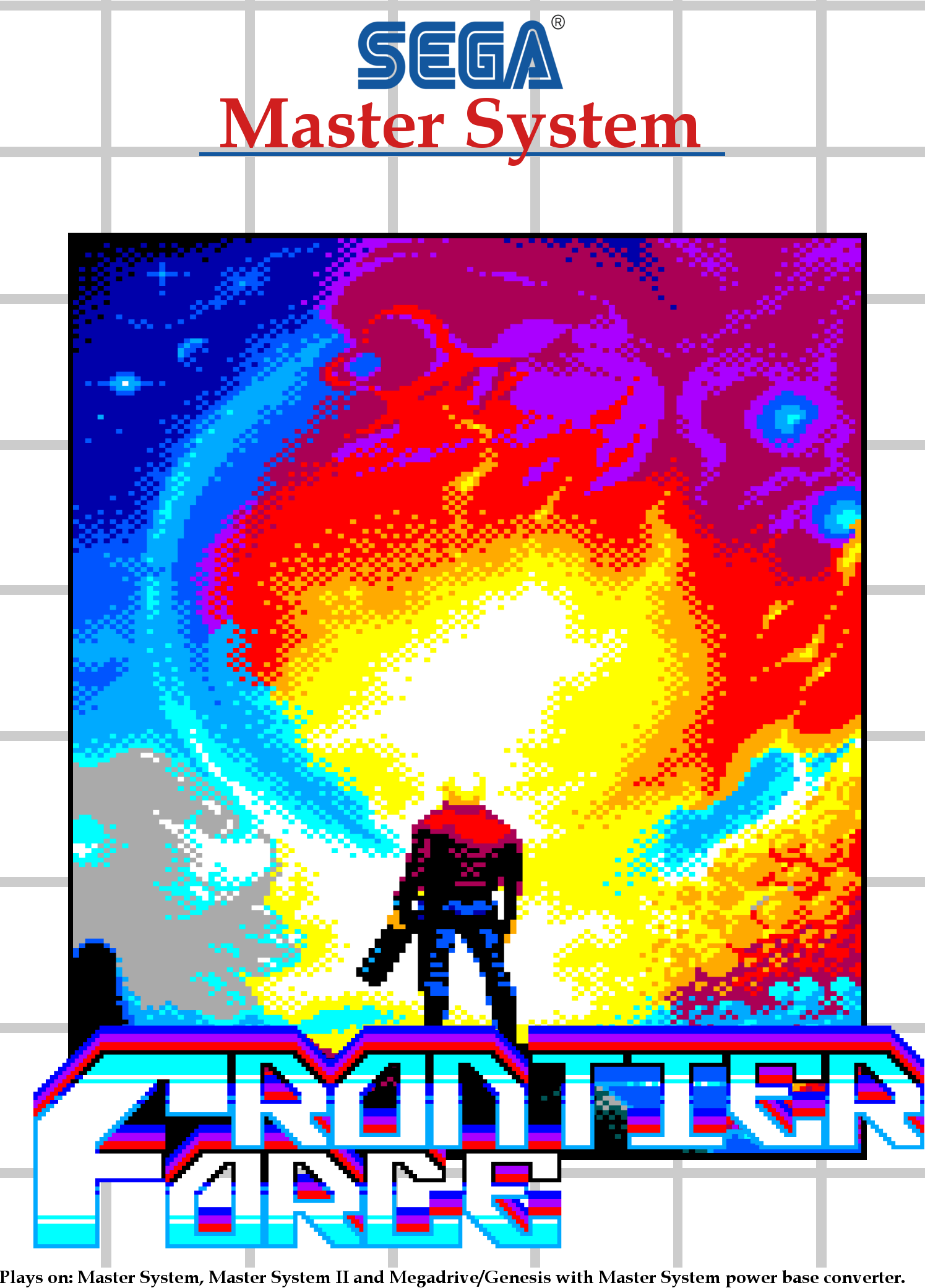
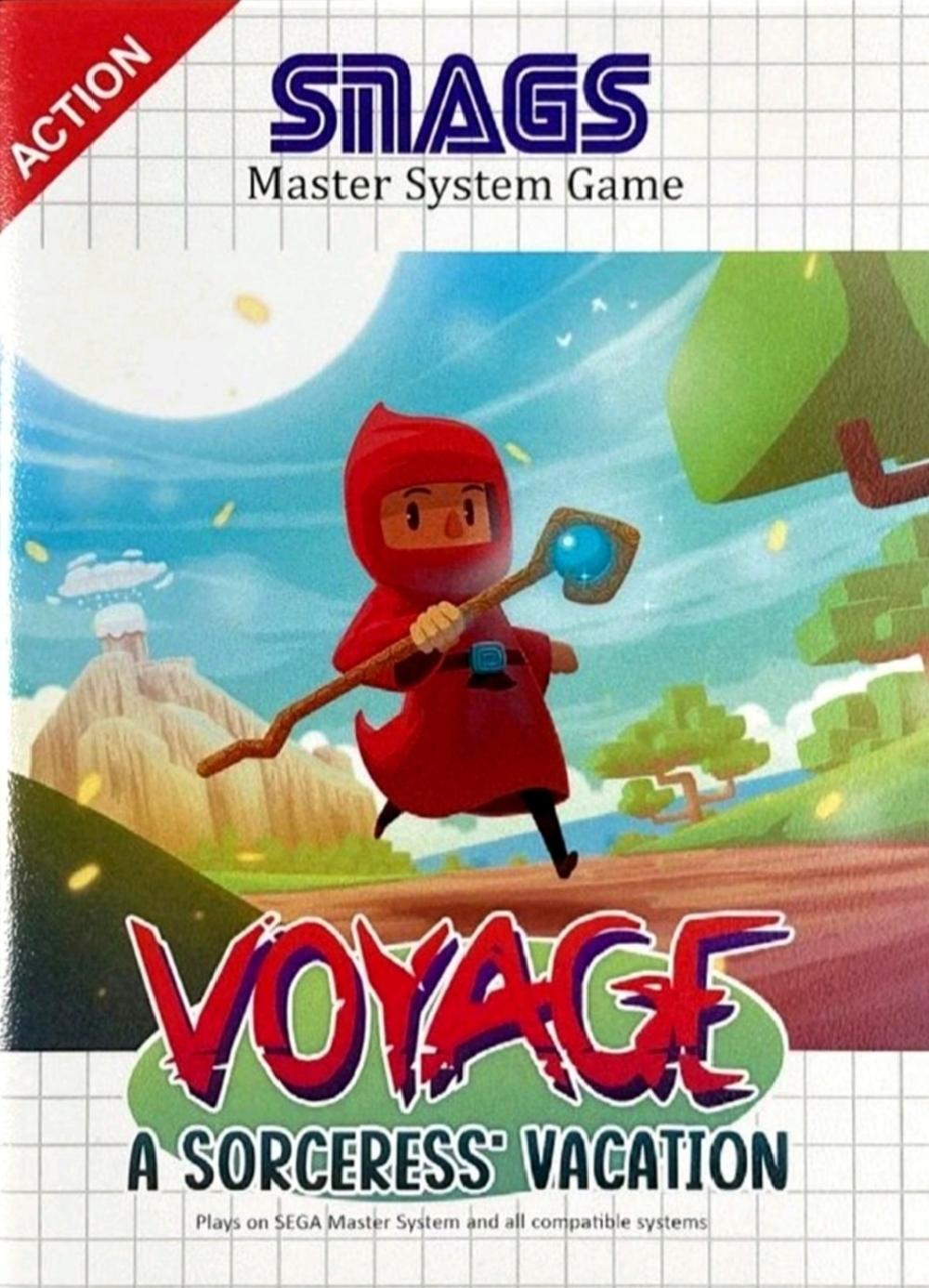
Voyage: A Sorceress' Vacation. These modern additions expand a software library that spans over forty years, cementing the system's position as a resilient target for independent game development.
_1.png)

.png)
.png)
.png)
.png)
.png)
.png)
.png)
.png)




.png)

.png)