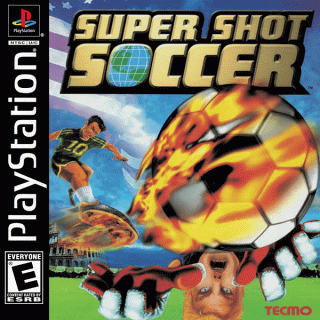
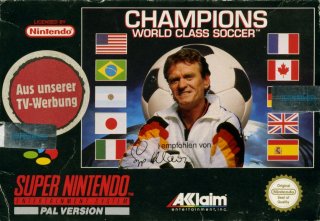
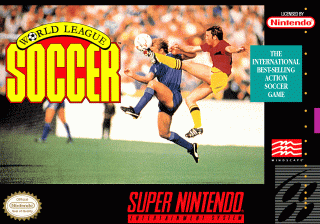
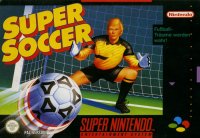
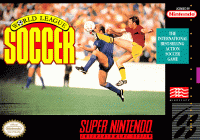
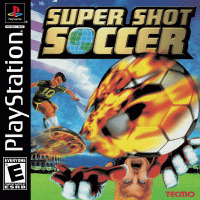
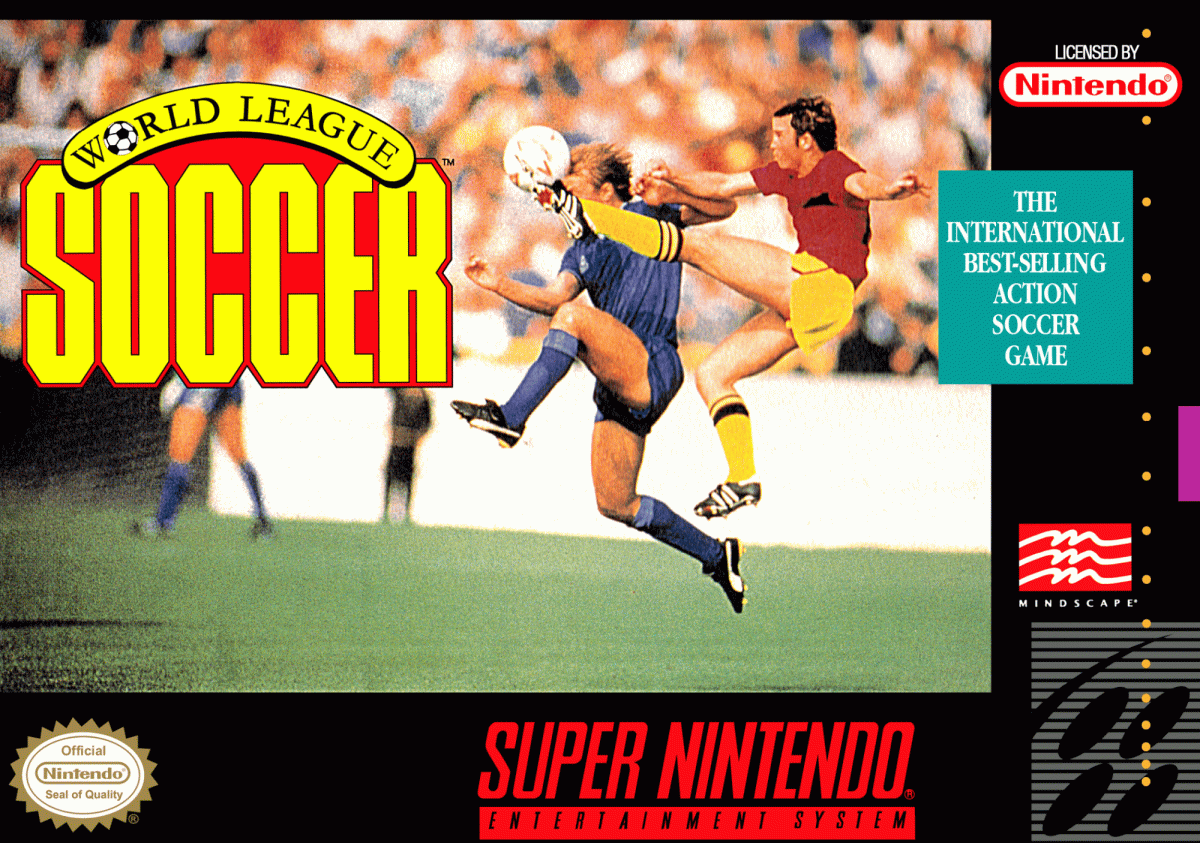
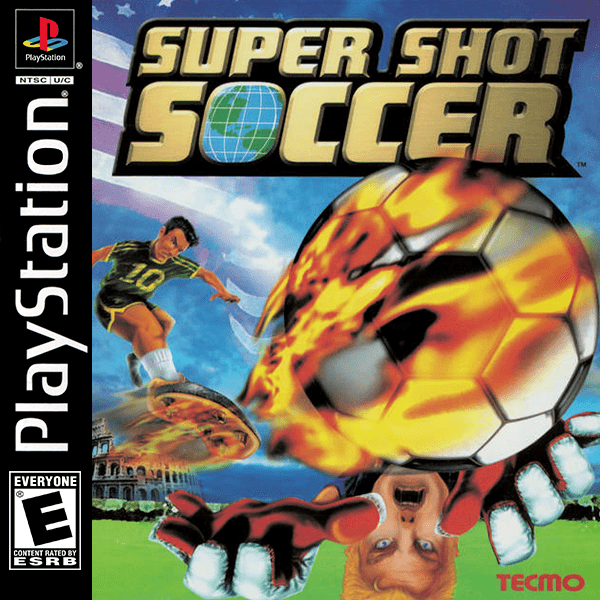
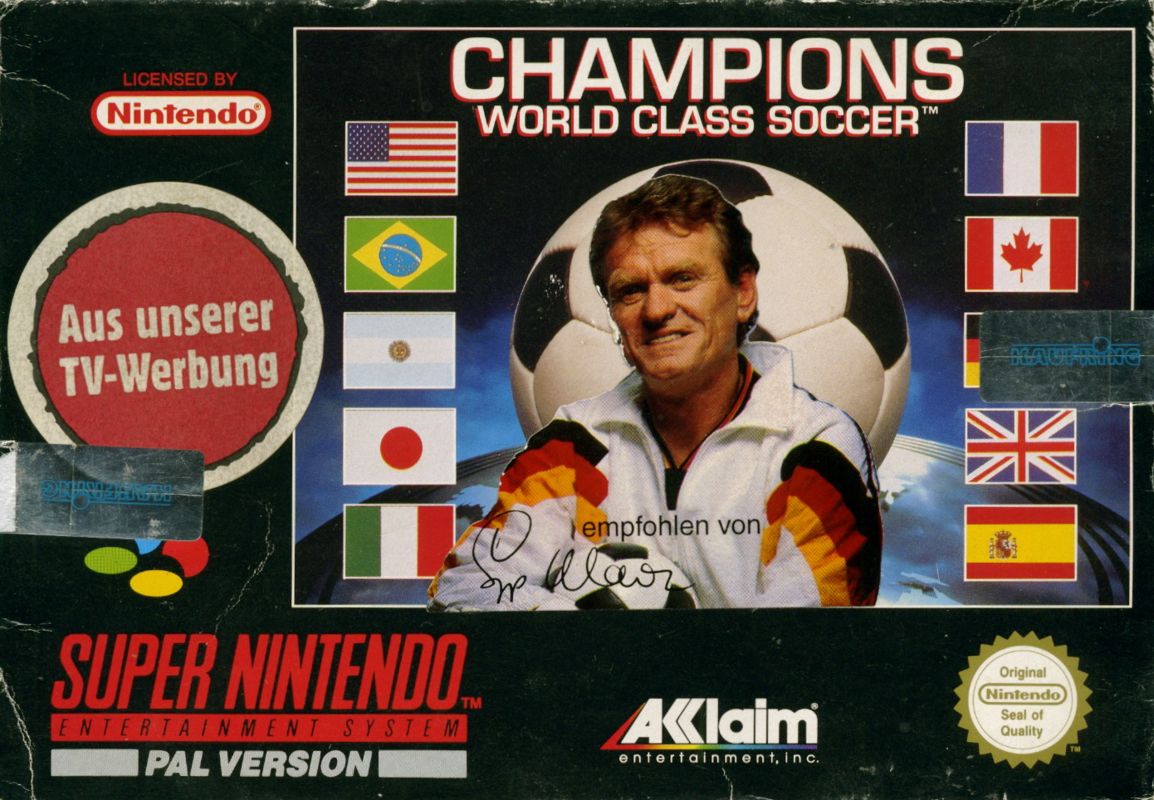
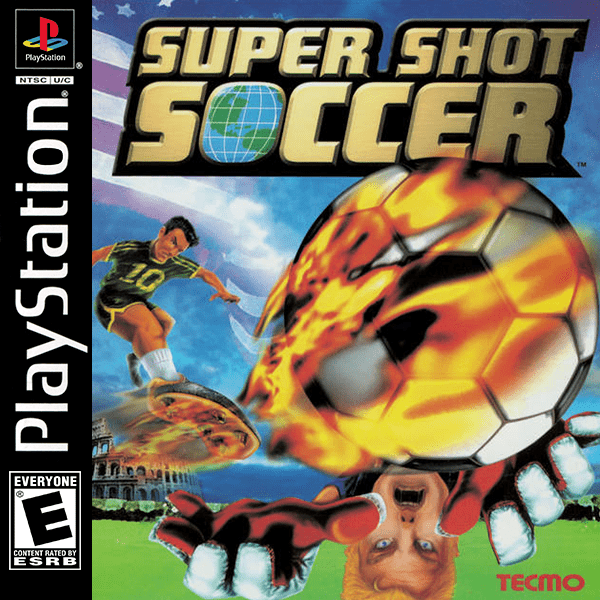
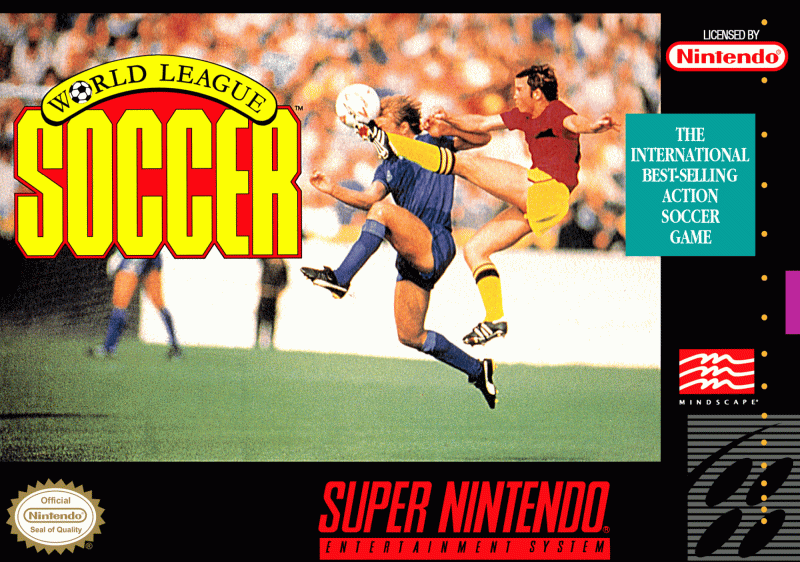
In retro sports titles like Super Soccer (1992) and Capcom's Soccer Shootout (1994), Brazil is featured as a top-tier playable national team, often possessing the highest speed and skill stats. In Super Shot Soccer (2002), the team is characterized by over-the-top special moves inspired by Brazilian culture, such as the 'Seismic Wave' and 'Samba Dance'. Across these games, including World League Soccer (1992) and Champions World Class Soccer (1994), they serve as a premier competitor and a frequent final boss archetype.
During the 16-bit era, licensing limitations often prevented developers from using real player names, which elevated the
Brazil team to a distinct, singular character entity within sports game design. In
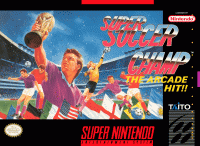
Super Soccer Champ (1992), the team's iconic yellow-and-green palette served as visual shorthand for aggressive artificial intelligence and high-tempo offensive pressure. This design philosophy carried over to
Champions World Class Soccer (1994), where the squad's attributes were modeled to reflect the real-world dominance of the era's national team, providing a benchmark difficulty level for solo tournament modes.
The transition of
Brazil into 3D gaming via
Super Shot Soccer (2002) expanded their mechanical identity. Beyond cultural motifs, the team utilized a unique tactical formation that prioritized midfield control and rapid counter-attacks, utilizing the game's physics engine to execute high-velocity shots. Across these diverse franchises, from the simulation-leaning
World League Soccer (1992) to Capcom's arcade-style offerings, the team functioned as a recurring mechanical standard. By consistently occupying the highest tier of speed, control, and AI aggression, this digital iteration of the team established a foundational archetype for sports game antagonists, influencing how difficulty curves were structured in early soccer titles.