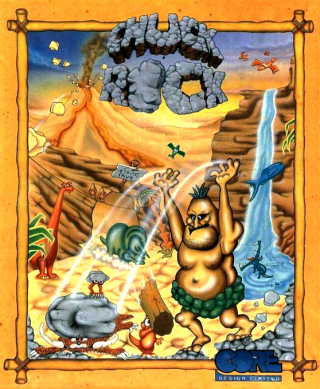
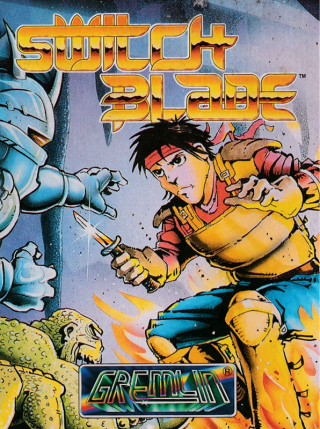
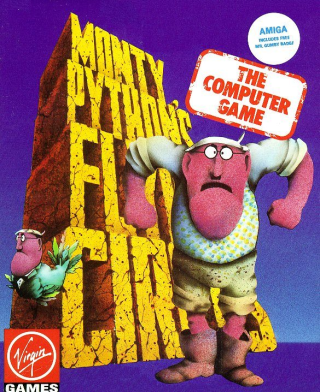
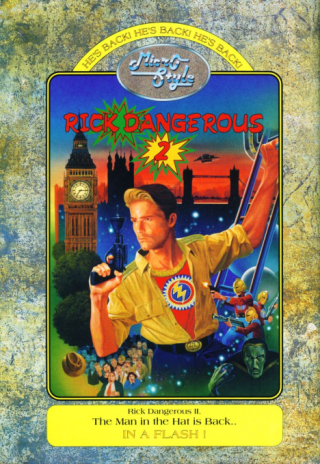
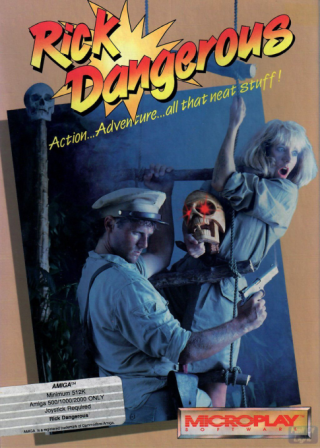
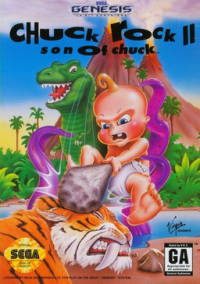
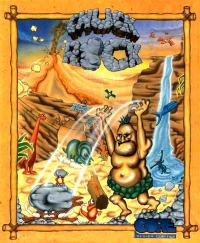
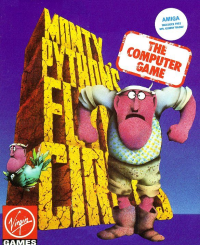
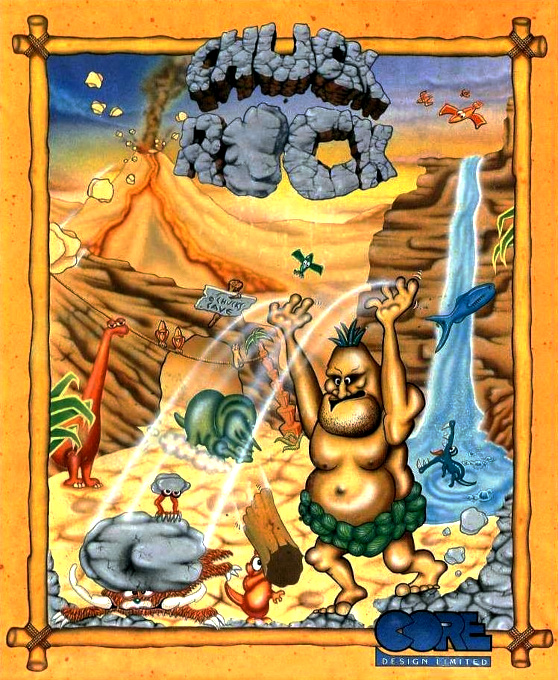
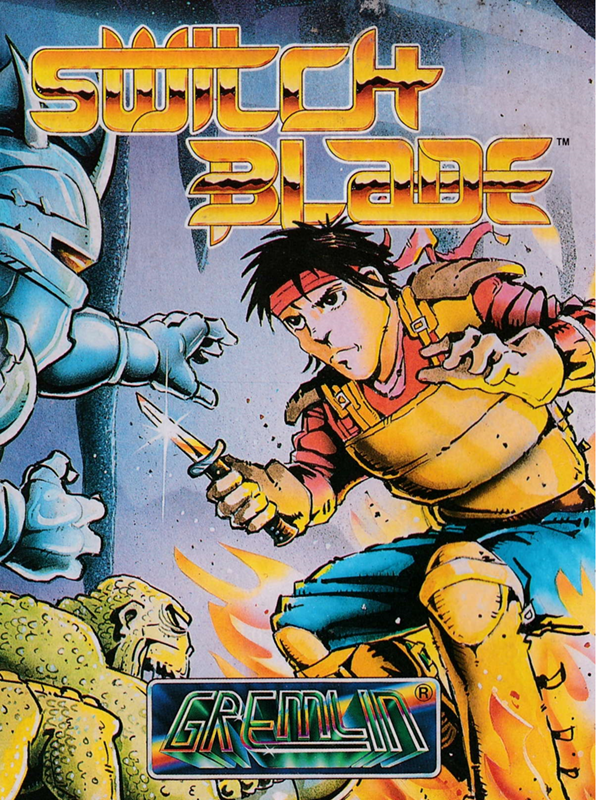
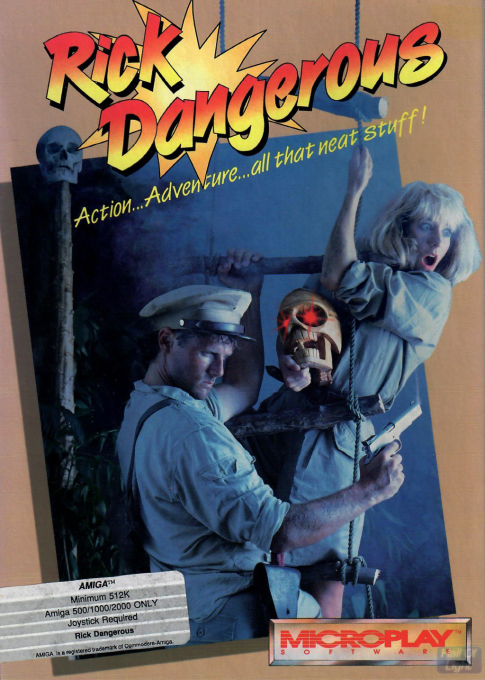
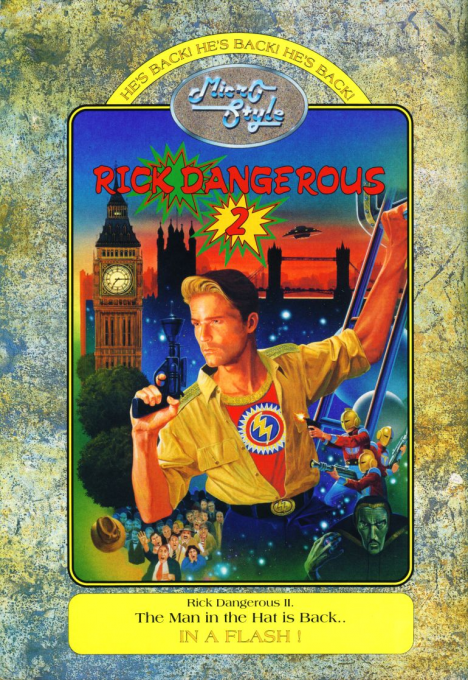
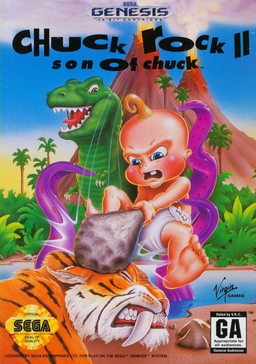
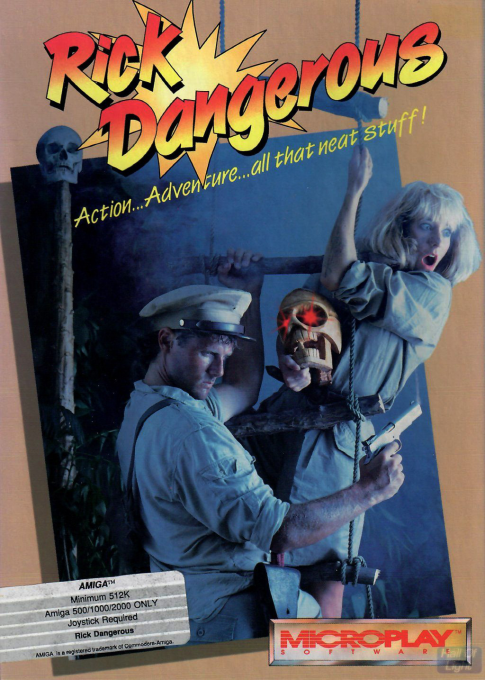
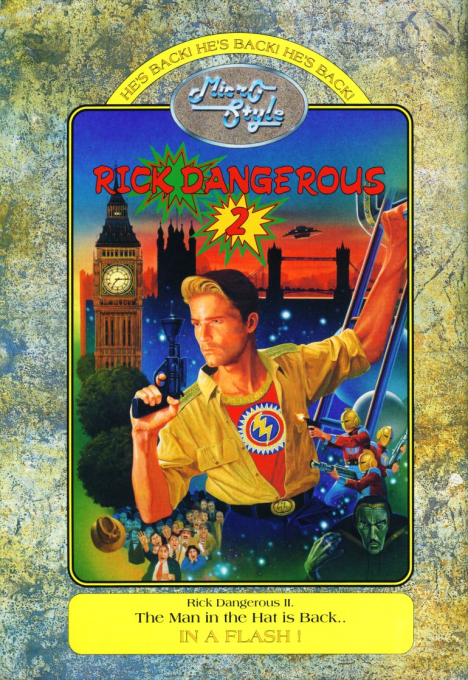
This developer is associated with the creation and release of classic 16-bit era titles such as Rick Dangerous (1989) and Rick Dangerous 2 (1990). They also worked on the prehistoric platformers Chuck Rock (1992) and Chuck Rock II (1994). Their portfolio includes other notable releases like Monty Python's Flying Circus and Switchblade.
Operating during a transformative period in British game development, the studio's design philosophy heavily influenced the evolution of action-adventure gaming. The trap-laden, hazard-heavy level design of
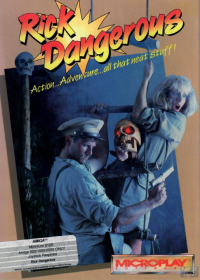
Rick Dangerous and
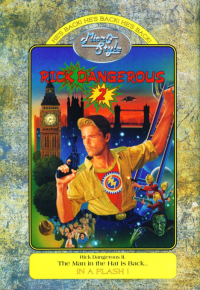
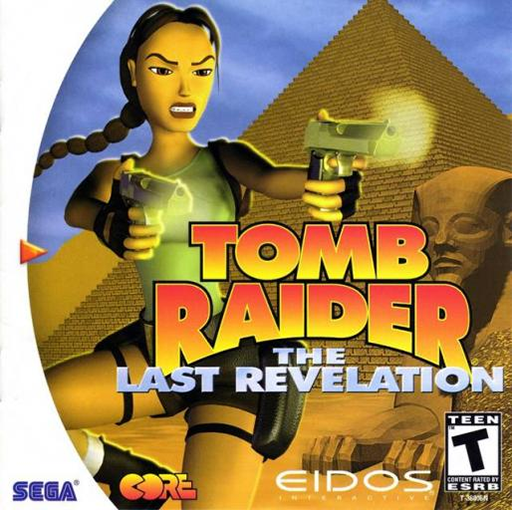
Rick Dangerous 2 served as a direct spiritual precursor to the mechanics later popularized by the
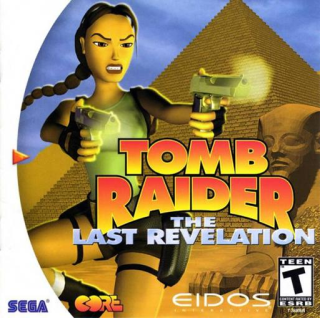
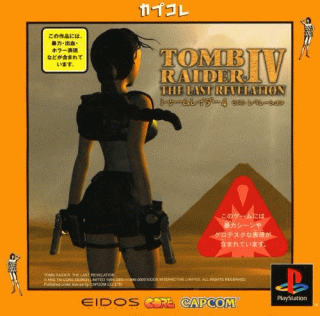
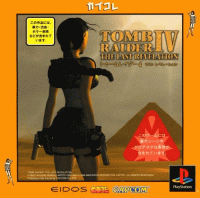
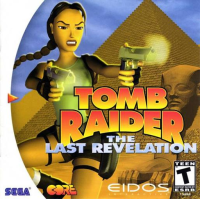
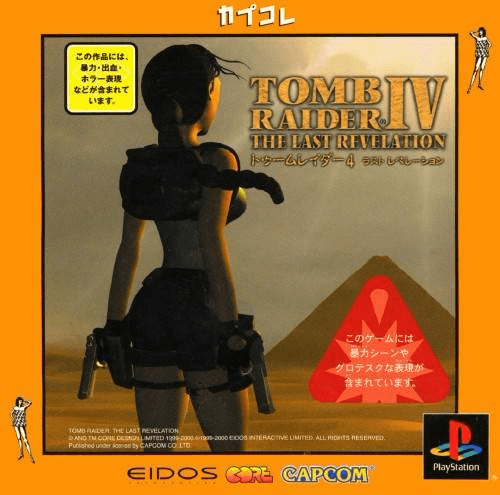
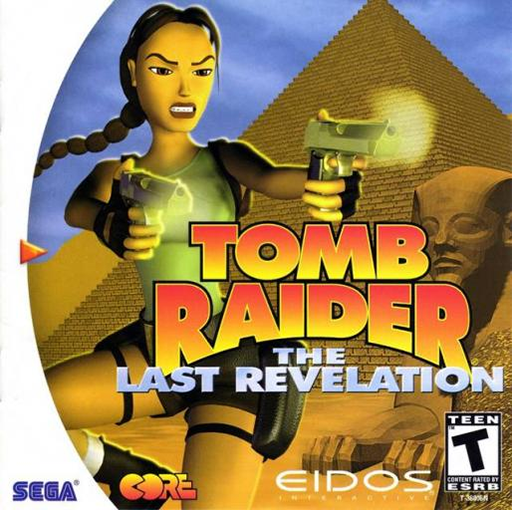
Tomb Raider franchise. This transition from 2D grid-based puzzle platforming to 3D exploration remains a landmark lineage in gaming history.
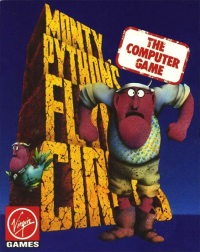
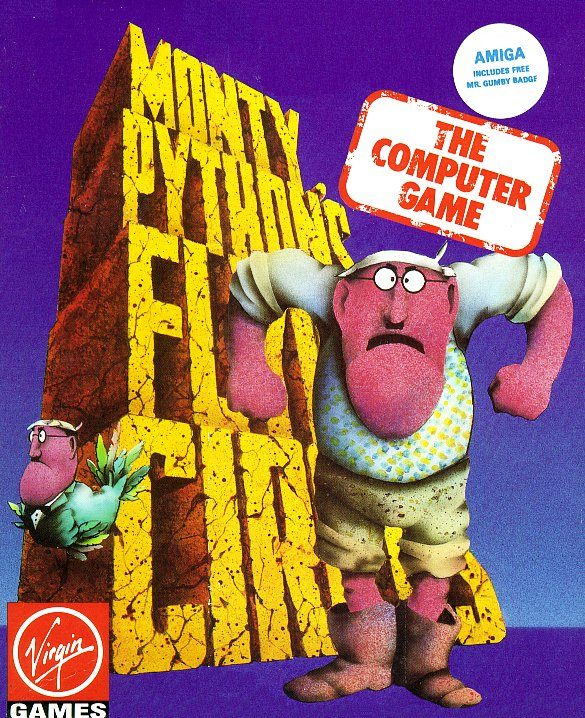
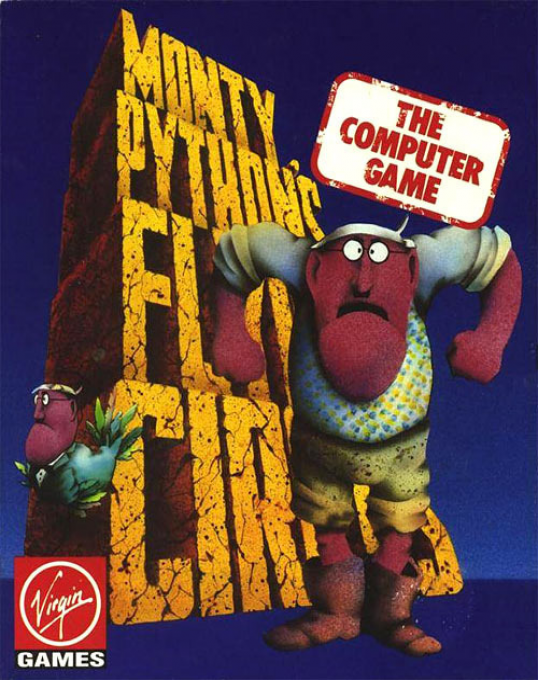
The developer's versatility was further demonstrated through licensed properties and genre experimentation. They brought surreal British humor to interactive media with the 1990 and 1991 releases of
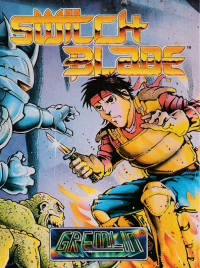
Monty Python's Flying Circus, translating the television show's sketch comedy into side-scrolling gameplay. In 1991, they delivered the cybernetic action-platformer
Switch Blade, showcasing intricate sprite work and melee combat. Following the success of the prehistoric
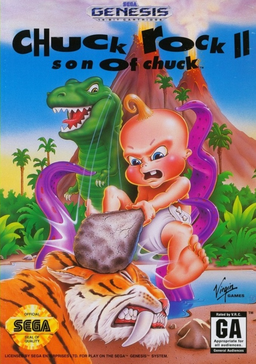
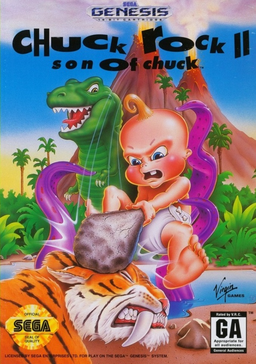
Chuck Rock and its sequel
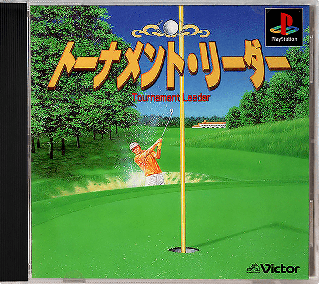
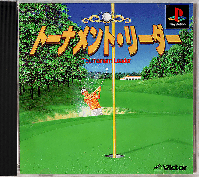
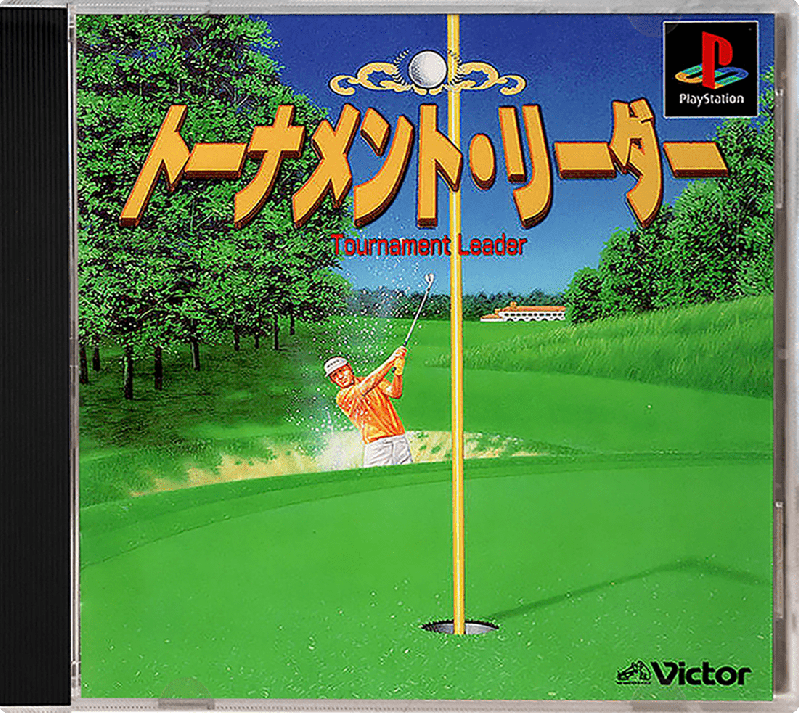
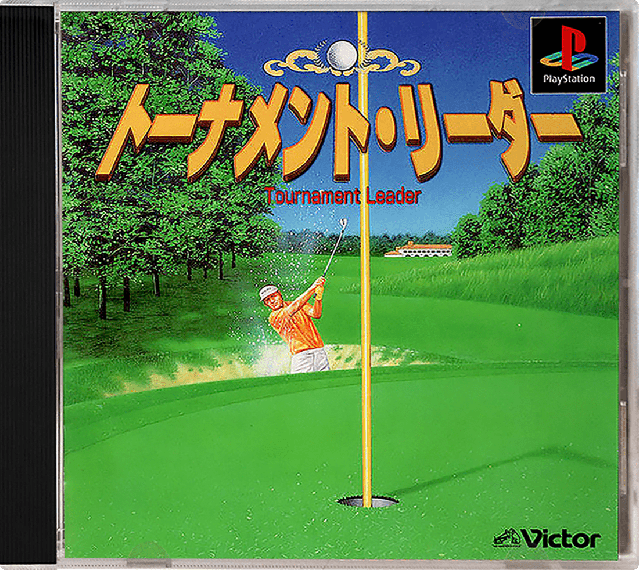
Chuck Rock II, the studio diversified into sports simulation with the 1996 release of
Tournament Leader, a golf title that marked one of their final contributions to this era of software development before the industry's widespread transition to 3D graphics.