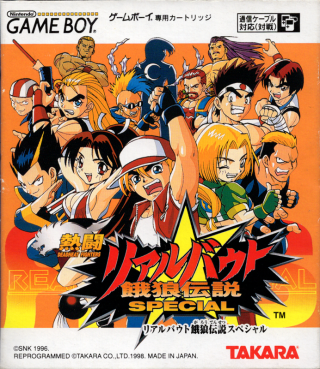
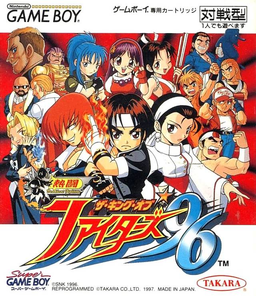
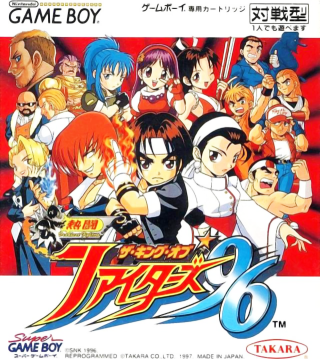
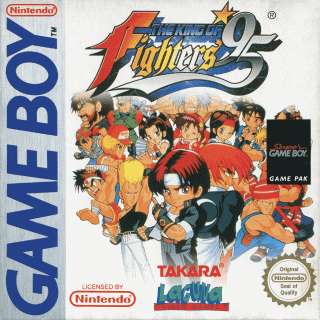
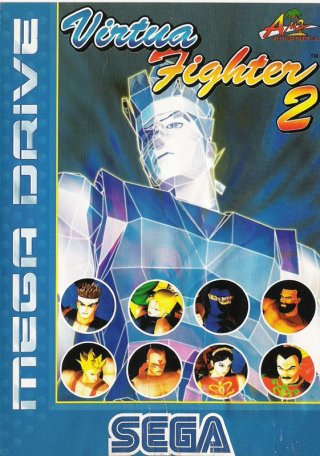
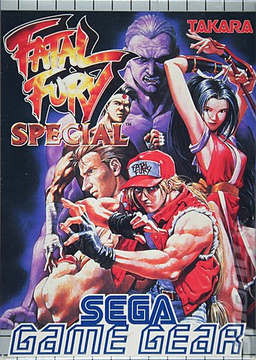
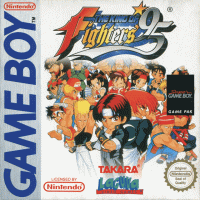
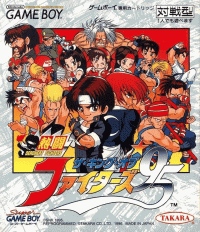
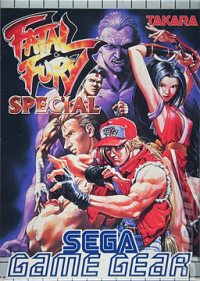
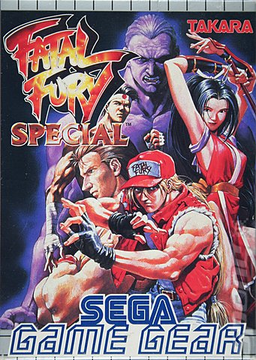
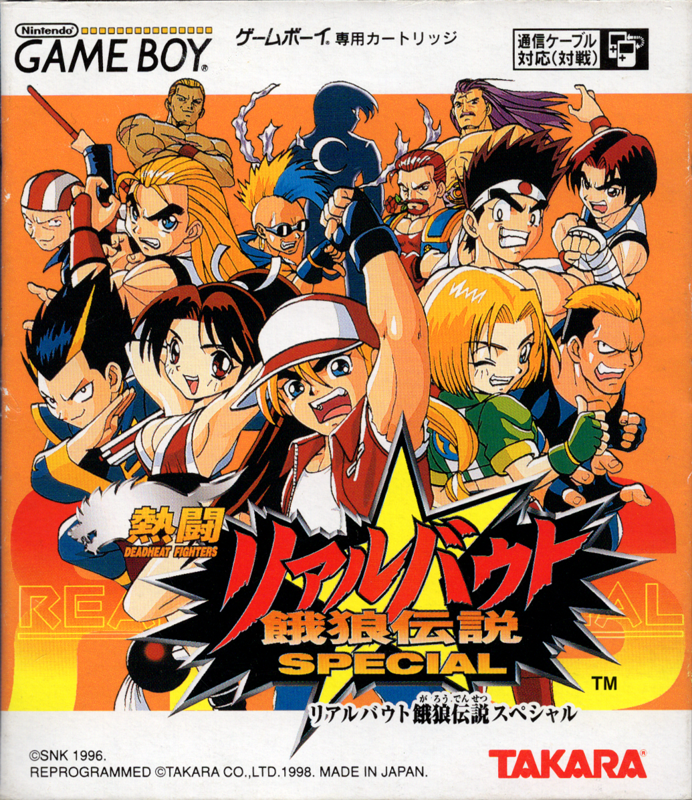
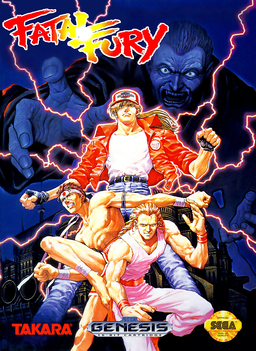
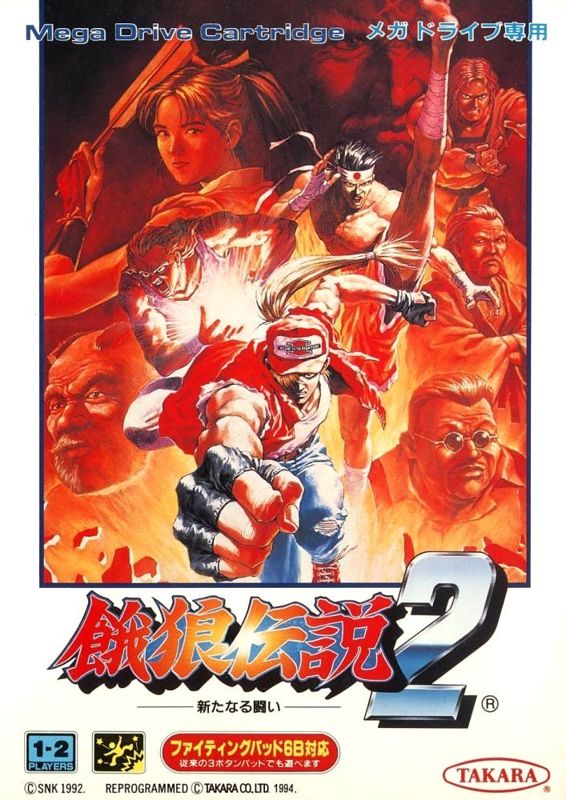
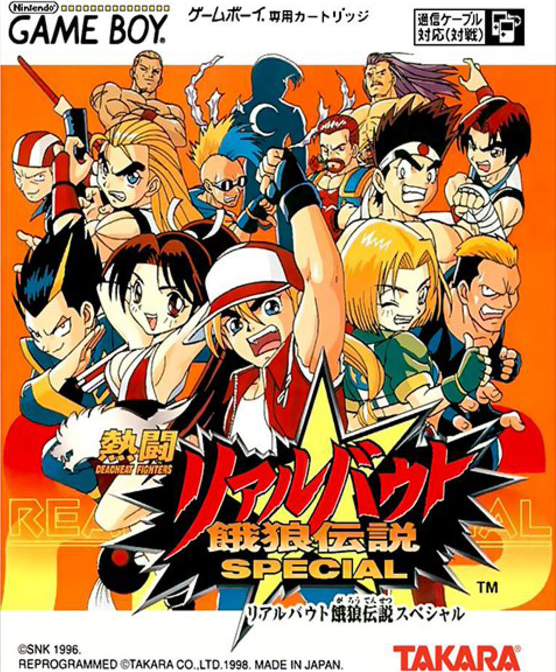
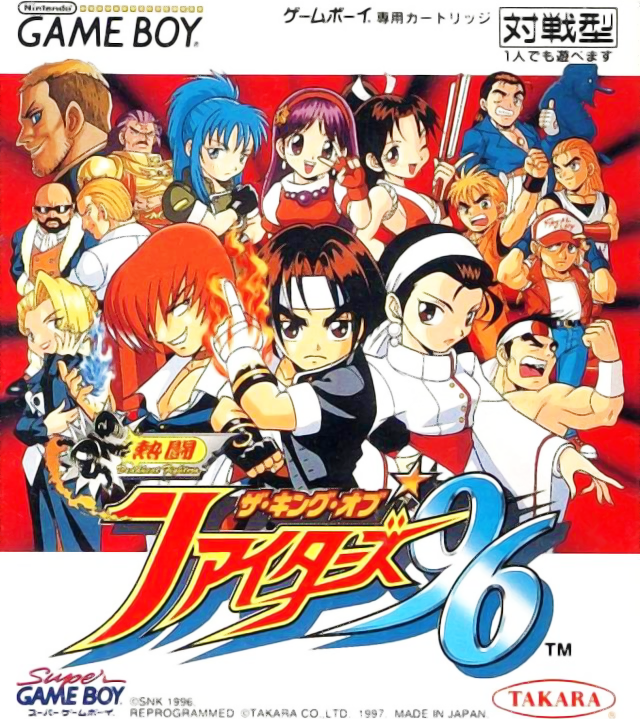
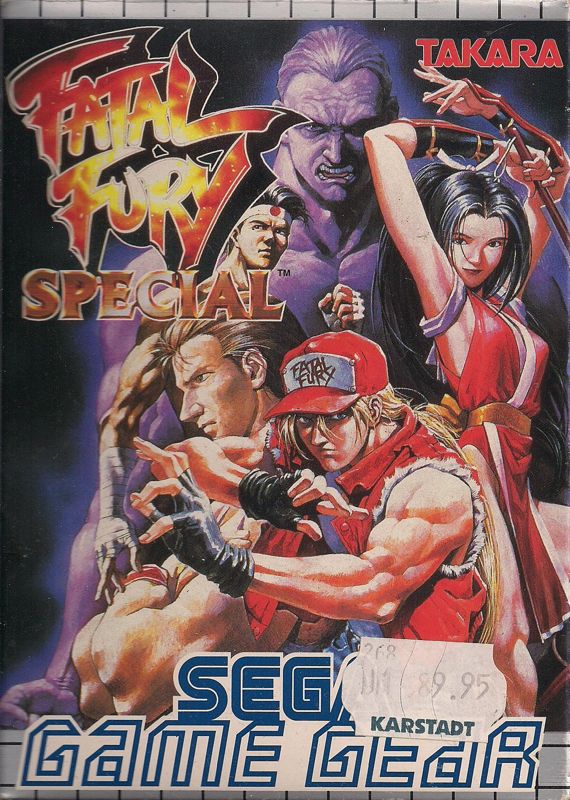
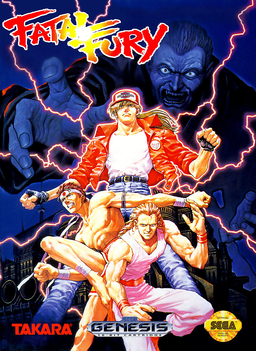
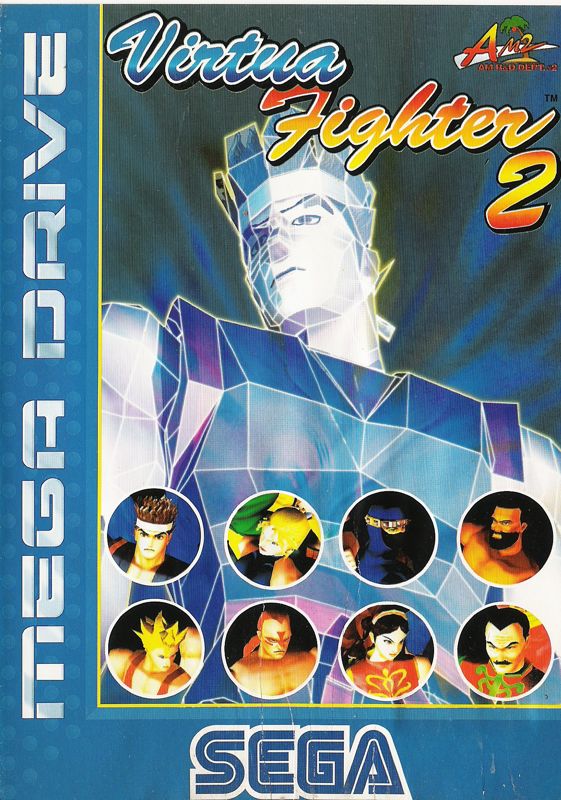
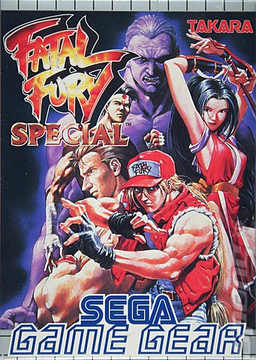
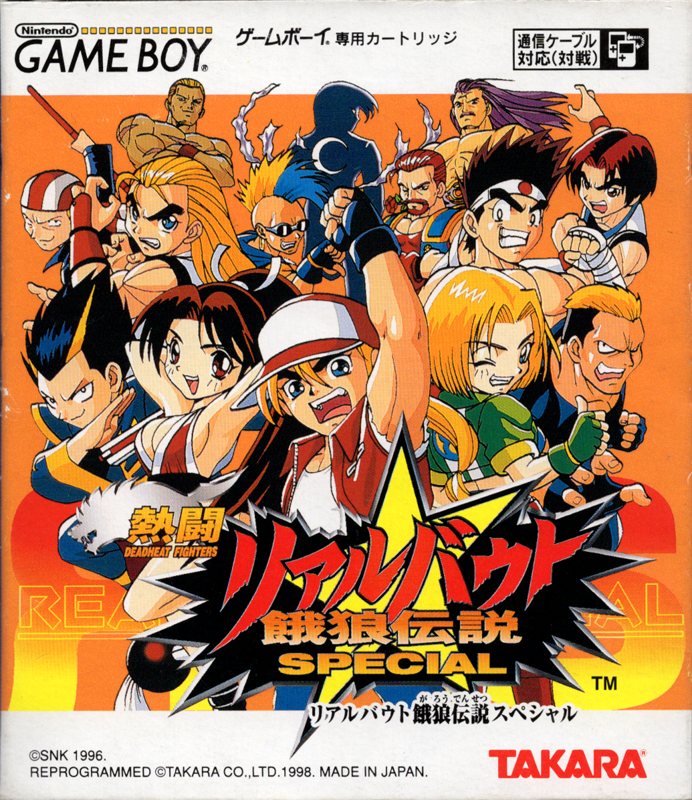
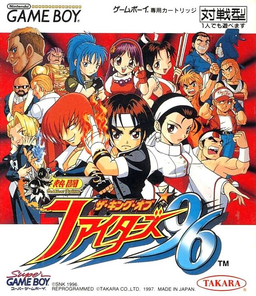
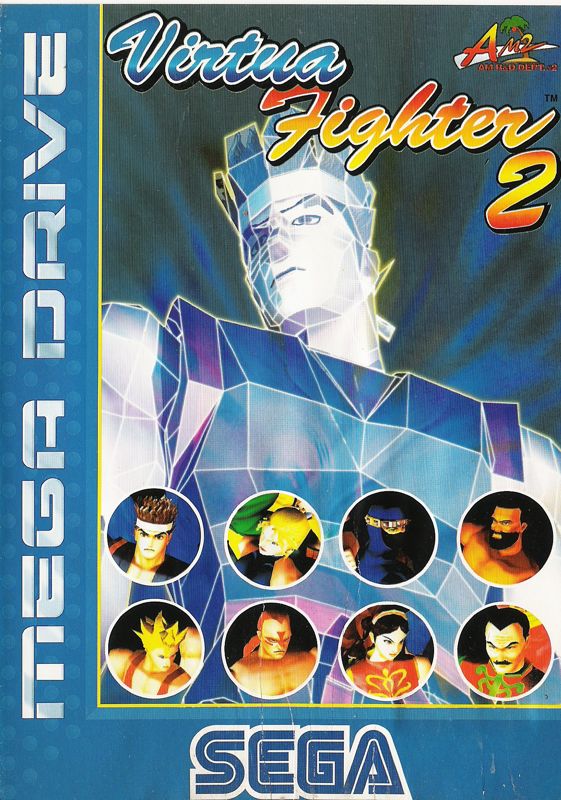
Gaibrain specialized in adapting major arcade fighting franchises to the 8-bit Game Boy hardware. They developed the handheld ports of Fatal Fury, Fatal Fury 2, Fatal Fury Special, and Nettou King of Fighters 95, as well as the Game Boy version of Sega's Virtua Fighter 2. These ports were highly regarded for translating complex fighting game mechanics into a portable format.
Operating in close partnership with publisher Takara, the developer established a distinct niche by redesigning complex arcade systems for Nintendo's monochrome handheld. To accommodate hardware limitations, these releases adopted a super-deformed, "chibi" art style, which became a signature aesthetic of Takara's "Nettou" series.
For
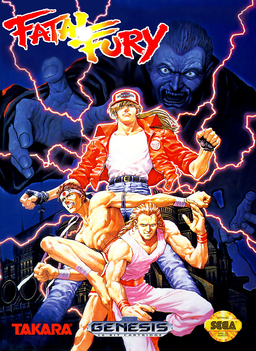
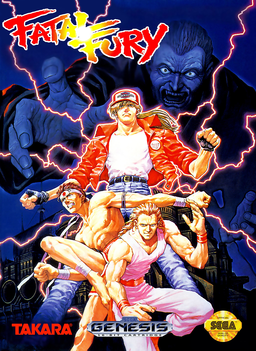
Fatal Fury (1993) and
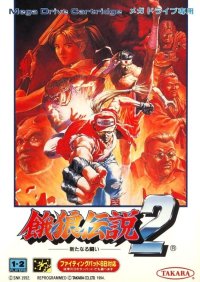
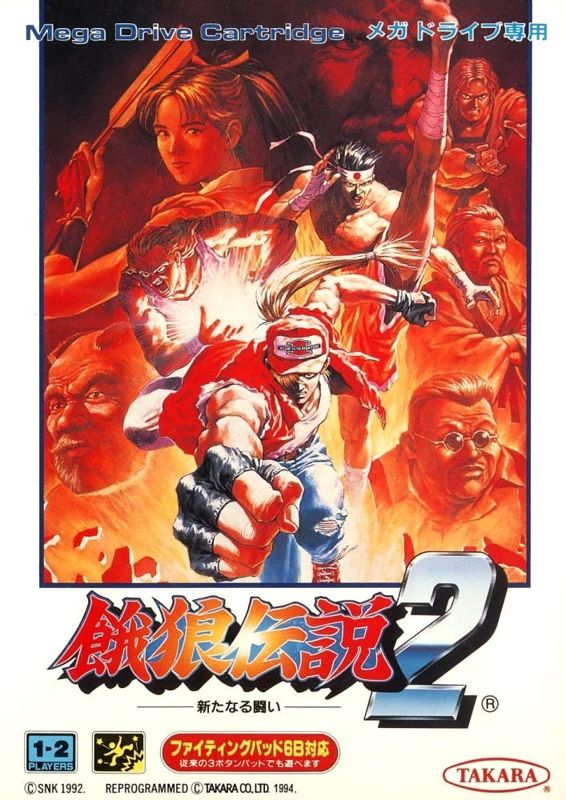
Fatal Fury 2 (1994), the developer condensed multi-plane movement and multi-button layouts into a functional two-button scheme. This design philosophy carried over to
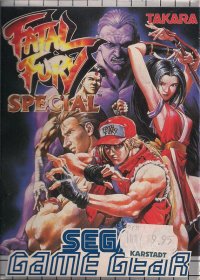
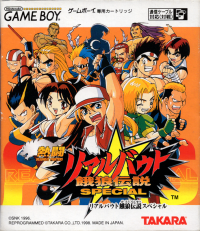
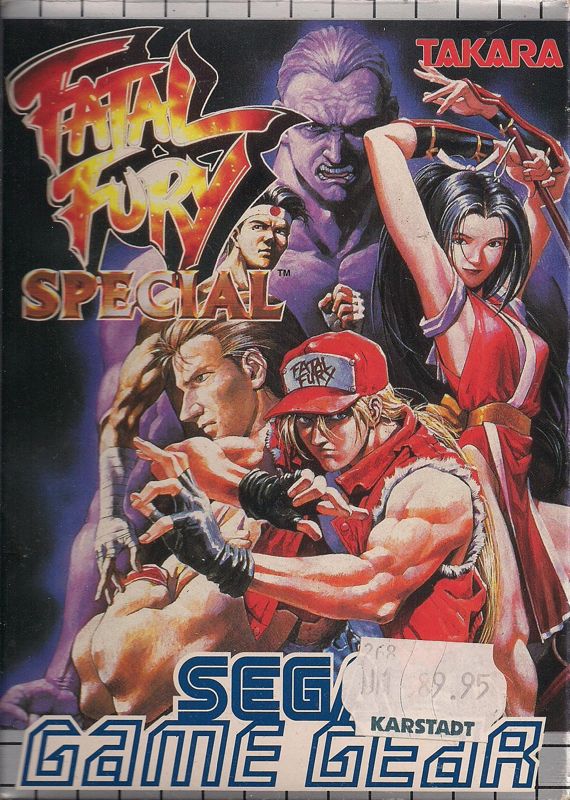
Garou Densetsu Special (1994)—released internationally as
Fatal Fury Special (1995)—which preserved the large character roster of the arcade original.
The developer's technical capabilities were further demonstrated in
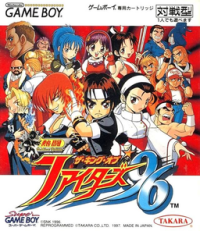
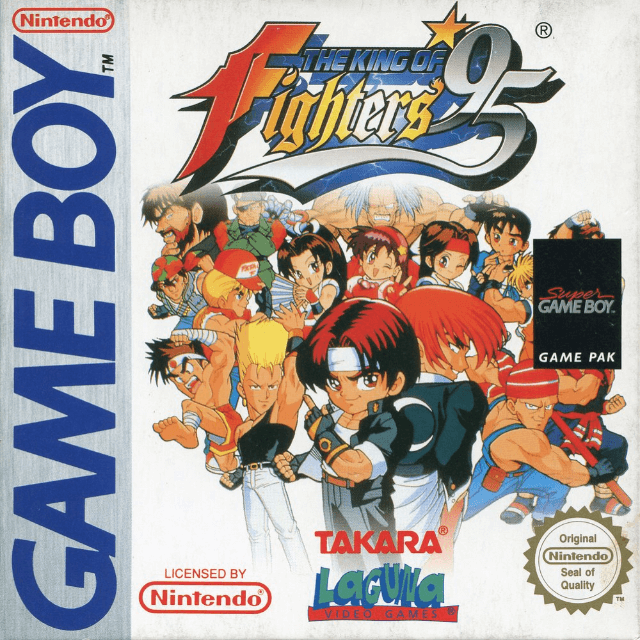
Nettou King of Fighters 95 (1996), which successfully introduced team-battle mechanics and hidden crossover characters. Transitioning from 2D to 3D adaptations, the studio converted Sega's seminal polygon-based fighter into a 2D sprite-based format for the Game Boy releases of
Virtua Fighter 2 in 1996 and 1997. These titles collectively defined the standard for portable fighting game design during the 1990s.