Founded in 1992, Jupiter Corporation became prominent for developing Nintendo puzzle titles including Mario's Picross, Mario no Super Picross, and Picross 2. The studio also developed handheld spin-offs such as Pokemon Pinball and Pokemon Pinball: Ruby and Sapphire. Additionally, they co-developed the Game Boy Advance action RPG Kingdom Hearts: Chain of Memories, expanding the Kingdom Hearts franchise.
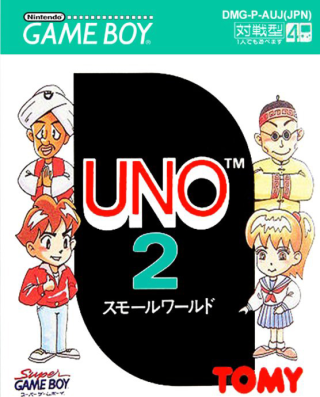
The studio's early output on Nintendo hardware established a reputation for adapting diverse properties into portable formats. In 1995, the developer released
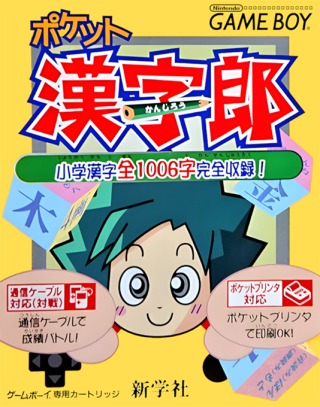
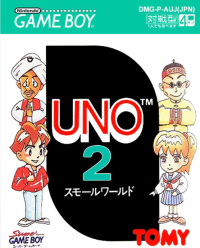
Uno 2: Small World, showcasing an early aptitude for digital card game adaptations. This expertise in handheld design carried over to educational and utility software, such as the 1998 release
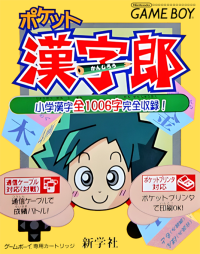
Pocket Kanjirou.
Within the Mario franchise, the release of
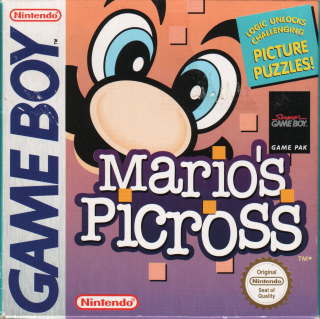
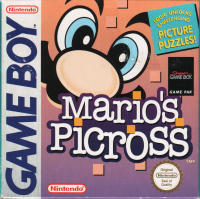
Mario's Picross (1995) initiated a long-running association with picture puzzles. This was quickly followed by
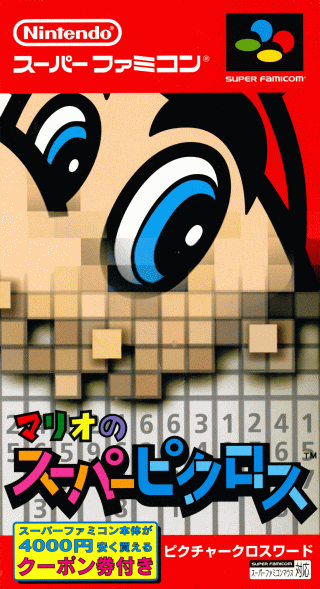
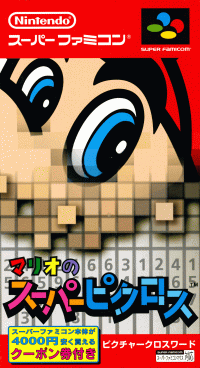
Mario no Super Picross (1995) on the Super Famicom and
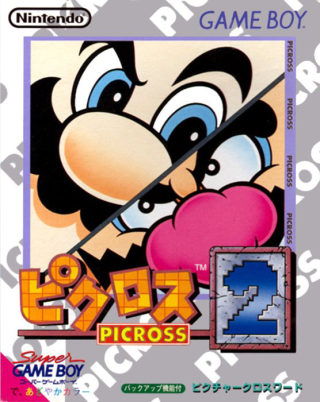
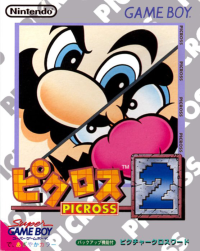
Picross 2 (1996) on the Game Boy, solidifying the developer's role in defining Nintendo's puzzle game catalog.
For the Pokemon franchise, the studio integrated traditional pinball mechanics with monster-collecting elements.
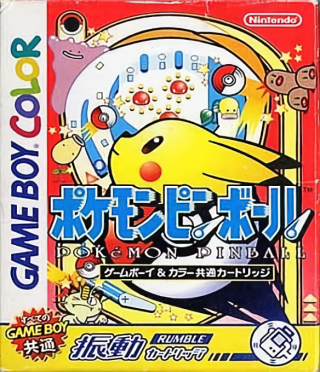
Pokemon Pinball (2000) featured an innovative rumble-enabled Game Boy Color cartridge, a feature refined in the Game Boy Advance sequel
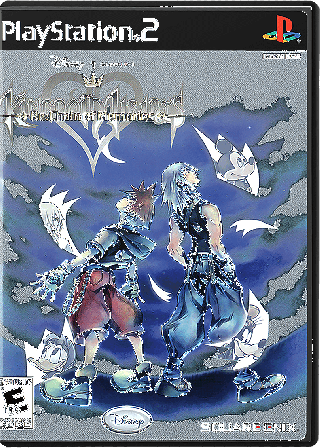
Pokemon Pinball: Ruby and Sapphire (2003). The studio's design philosophy culminated in the Kingdom Hearts franchise with
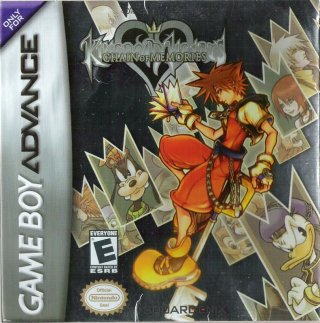
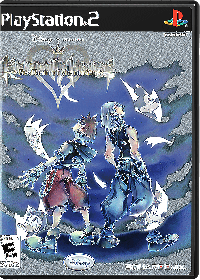
Kingdom Hearts: Chain of Memories (2004). This title introduced a unique card-based combat system that successfully translated the action-RPG elements of the console original into a narrative-heavy handheld experience.