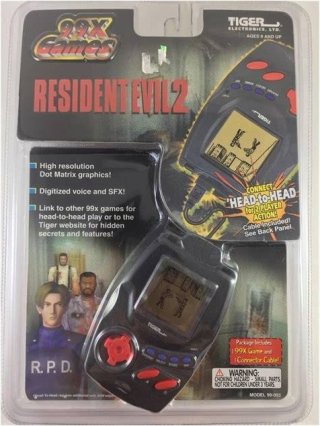
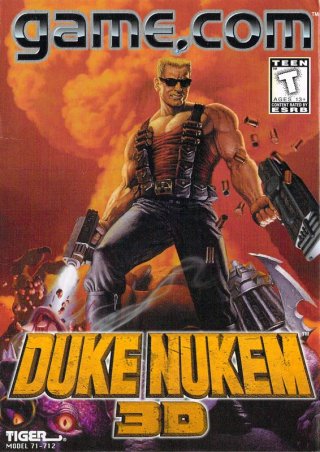
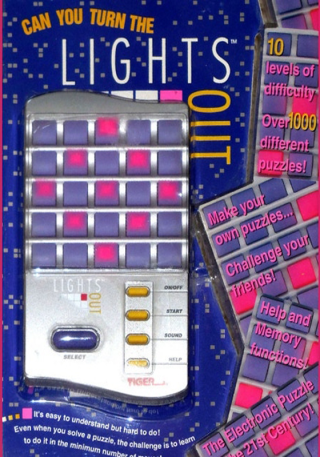
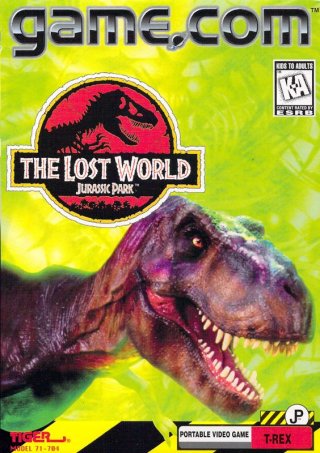
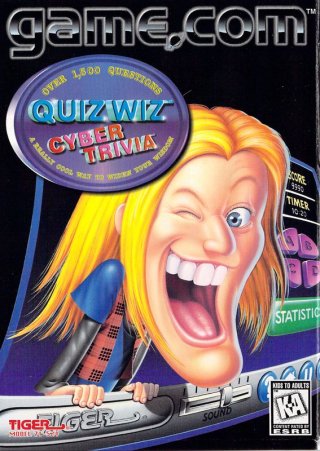
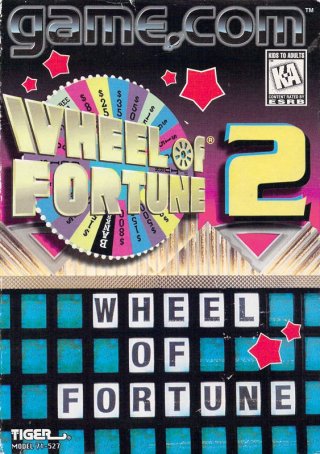
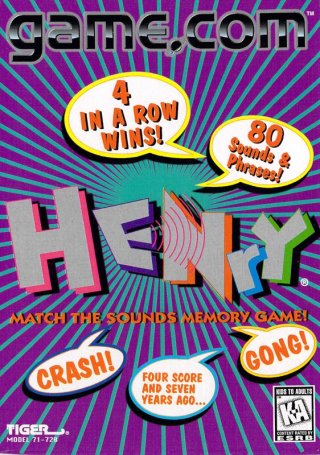
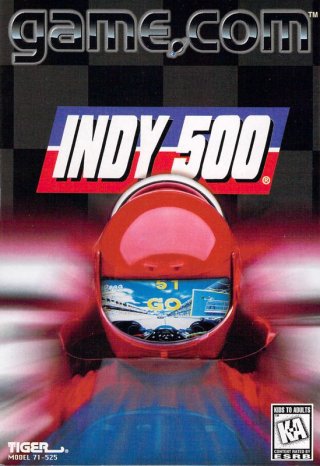
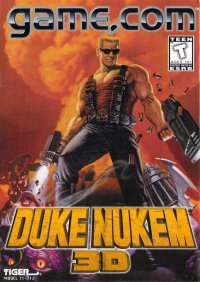
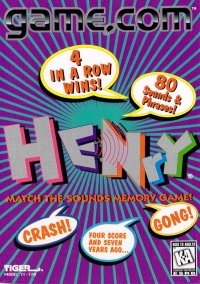
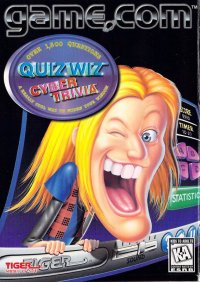
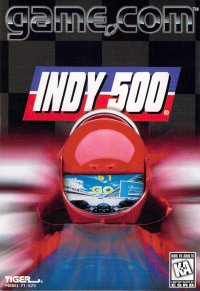
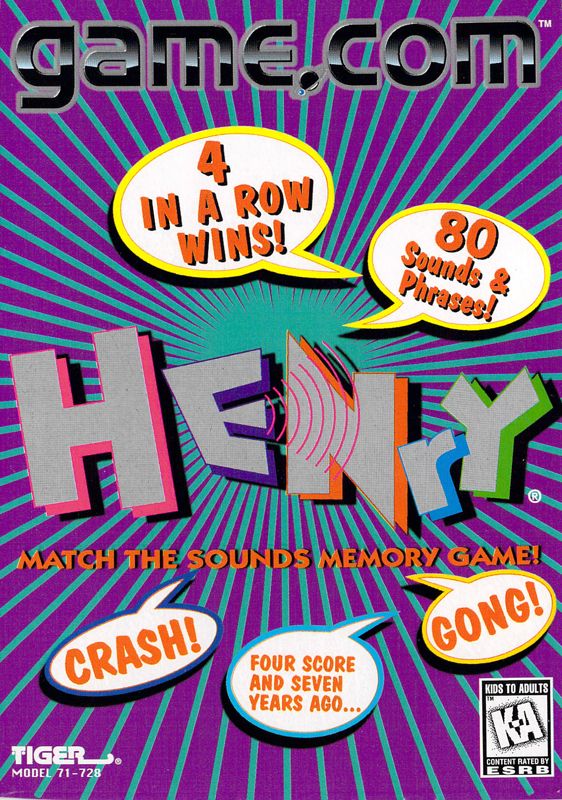
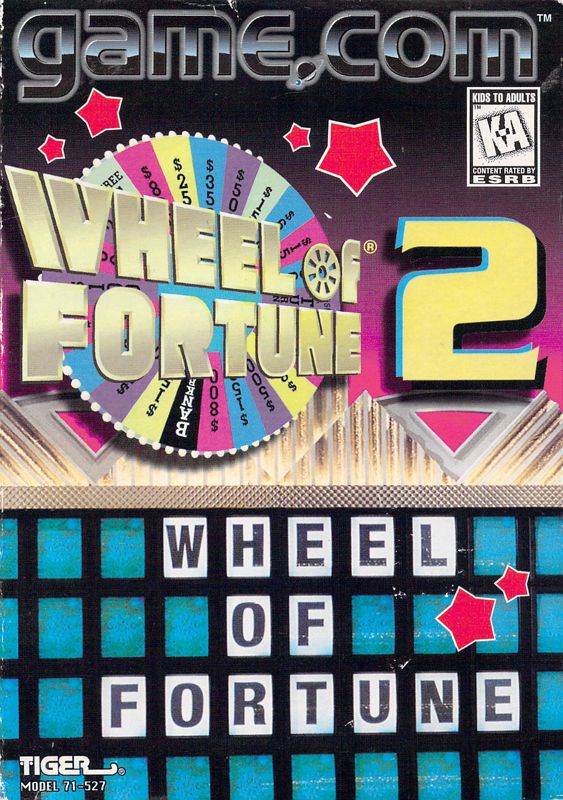
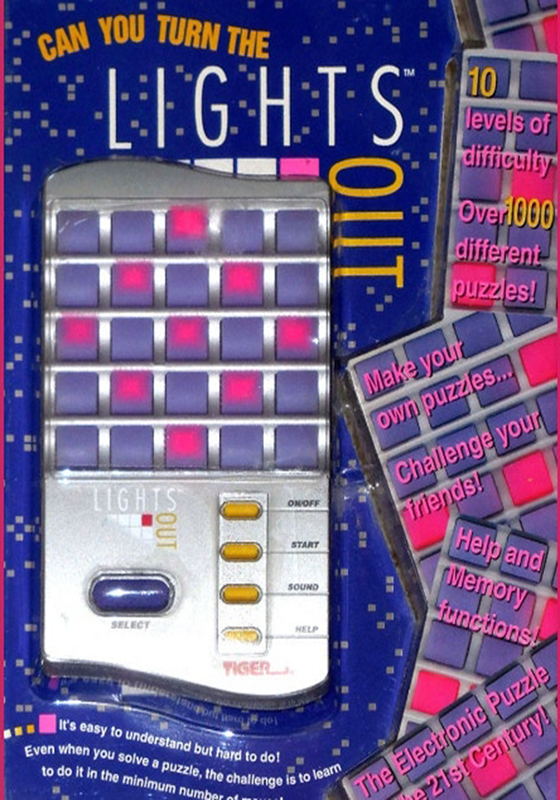
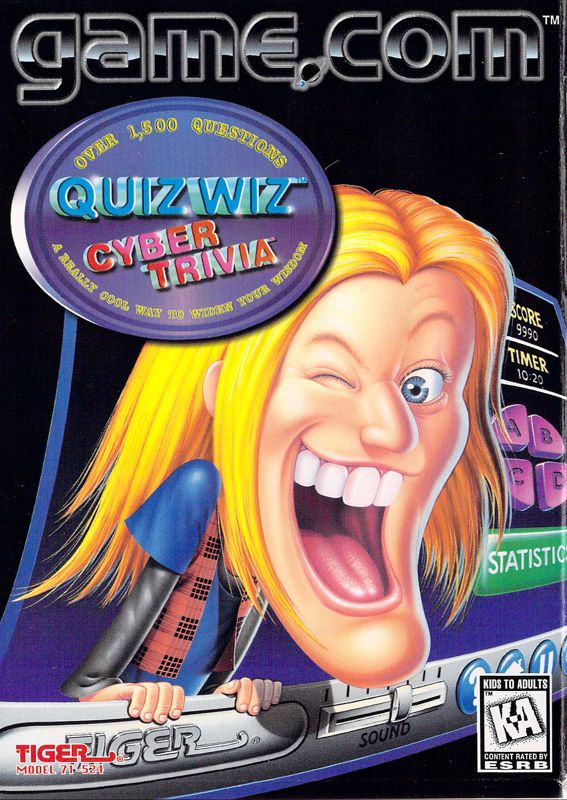
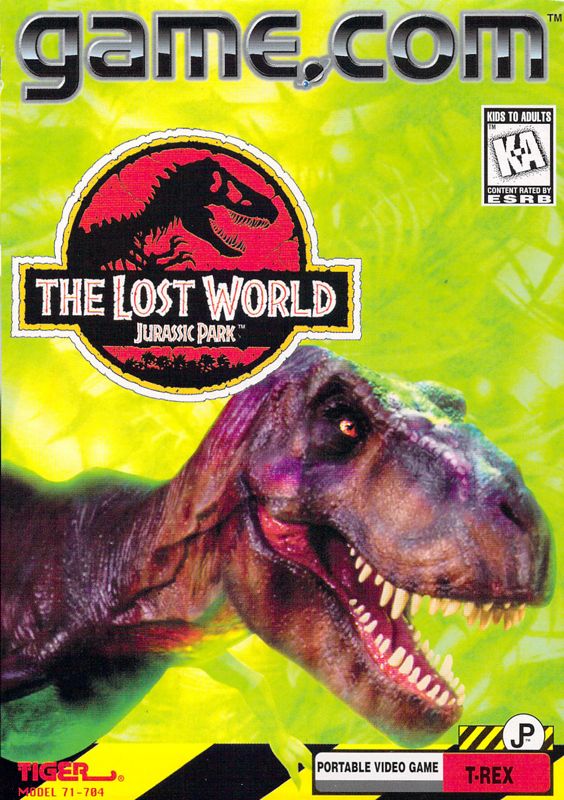
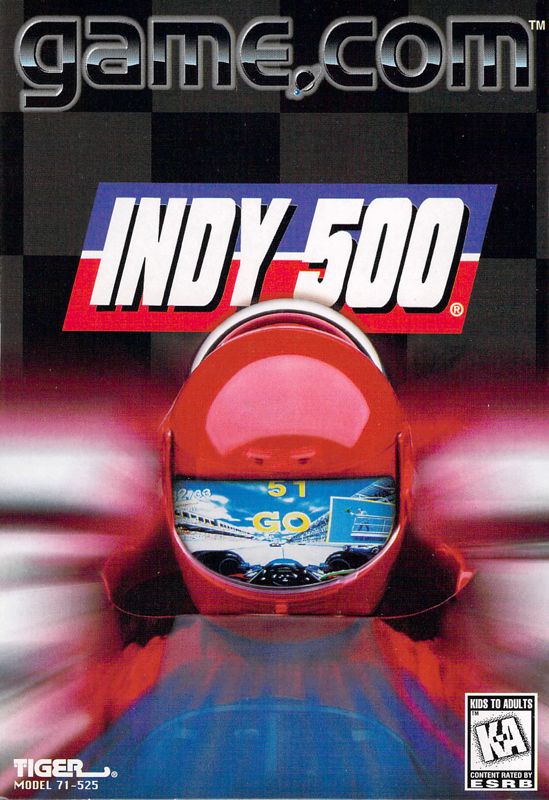
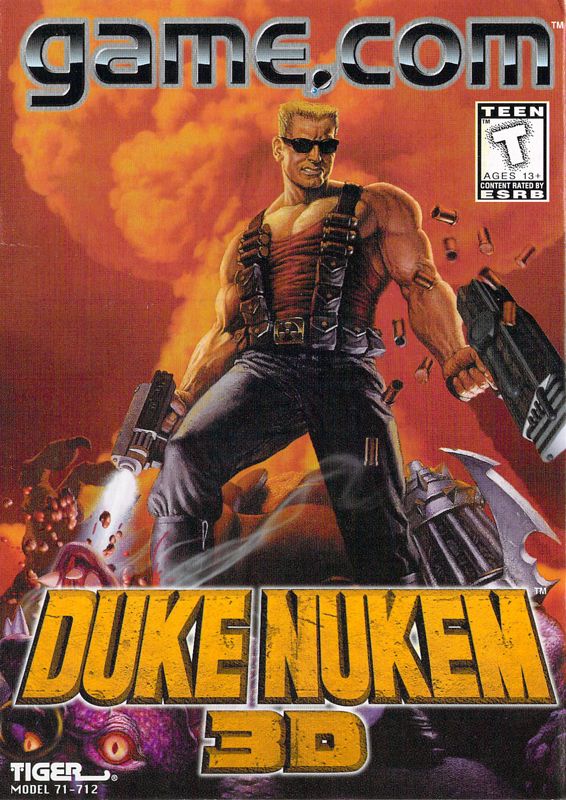
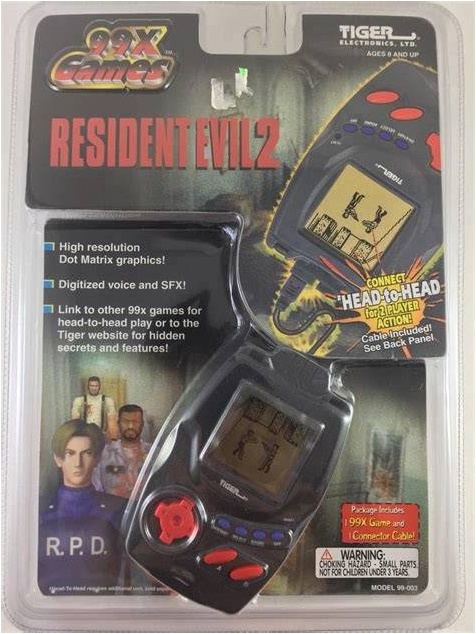
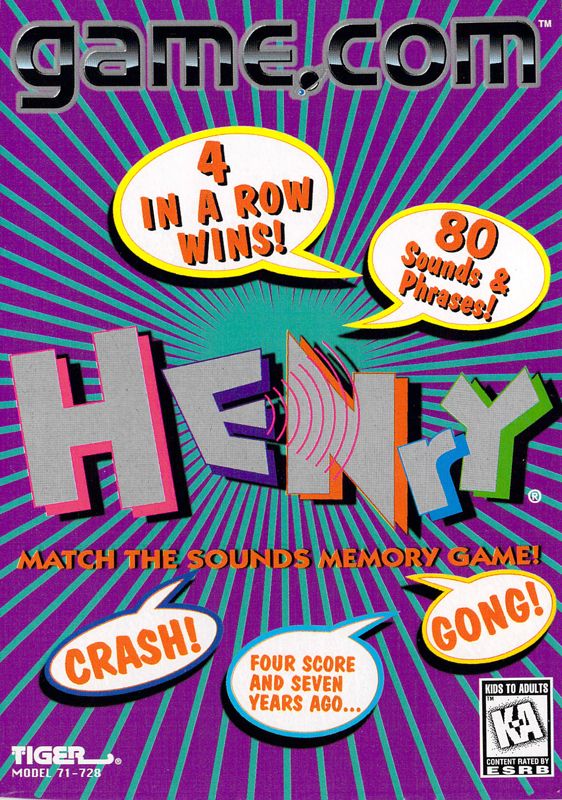
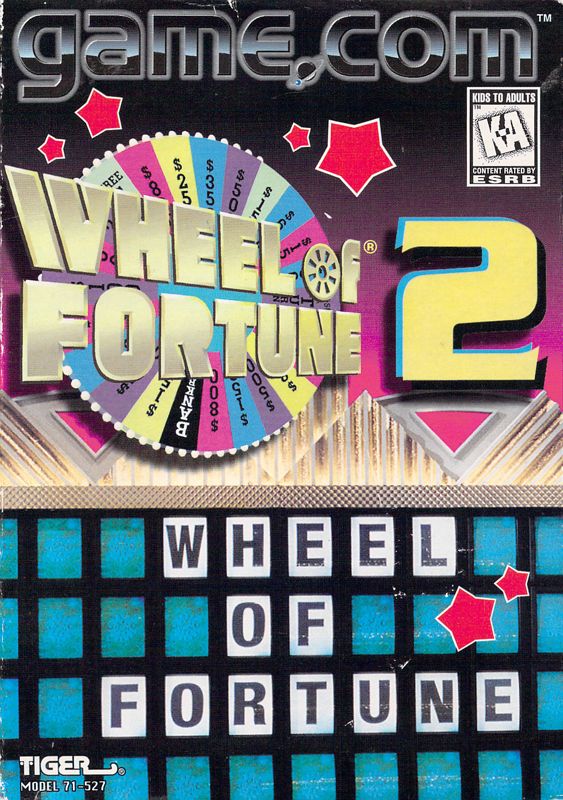
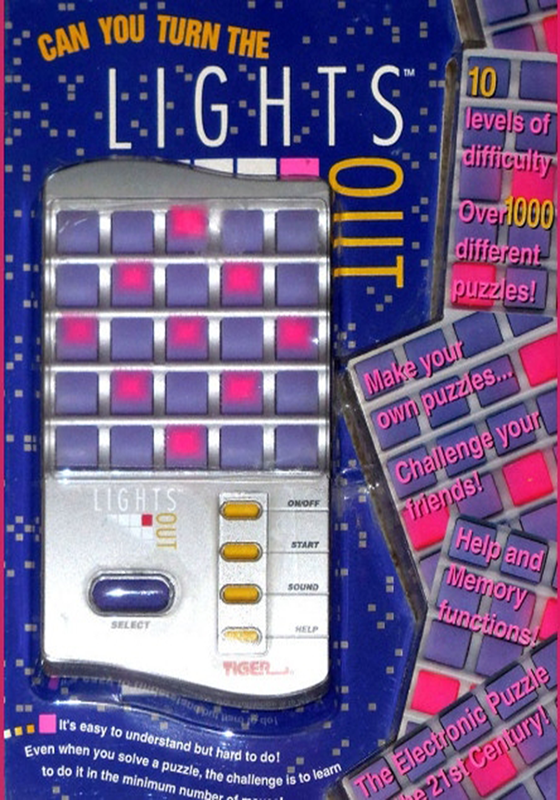
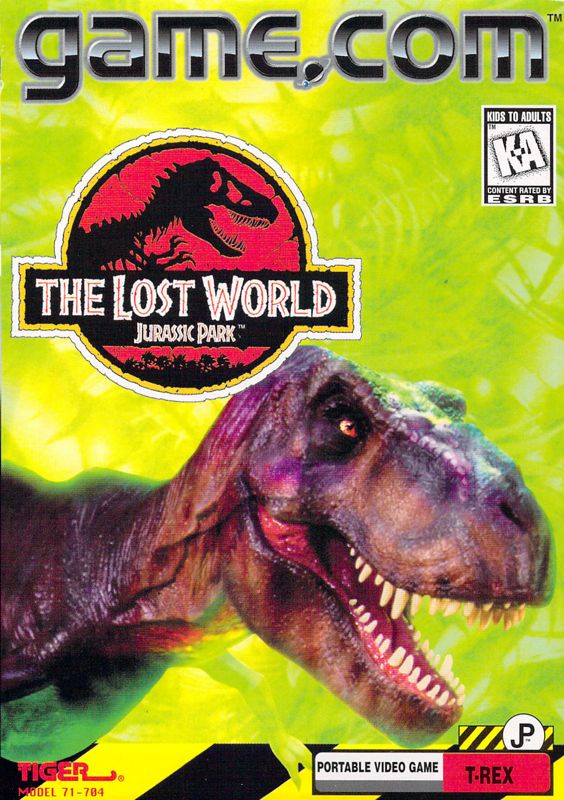
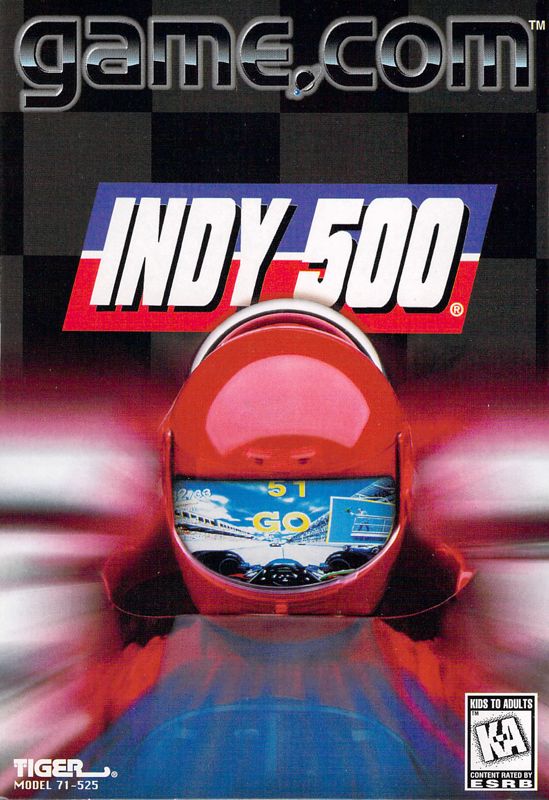
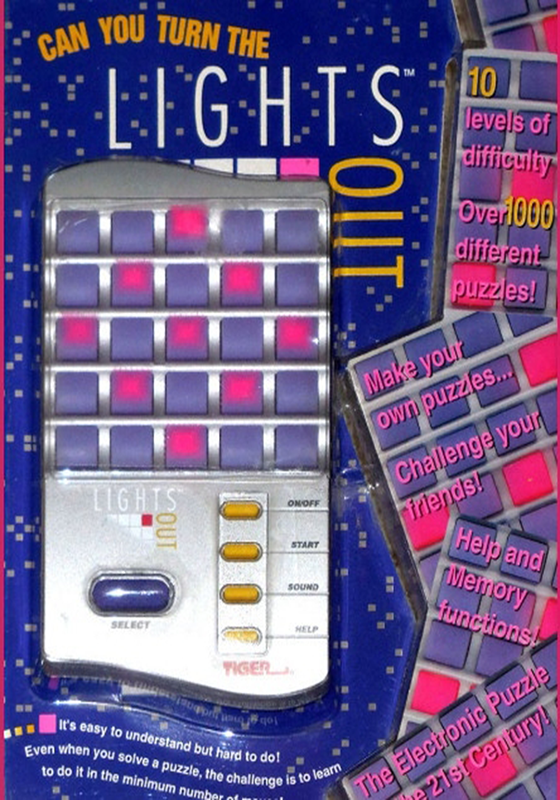
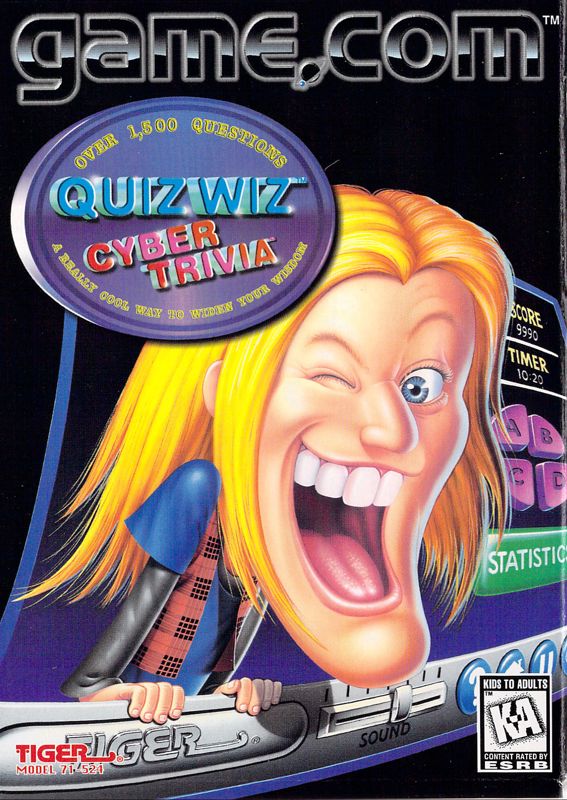
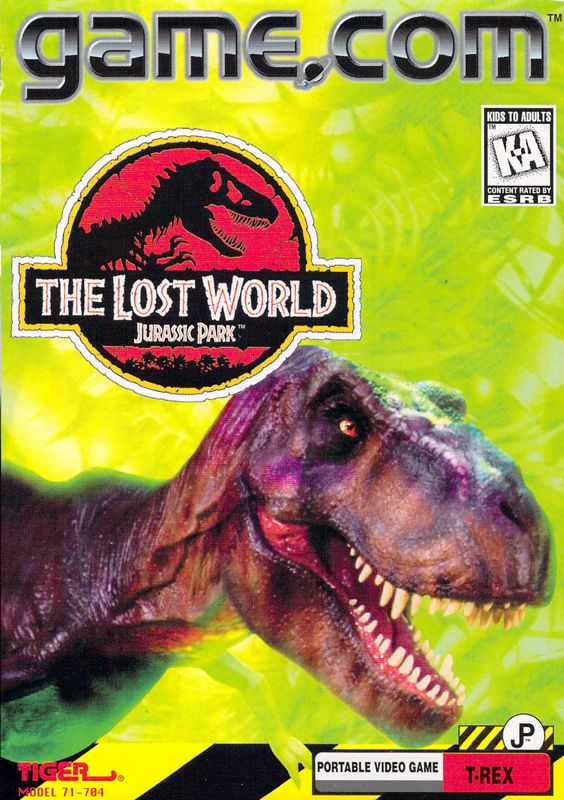
In 1997, Tiger Electronics released the Game.com handheld console, developing and publishing several titles for it. These included adaptations of popular franchises such as Duke Nukem 3D, Lost World: Jurassic Park, Indy 500, and Lights Out. They also developed game show and trivia adaptations for the system, including Wheel of Fortune, Wheel of Fortune 2, Henry, and Quiz Wiz: Cyber Trivia.
Founded in 1978, the toy manufacturer transitioned into the cartridge-based handheld market to compete with established gaming giants. To support this venture, the company secured high-profile intellectual property licenses, translating complex console and PC experiences into simplified, monochrome formats. For instance, the adaptation of
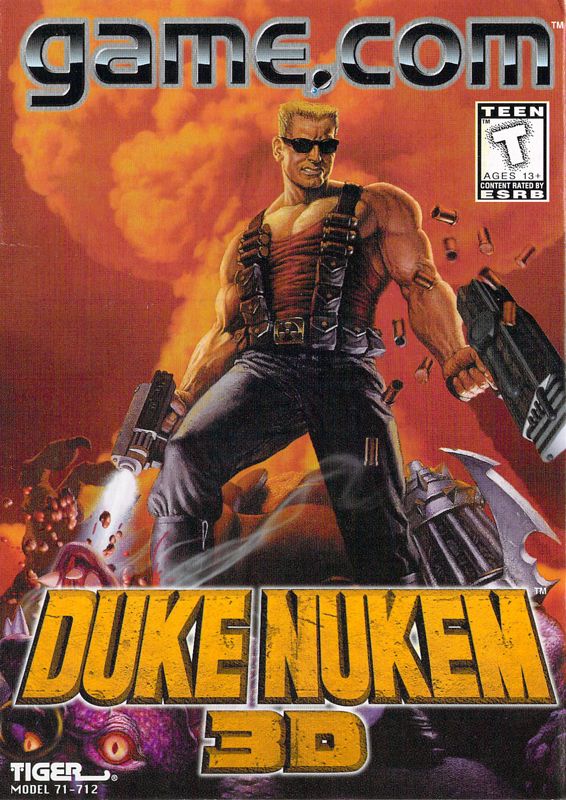
Duke Nukem 3D re-engineered the first-person shooter into a grid-based movement system, while
Lost World: Jurassic Park transformed the cinematic dinosaur franchise into a side-scrolling platformer, and
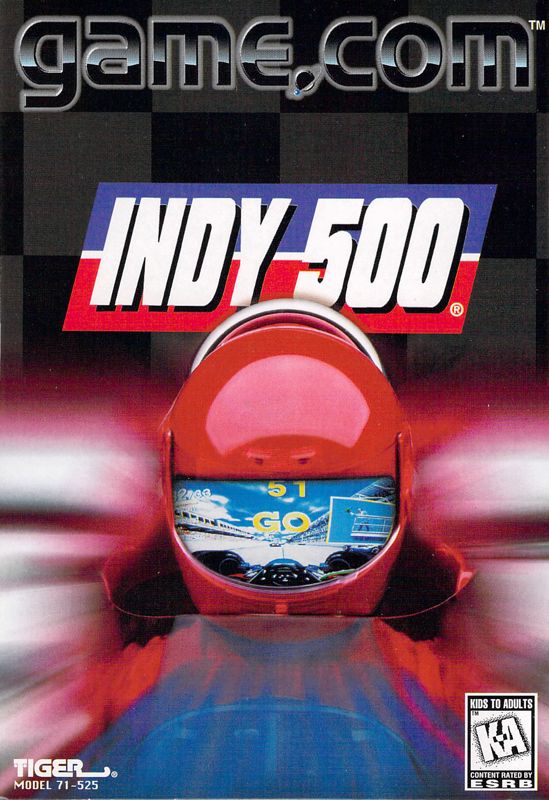
Indy 500 adapted open-wheel racing into a pseudo-3D perspective.
The company also leveraged its own physical toy line history.
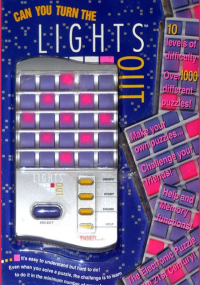
Lights Out directly adapted Tiger's successful 1995 electronic puzzle device, and
Henry brought their audio-based memory game to a visual screen. For trivia and board game enthusiasts,
Wheel of Fortune,
Wheel of Fortune 2, and
Quiz Wiz: Cyber Trivia utilized the hardware's touchscreen stylus interface for text entry and selection. These releases often supported the platform's external dial-up modem, allowing players to upload high scores to an online leaderboard. Following this software push, Hasbro acquired the company in 1998, shifting its focus away from proprietary cartridge consoles.