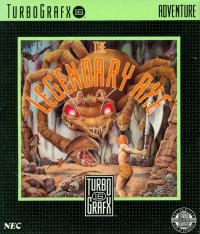
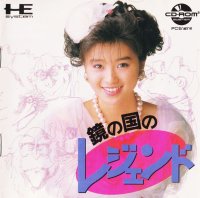
Victor Musical Industries Inc. published the Famicom puzzle game Banana (1986) and the PC Engine action-platformer The Legendary Axe (1988). They also published its sequel, Legendary Axe II (released as Kagami no Kuni no Legend in Japan in 1989). The company later merged with Pack-In-Video to form Victor Interactive Software.
Operating as a software division of the Japanese media giant JVC, the company utilized its parent organization's audio-visual expertise to establish a distinct presence in the early console market. For
Banana, the design focused on intricate, grid-based puzzle mechanics where players controlled a mole navigating underground stages to collect items. This release demonstrated the company's ability to produce family-friendly titles during the Famicom boom.
The transition to 16-bit hardware allowed for sophisticated collaborations, most notably with developer Atlus. The production of
The Legendary Axe leveraged the PC Engine's superior color palette and sound chip, resulting in a critically acclaimed title that won industry awards for its atmospheric music and unique power-meter combat system. When developing the sequel, released as
Legendary Axe in North America and
Kagami No Kuni No Legend in Japan, the team opted for a dramatic stylistic shift, replacing the prehistoric fantasy setting with a darker, gothic aesthetic and introducing a varied arsenal of weaponry. These projects served as crucial showcase titles for the TurboGrafx-16 platform in Western markets, cementing the publisher's legacy as a key contributor to the golden age of side-scrolling action games.