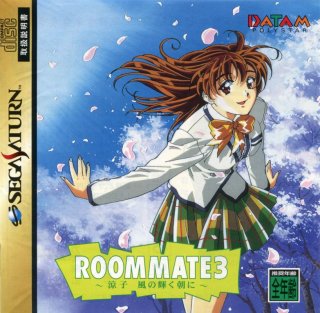
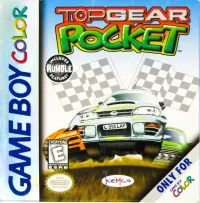
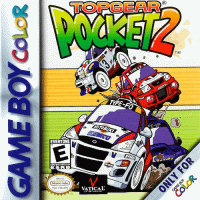
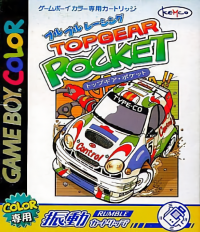
Vision Works was a Japanese developer responsible for several handheld entries in Kemco's Top Gear racing franchise, including Top Gear Pocket and Top Gear Rally for the Game Boy Color. They also developed the Roommate visual novel series, including Roommate (1997) and Roommate 3 (1998) for the Sega Saturn. Their work on the Top Gear series helped bring the popular racing franchise to portable platforms.
Active development at the studio during the late 1990s bridged two distinct genres: life simulation and high-speed racing. Working with publisher Datam Polystar, the developer established the
Roommate franchise, focusing on real-time virtual interaction and calendar-based gameplay. This simulation design required managing daily schedules and character interactions, which contrasted sharply with the studio's subsequent high-performance racing projects.
When transitioning to handheld hardware for Kemco, the studio adapted the established mechanics of the
Top Gear console games into highly optimized portable formats. For
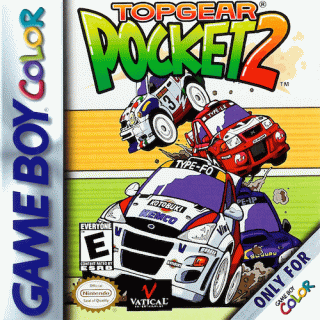
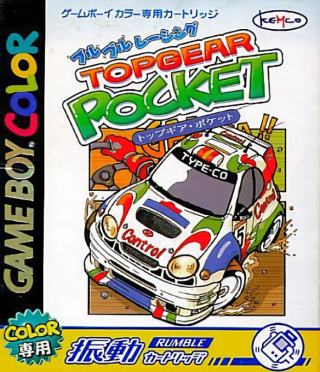
Top Gear Pocket and its sequel
Top Gear Pocket 2, the developer utilized specialized cartridges equipped with built-in vibration motors to simulate road feedback. To replicate the feel of the Nintendo 64 counterparts in
Top Gear Rally and
Top Gear Rally 2, the team employed advanced pseudo-3D sprite-scaling techniques and physics engines tailored for 8-bit processors. These technical solutions allowed the portable entries to retain the sense of speed and terrain deformation characteristic of the home console releases, cementing the studio's reputation for maximizing limited hardware capabilities.