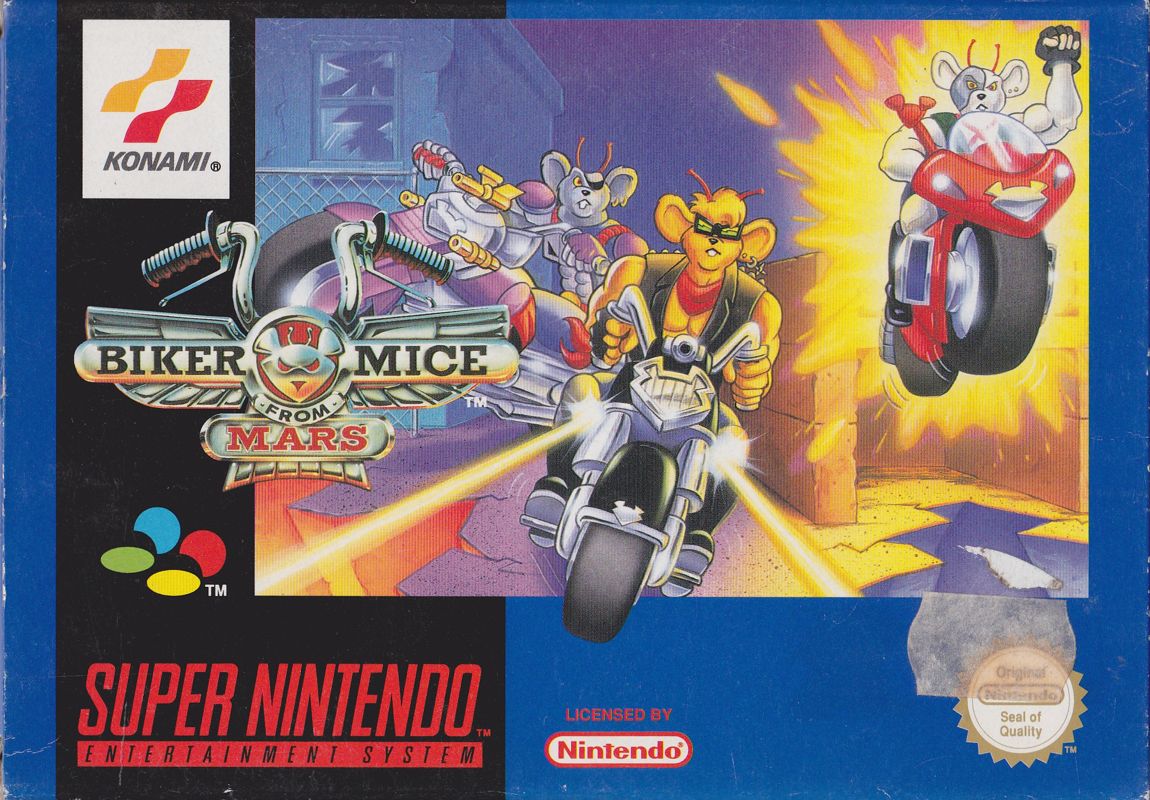
In retro titles like The Legend of Zelda: A Link to the Past, armor upgrades such as the Blue and Red Mail reduce damage taken by Link. In Ultima VII: The Black Gate, various armor pieces protect the Avatar's party, while in action-oriented games like Super Valis IV, Super Ninja Boy, and Biker Mice From Mars, armor serves as a vital defensive upgrade to survive tough encounters.
The evolution of protective gear across these early 1990s releases established foundational mechanics for defense systems in modern role-playing and action franchises like
Monster Hunter,
Magna Carta, and
Parasite Eve. In the 1992 first-person shooter
Faceball 2000, armor functioned as a shield capacity that absorbed damage from enemy spheres, contrasting with the fantasy-based equipment found in the French localization
Zelda Link to the Past (1992) and its subsequent 1994 international versions. The inclusion of armor in the
Super 4-in-1 Multicart [Homebrew] (1990) demonstrated how independent developers prioritized defensive power-ups even within limited-memory homebrew compilations.
These early iterations paved the way for the highly detailed, stat-heavy armor systems seen in later series. For instance, the survival-horror RPG elements of the
Parasite Eve franchise and the deep crafting loops of the
Monster Hunter series directly inherit the progression logic of upgrading gear to mitigate specific elemental and physical threats, a concept popularized by these seminal 16-bit titles.


.png)
_1.png)

_1.png)

_1.png)


.png)
_1.png)
.png)
















.png)






.png)

_1.png)
_1.png)

.png)
.png)
.png)
.png)
.png)
.png)
.png)
_1.png)


_1.png)



.png)
.png)

.png)


.png)



.png)
.png)