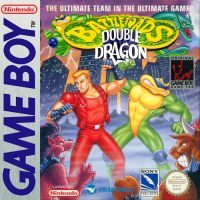
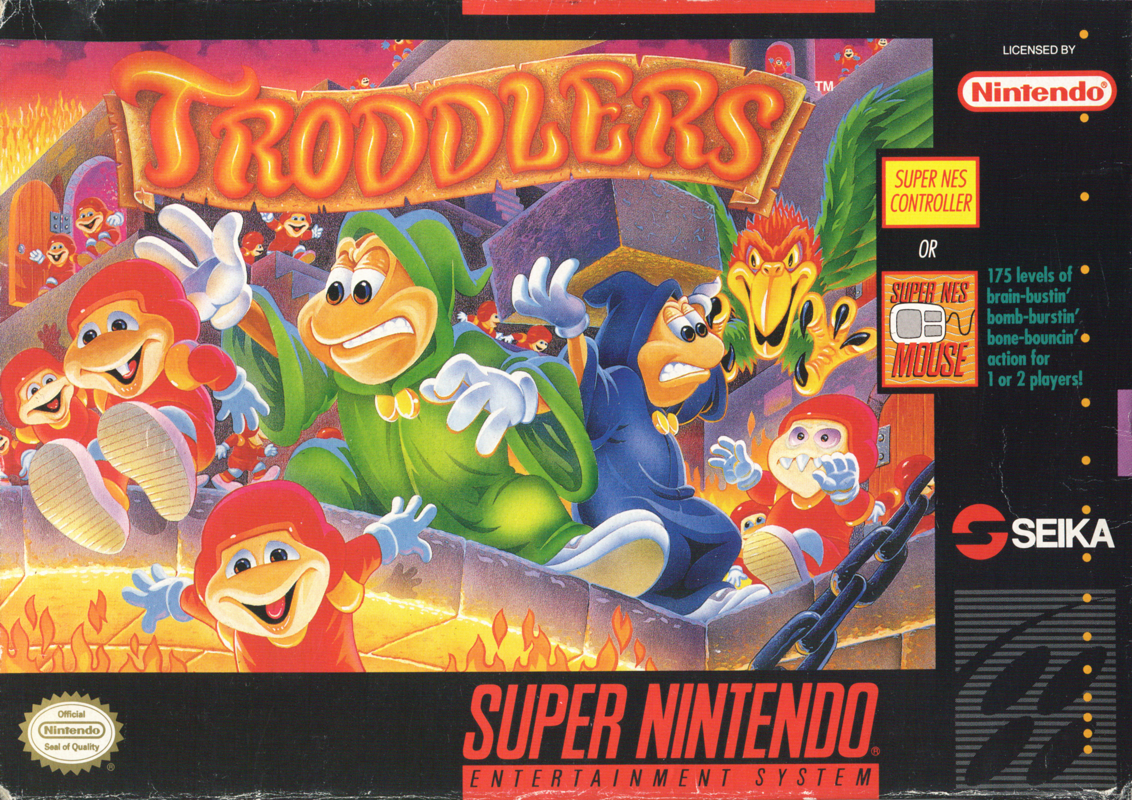
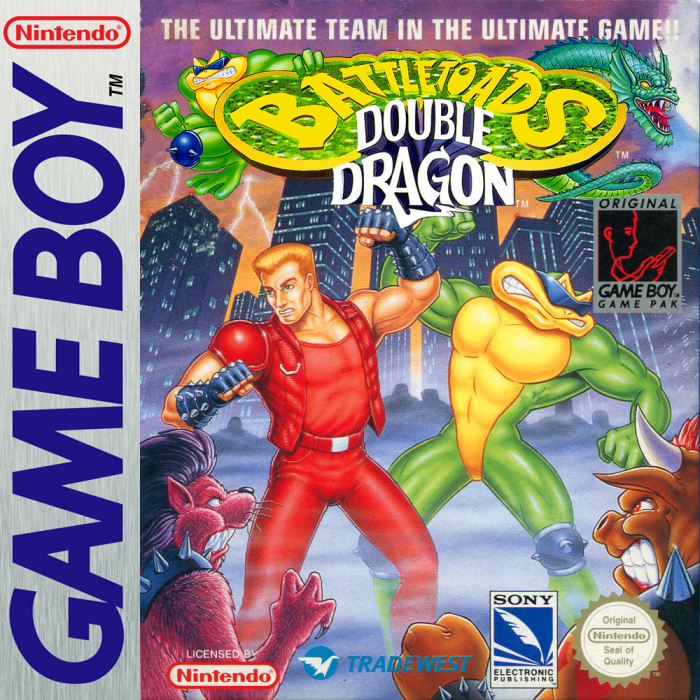
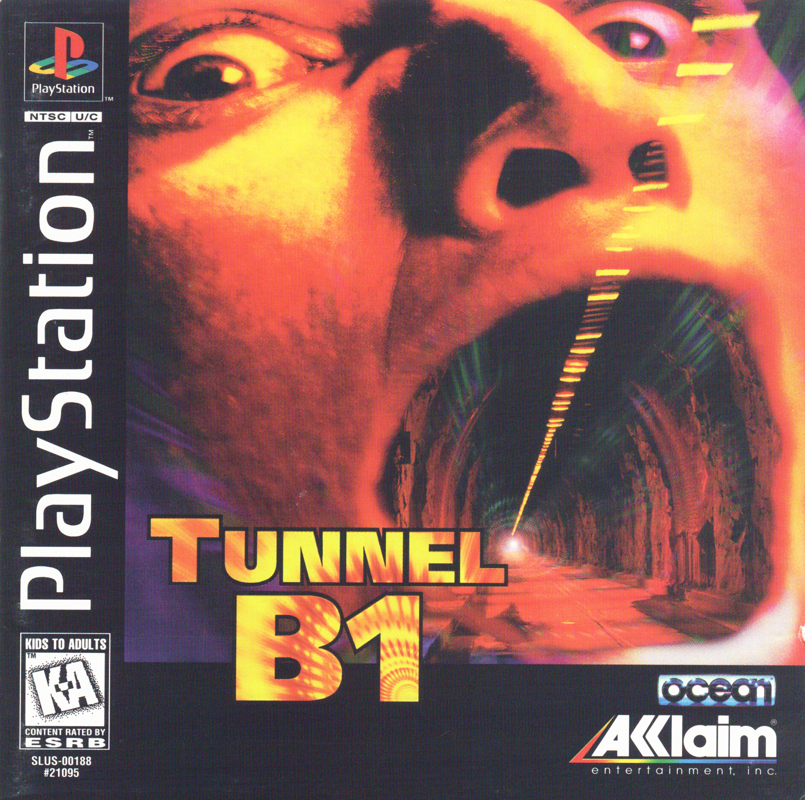
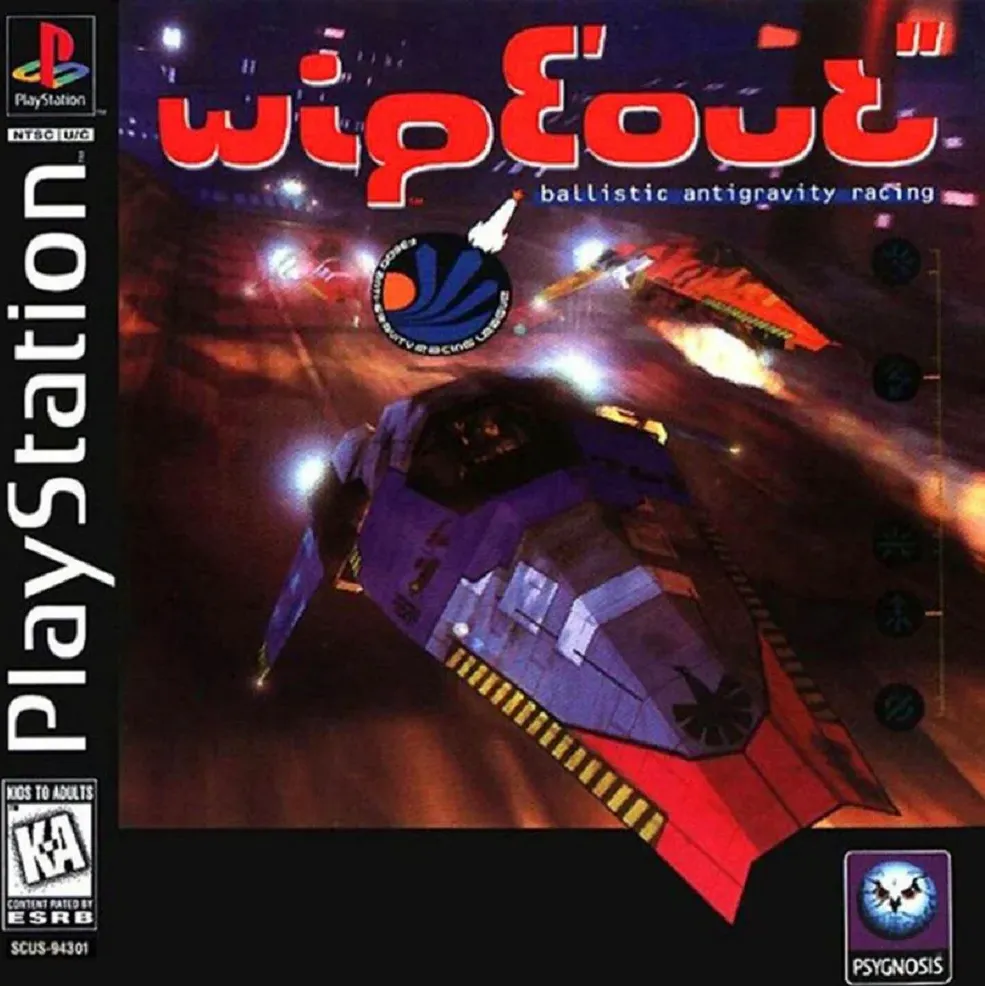
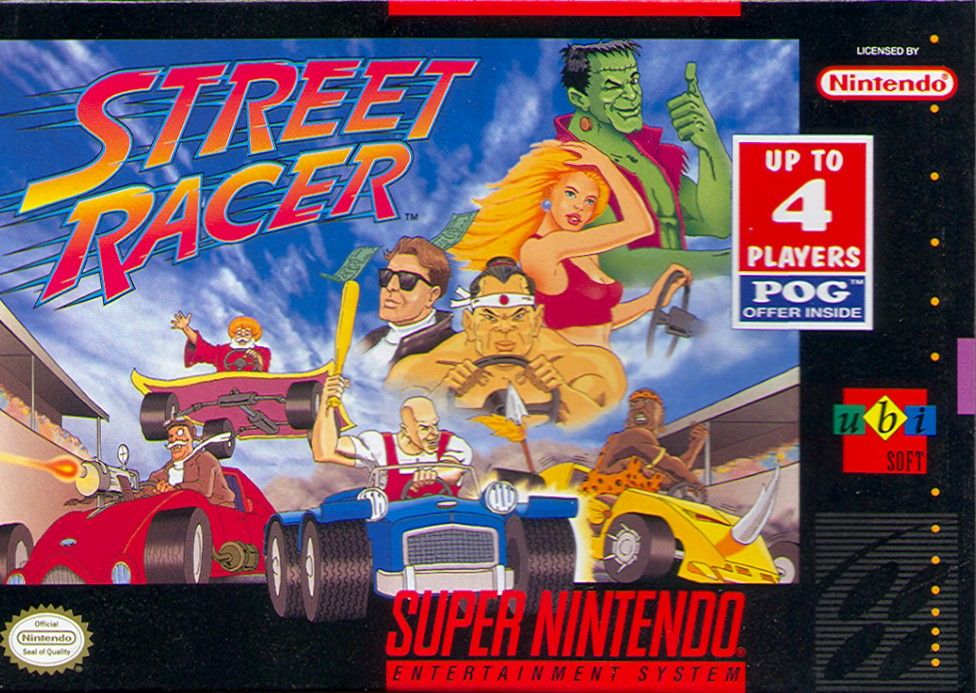
In futuristic racing games like Wipeout and Street Racer, mines are dropped behind vehicles as tactical weapons to disrupt pursuing competitors. They also appear as stationary obstacles or deployable defenses in action-heavy titles such as Battletoads & Double Dragon, Tunnel B1, and Star Fighter. In the puzzle game Troddlers, they serve as hazardous elements that players must carefully avoid or utilize to clear stages.
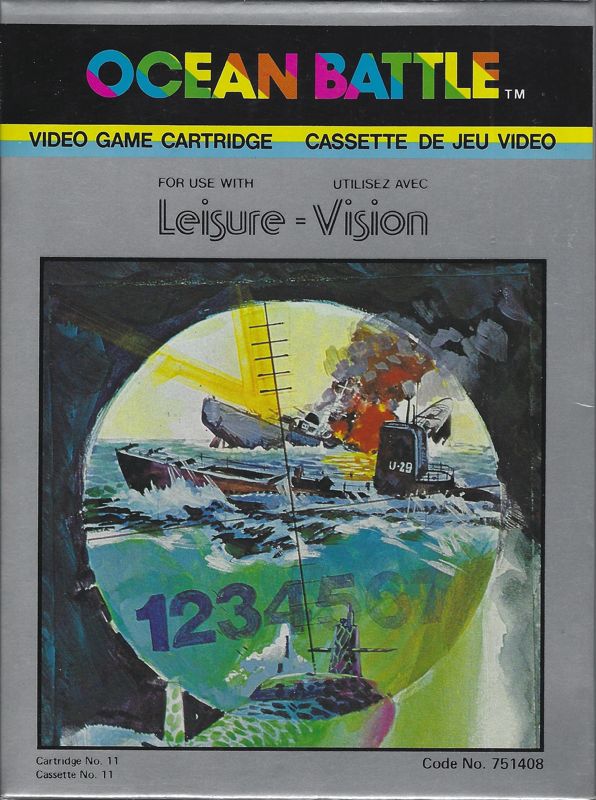
The depiction of these explosive devices evolved significantly from early 2D grid systems to complex 3D environments. In the 1982 release
Ocean Battle, naval mines served as foundational maritime hazards, requiring strategic navigation within limited screen space. By the early 1990s, games like
Battletoads & Double Dragon integrated them into side-scrolling action sequences, where players had to time jumps over flashing explosive nodes. In the puzzle-platformer
Troddlers, the items functioned as environmental manipulation tools, capable of clearing path-blocking blocks when detonated.
The mid-1990s transition to 3D graphics expanded the mechanical utility of mines. In
Street Racer and the high-speed
Wipeout, they became essential components of the combat-racing genre, requiring precise physics calculations for deployment at high velocities. This era also saw games like
Star Fighter,
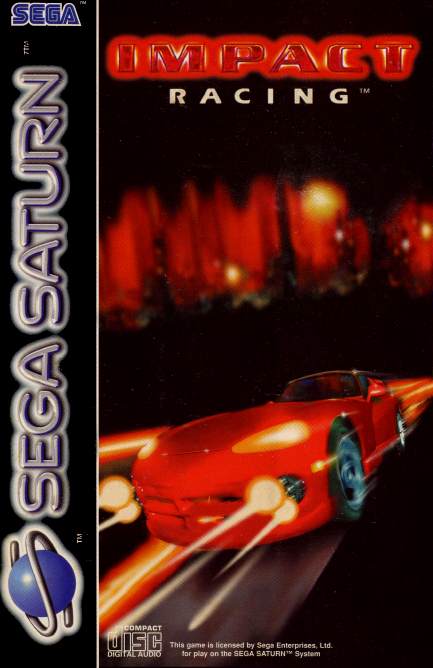
Impact Racing, and
Tunnel B1 utilize advanced sprite and polygon rendering to depict glowing, proximity-sensitive ordnance. Across these diverse titles, the item transitioned from a simple static obstacle into a dynamic tactical asset, defining the risk-reward mechanics of 1990s action and racing software.
.png)
.png)
.png)
.png)
.png)
 (En,Fr,De,Es,It).png)
.png)





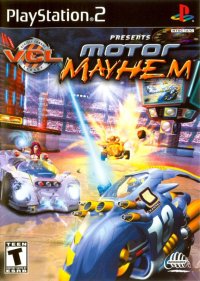

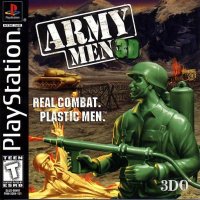
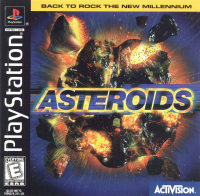
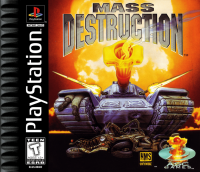
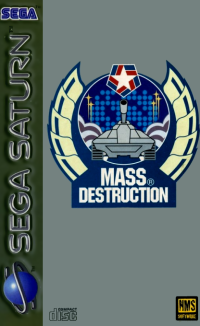

.png)
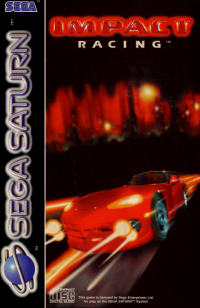
.png)

.png)


.png)
.png)
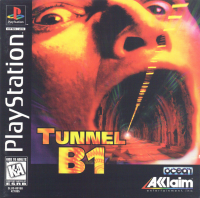
 (En,Fr,De,Es,It).png)

.png)