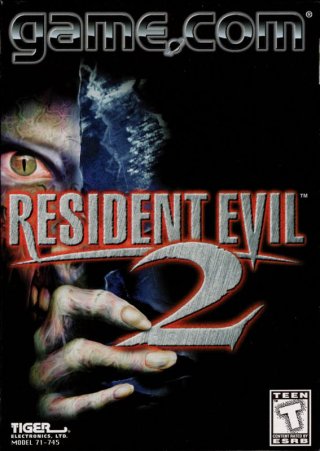
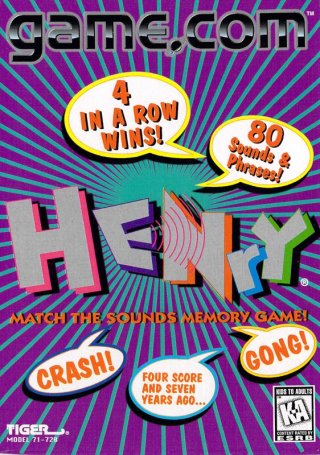
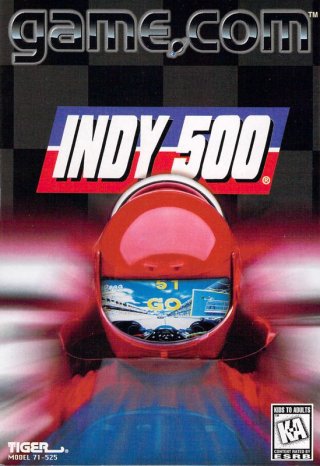
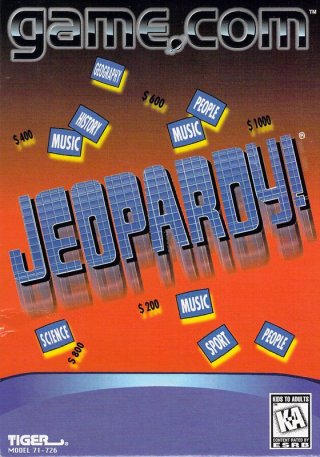
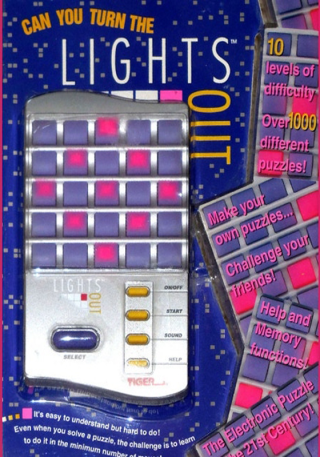
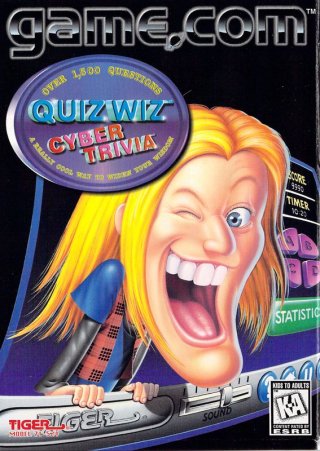
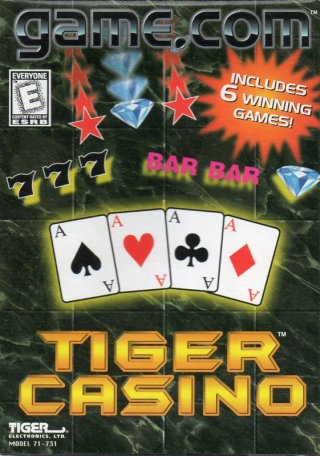
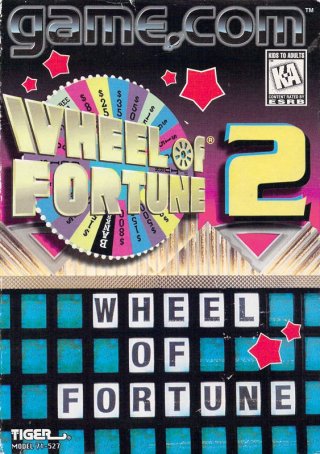
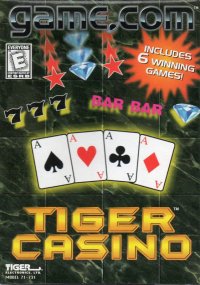
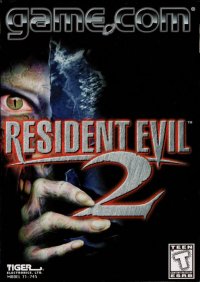
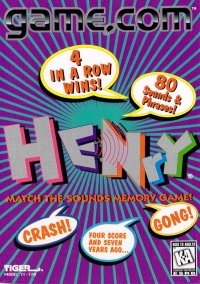
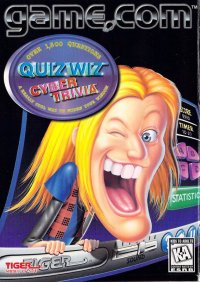
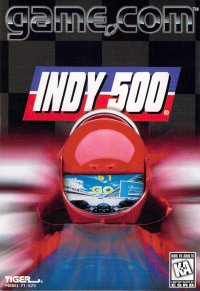
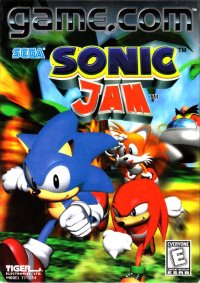
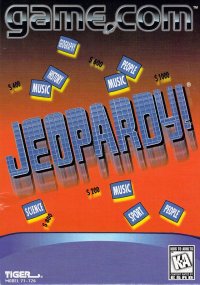
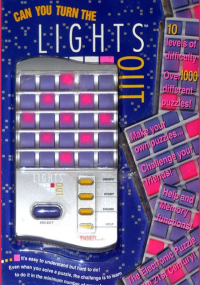
Tiger Electronics published and developed games for its proprietary Game.com handheld system in 1997. This library included titles such as Lights Out, Tiger Casino, Henry, Indy 500, Quiz Wiz: Cyber Trivia, Jeopardy!, Wheel of Fortune, and its sequel Wheel of Fortune 2. While the publisher also secured high-profile ports like Resident Evil 2 for the system, these initial releases defined the platform's early lineup.
Within the context of the
Resident Evil franchise's history on handheld consoles, these early releases established the technical framework for the platform's later survival horror ports. The black-and-white grid-based movement and touch-screen inputs utilized in
Lights Out and
Henry paved the way for managing inventory and solving puzzles in Capcom's adapted universe. Similarly, the text-heavy database systems of
Quiz Wiz: Cyber Trivia,
Jeopardy, and
Wheel of Fortune demonstrated the hardware's capacity for storing large amounts of dialogue and file data, a crucial element for translating the narrative lore of the
Resident Evil series.
By utilizing the same proprietary engine,
Tiger Casino,
Indy 500, and
Wheel of Fortune 2 shared memory-mapping techniques that directly influenced how the system handled compressed background graphics. This shared development pipeline bridged casual puzzle titles with intense horror gameplay, making these seemingly disparate releases foundational to the franchise's unique 8-bit legacy.
Tiger Electronics Inc.