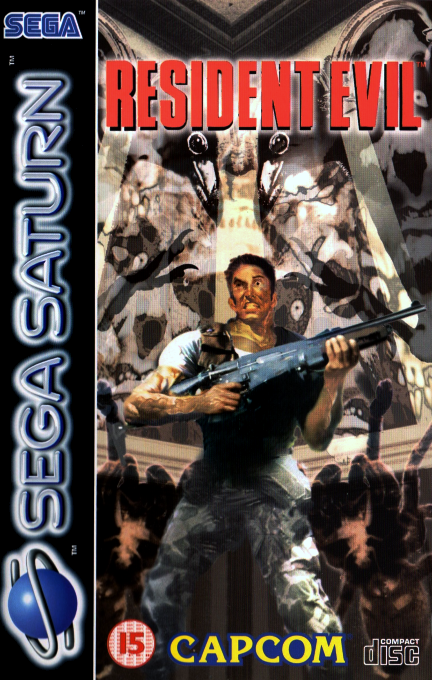
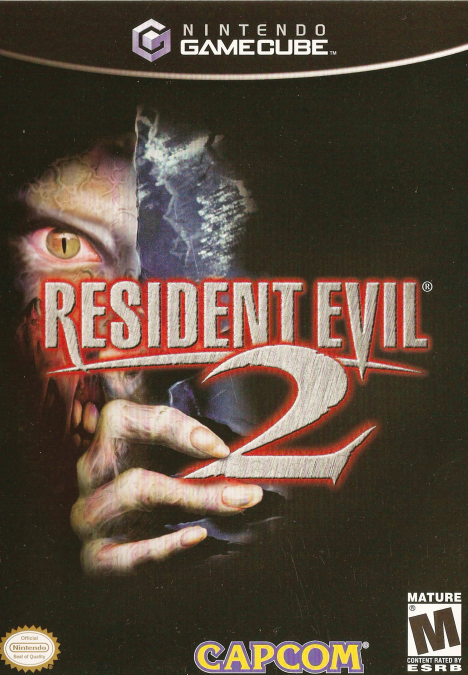
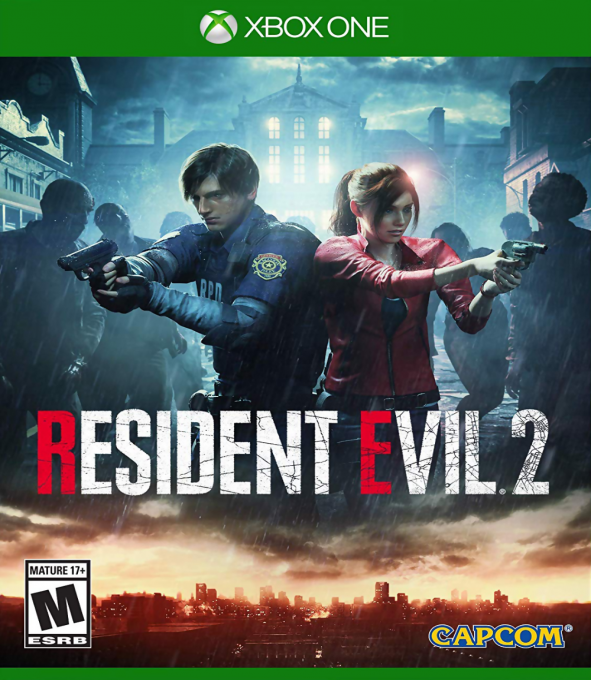
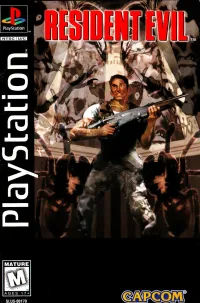
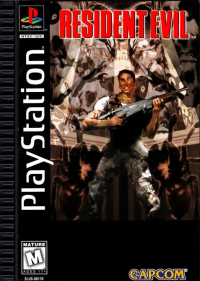
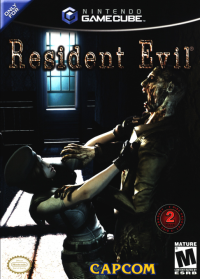
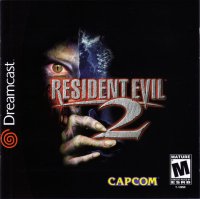
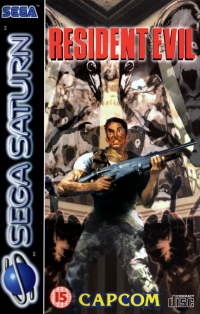
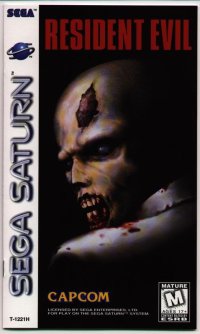
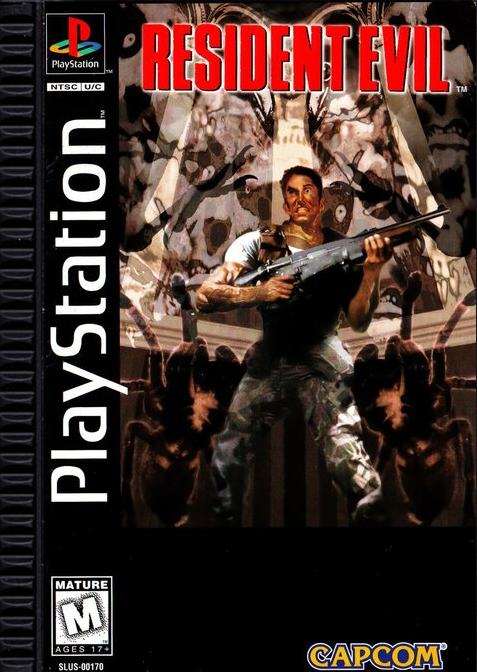
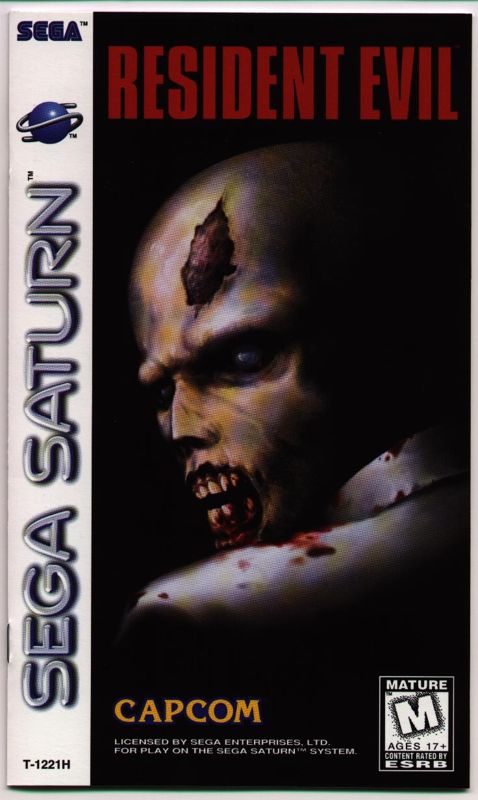
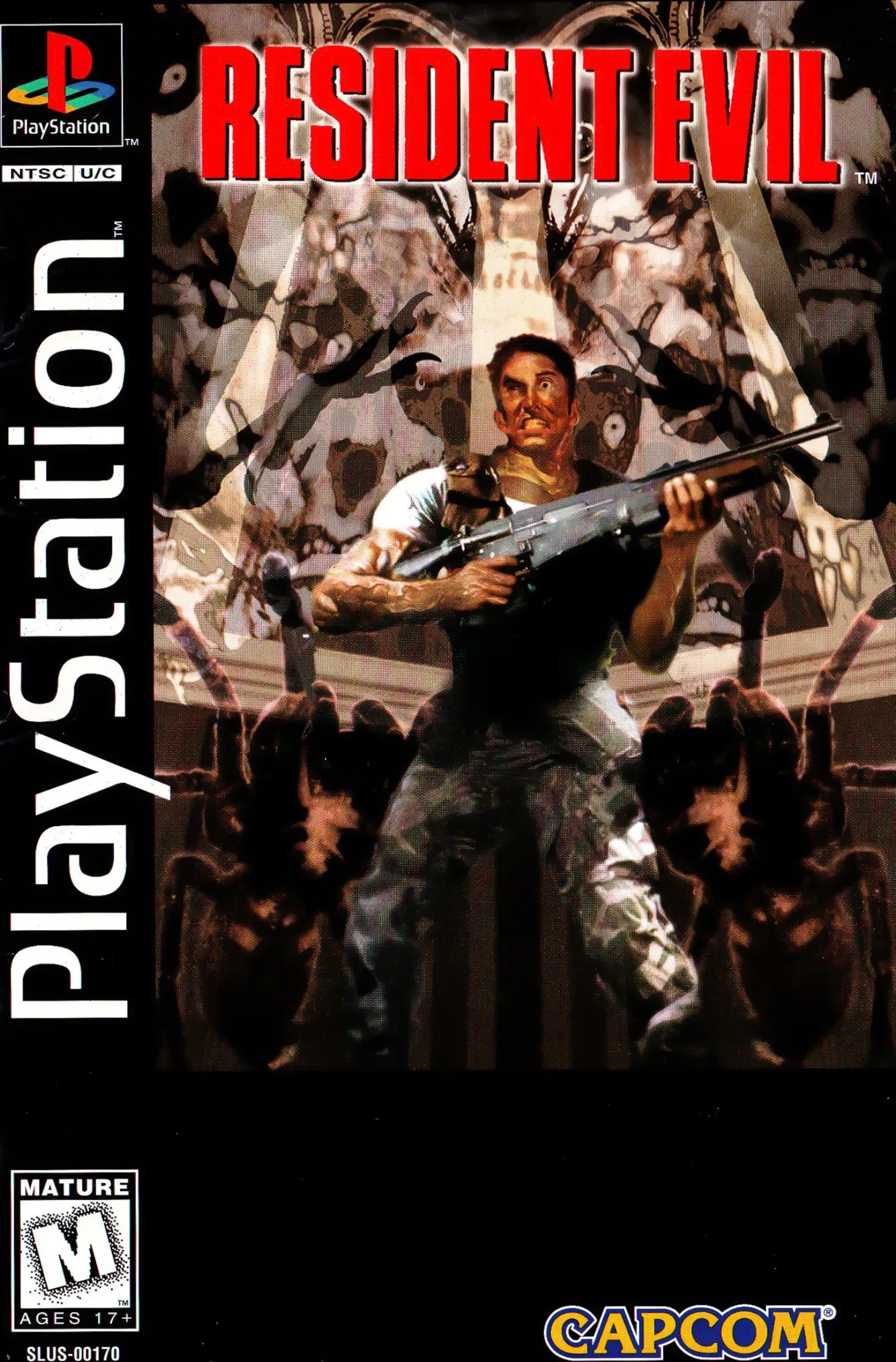
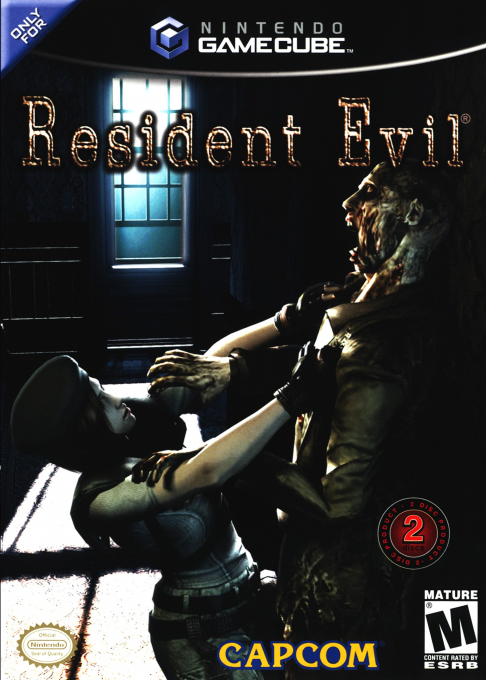
Resident Evil, known as Biohazard in Japan, debuted in 1996 and defined the survival horror genre. The series follows various protagonists fighting against biological weapons, zombies, and corrupt corporations like Umbrella. It has expanded into numerous sequels, spin-offs, films, and merchandise.
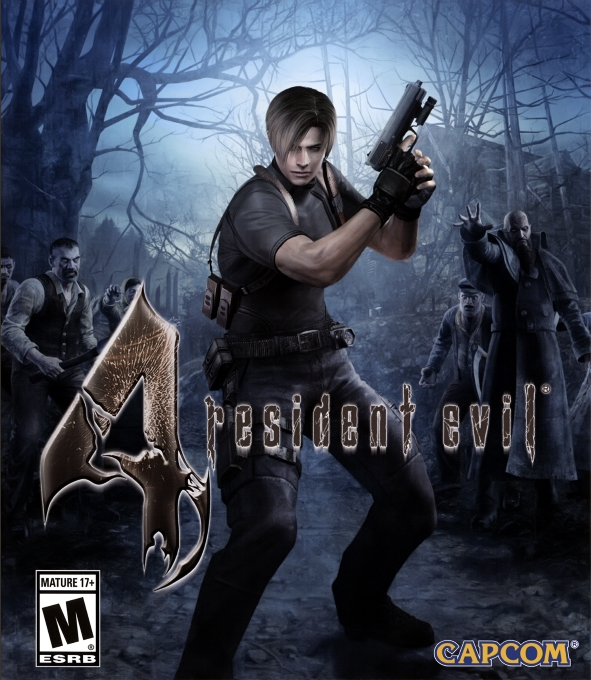
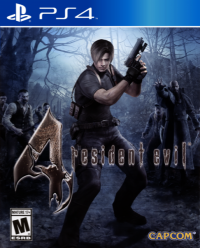
Created by Shinji Mikami and Tokuro Fujiwara at Capcom, the franchise's gameplay traditionally focused on exploration, puzzle-solving, and resource management. The release of
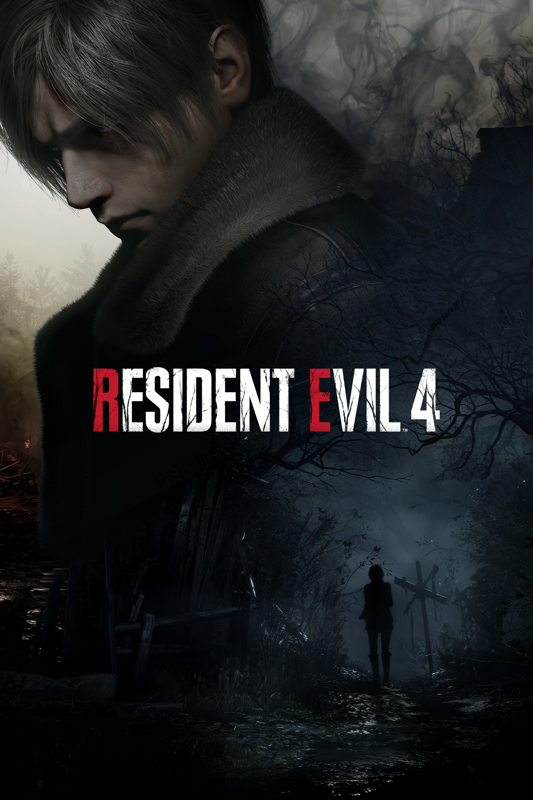
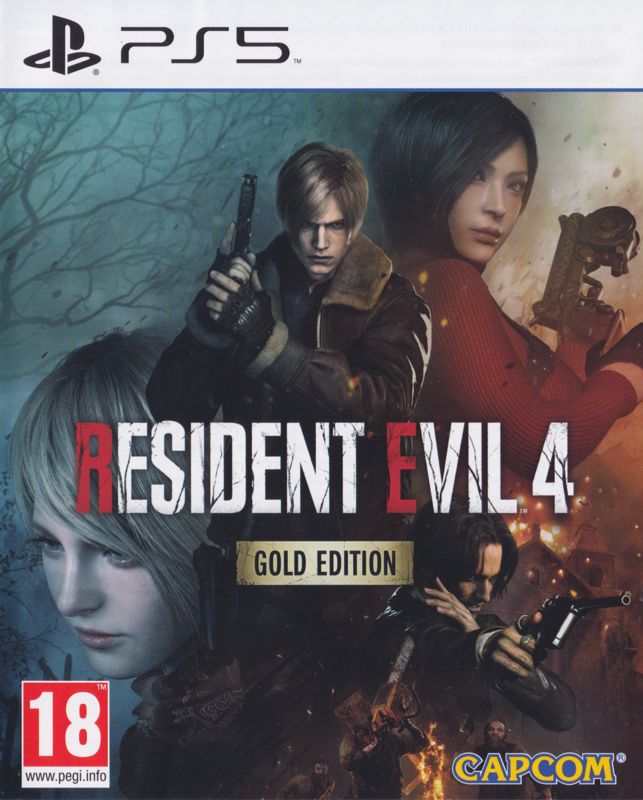
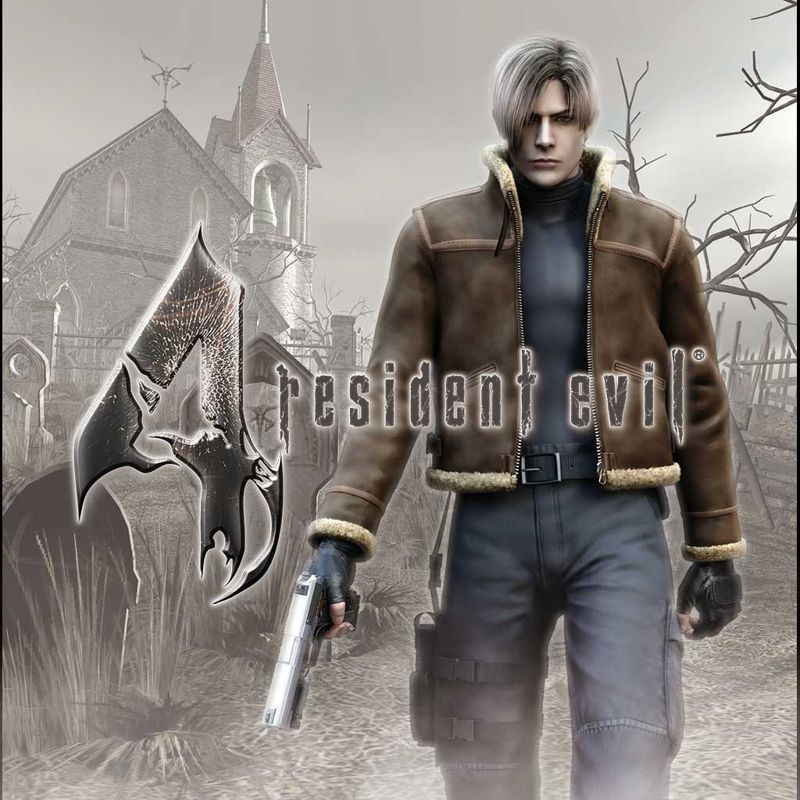
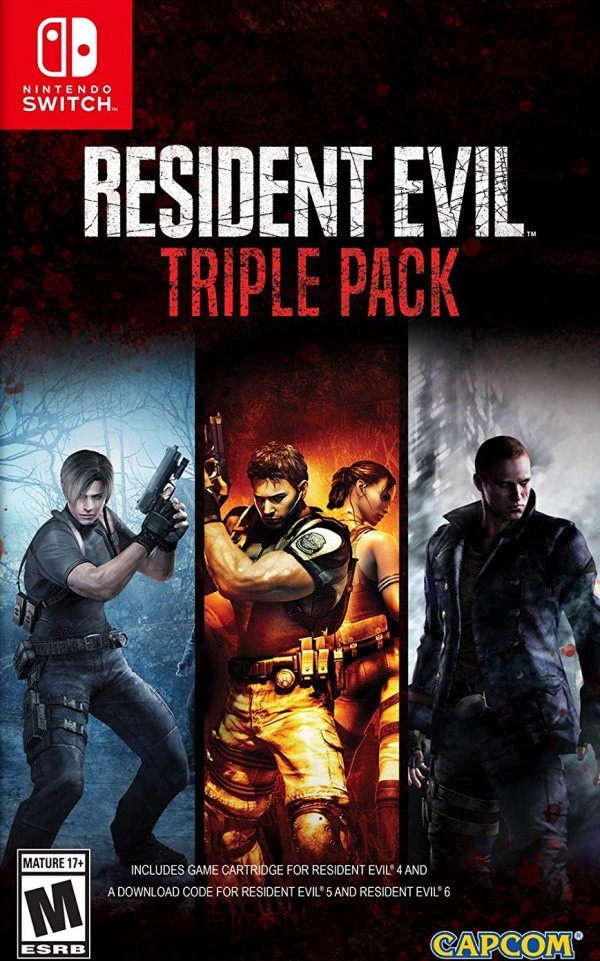
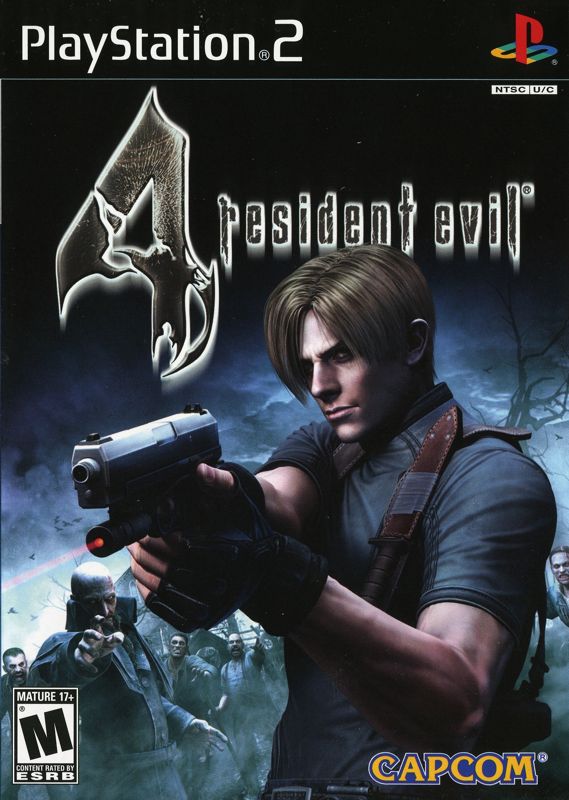
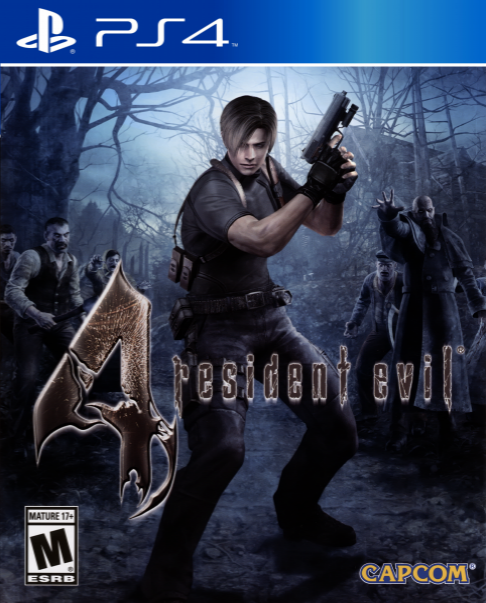
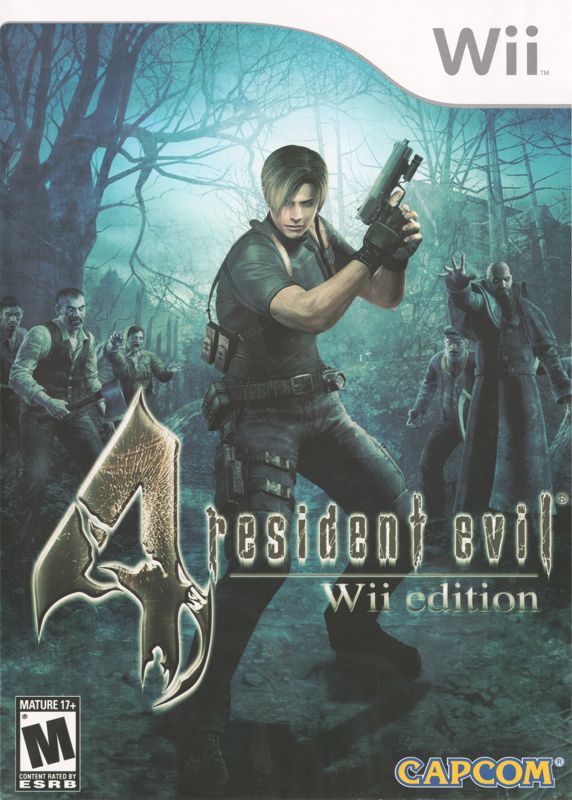
Resident Evil 4 shifted the series toward action-oriented, over-the-shoulder gameplay, heavily influencing the third-person shooter genre. Later entries, such as
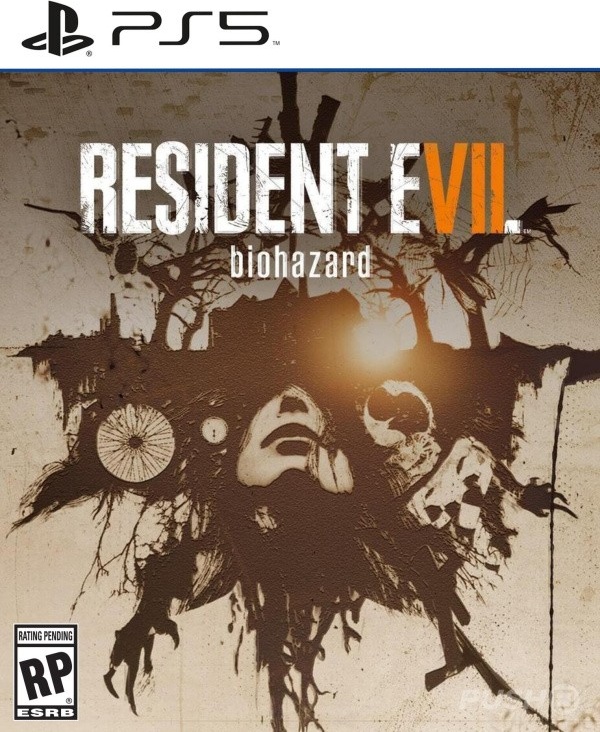
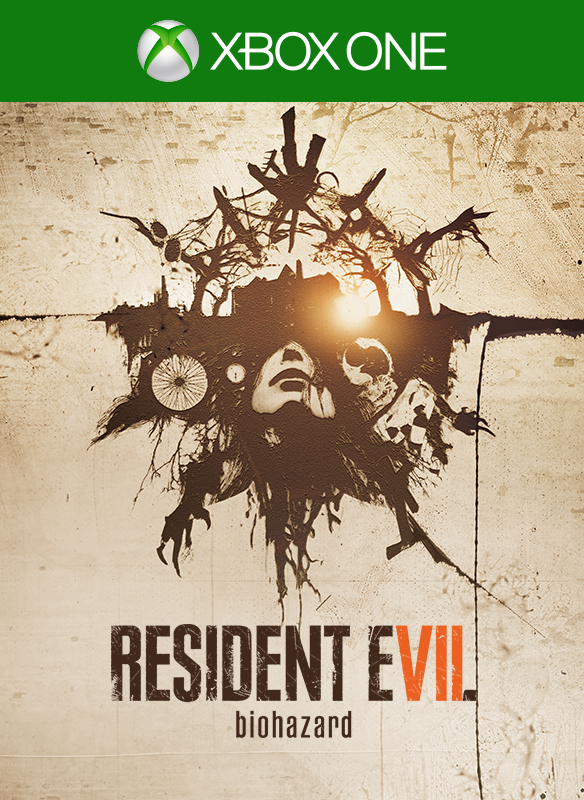
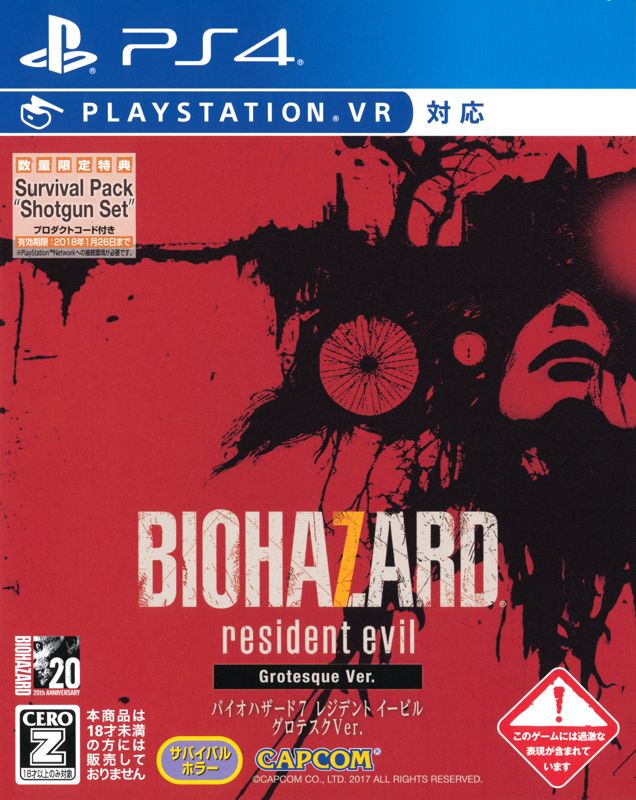
Resident Evil 7 and
Resident Evil Village, adopted a first-person perspective to intensify the atmospheric tension.
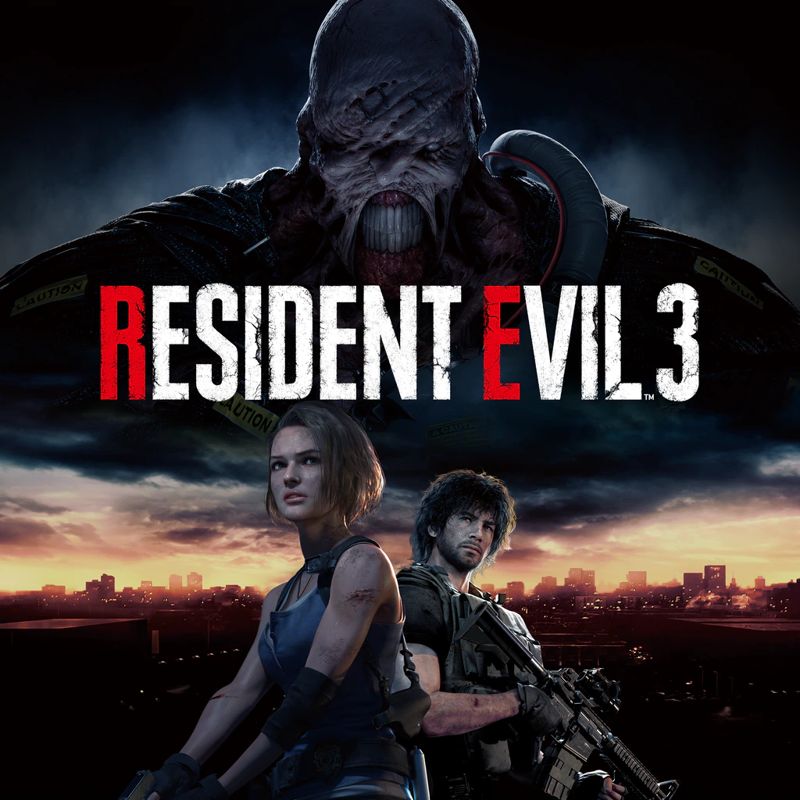
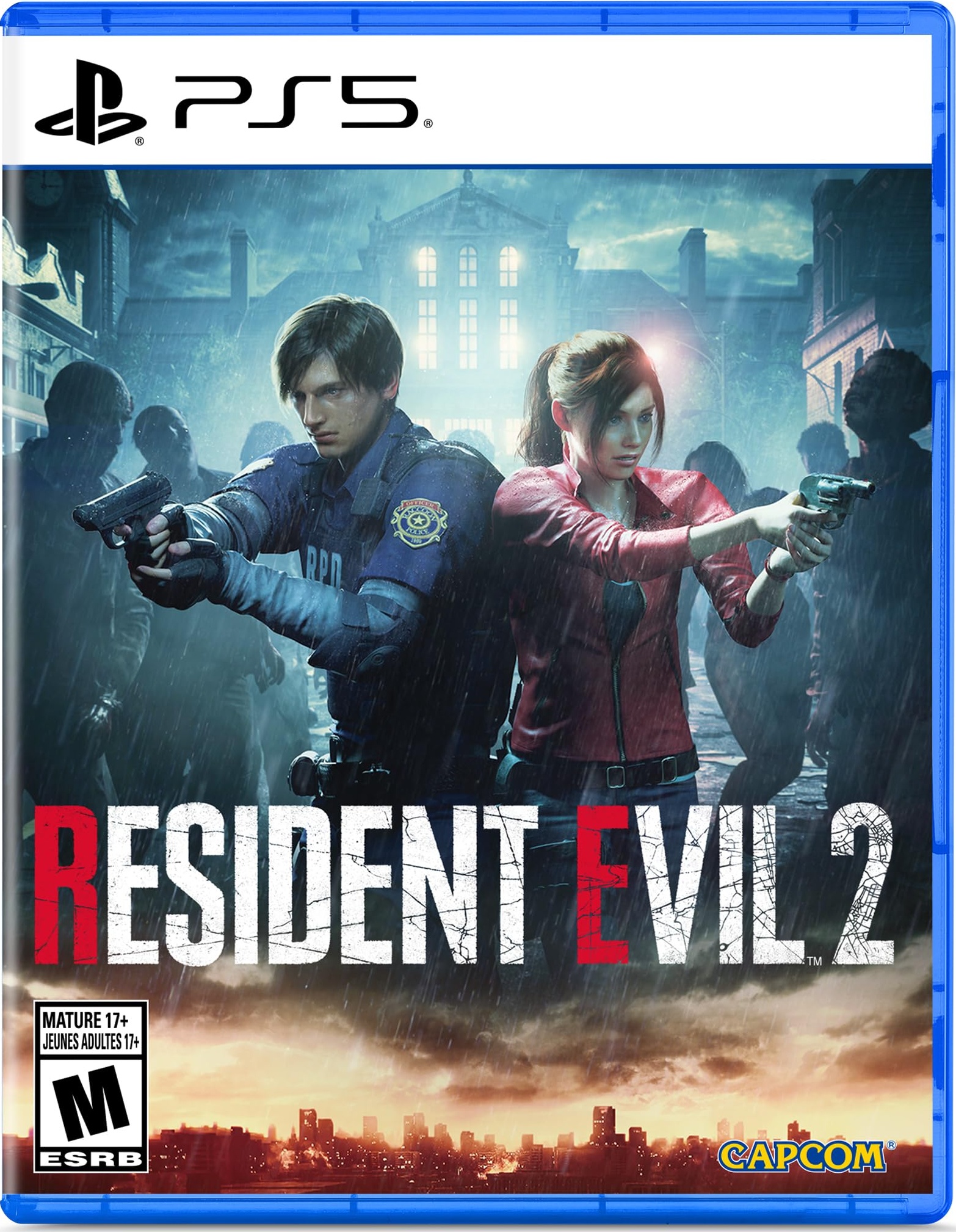
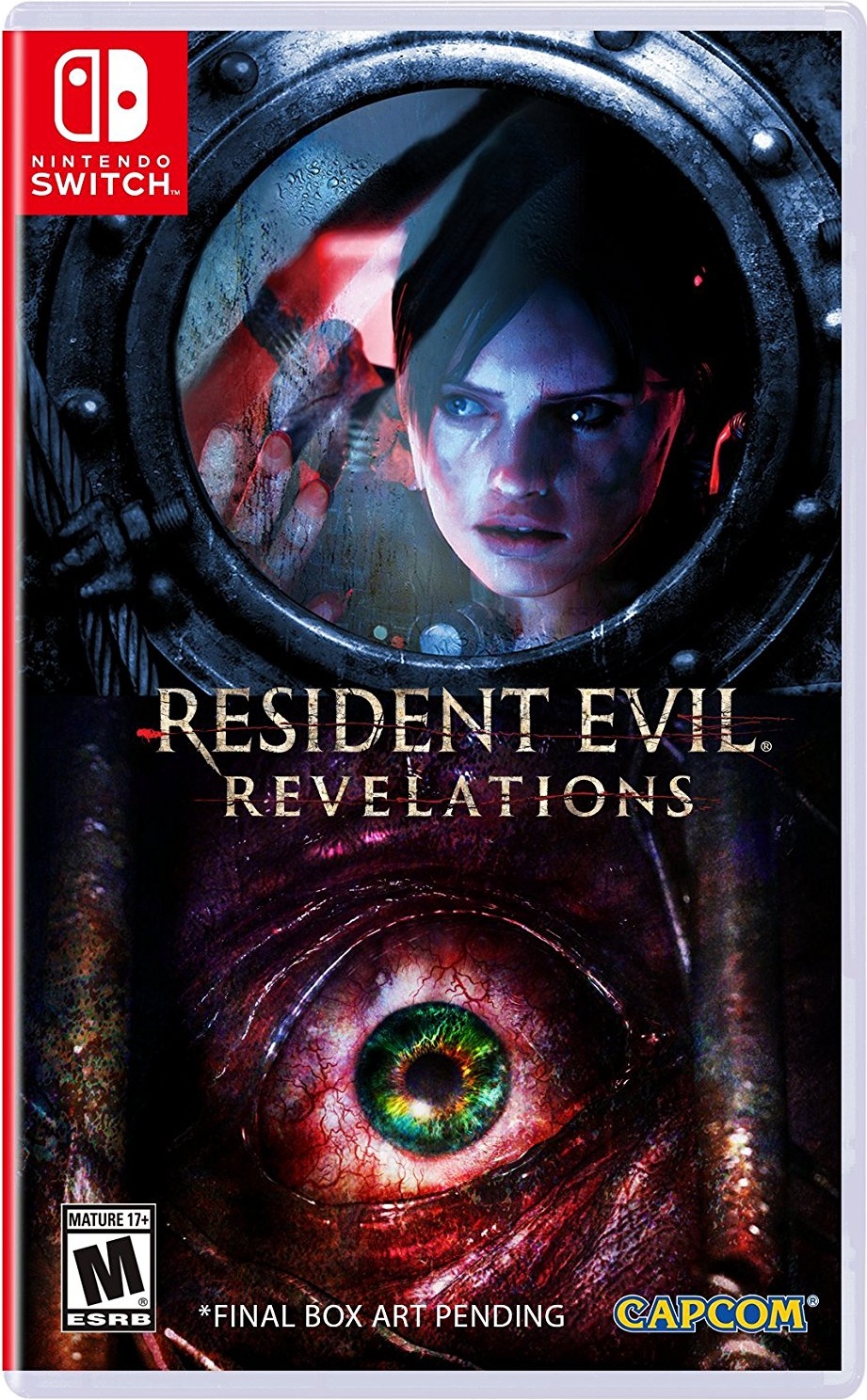
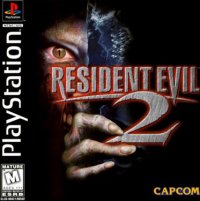
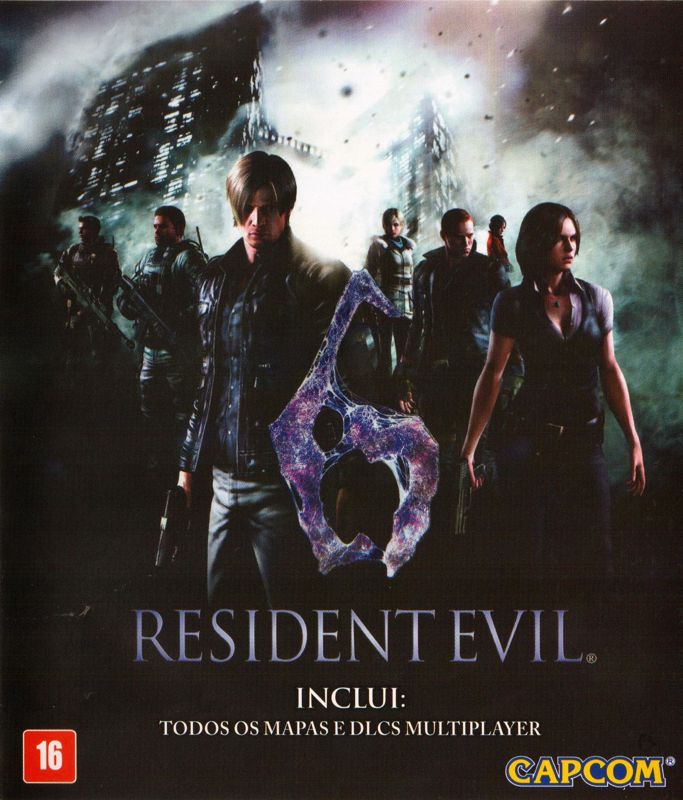
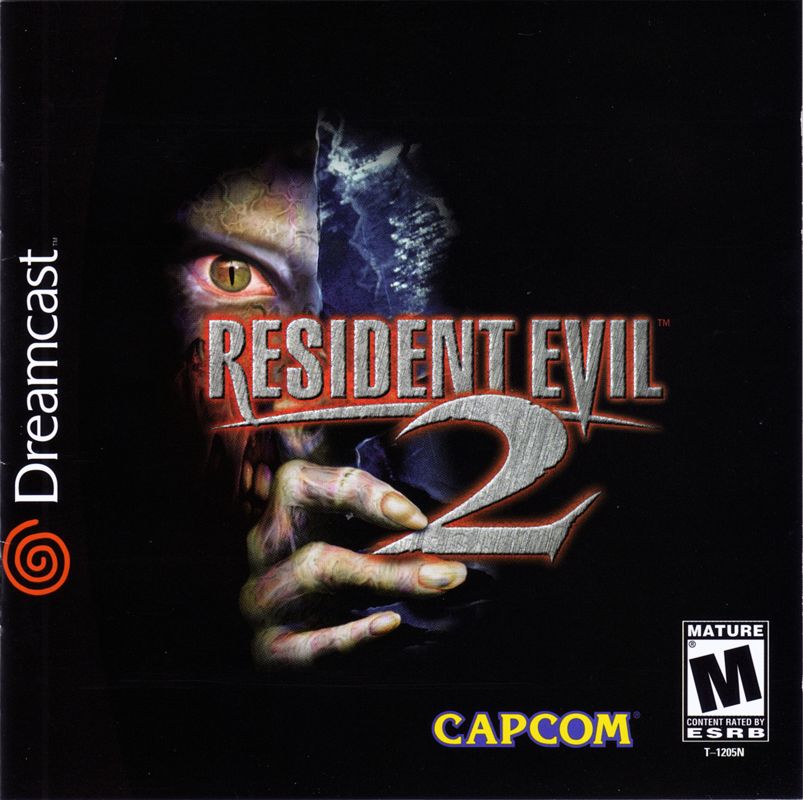
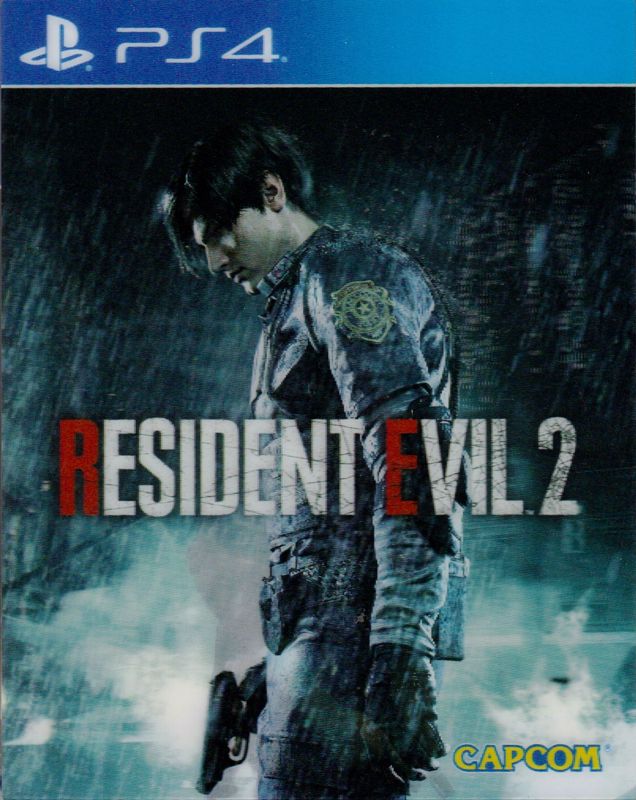
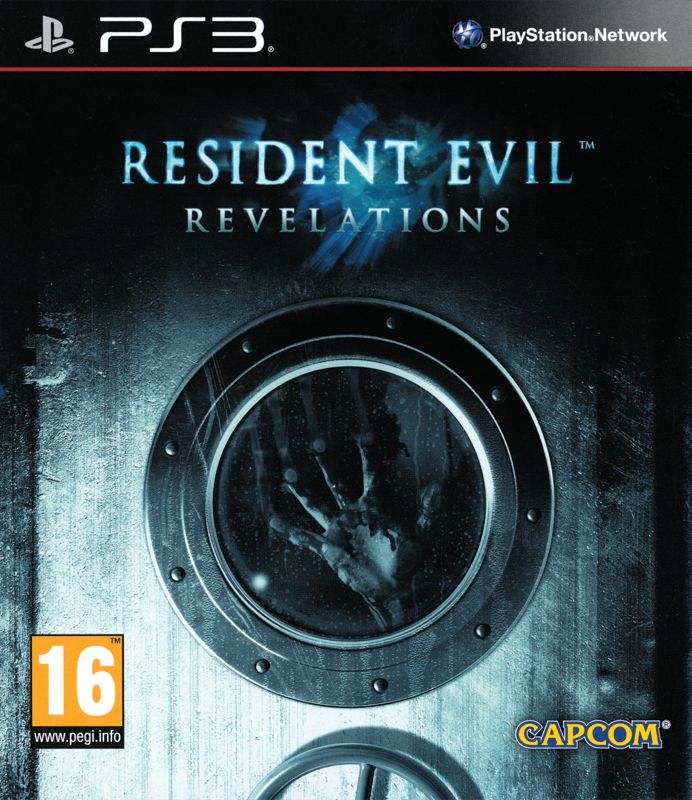
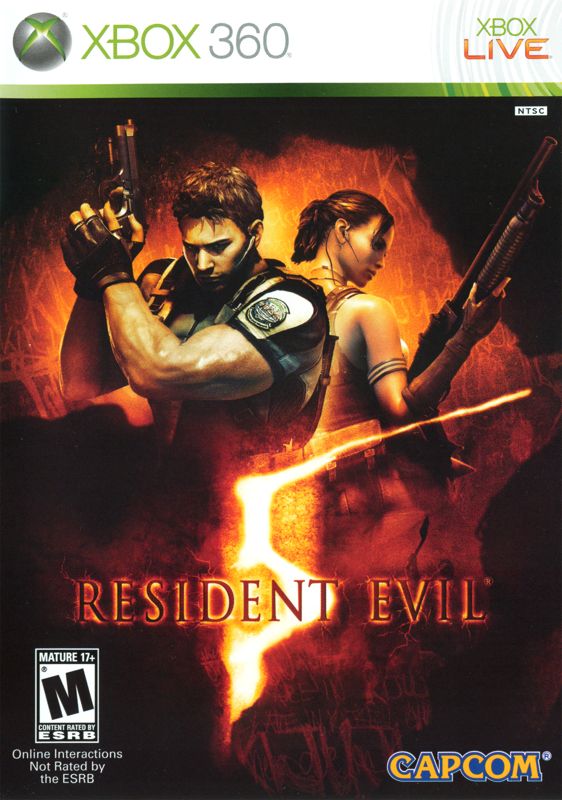
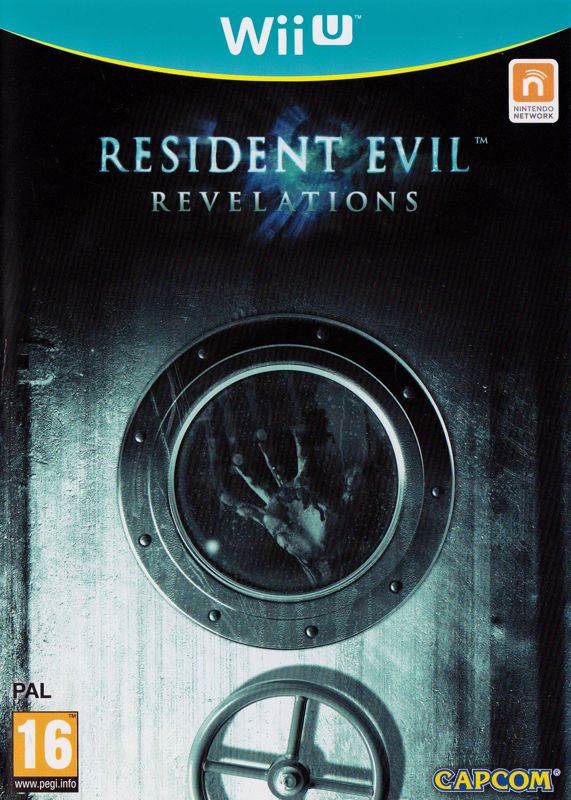
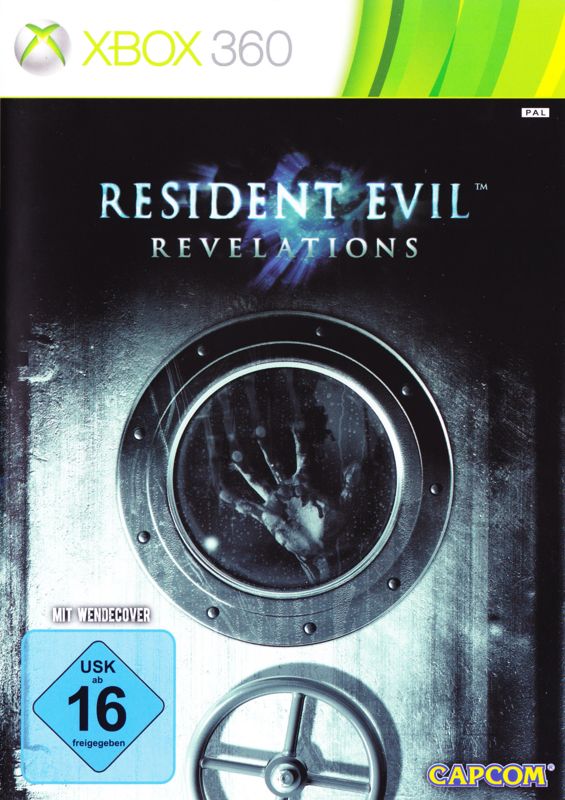
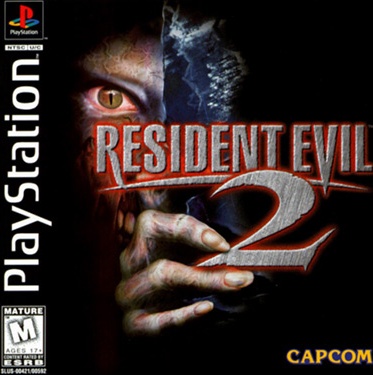
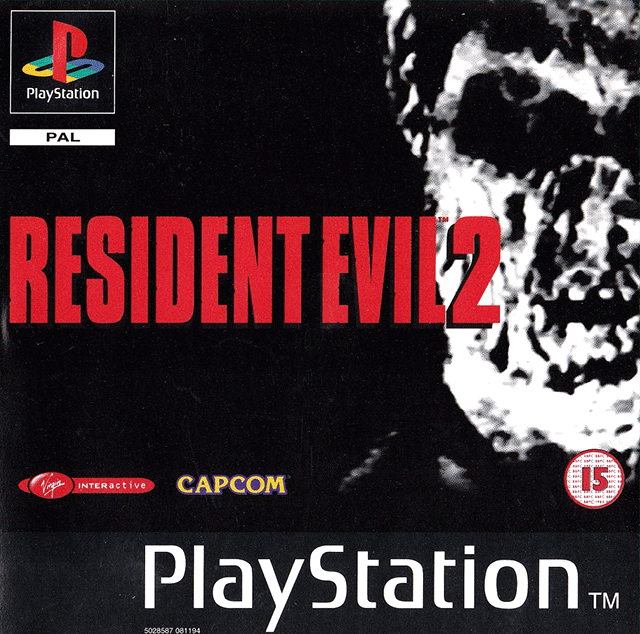
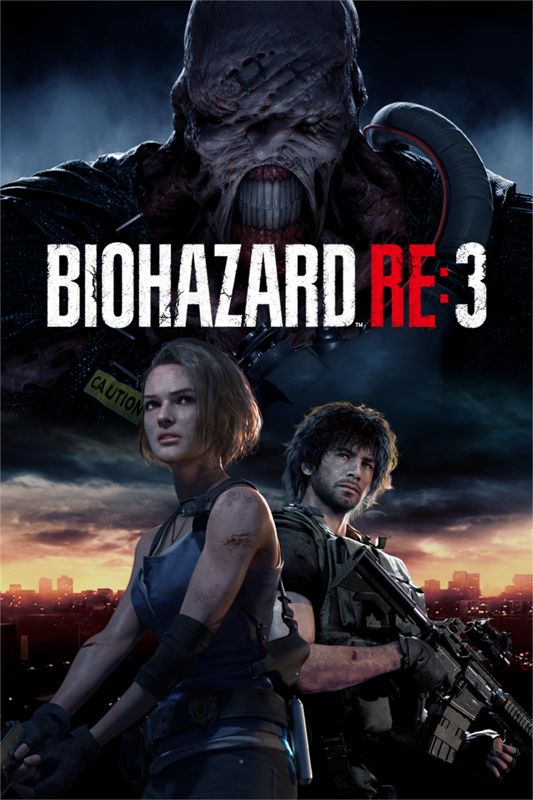
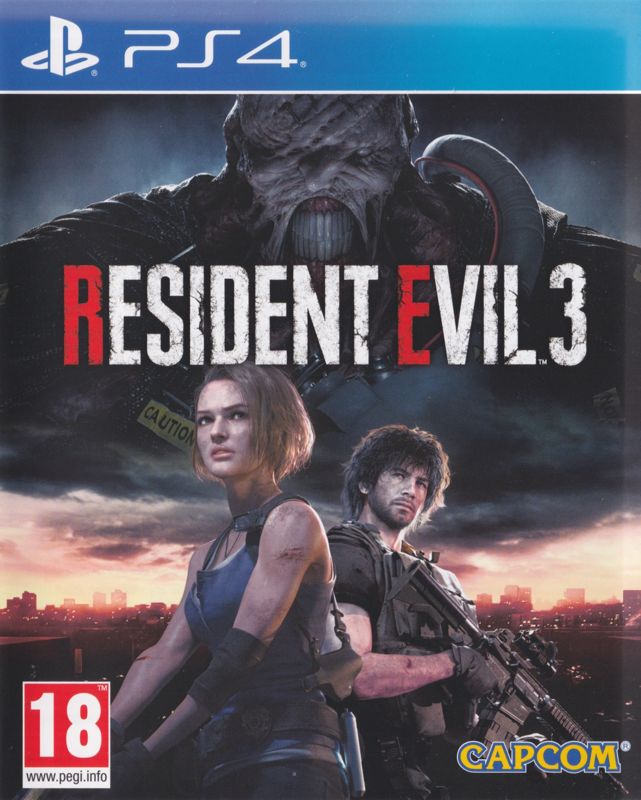
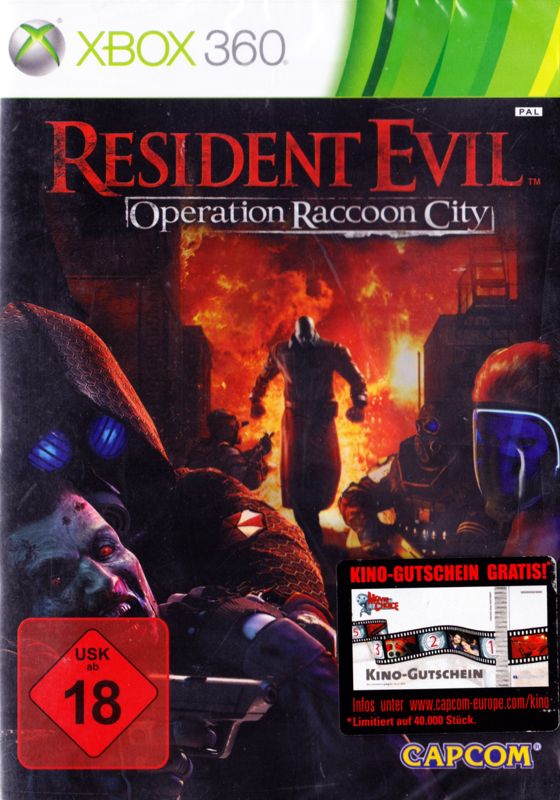
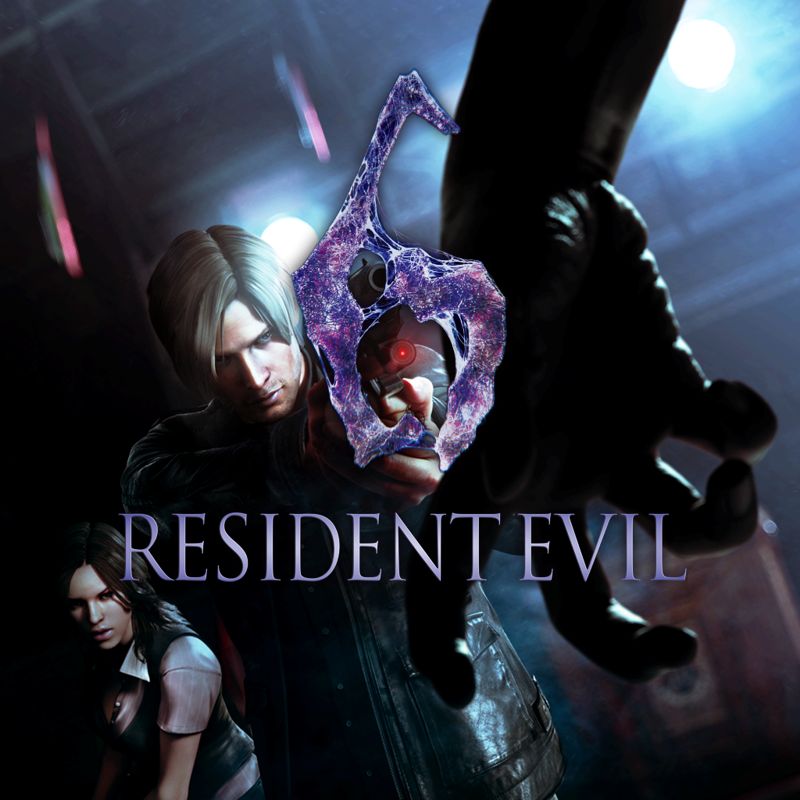
The franchise's massive commercial success generated a vast library of secondary literature and strategy guides. Key publications documenting the gameplay systems and level designs of major releases include Resident Evil 2 [BradyGames] (1993), Resident Evil 2 [Prima] (1993), and Resident Evil 2 [Gamefan Books] (1993). Subsequent titles also received extensive coverage, such as Resident Evil 3 [BradyGames] (1993), Resident Evil 3 [Prima] (1993), and Resident Evil 3 [Versus] (1993). Later generations of the franchise saw continued documentation through releases like Resident Evil: Revelations [BradyGames] (1990) and Resident Evil 6 [BradyGames Hardcover] (1993). These guides helped players navigate the complex maps and item management systems that define the gameplay experience.
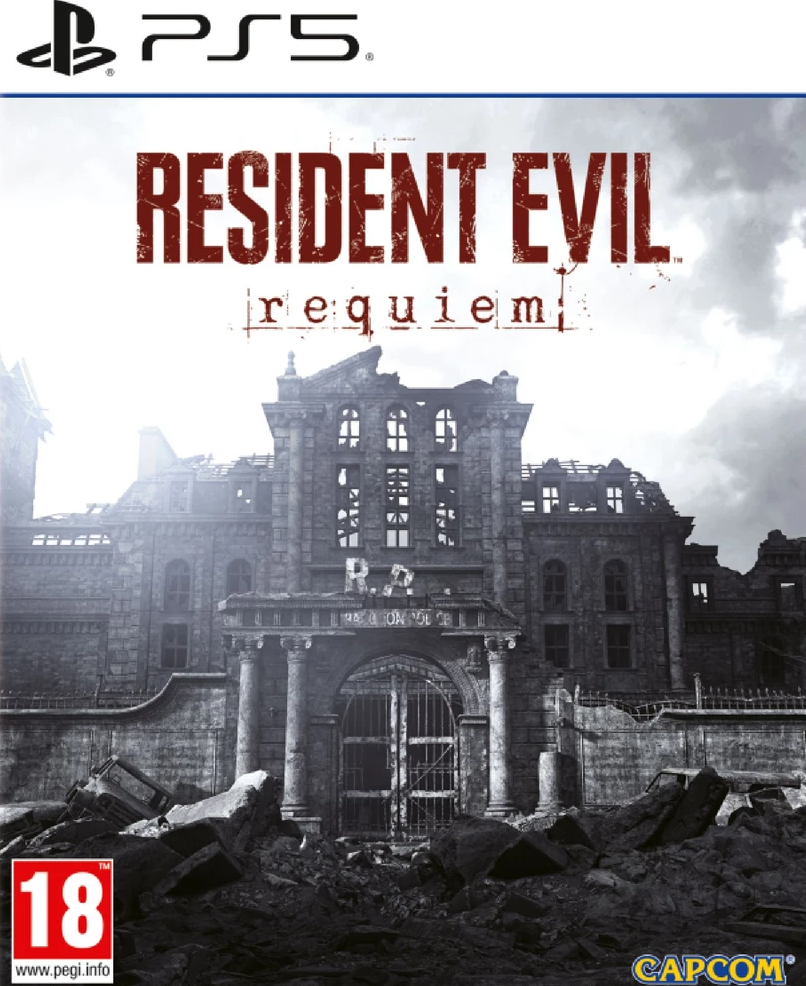
_1.jpg)
_1.png)








_1.png)
_1.jpg)


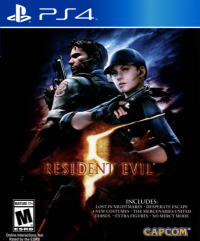
_1.png)





_1.jpg)




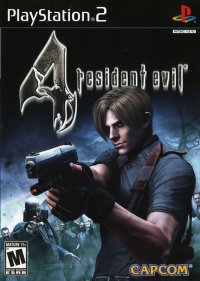

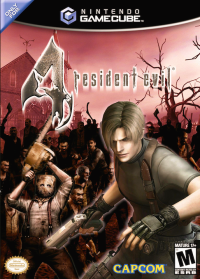

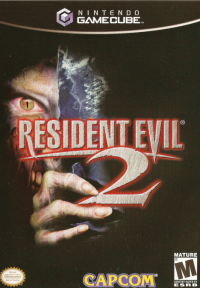
.png)


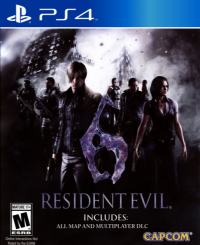


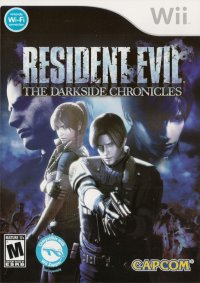
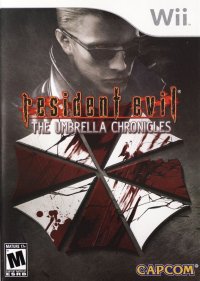
_Front_Cover.jpg)

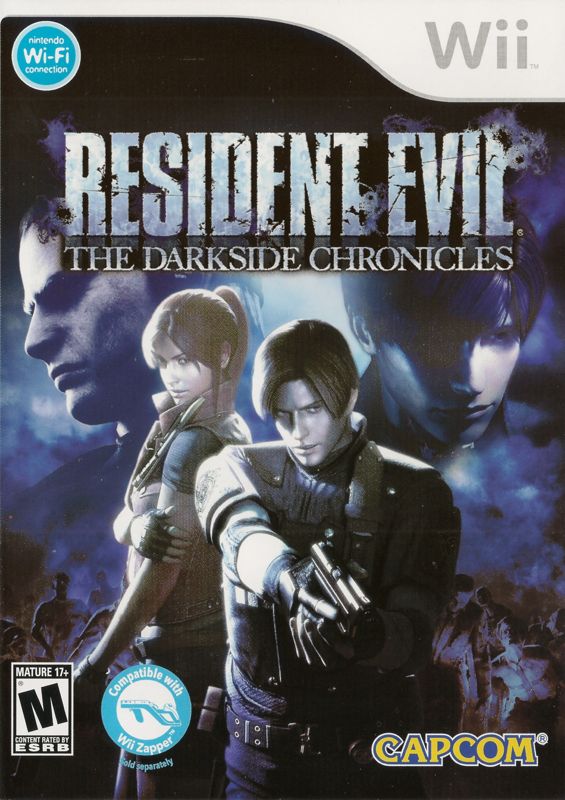
.png)
_Front_Cover.jpg)

_1.jpg)
_1.jpg)
_1.png)
_1.png)