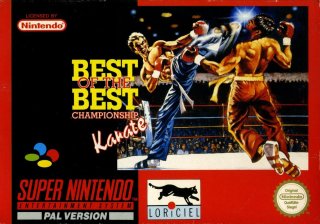
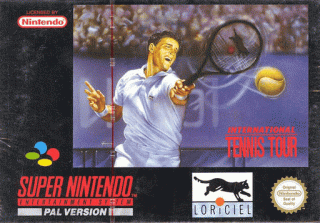
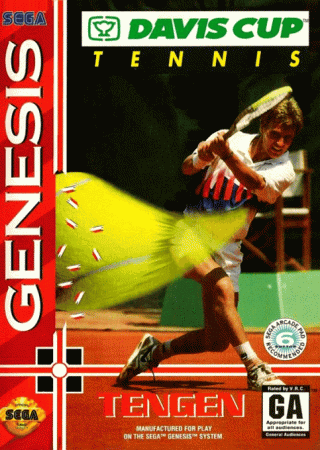
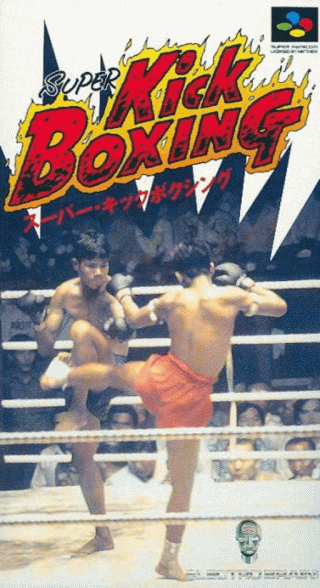
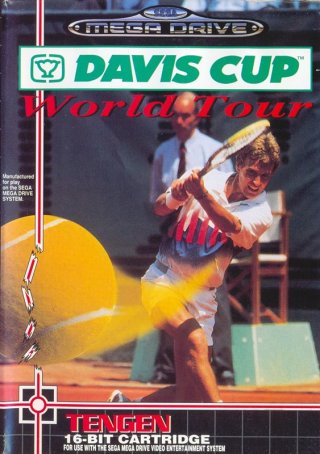
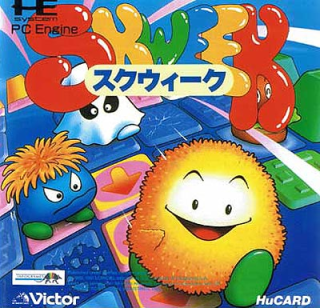
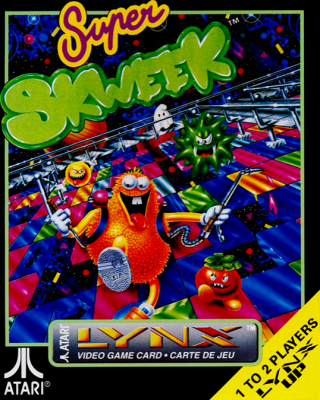
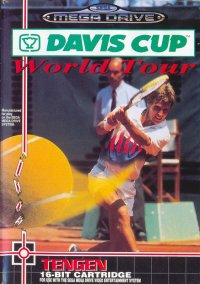
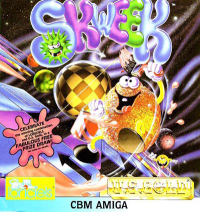
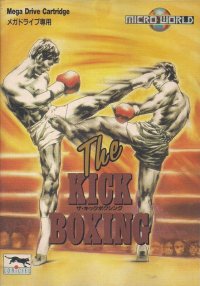
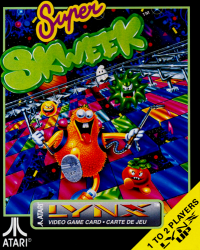
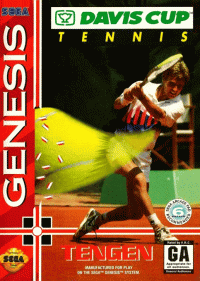
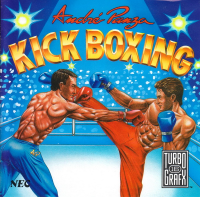
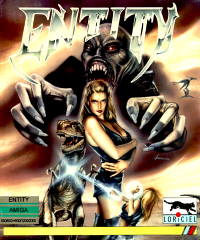
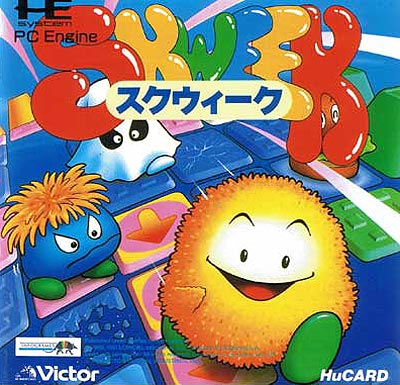
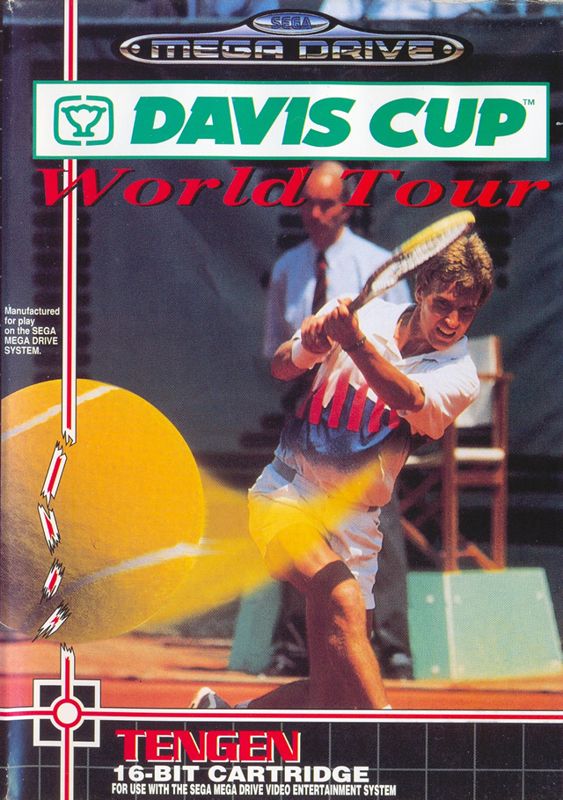
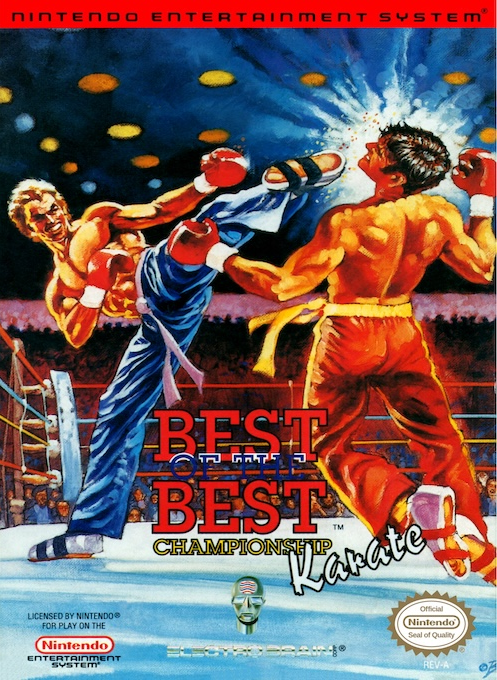
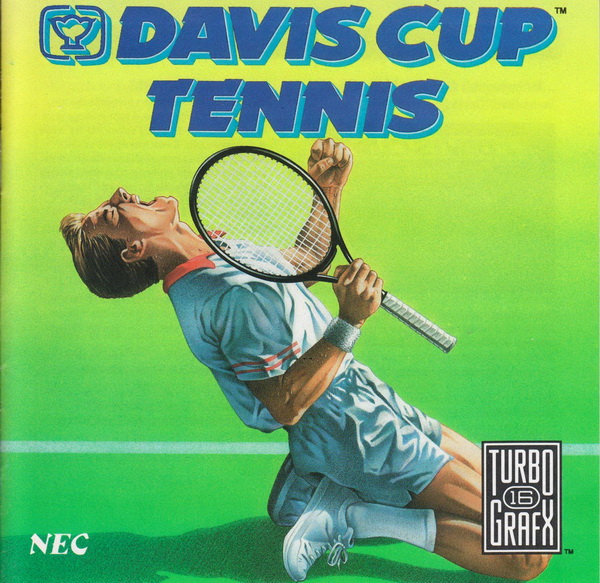
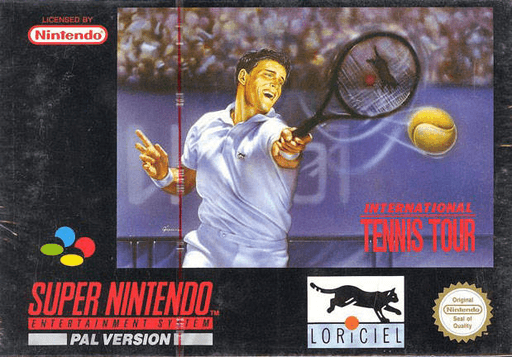
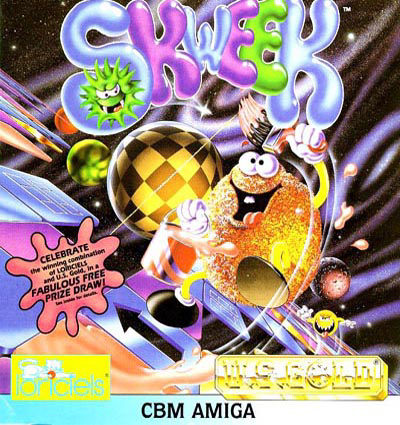
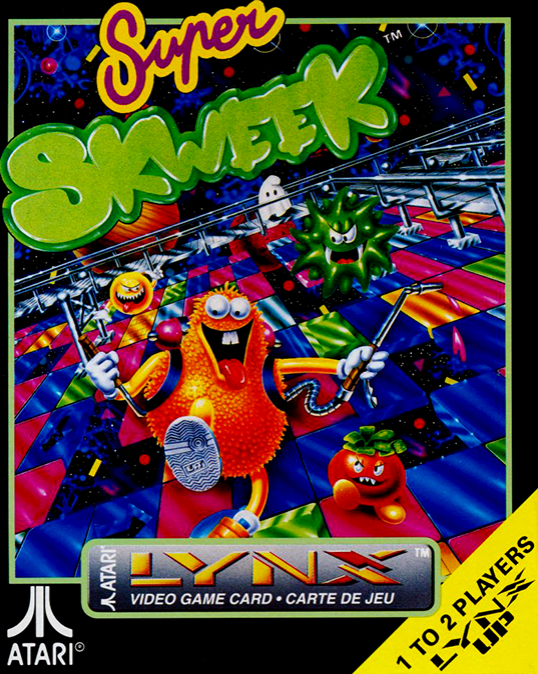
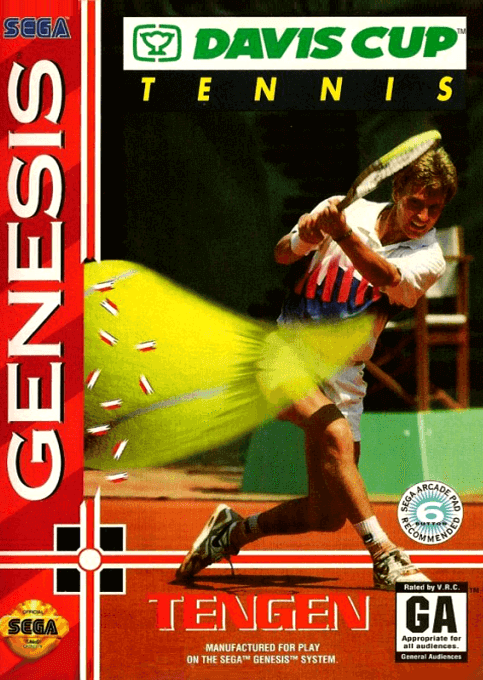
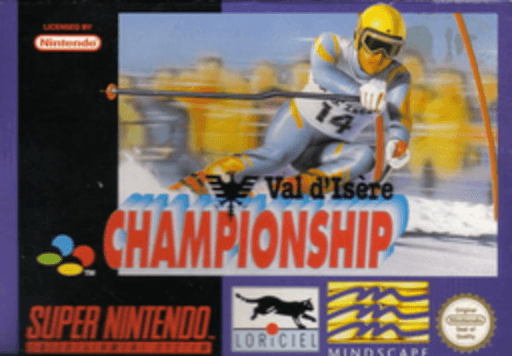
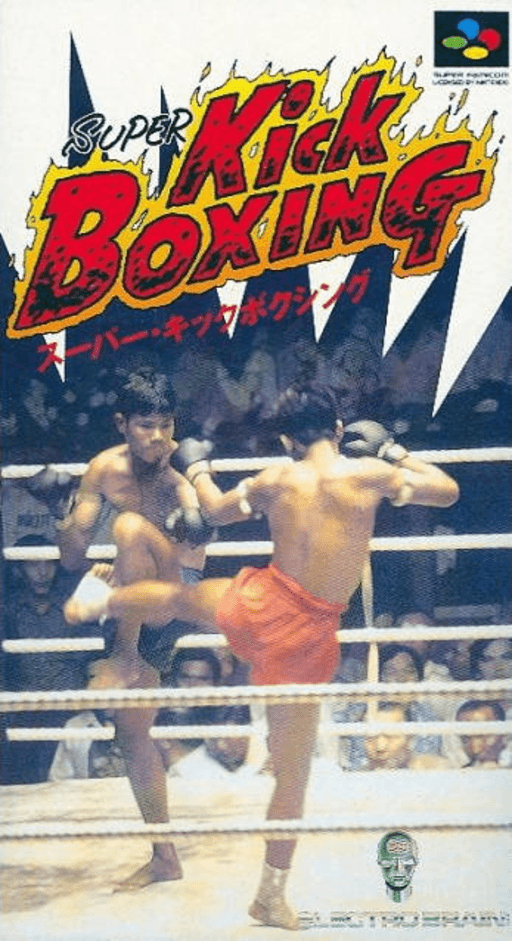
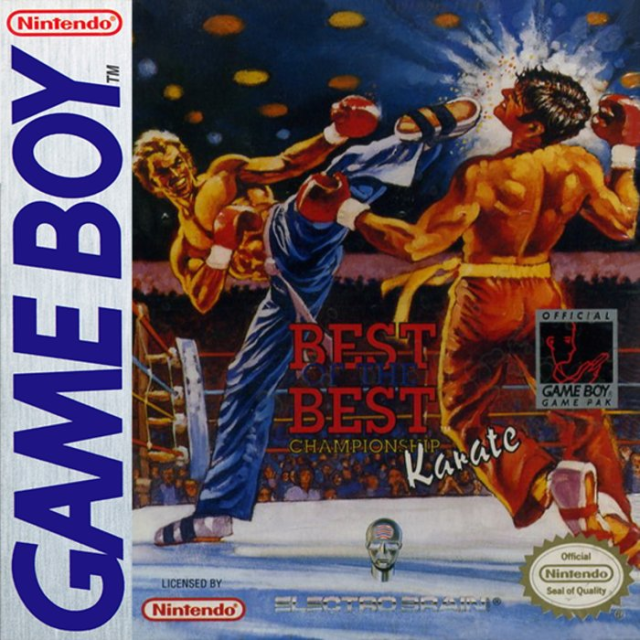
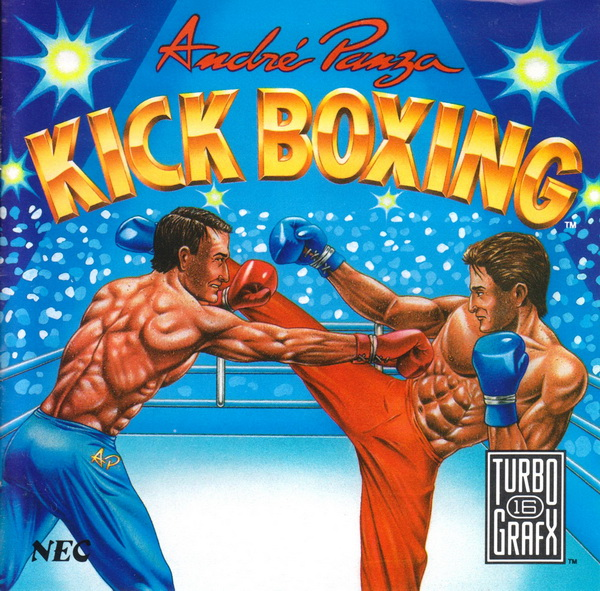
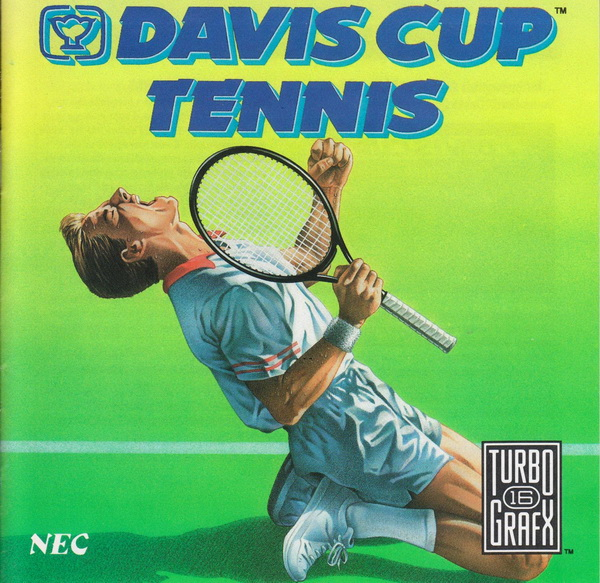
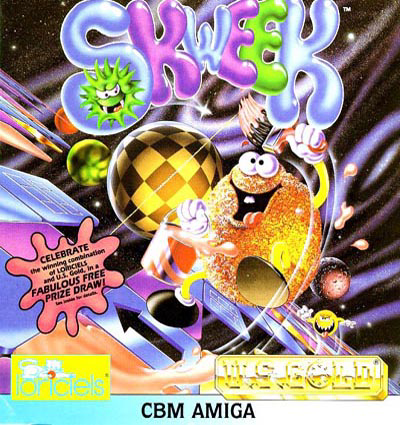
Loriciels developed the acclaimed grid-based puzzle game Skweek (1989) and its sequel Super Skweek (1991), which share gameplay mechanics with classic action-puzzle games like Pengo. The developer was also highly regarded for its sports simulations, including Andre Panza Kick Boxing, Davis Cup Tennis, and Best of the Best: Championship Karate. Their work on the Skweek series cemented their legacy in the action-puzzle genre during the 8-bit and 16-bit eras.
Founded in France in 1983, the developer established a distinct footprint in the tile-coloring and grid-navigation puzzle sub-genre. Within the lineage of
Pengo and
Chip's Challenge, the studio expanded these mechanics through
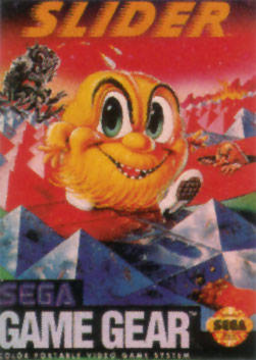
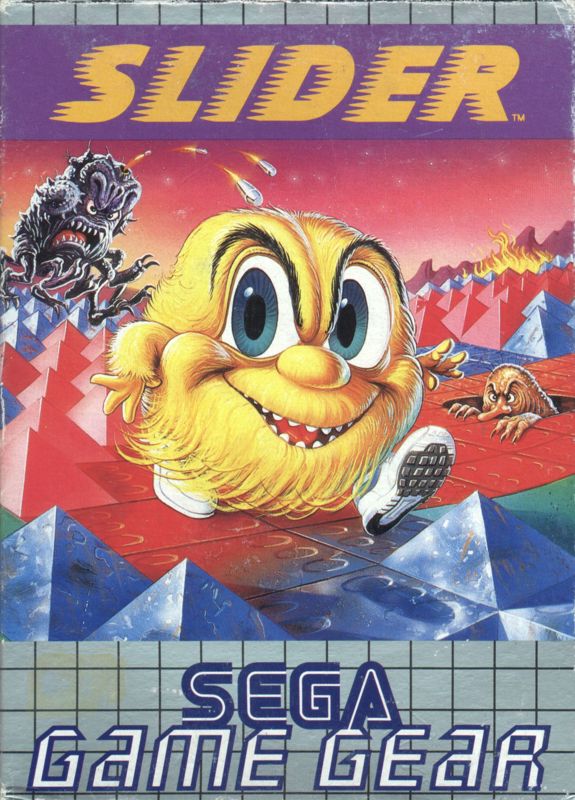
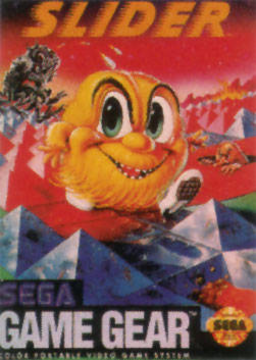
Slider (1991), which challenged players with sliding-block and path-clearing layouts. This design philosophy emphasized spatial awareness and rapid color-shifting mechanics across various 8-bit and 16-bit home computers and consoles, including the Atari ST, Amiga, and Sega Game Gear.
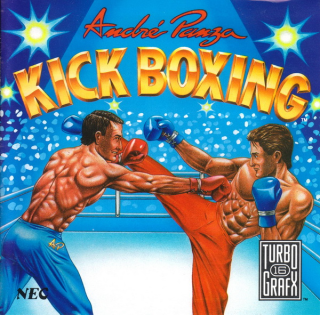
Simultaneously, the company pioneered advanced physics and rotoscoping techniques for its athletic releases. The tactical combat engine introduced in
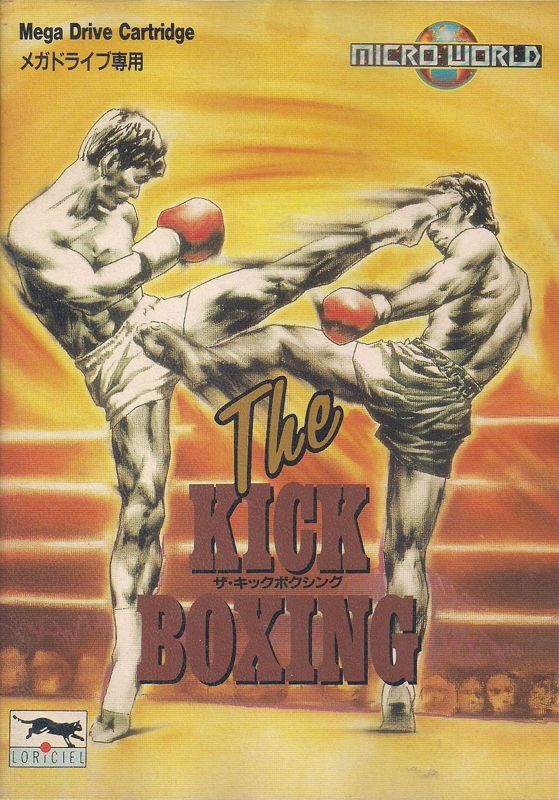
Andre Panza Kick Boxing (1991) was refined for
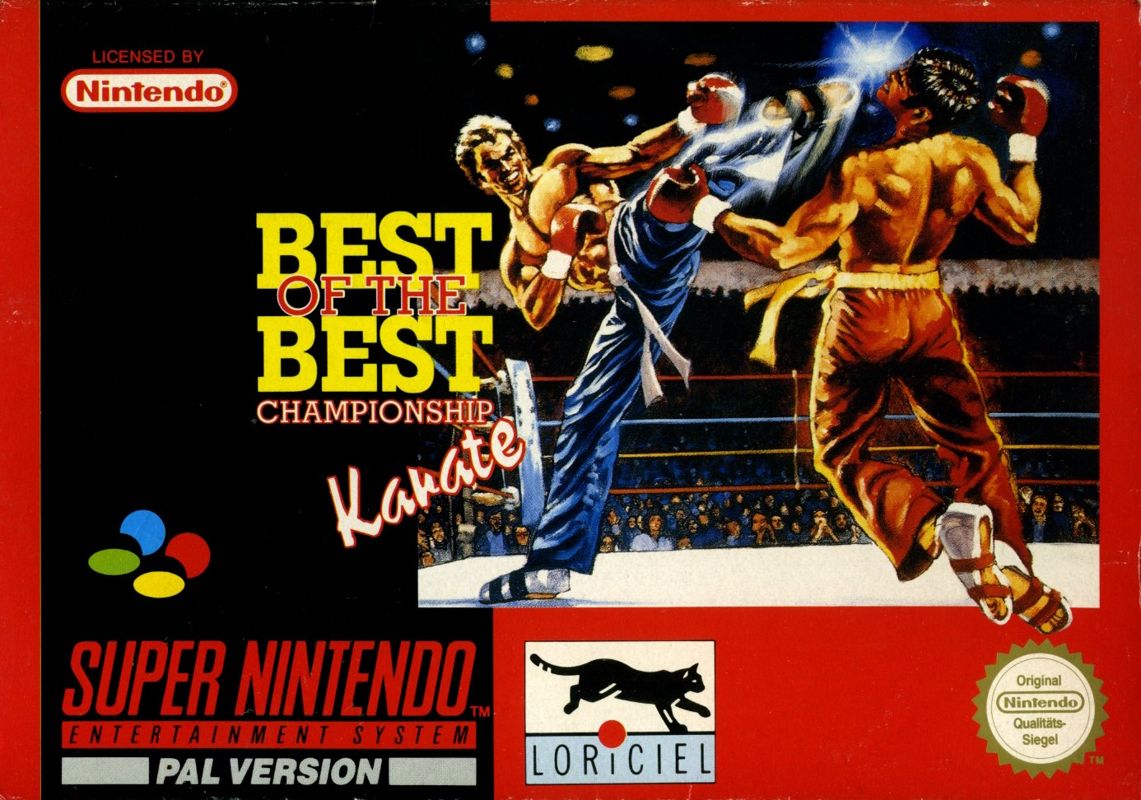
Best of the Best: Championship Karate (1992), offering unprecedented control customization and detailed sprite animations that set new standards for fighting simulations. Similarly,
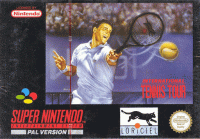
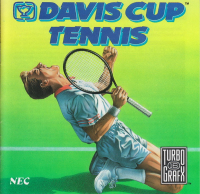
Davis Cup Tennis (1991) utilized pseudo-3D scaling to simulate realistic court depth. Despite these technical achievements and successful international localization, financial difficulties led to the studio's restructuring and eventual closure in the mid-1990s, leaving a specialized portfolio of strategic action-puzzlers and simulation sports titles.