In 1991 and 1992 releases such as Super Castlevania IV, ActRaiser, and Darius Twin, the 1 Up serves as a crucial collectible that increases the player's life count. It appears as a helpful item in action titles like Mega Man II for the Game Boy and the HAL Laboratory shooter Trax. The item is also featured in other classic platformers and shooters of the era, including Bionic Commando, Looney Tunes, and Viewpoint.
In the
Mega Man franchise, particularly the Game Boy release
Mega Man II, the item is represented by the protagonist's head, rewarding players who explore hidden rooms or defeat tough enemies. This design philosophy aligns with other Capcom titles of the era like the Game Boy port of
Bionic Commando, where securing extra chances is vital due to the high difficulty of swing-based navigation.
For HAL Laboratory's
Trax and the broader
Kirby's Dream Land lineage, the item often takes the form of a distinct icon, providing a safety net during challenging boss encounters. In the
Cool Spot franchise and licensed platformers like
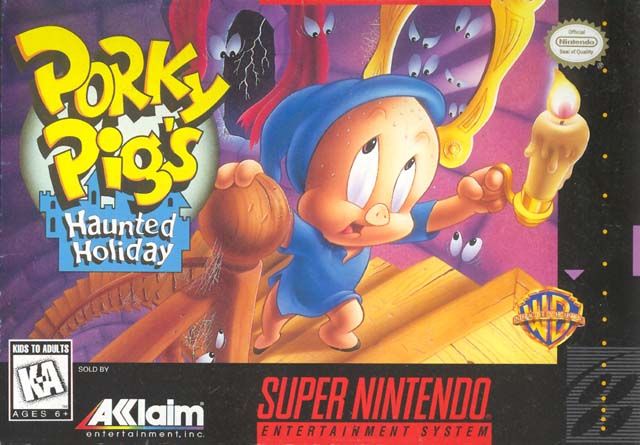
Looney Tunes, finding these hidden items requires precise jumping and thorough exploration of vertical levels.
Meanwhile, shooters and action-hybrids like
Darius Twin,
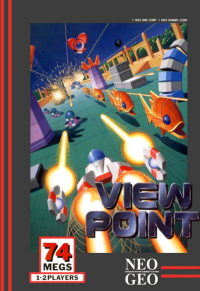
Viewpoint,
ActRaiser, and
Super Castlevania IV place these items in high-risk areas, forcing players to balance the danger of retrieval against the reward of an extended playthrough. This risk-reward mechanic defined early 1990s arcade and console design.
.png)
.png)
_1.png)

.png)
.png)
.png)
.png)
.png)








.png)

 (Rev 1).png)


.png)
.png)

.png)
.png)
.png)
.png)
.png)
.png)
.png)
.png)