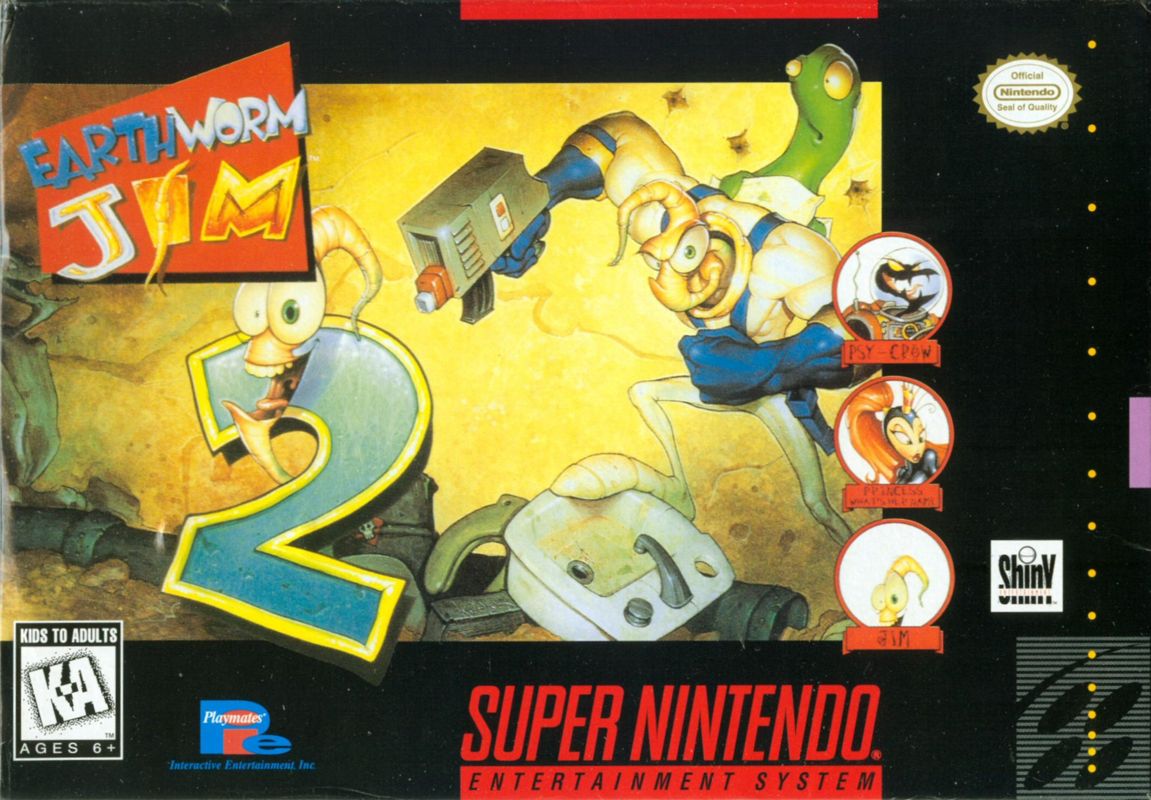
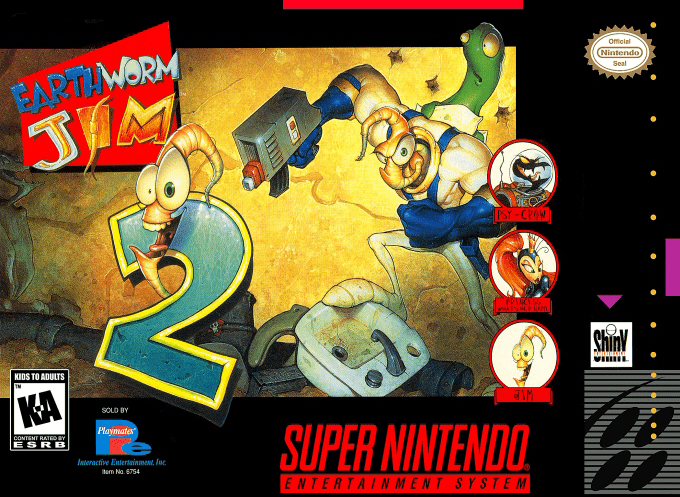
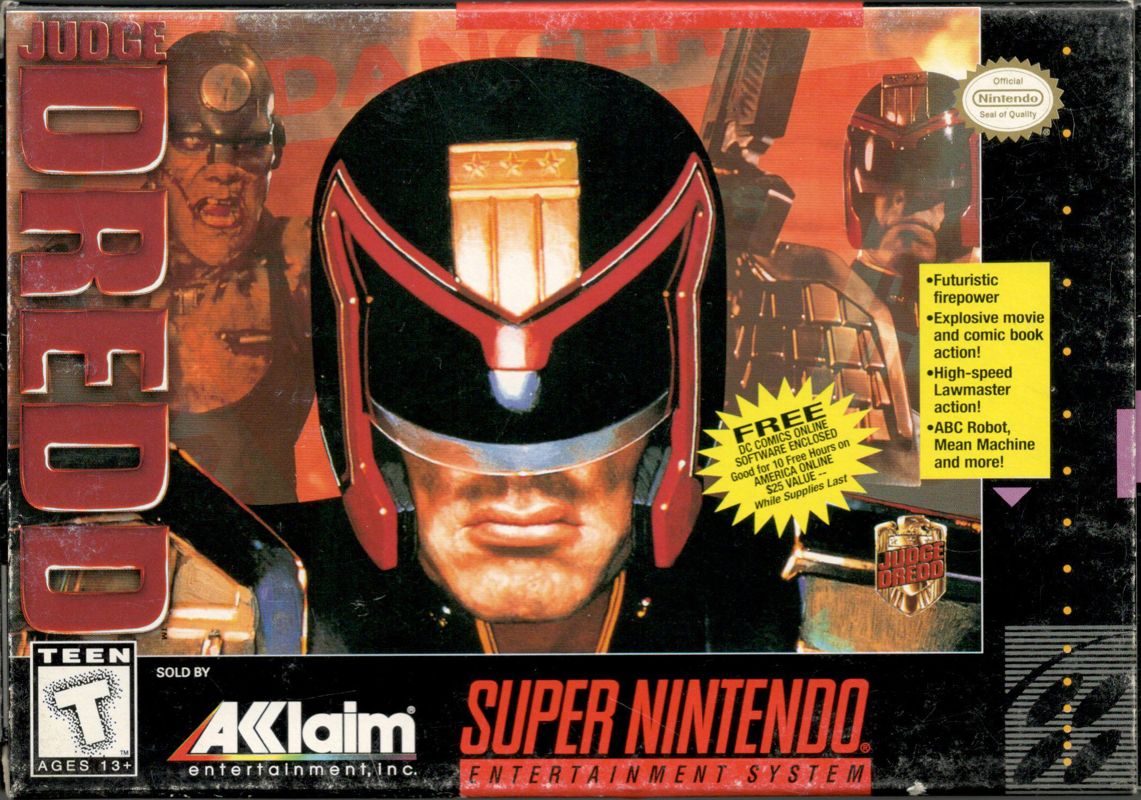
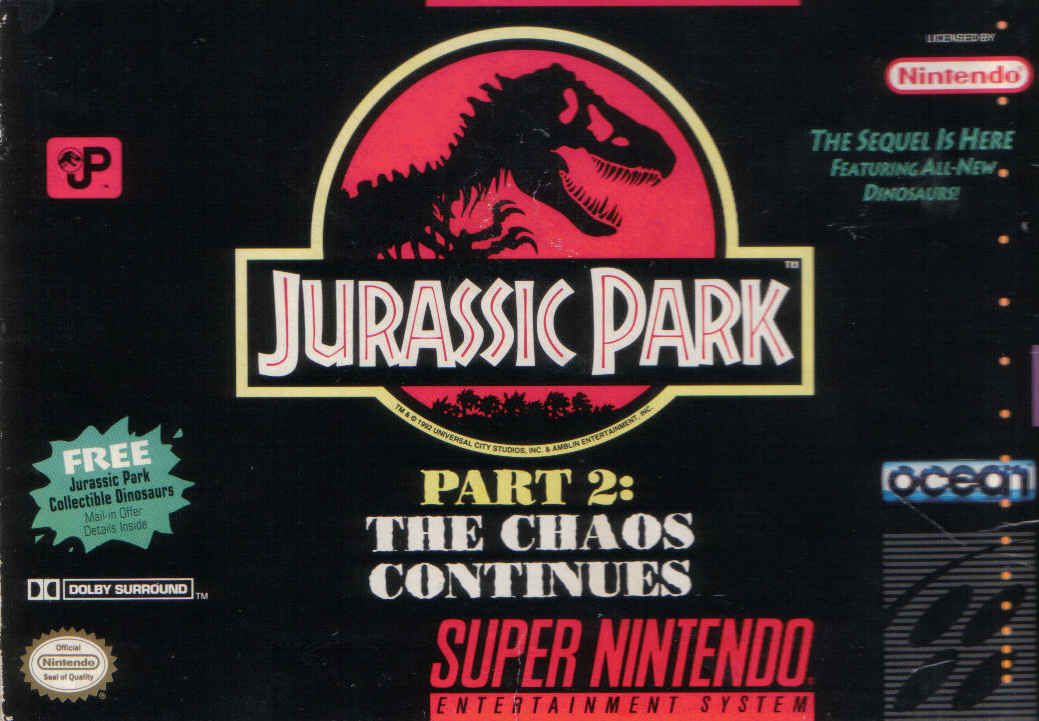
In retro titles like Earthworm Jim (1994) and Judge Dredd (1995), the extra life item appears as a franchise-themed collectible, such as Jim's spinning head or a Judge badge. Acquiring these items in games like Jurassic Park (1993) and Universal Soldier (1993) increases the player's remaining life count, allowing them to bypass immediate game-over screens. These items are typically hidden in secret areas or placed in hard-to-reach platforming sections to reward exploration.
During the 16-bit era, the inclusion of extra life items served as a crucial balancing mechanic for highly difficult side-scrolling titles. In
Spider-Man 2 (1992) and
The Flintstones (1994), these collectibles mitigated strict continue limits, allowing players to persist through grueling level designs. For cooperative action games like
Soldiers of Fortune (1993), securing extra lives was essential for maintaining team composition during intense firefights.
The visual design of these items reflected the distinct branding of their respective properties. In
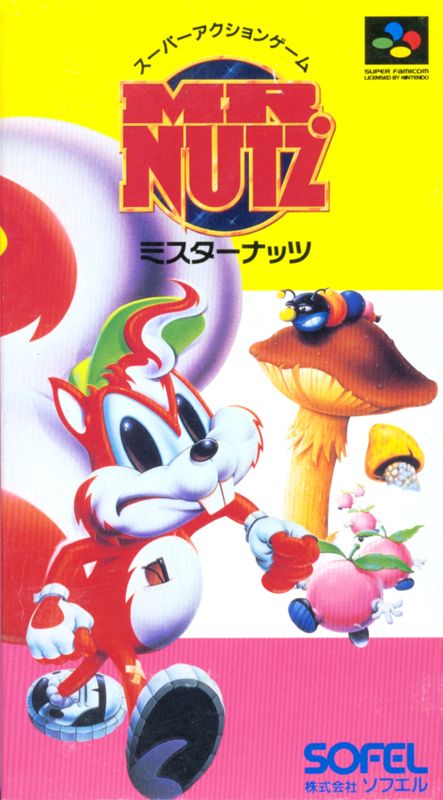
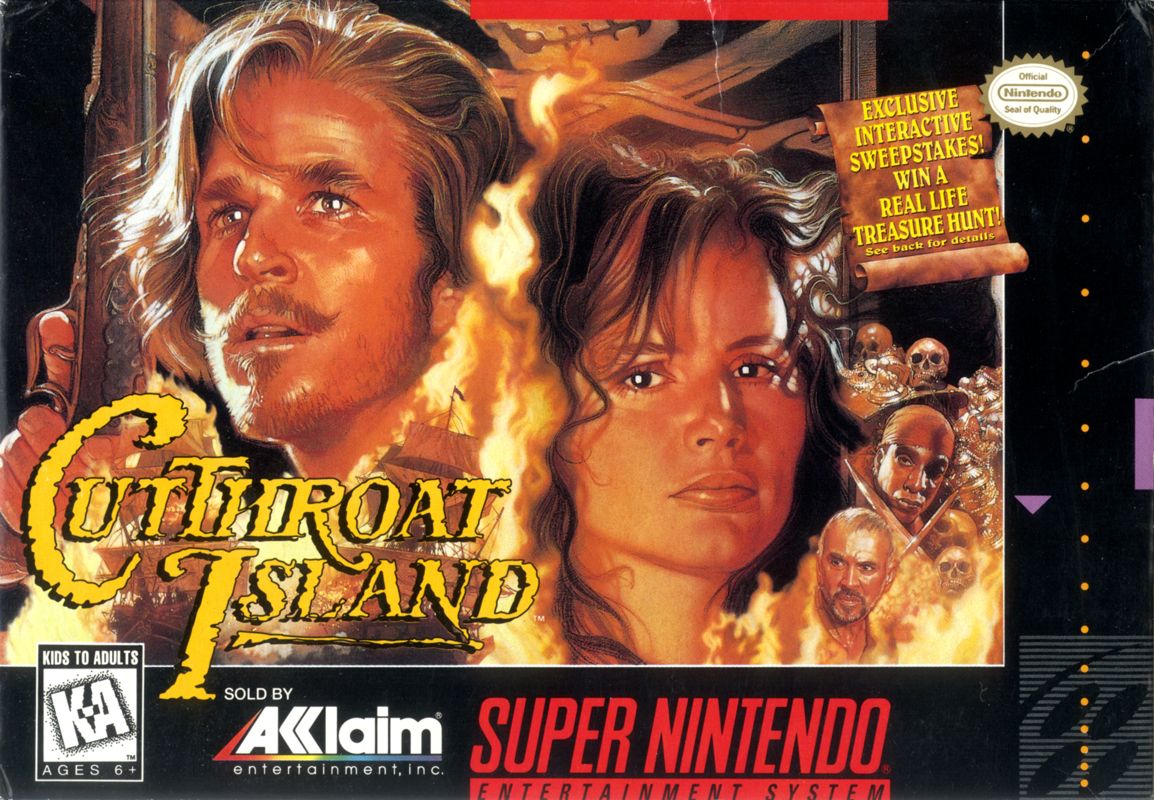
Mr. Nutz (1994), the item took the form of the protagonist's head, a common convention of the period that reinforced character identity. This design philosophy carried directly into the Earthworm Jim, Cutthroat Island, and Judge Dredd franchises, where thematic consistency was paramount. As the industry transitioned toward save states and password systems, the reliance on these physical pickups began to wane. However, their presence in mid-1990s releases remains a defining characteristic of the challenging gameplay loop that characterized this generation of console software.
.png)
.png)

.png)

.png)








.png)


.png)


.png)
.png)
.png)
.png)
.png)

.png)
.png)
.png)