Survival horror challenges players with limited ammunition, health, and saving opportunities, emphasizing tension and vulnerability over raw action. Originating with fixed camera angles and tank controls in the 1990s, the mechanic evolved to incorporate over-the-shoulder action perspectives and psychological horror elements in later decades. Modern iterations blend these classic resource-management roots with fluid combat and cinematic storytelling.
While early influences date back to 1989's
Sweet Home and 1992's
Alone in the Dark, Capcom popularized the genre's core loop with
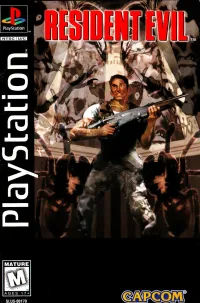
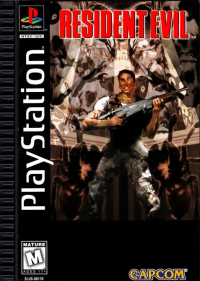
Resident Evil (1996) and
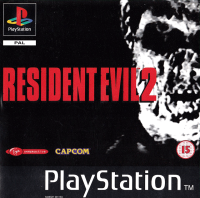
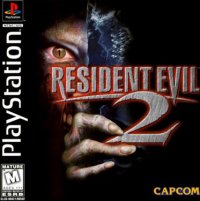
Resident Evil 2 (1998). Konami's
Silent Hill (1999) introduced fog-laden environments and surrealist themes, shifting the focus toward atmospheric dread. By the mid-2000s,
Resident Evil 4 (2005) revolutionized player perspective and pacing, influencing action-heavy sci-fi variants like
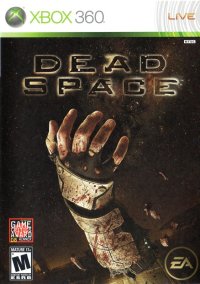
Dead Space (2008) and post-apocalyptic hybrids like
Metro 2033 (2010).
The 2010s saw a divergence. Indie titles like
Amnesia: The Dark Descent (2010) stripped away combat entirely, a trend adopted by major releases like
Outlast (2013). Concurrently, AAA titles like
The Last of Us (2013) integrated stealth-based survival mechanics into character-driven narratives. Recently, the genre has experienced a renaissance driven by high-fidelity remakes, including
Resident Evil 3 (2020) and
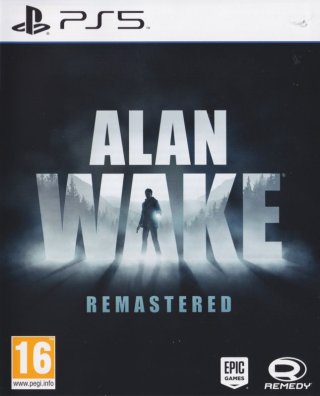
Alan Wake: Remastered (2021), alongside new entries that balance defensive puzzle-solving with modern physics engines and spatial audio design.