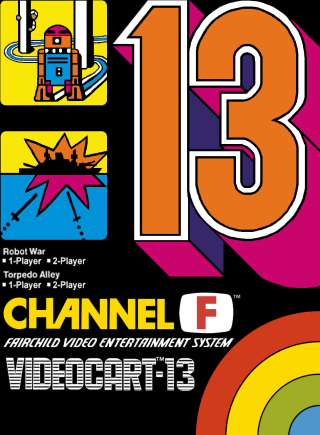
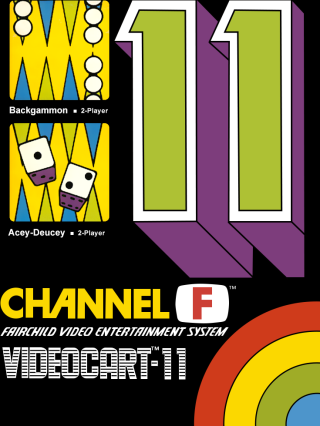
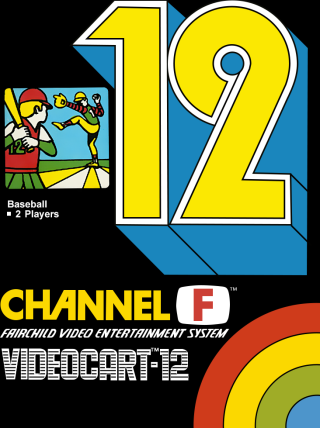
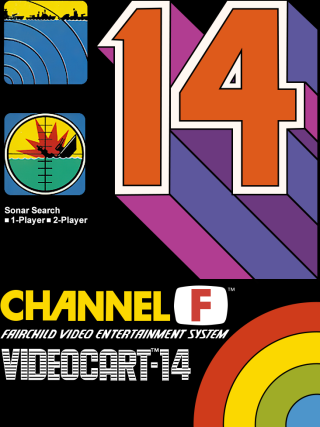
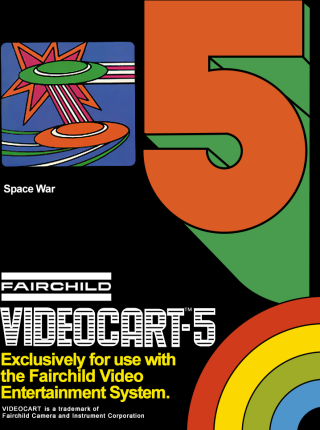
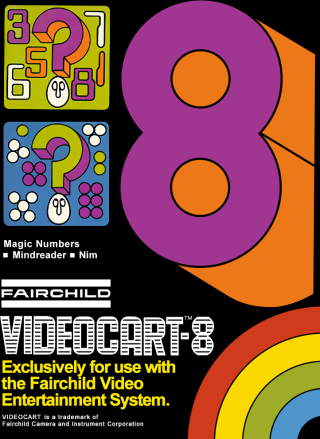
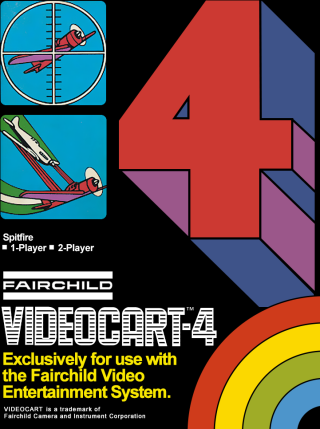
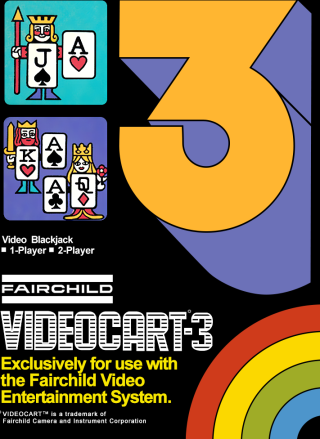
Saba released a licensed version of the Fairchild Channel F console in Germany, marketing it as the Saba Videoplay. Under this brand, they published localized versions of the system's early cartridges, including Videocart 1, Videocart 2, Videocart 3, Videocart 9, Videocart 11, Videocart 12, Videocart 14, and Videocart 15 between 1976 and 1977.
To appeal to West German consumers, the electronics manufacturer redesigned the packaging for these releases, replacing the original American artwork with distinct, colorful illustrations and German-language instruction manuals. Early titles like
Videocart 1 and
Videocart 2 introduced German households to programmable home gaming, offering localized versions of classic electronic pastimes. For strategy and card games such as
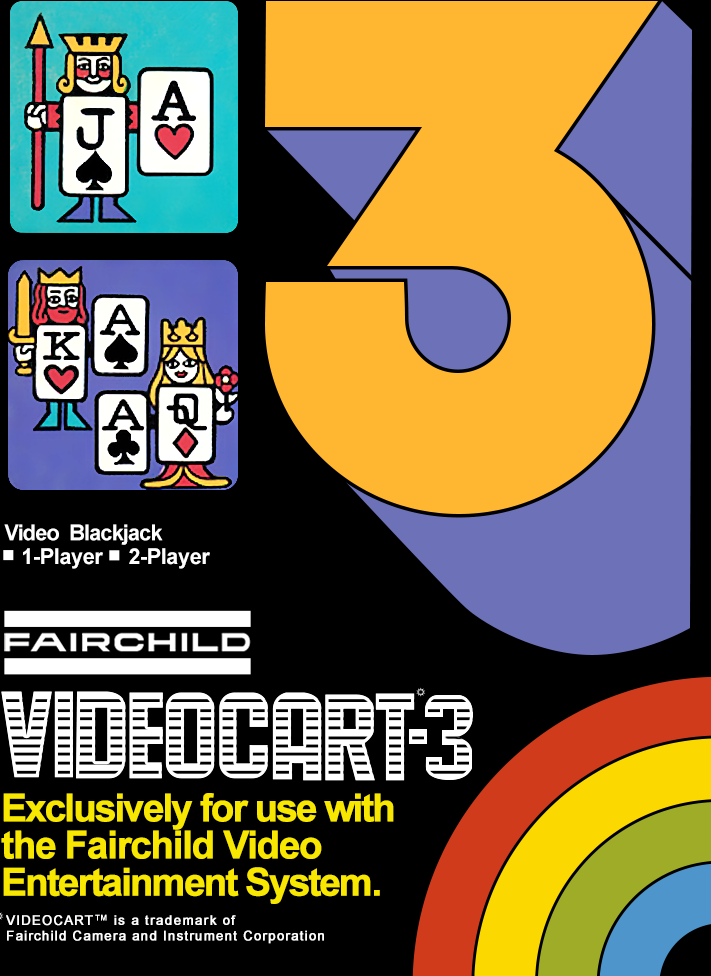
Videocart 3 and
Videocart 11, the translated documentation was essential for teaching local players the rules of blackjack and backgammon.
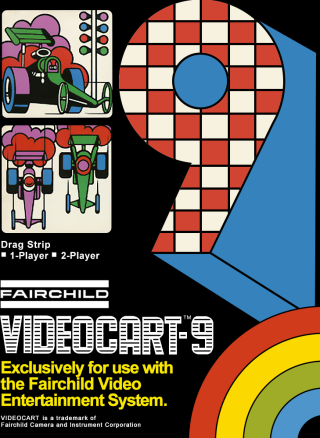
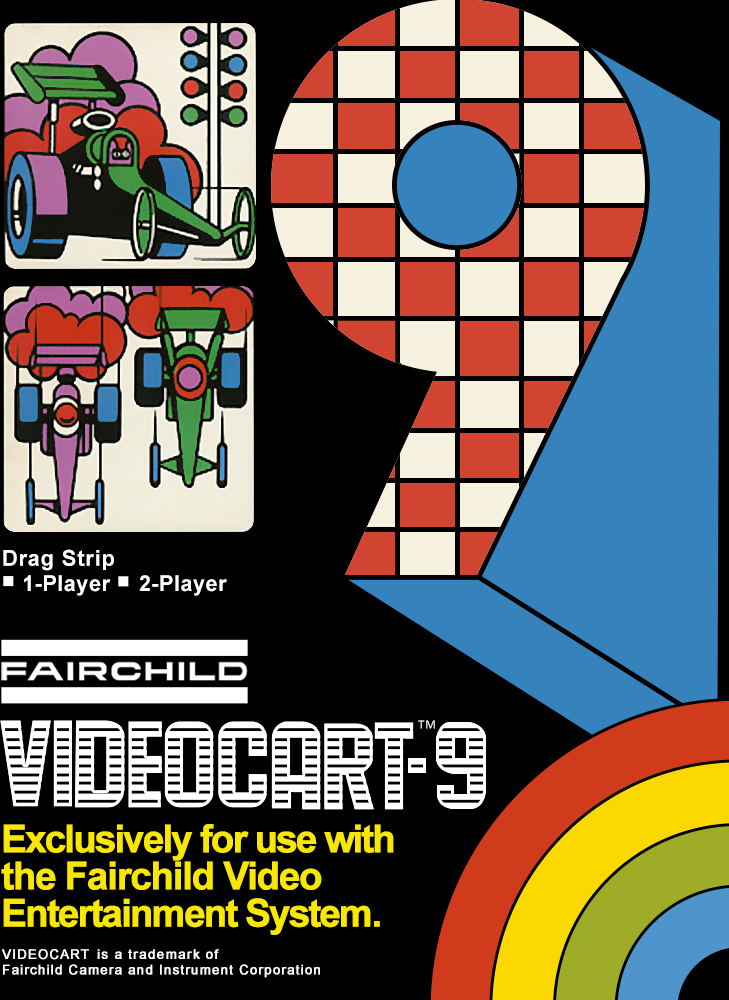
The publisher maintained a steady release schedule, adapting action-oriented titles like
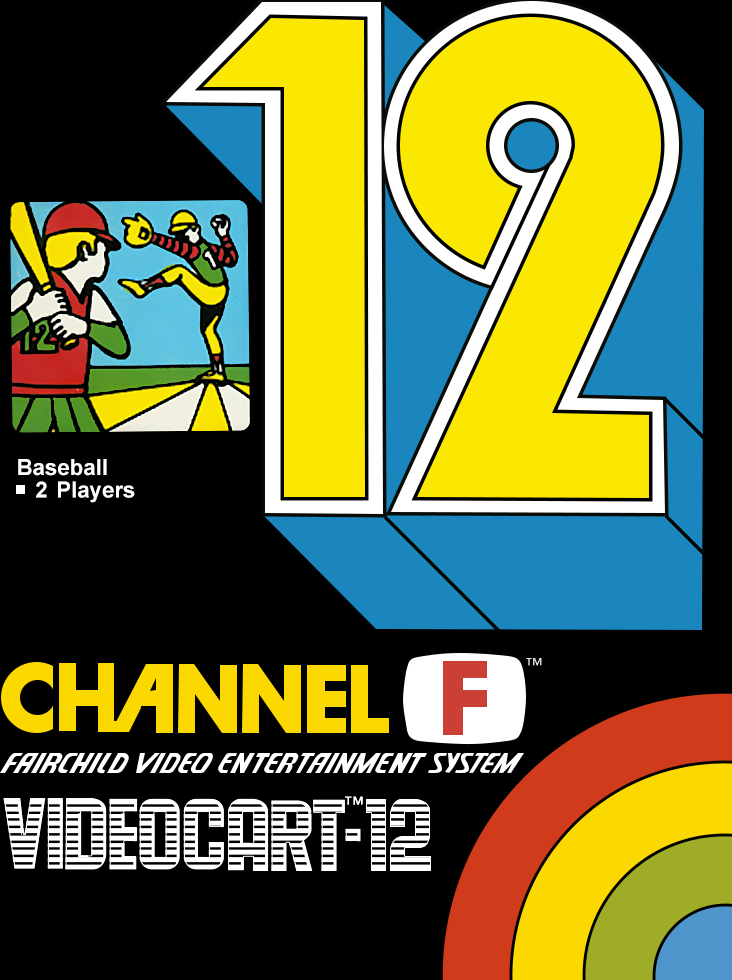
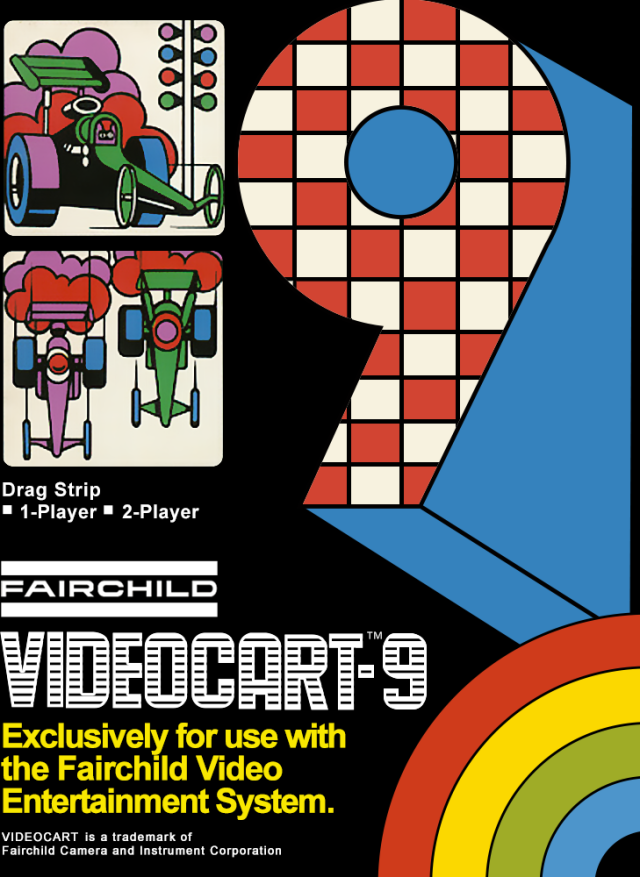
Videocart 9 alongside sports simulations like
Videocart 12. The final wave of releases, including
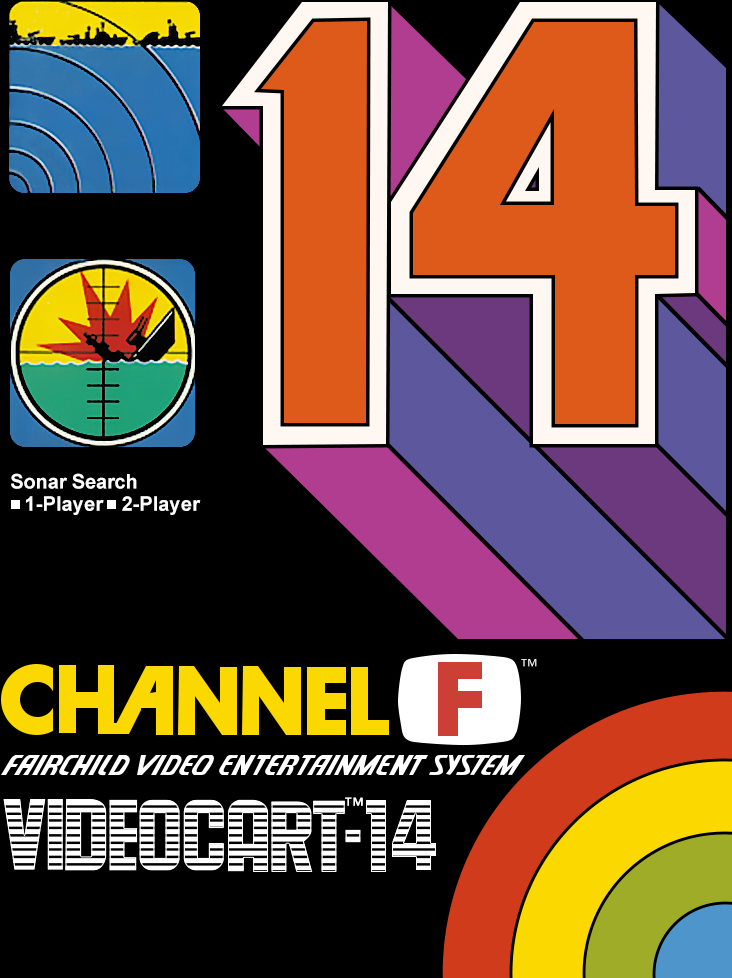
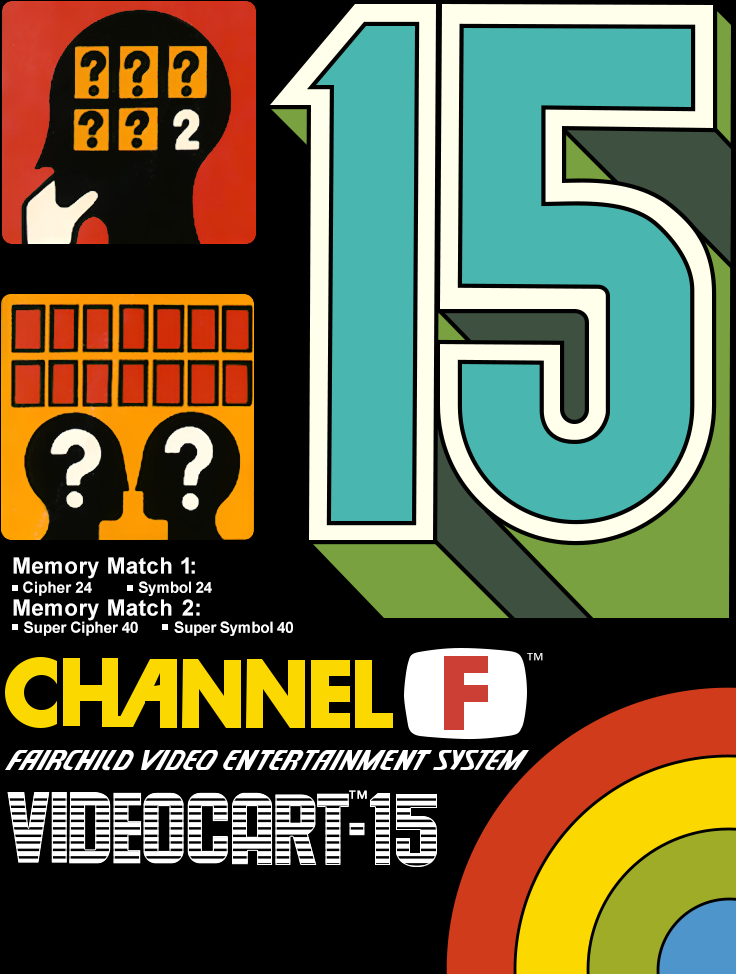
Videocart 14 and
Videocart 15, showcased the technical limits of the early console hardware before the market shifted toward newer competitors. Today, these specific German editions are highly valued by retro gaming collectors. They represent a pivotal moment in European gaming history, marking one of the earliest successful efforts to localize and distribute programmable cartridge-based video games outside of North America.