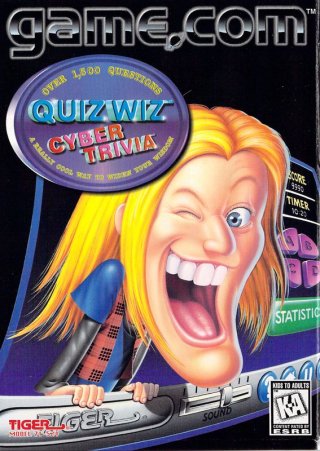
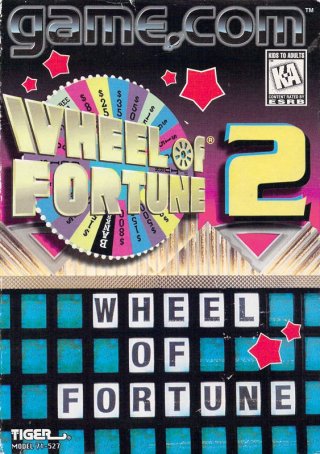
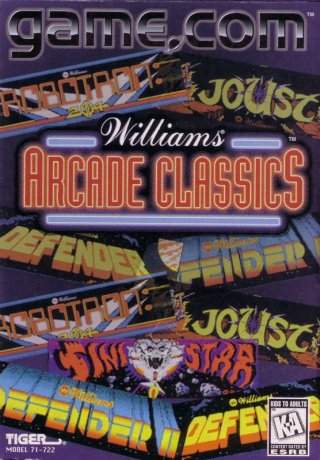
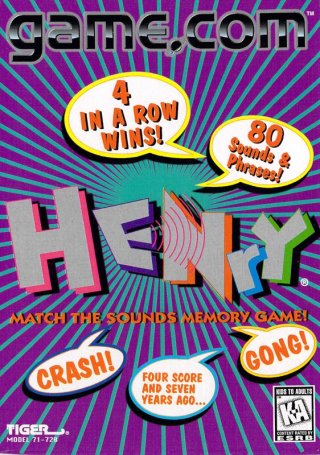
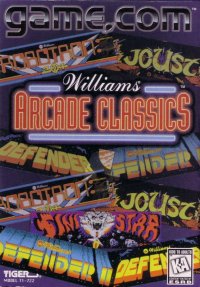
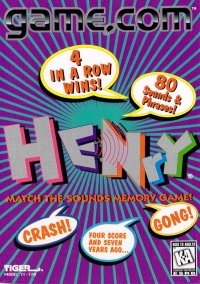
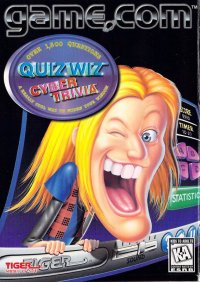
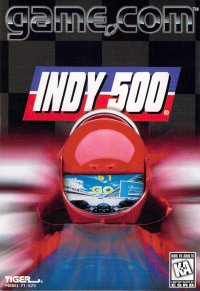
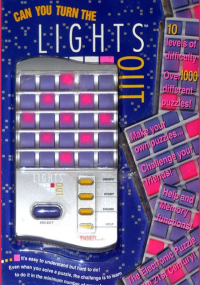
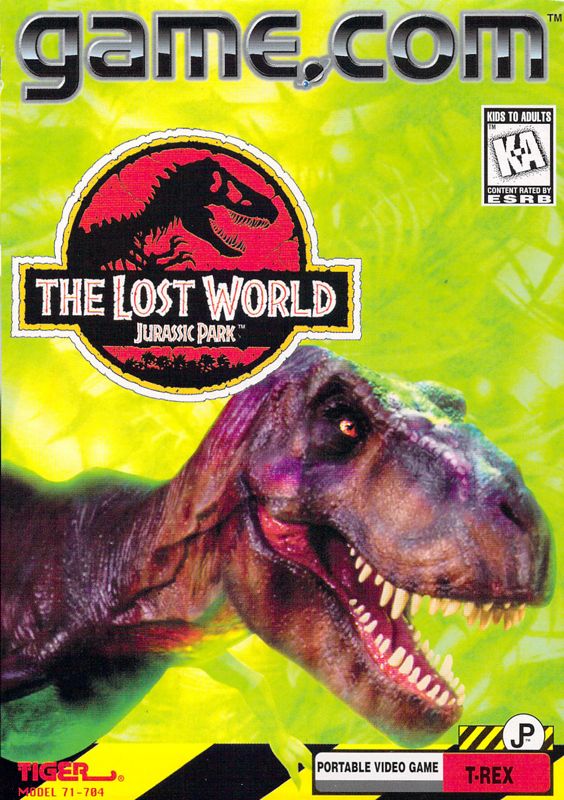
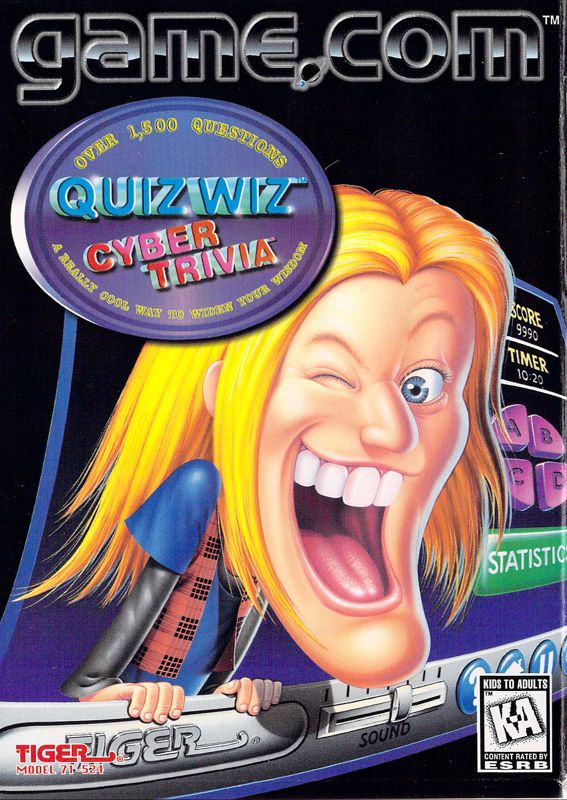
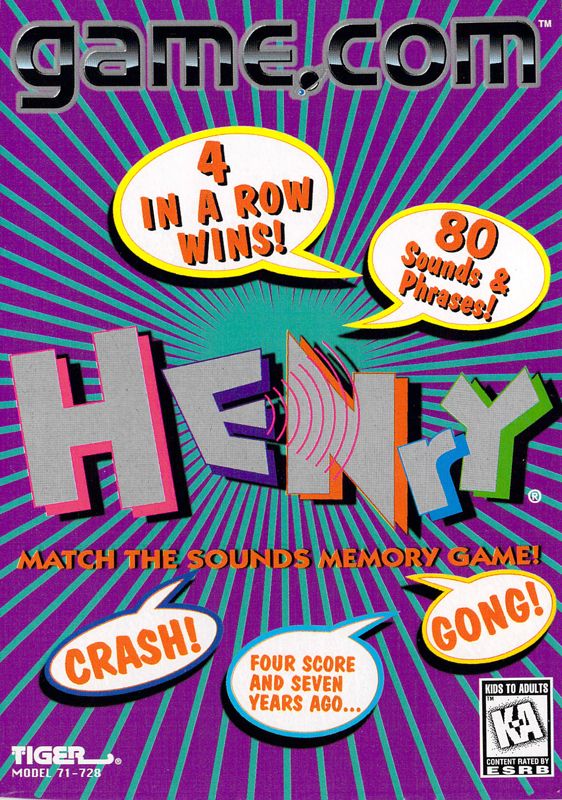
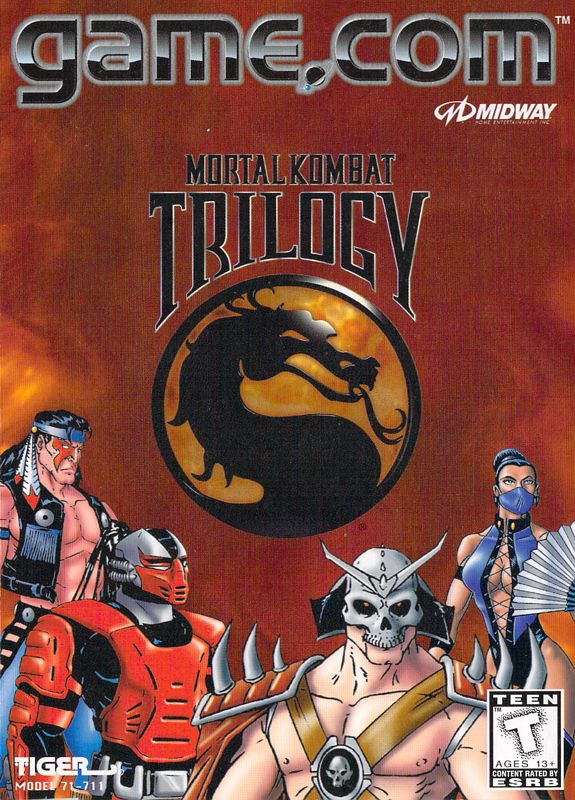
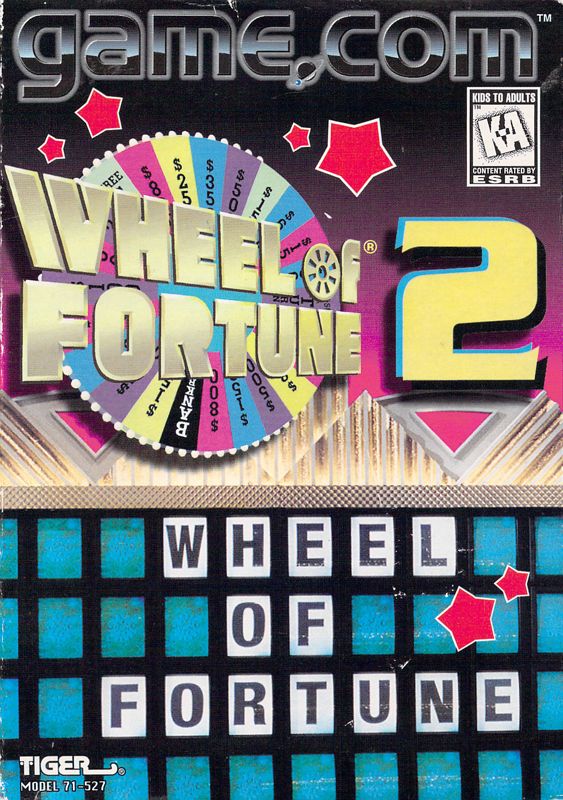
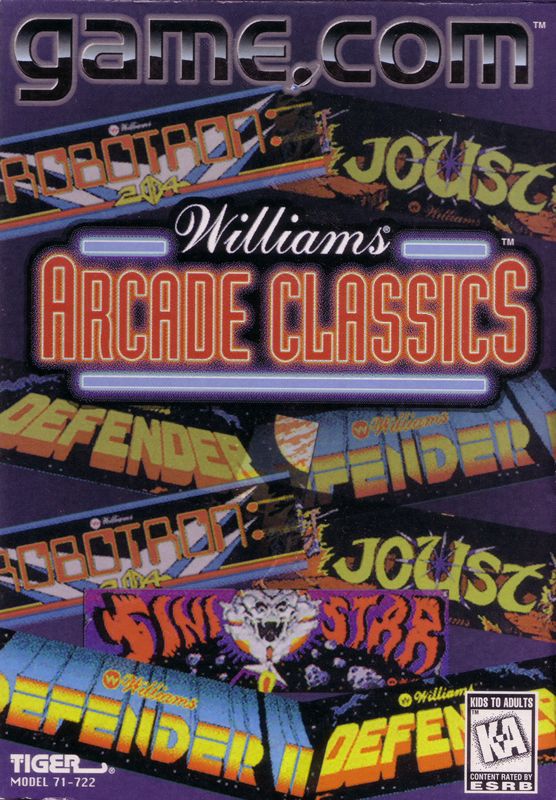
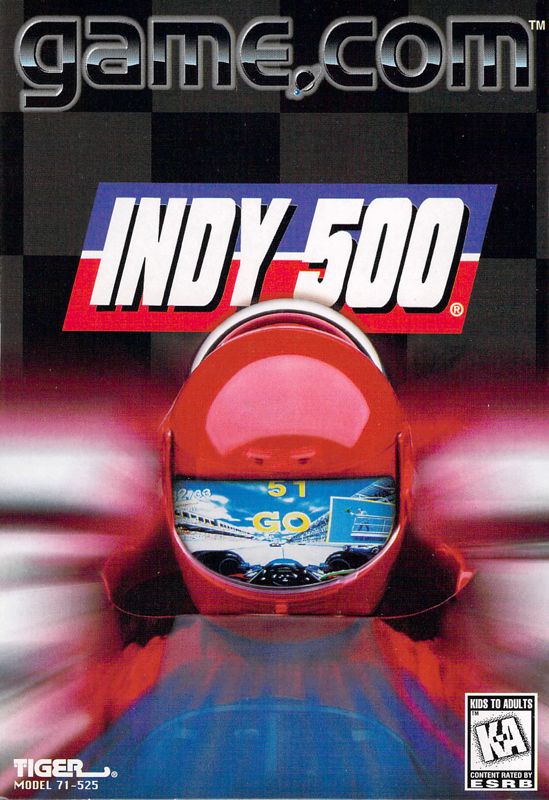
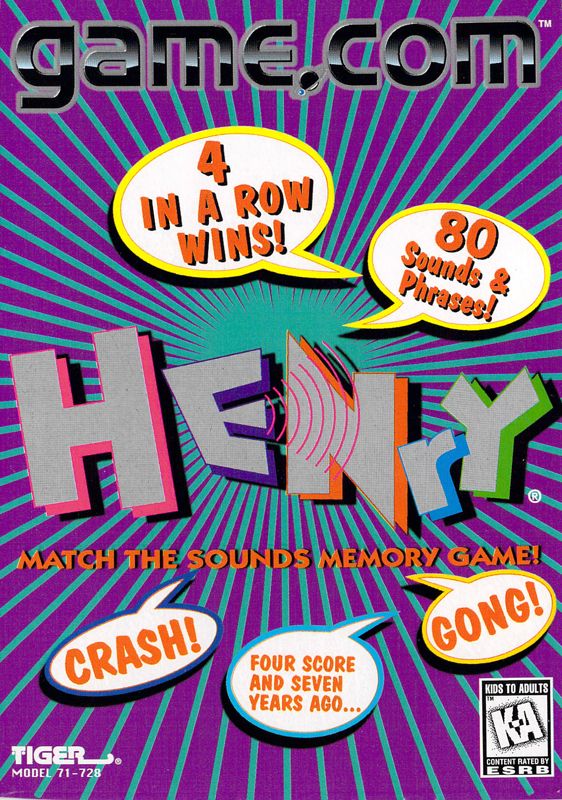
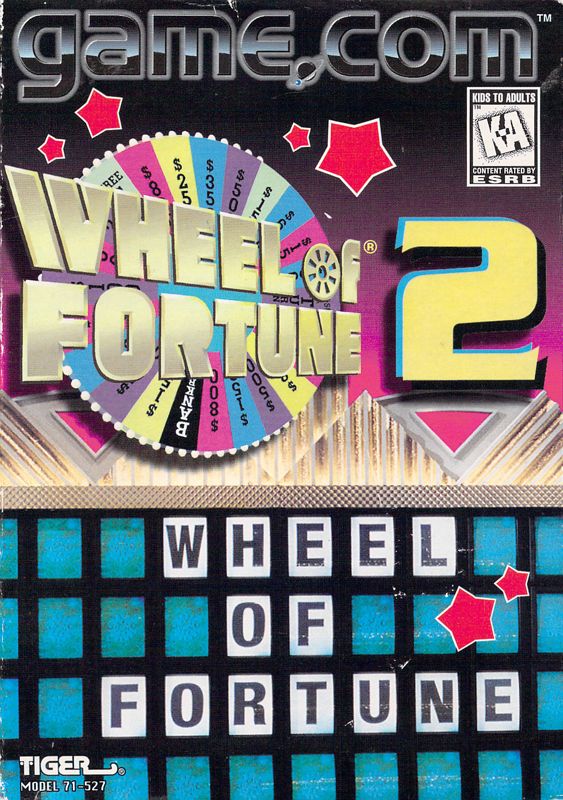
Tiger Electronics Inc. published several titles for its Game.com handheld console in 1997. These releases included adaptations of popular licenses and arcade games, such as Williams Arcade Classics, Lost World: Jurassic Park, Wheel of Fortune, and Wheel of Fortune 2, alongside original titles like Quiz Wiz: Cyber Trivia, Henry, Indy 500, and Lights Out.
To compete with dominant handheld platforms, the publisher designed these 1997 cartridges to showcase the unique hardware capabilities of its new system, particularly its touchscreen and stylus interface. For instance,
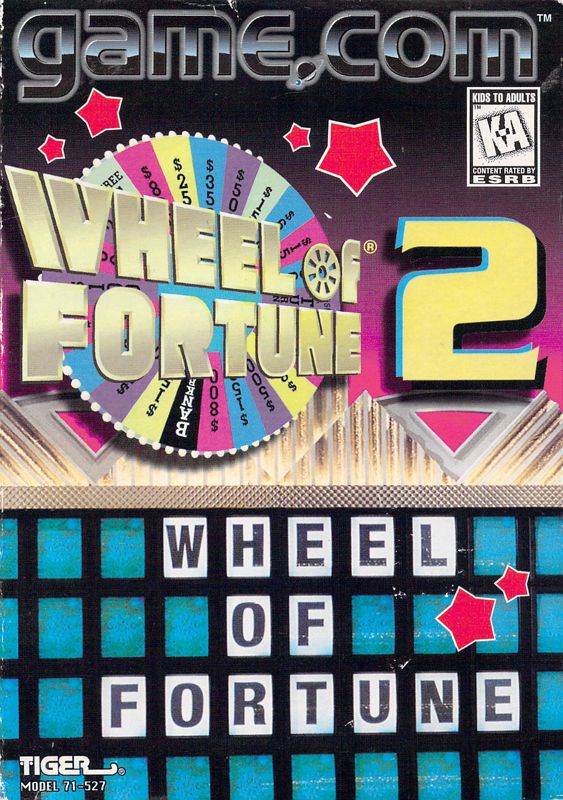
Wheel of Fortune and
Wheel of Fortune 2 allowed players to physically tap the screen to spin the wheel and select letters, translating the television game show experience into a portable format. Similarly,
Quiz Wiz: Cyber Trivia and
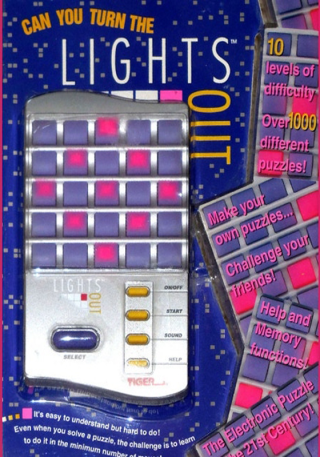
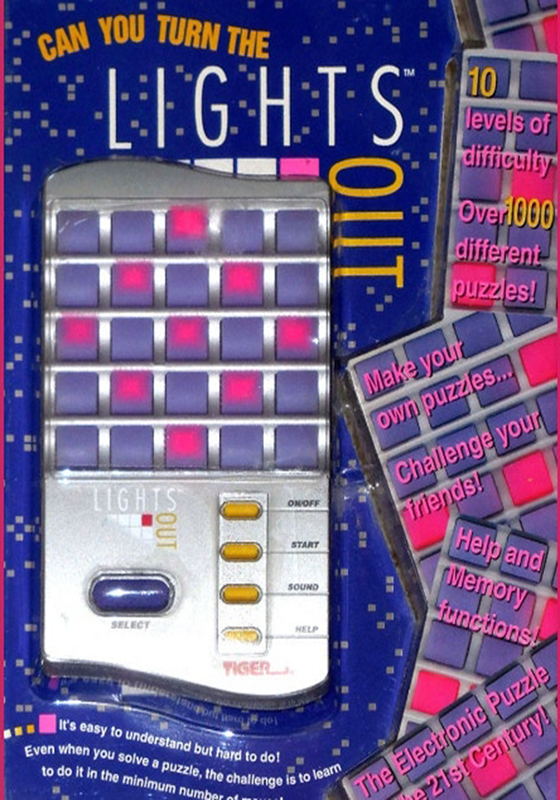
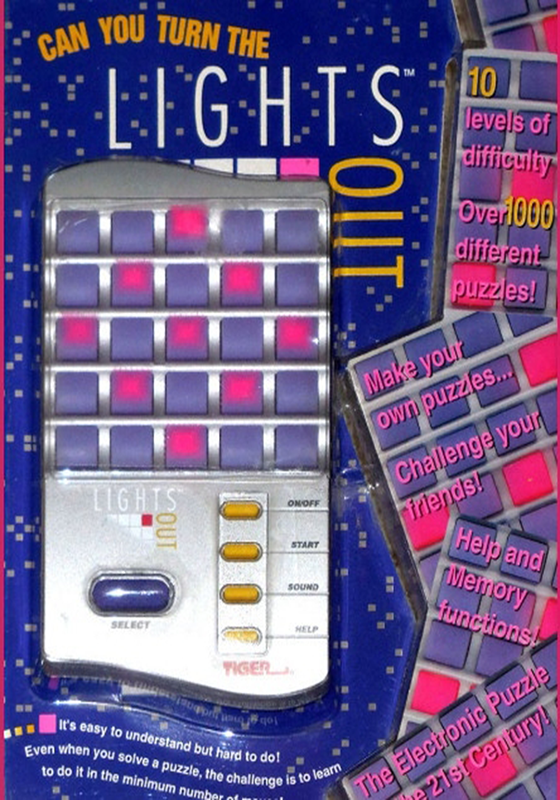
Lights Out adapted Tiger's pre-existing, highly successful physical electronic toys into digital formats, utilizing touch inputs for puzzle-solving and trivia entry.
For action and arcade enthusiasts,
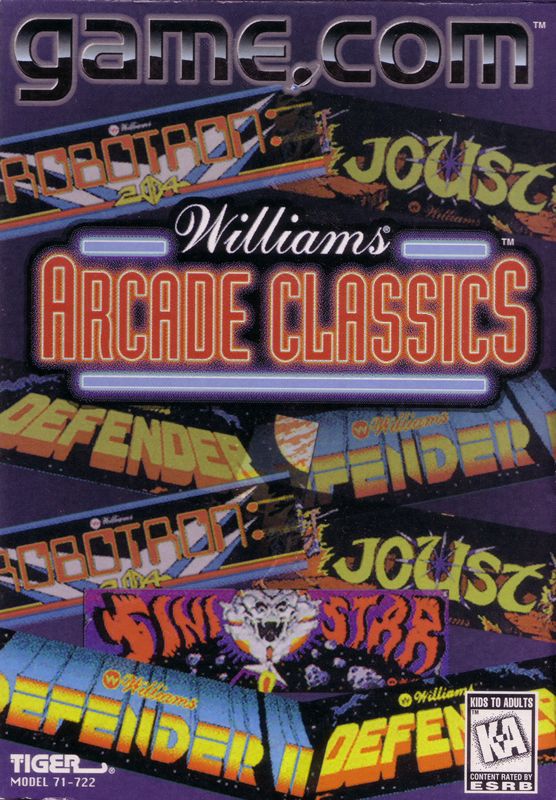
Williams Arcade Classics preserved seminal cabinet titles like
Defender and
Joust on a portable screen, while
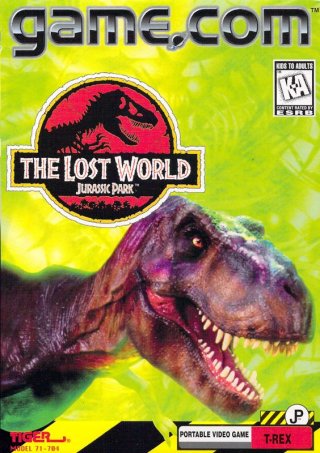
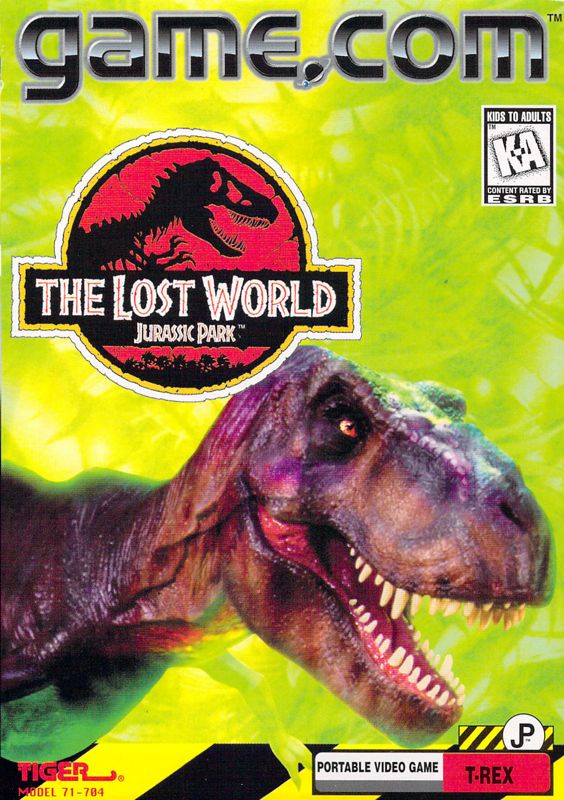
Lost World: Jurassic Park offered side-scrolling gameplay tied to the blockbuster film franchise.
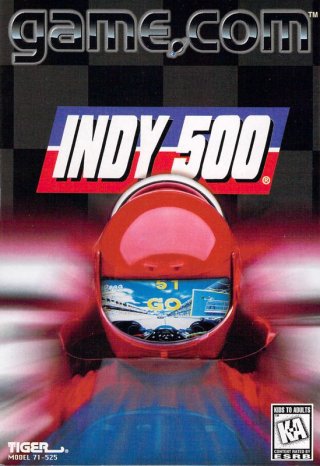
Indy 500 attempted to deliver high-speed racing simulation, while
Henry tested players' auditory and visual memory. Despite these high-profile licenses and novel touch controls, the lineup suffered from the console's low screen refresh rate and monochrome display. This initial software wave ultimately failed to capture the market from competitors, leading to the system's decline before Tiger was acquired by Hasbro.