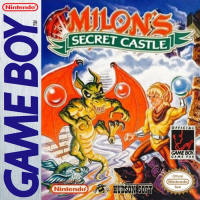
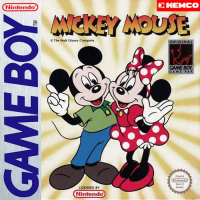
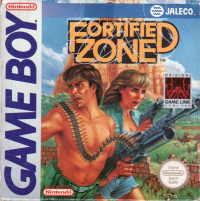
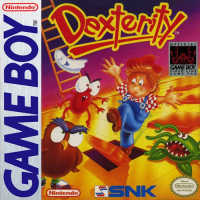
In the Crazy Castle series (such as Mickey Mouse 1992), keys must be collected to open the exit door and clear the stage. Similarly, in Kid Icarus: Of Myths and Monsters and Milon's Secret Castle, keys are essential items found within chambers to unlock progression paths. In action-puzzle titles like Dexterity and Fortified Zone, they serve as critical tools for navigating locked environments.
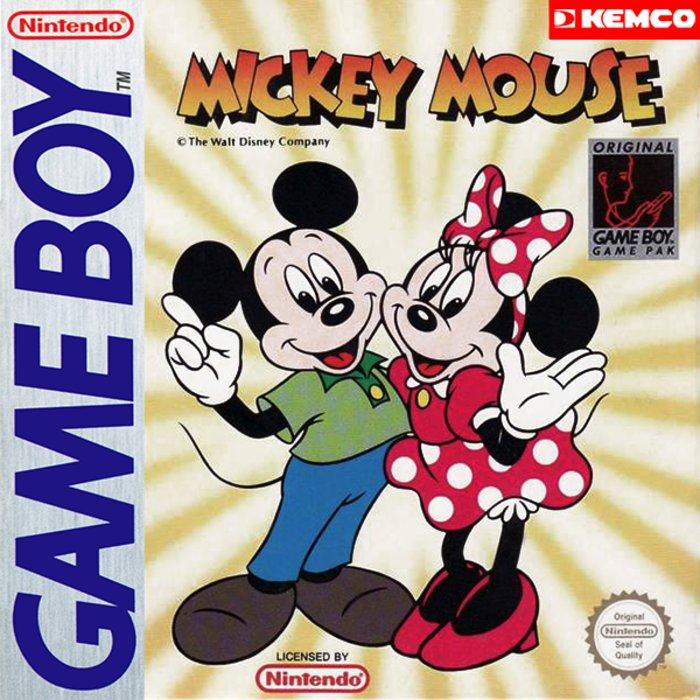
During the early 1990s, the key served as a unifying design convention across several prominent Game Boy and console releases. In Kemco's
Mickey Mouse (1992), a prominent entry in the
Bugs Bunny Crazy Castle lineage, the item's placement dictated the puzzle-like routing of each level, representing a mechanical signature of the franchise. For Nintendo's
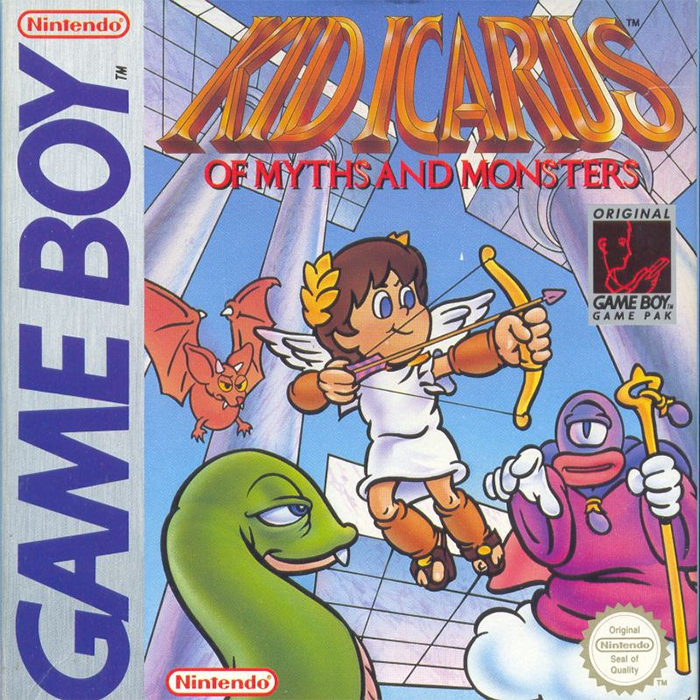
Kid Icarus: Of Myths and Monsters (1992), keys expanded the exploration elements of the
Kid Icarus series, requiring players to manage their inventory or purchase them from in-game shops to access fortresses.
In
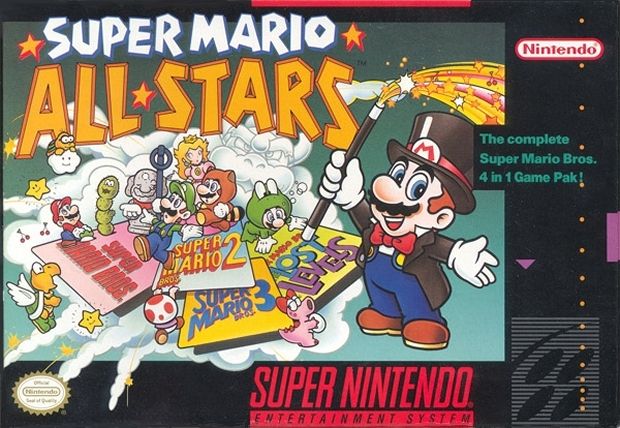
Super Mario All-Stars (1993), the key's functionality was updated with enhanced 16-bit graphics, particularly in the
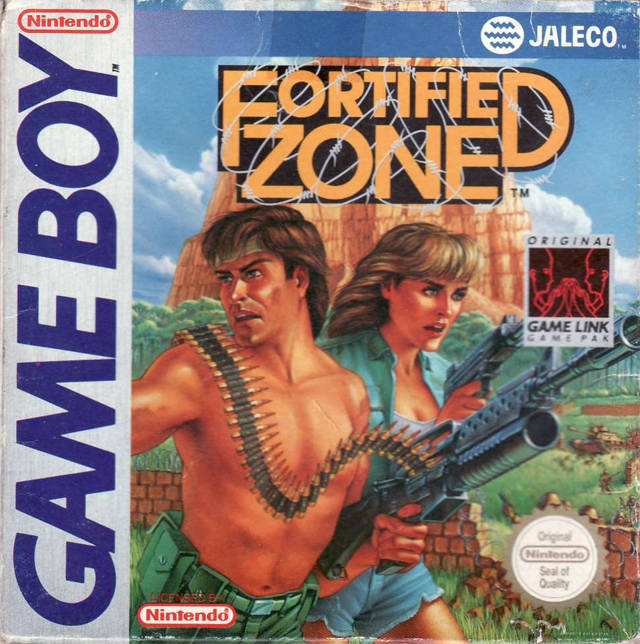
Super Mario Bros. 2 segment where picking up a key triggers the relentless pursuit of the Phanto mask. Jaleco integrated the item into its handheld library, utilizing it to gate progress in the top-down shooter
Fortified Zone (1991) and the grid-based puzzle game
Dexterity (1990). Meanwhile, titles like
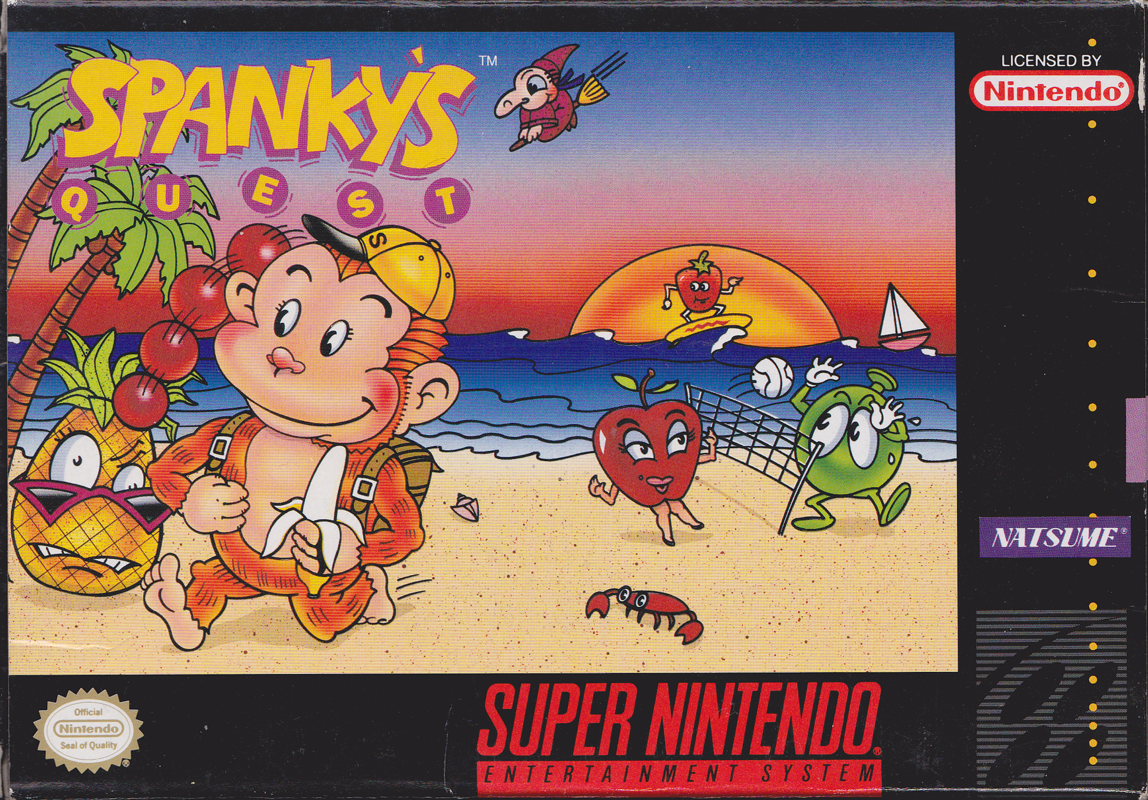
Spanky's Quest (1992),
Super Widget (1993), and the Game Boy adaptation of
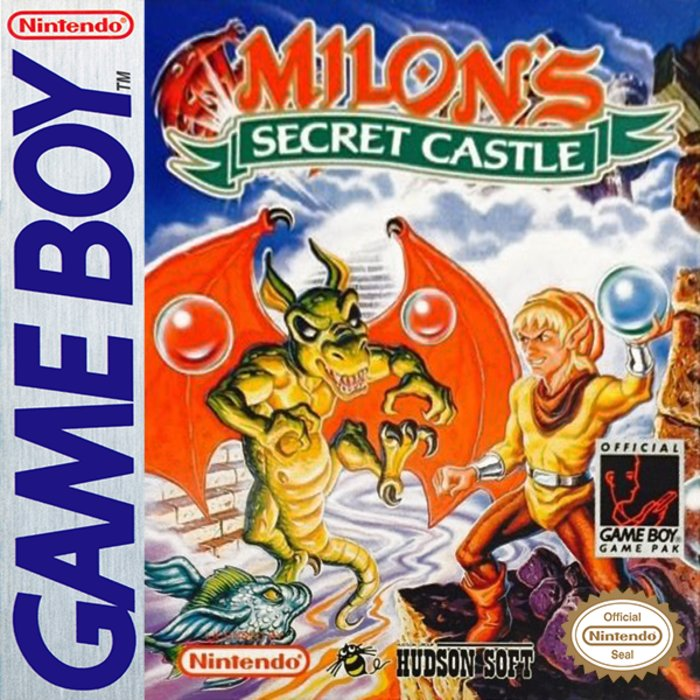
Milon's Secret Castle (1993) relied on the item to structure their non-linear environments, cementing the key as a foundational tool for 8-bit and 16-bit game design.
 (Beta).png)

.png)














.png)




 (En,Fr,De,Es,It,Nl).png)




.png)
.png)
 (Beta) (1993-07-30).png)
.png)
 (Beta).png)







.png)





.png)

.png)

.png)

.png)
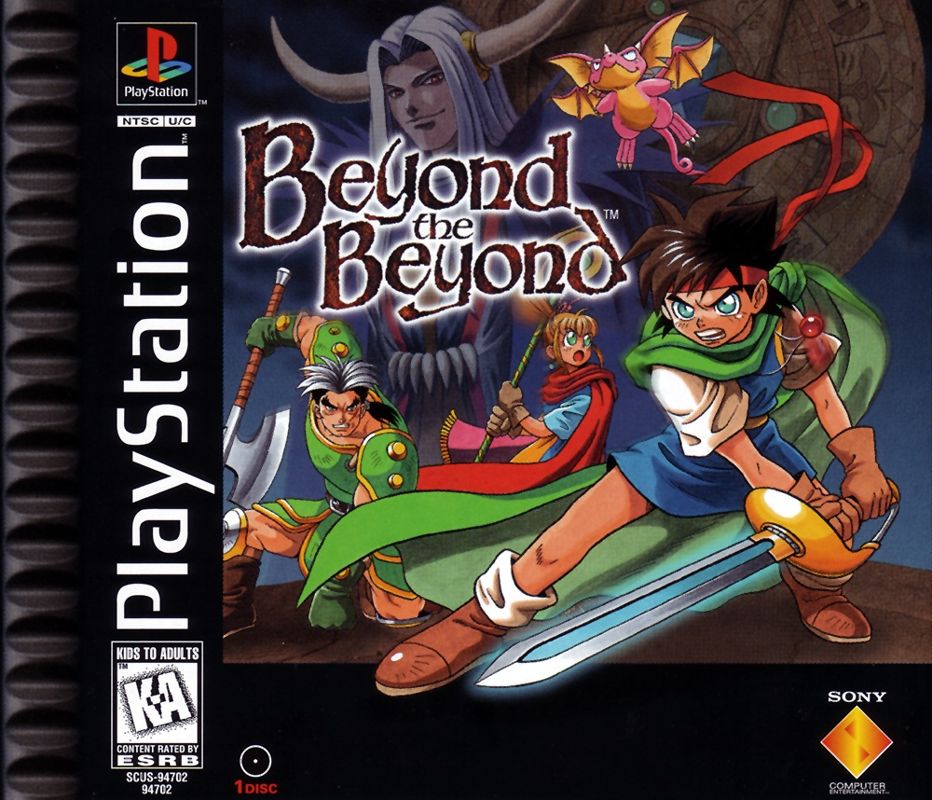
 (Beta) (1993-07-30).png)
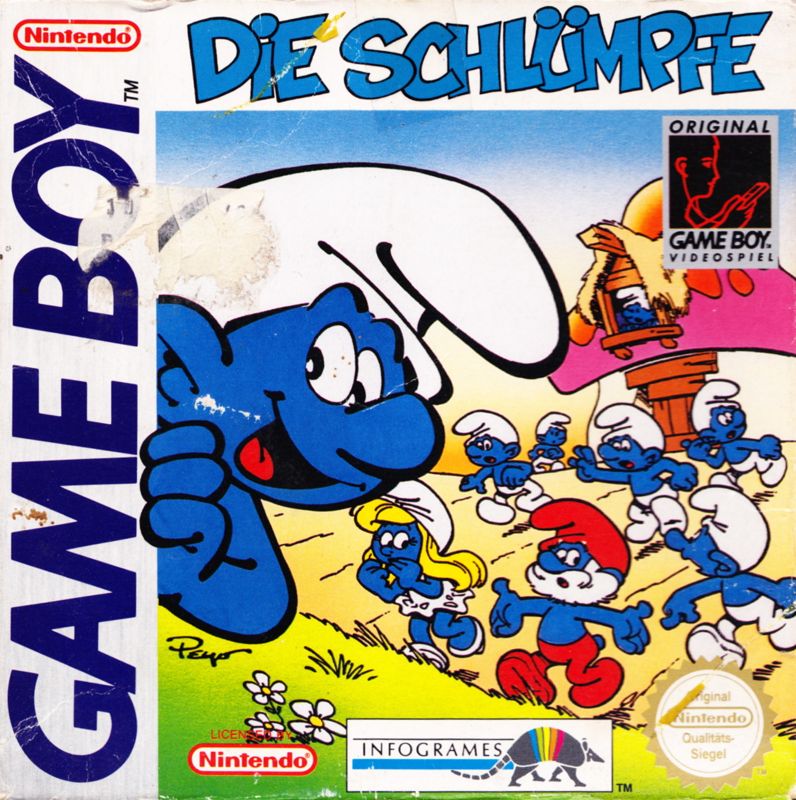
.png)