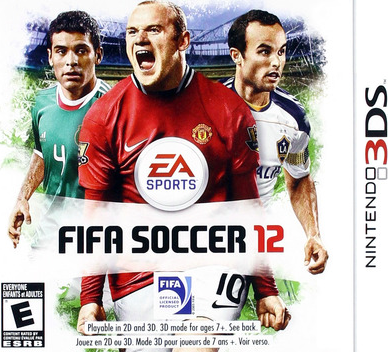
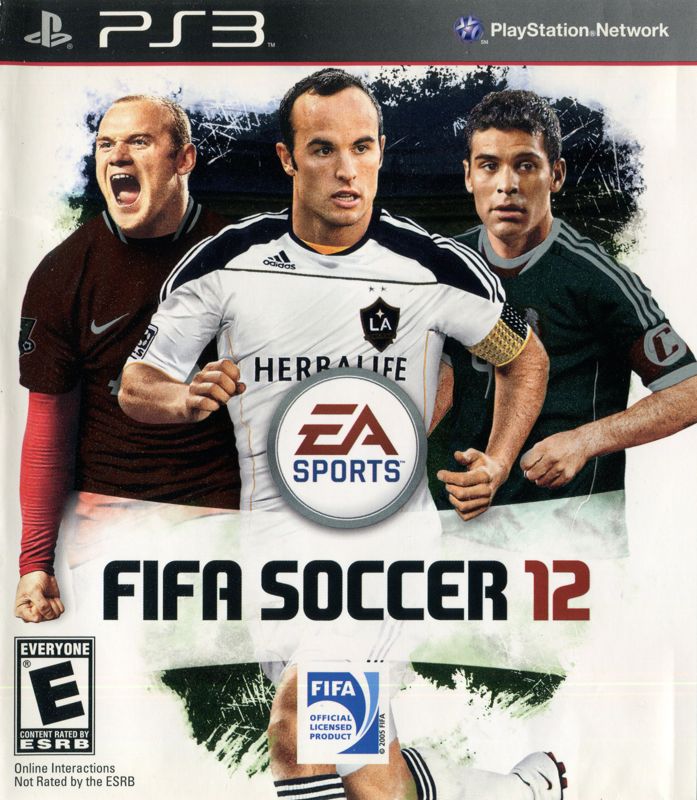
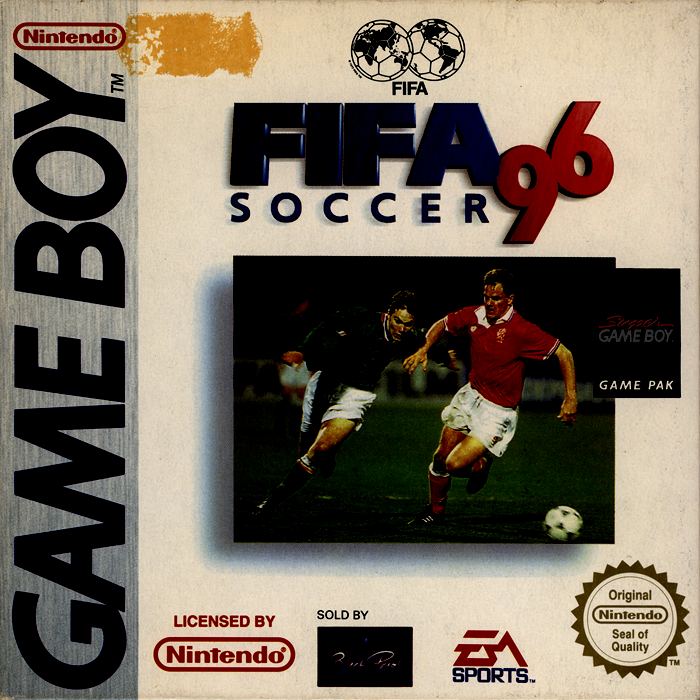
The FIFA Soccer series began with the 1993 release of FIFA Soccer on the Sega Genesis, establishing a highly successful annual sports franchise. Early entries like FIFA Soccer 95 and FIFA Soccer 96 pioneered isometric and early 3D graphics, introducing real player names and licensed teams to the genre. These foundational titles cemented Electronic Arts' dominance in the soccer simulation market during the 16-bit and 32-bit console eras.
Developed by EA Canada and published under the EA Sports label, the series debuted with
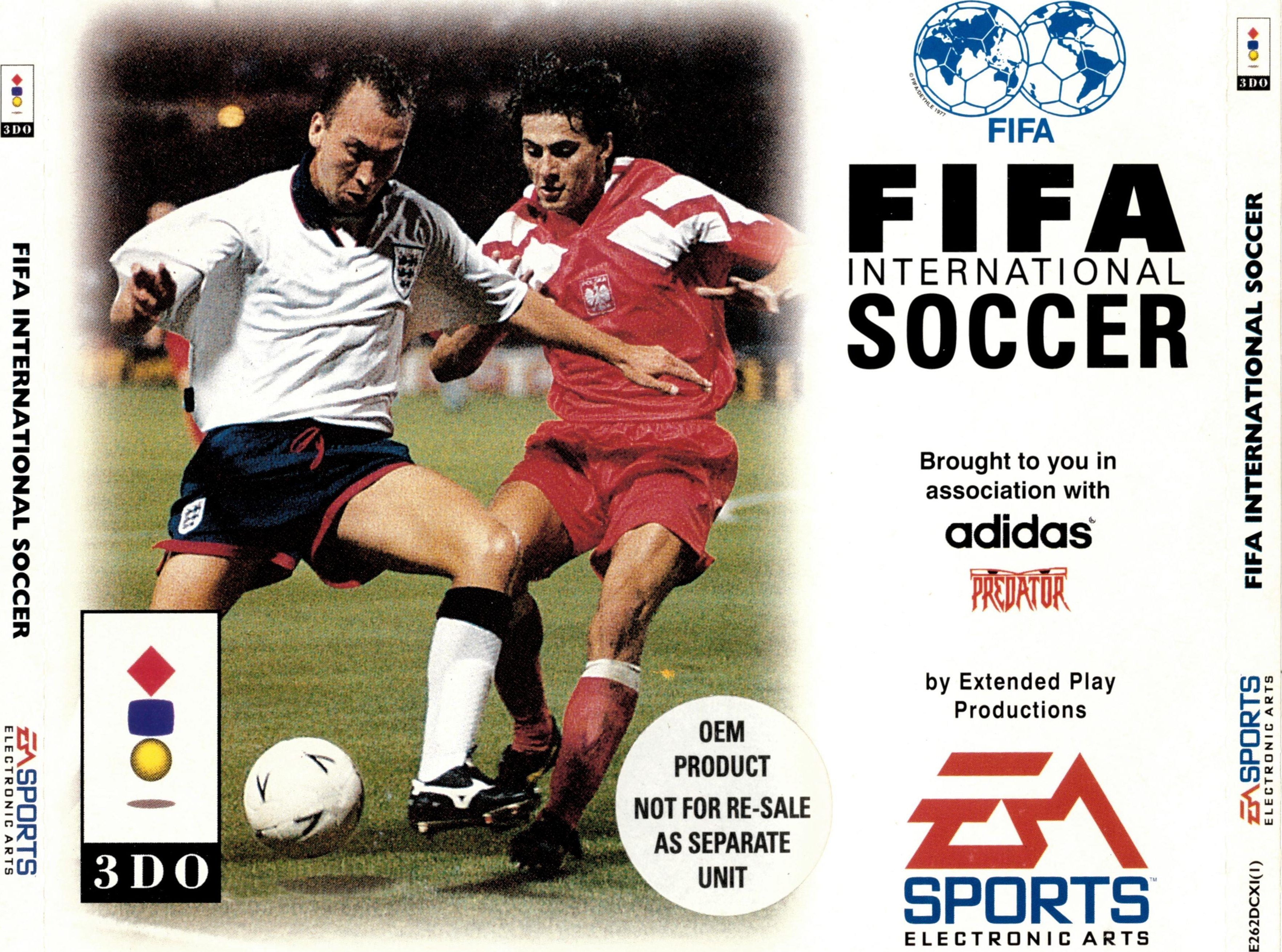
FIFA Soccer (1993), also known as
FIFA International Soccer. This initial release set itself apart from contemporary top-down titles by utilizing an action-oriented camera angle and incorporating realistic crowd chants. While the debut game featured only national teams with fictional player names, it was quickly ported from the Genesis to multiple platforms, including the Super Nintendo Entertainment System, Amiga, and Game Boy.
The subsequent release,
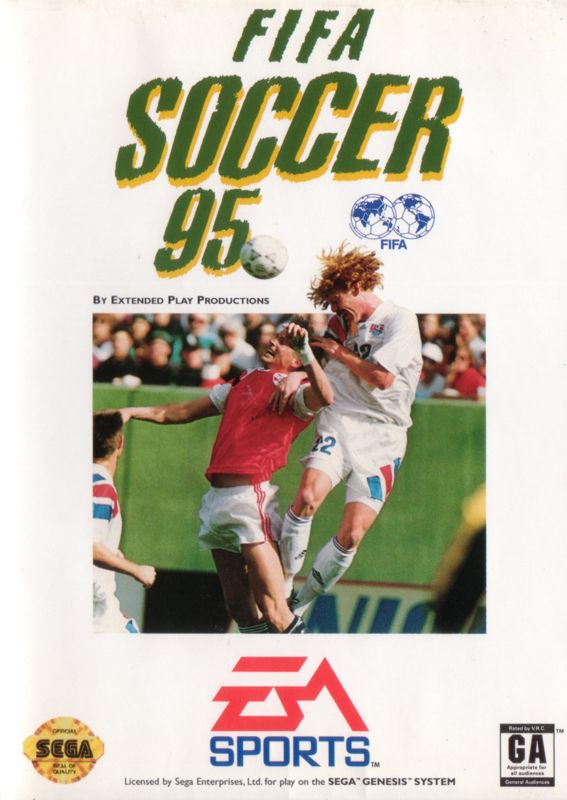
FIFA Soccer 95 (1994), remained a Sega Genesis exclusive but significantly expanded the gameplay depth by introducing club teams from eight domestic leagues, including those of Brazil, Italy, and England. This laid the groundwork for
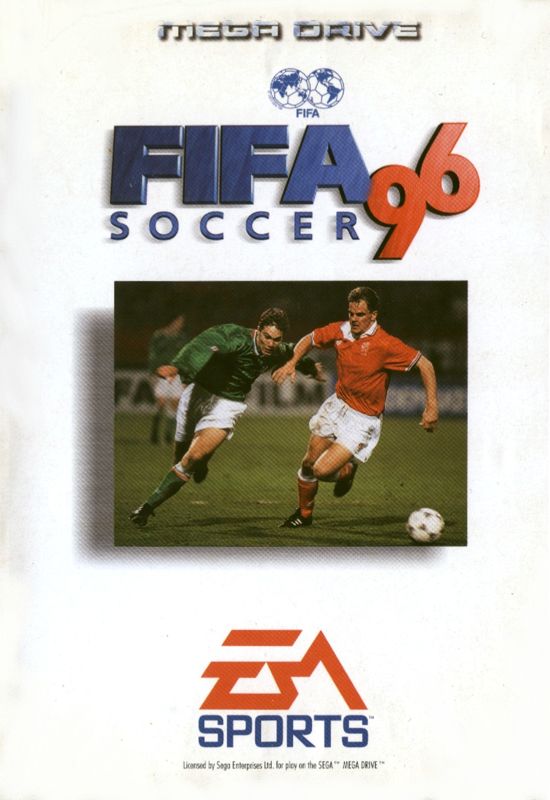
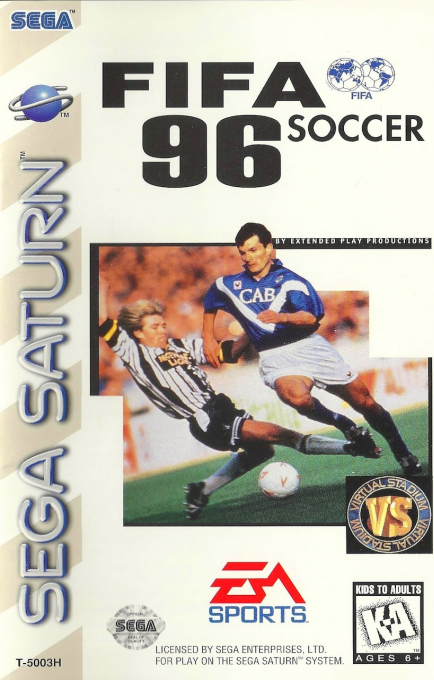
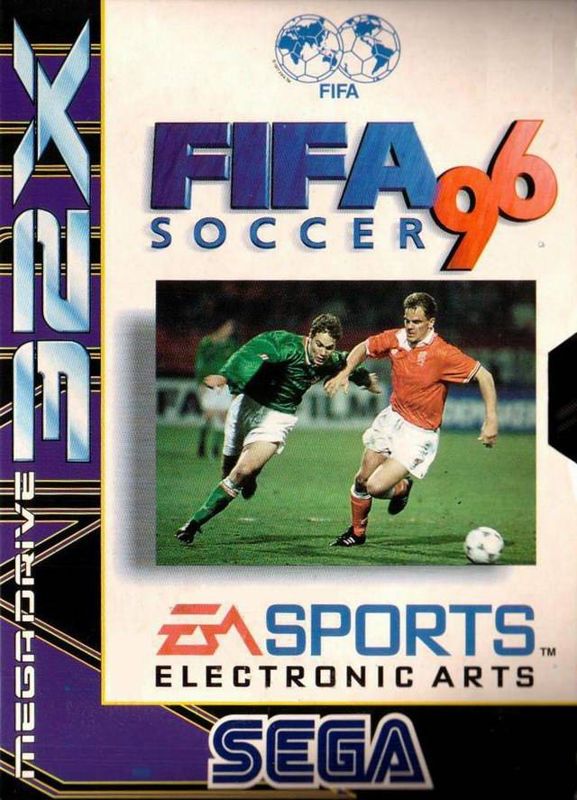
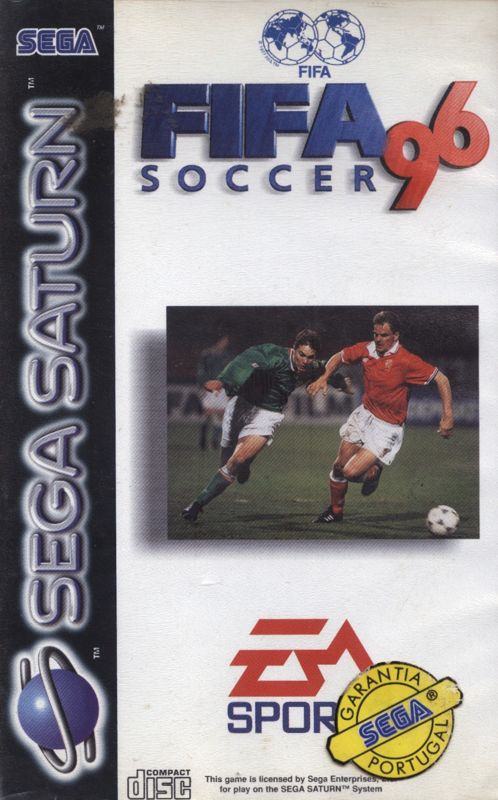
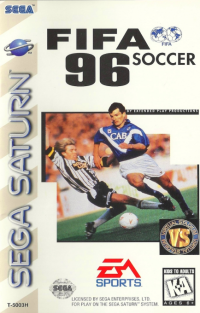
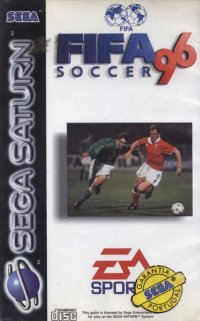
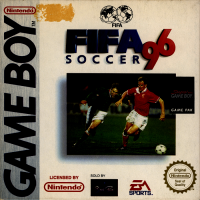
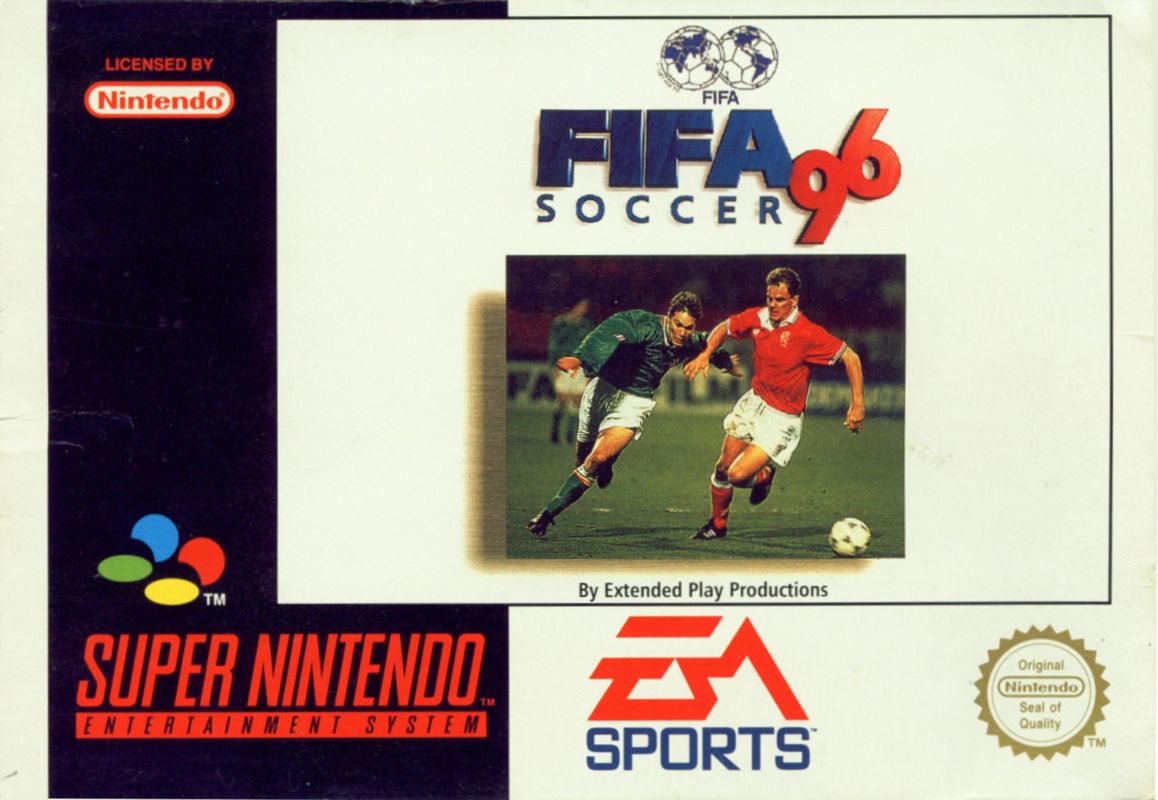
FIFA Soccer 96 (1995), which represented a major technological leap. On next-generation platforms like the PlayStation and Sega Saturn,
FIFA Soccer 96 utilized the "Virtual Stadium" engine to combine real-time 3D environments with pre-rendered player sprites. It also introduced official player licensing via the FIFPro license, allowing for accurate rosters. Together, these three titles established the annual iteration model and licensing-driven marketing strategy that defined modern sports video games.
.png)


_1.png)



























.png)



.png)






.png)












 (En,Fr,De,Es).png)