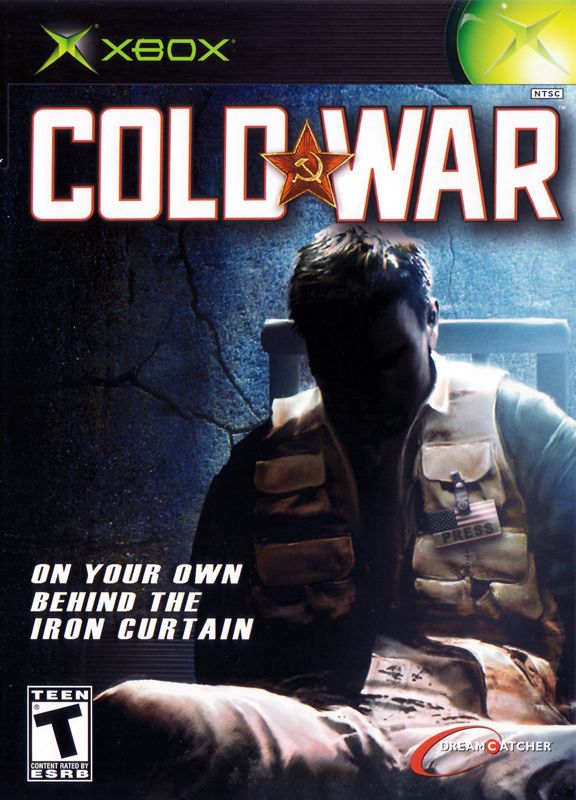
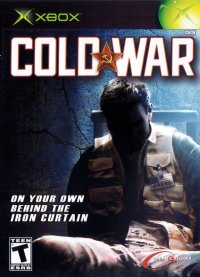
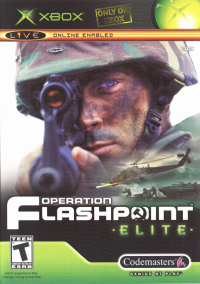
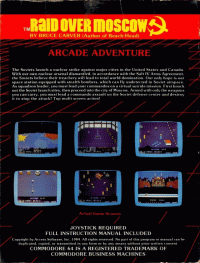
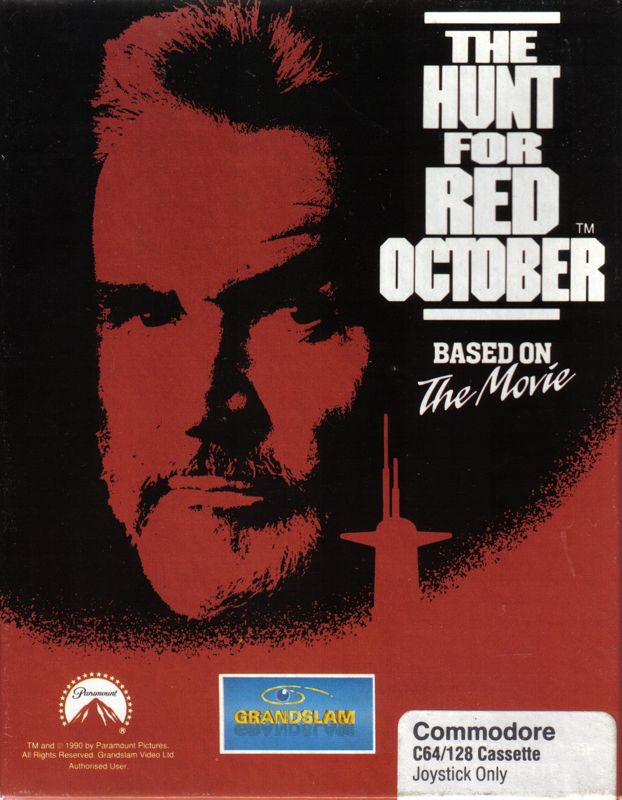
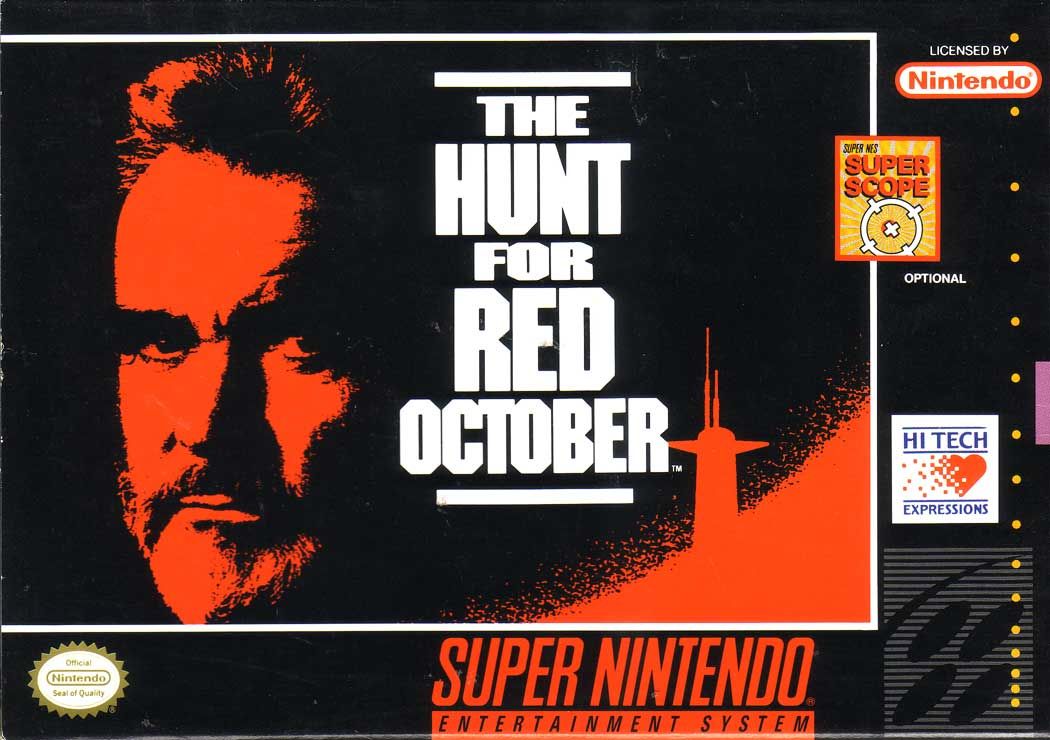
The Cold War setting serves as the backdrop for retro strategic simulations and action titles like War Room, War Games, and Raid Over Moscow, which focus on nuclear defense and tactical operations. It is also heavily featured in adaptations of The Hunt for Red October and serves as a foundational historical backdrop for major franchises like Metal Gear Solid. These games translate the era's espionage, submarine warfare, and threat of global annihilation into interactive gameplay.
Early home console and computer adaptations established this setting during the actual historical conflict. ColecoVision's
War Room (1983) and its 1986 Telegames release tasked players with resource management and city defense, while
War Games (1984) drew inspiration from cinema to simulate NORAD computer interfaces. Action-oriented titles like
Raid Over Moscow (1984) pushed contemporary political boundaries by depicting direct strikes on Soviet territory.
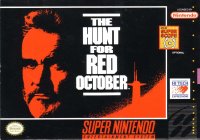
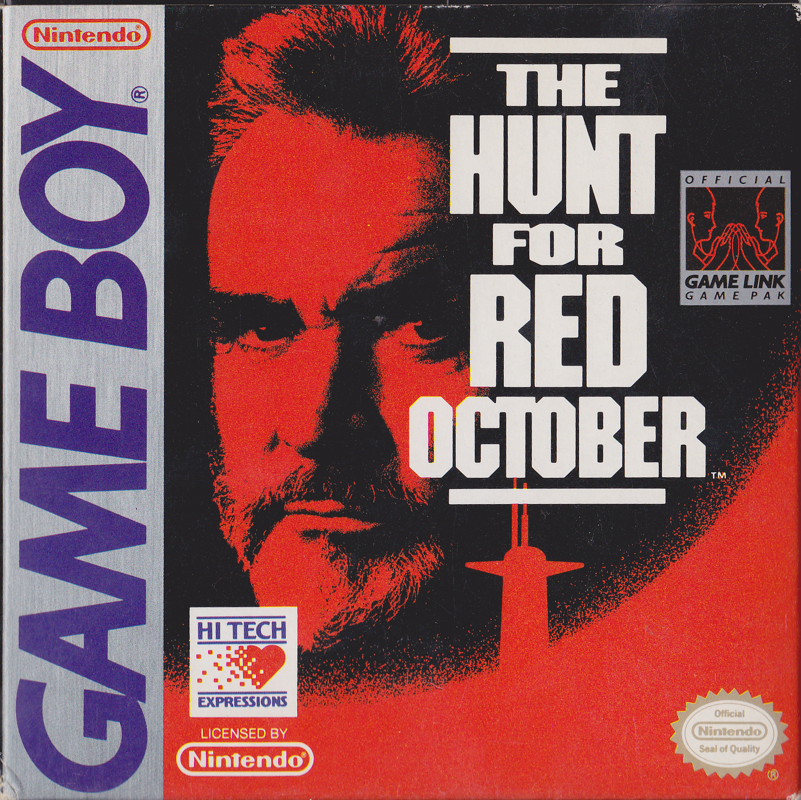
The literary and cinematic influence of Tom Clancy led to multiple distinct adaptations of
The Hunt for Red October in 1984, 1991, and 1993, spanning platforms from early home computers to the Super NES. As the era transitioned from current events into history, major franchises integrated its aesthetics into their lore. The
Metal Gear Solid series utilizes the geopolitical tensions of the 1960s through the 1980s as the catalyst for its overarching narrative, detailing the rise of private military forces. Similarly, the
Air Conflicts series simulates the aerial dogfights of the era's proxy wars, while the dystopian alternate history of
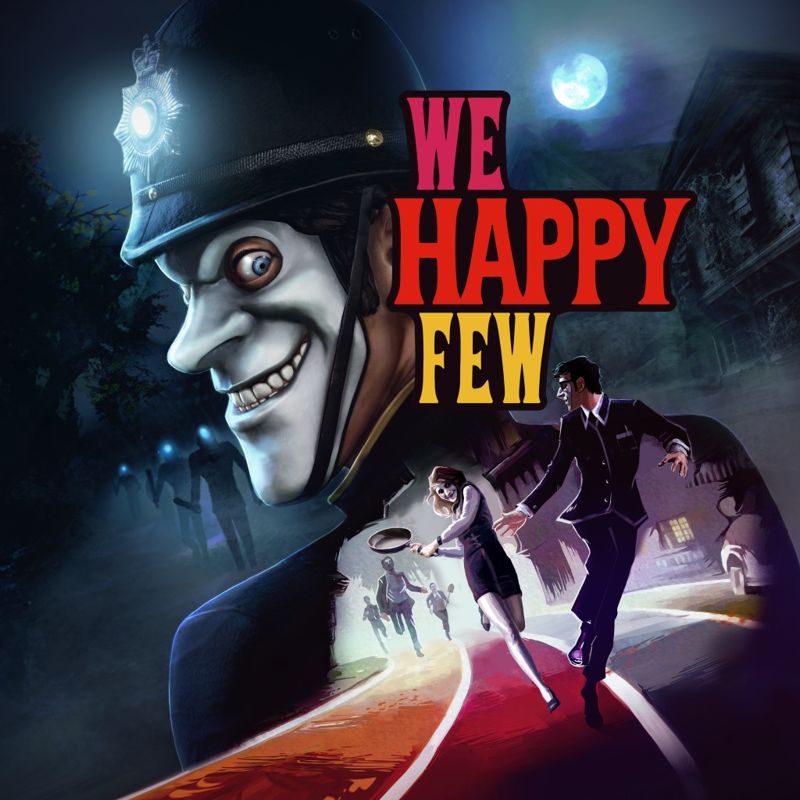
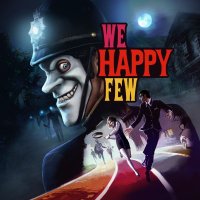
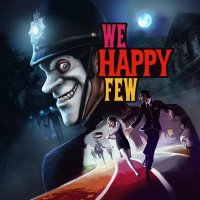
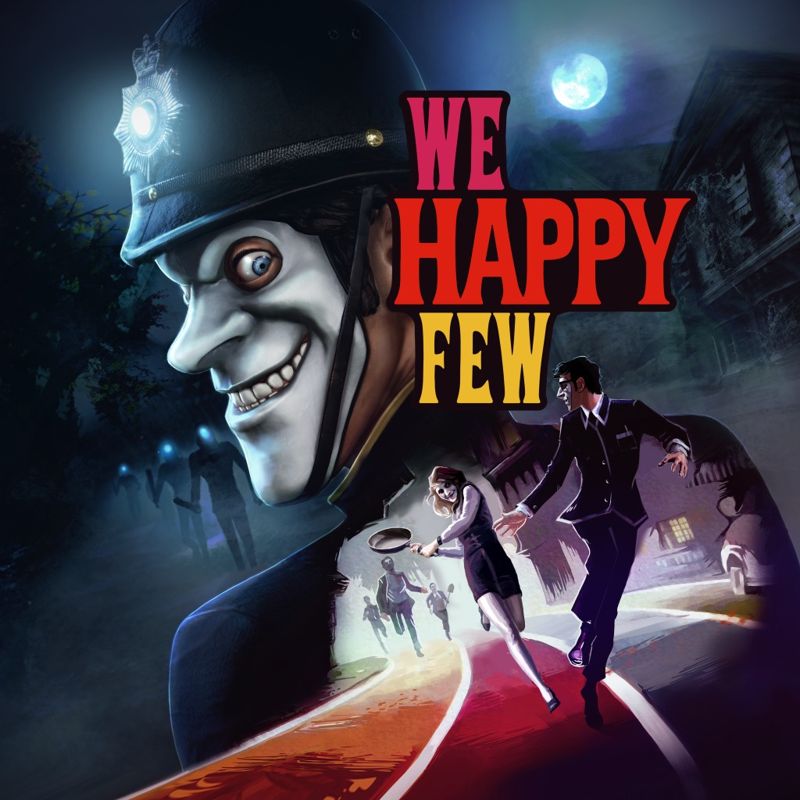
We Happy Few explores the psychological aftermath of a modified post-WWII timeline.






_1.png)






.png)






.png)




.png)


_1.png)
.png)

.png)