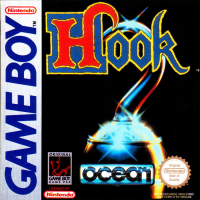
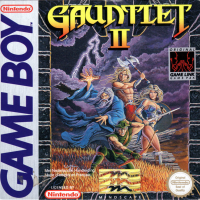
In retro titles such as Gauntlet II, Hook, and Gods, food items appear as collectible power-ups that restore the player's health or vitality. In the 1993 Jurassic Park game, finding food is essential for sustaining the player's life bar while navigating the dangerous island. Across these diverse action and platforming games, food serves as a crucial mechanic to prolong gameplay and recover from enemy damage.
During the early 1990s, the implementation of food items evolved from basic score-boosting collectibles into complex inventory assets. In
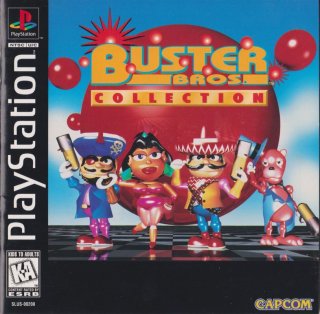
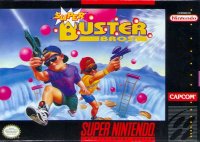
Super Buster Bros. (1992), food items primarily award bonus points, shifting the item's role from survival to high-score acquisition. Post-apocalyptic and sci-fi titles such as
Outlander (1993),
Soldiers of Fortune (1993), and
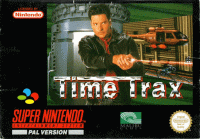
Time Trax (1994) integrated food into their level designs to reward thorough exploration of hostile, labyrinthine environments.
This design philosophy directly influenced the expansive role of food in major role-playing franchises. While the
Jurassic Park series kept food items grounded in immediate environmental survival, the concept expanded dramatically in the
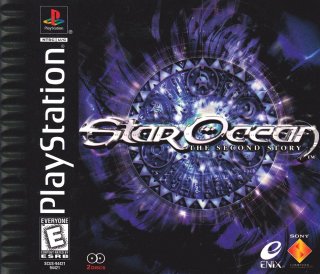
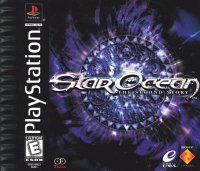
Star Ocean and
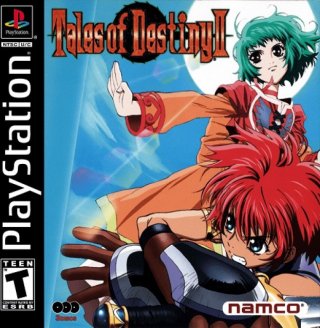
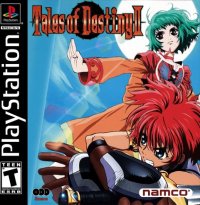
Tales of Destiny franchises. In these series, food transitioned from simple floor pickups into a core gameplay system involving cooking mechanics, ingredient gathering, and recipe customization. Players could craft specific dishes to gain temporary stat boosts, cure ailments, or prepare for boss battles. This evolution transformed a straightforward arcade recovery trope into a strategic, menu-driven subsystem that defined the depth of 16-bit and 32-bit role-playing games.