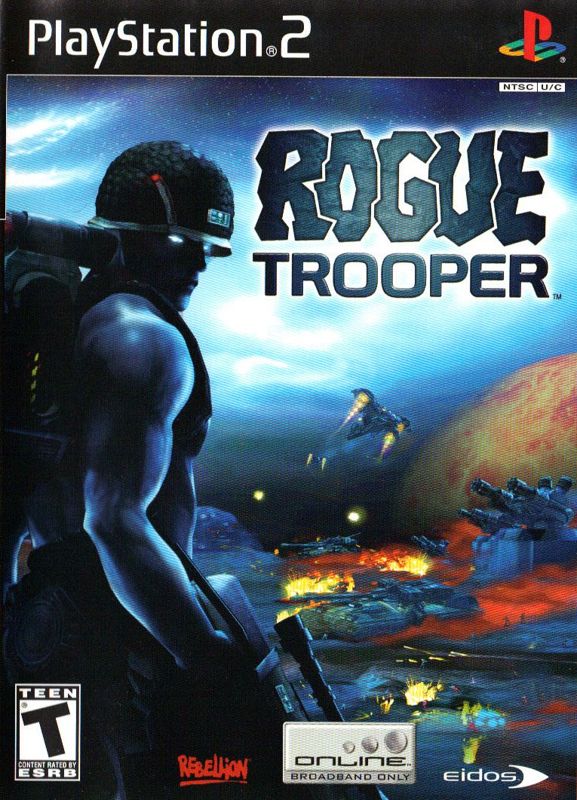
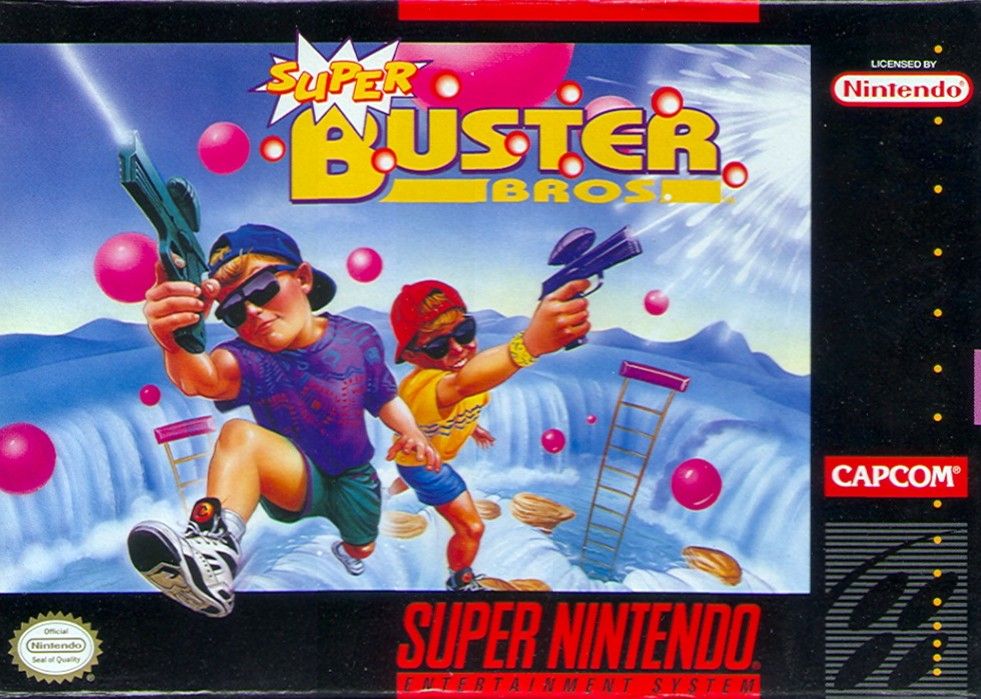
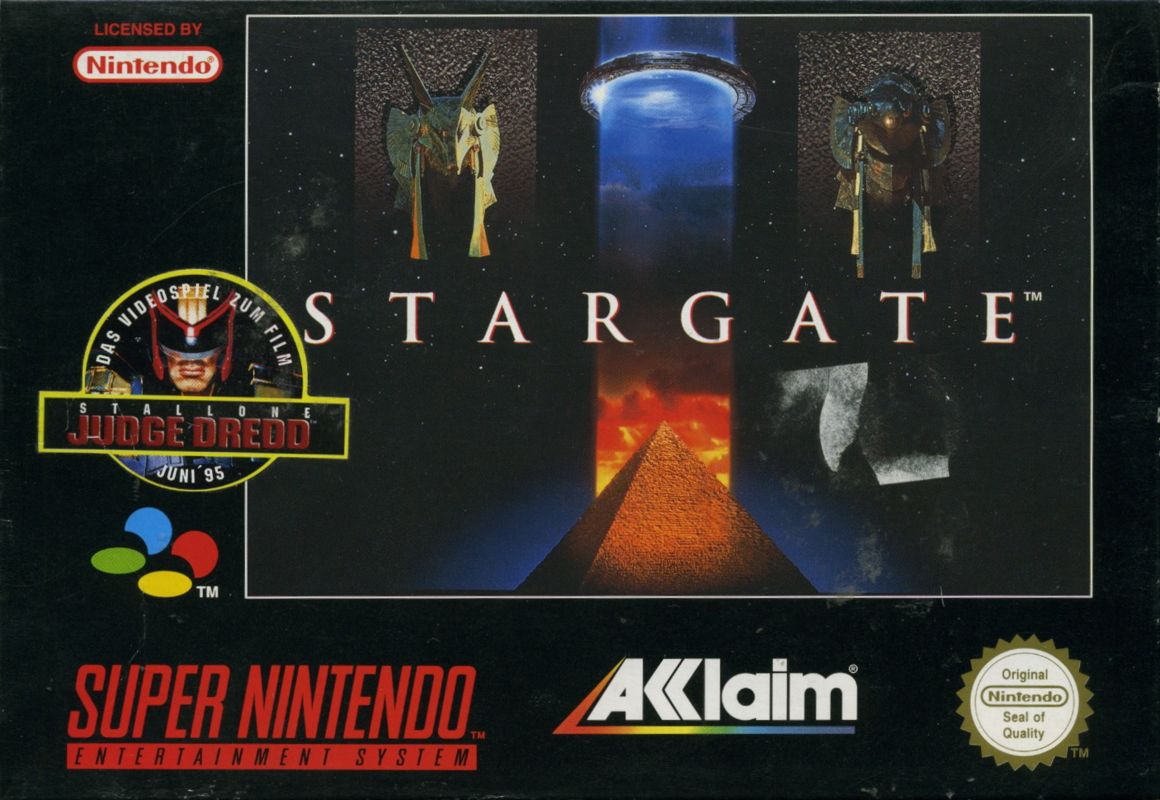
In retro titles like Elevator Action (1991) and Wolfenstein 3D (1994), the Machine Gun serves as a high-rate-of-fire weapon upgrade. It allows players to spray bullets continuously, proving essential for crowd control in games such as Super Smash TV and Super Buster Bros. Within the Elevator Action franchise and other action shooters, acquiring this weapon temporarily increases the player's offensive output.
During the early 1990s, this weapon icon became a staple of cooperative and competitive action titles. In
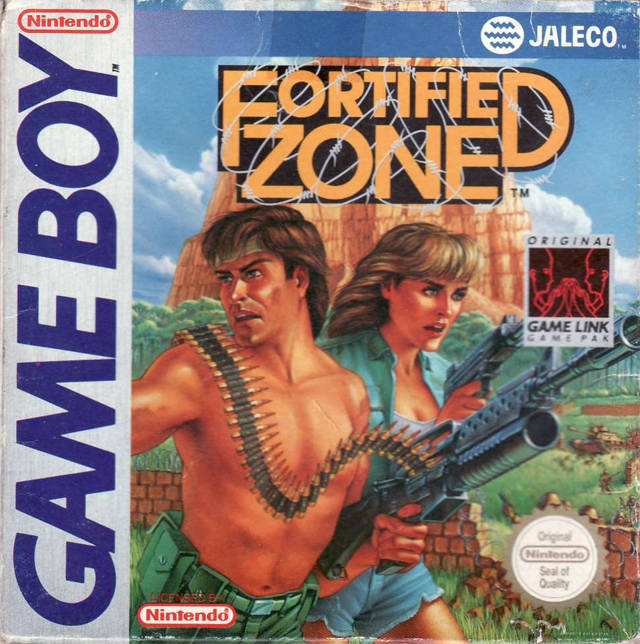
Fortified Zone (1991), players swap to the item to navigate complex military corridors, while the Game Boy port of
Elevator Action (1991) integrates it into the franchise's signature elevator-based shootouts. The item's utility expanded into first-person and light-gun perspectives through
The Super Spy (1993) and the home console ports of
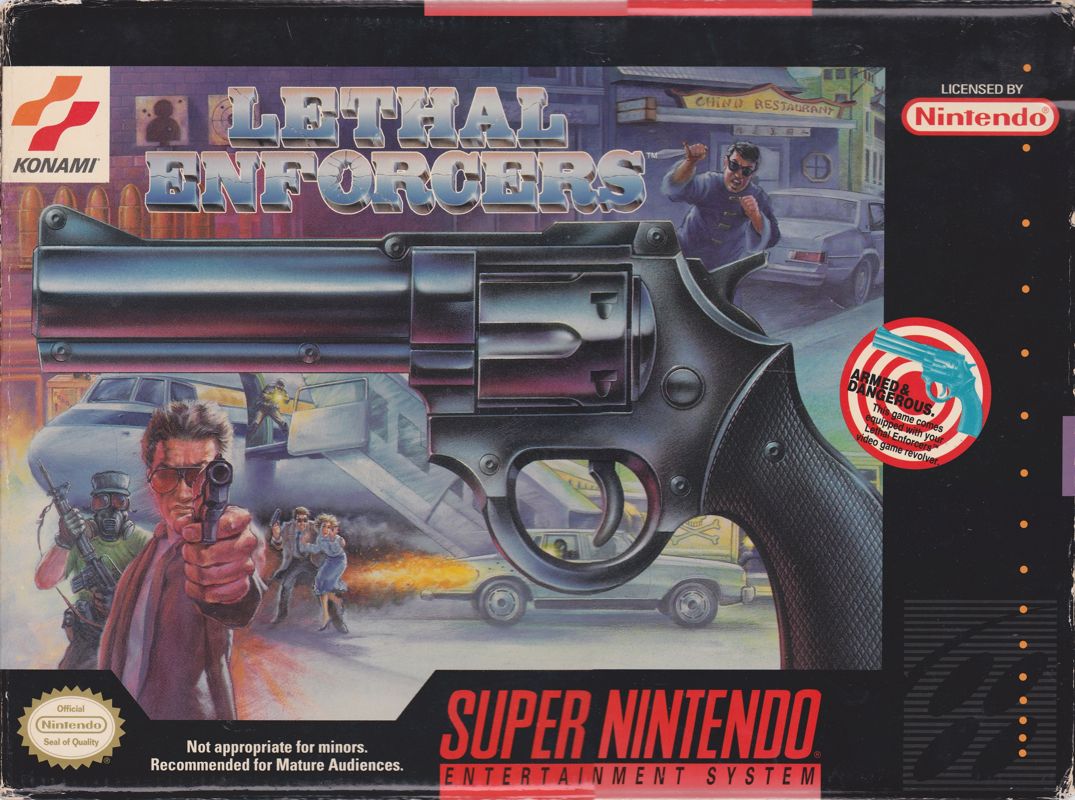
Lethal Enforcers (1994). For multiplayer-focused releases, such as the chaotic arenas of
Super Smash TV (1992) and the bubble-popping stages of
Super Buster Bros. (1992), securing the power-up often required coordinated teamwork, sometimes facilitated by hardware like the
Super 5-Play Performance Multitap (1994) on compatible systems.
Within the broader
Elevator Action,
Duke Nukem, and
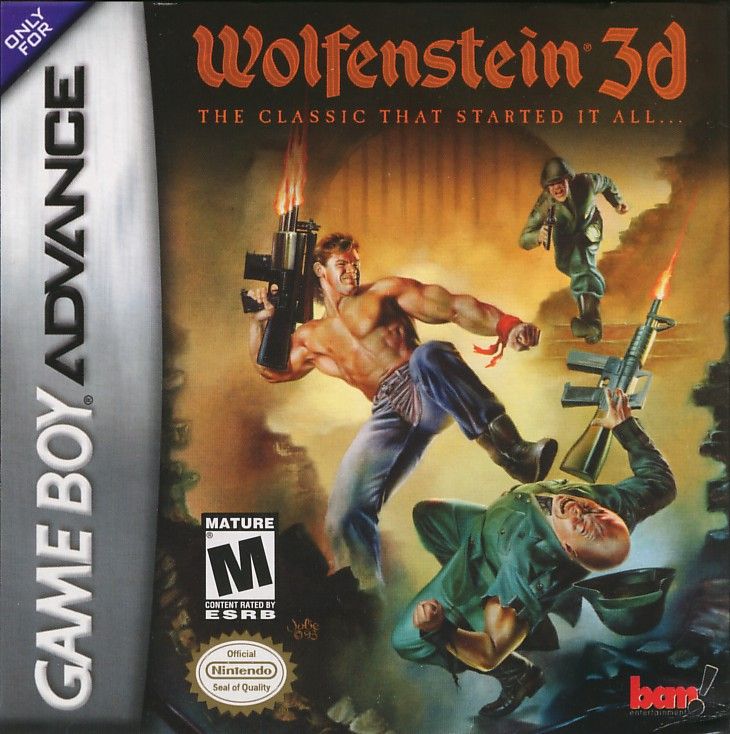
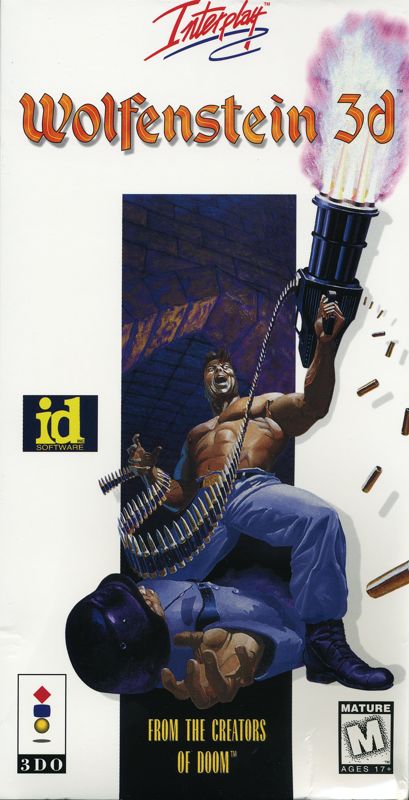
Army Men Air Attack franchises, the machine gun transitioned from a simple sprite-based pickup to a fully rendered 3D asset. In the 1994 console adaptation of
Wolfenstein 3D, the weapon serves as a crucial mid-tier firearm that bridges the gap between basic pistols and heavy chain guns. This progression established the item as a design standard for balancing ammunition conservation against raw offensive power across diverse 16-bit software libraries.

.png)
.png)
.png)
.png)
.png)
 (En,Fr,De,Es,It,Nl).png)
.png)
.png)
.png)




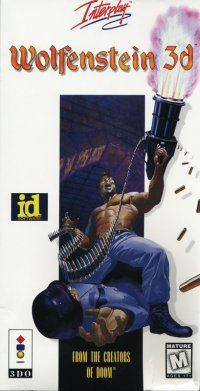










 (En,Fr,De).png)

_1.png)





.png)
 (En,Fr,De,Es,It,Nl).png)



.png)
.png)
.png)
.png)
.png)
.png)
.png)
.png)

.png)
.png)
_1.png)
_1.png)

.png)

.png)
.png)







.png)


.png)

_1.png)
.png)
 (En,Fr,De).png)
_1.png)
.png)
.png)
.png)